Aivora
Aivora
Aivora
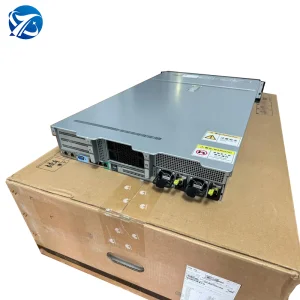
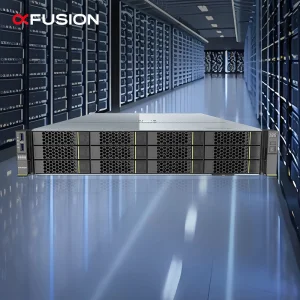
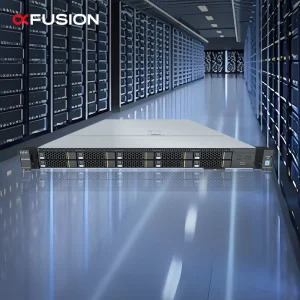
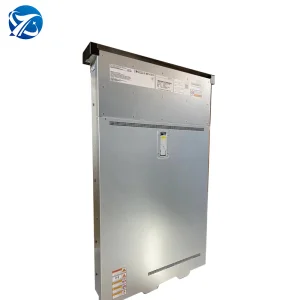
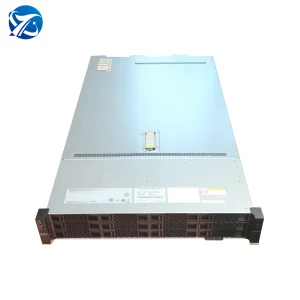
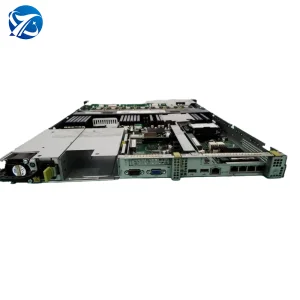
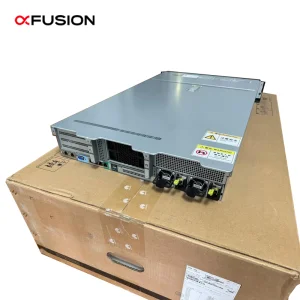
A comprehensive architectural deep dive into the engineering, compute density, and application paradigms of xFusion V5 infrastructure.
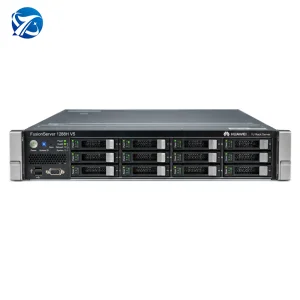
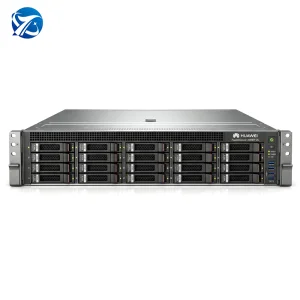
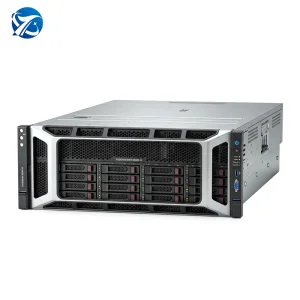
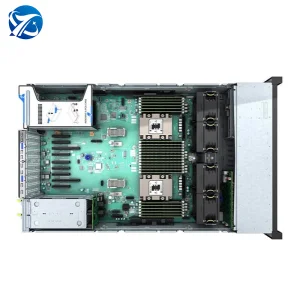
In the modern era of hybrid cloud deployments, high-performance computing (HPC), and distributed artificial intelligence workloads, data center engineers require server hardware that achieves an optimal balance between thermal performance, spatial density, and system reliability. The xFusion FusionServer V5 Rack Server family has long represented a flagship standard for enterprise workloads. Built upon the Intel® Xeon® Scalable Processor platform (both 1st and 2nd Generations), these servers feature multi-channel memory support, high-speed PCIe Gen3 bus expansion, and native integration for diverse drive technologies, ranging from high-capacity SATA HDDs to low-latency U.2 NVMe SSDs.
Unlike generic computing solutions, the V5 architecture integrates proprietary innovations such as **Dynamic Energy Management Technology (DEMT)** and **Fault Diagnosis & Management (FDM)**. DEMT intelligently monitors system resource utilization to scale power consumption dynamically, optimizing power usage effectiveness (PUE) at the rack level. Concurrently, the FDM subsystem offers localized diagnosis, identifying and registering up to 93% of hardware faults with precision, down to the specific field replaceable unit (FRU), thus reducing unplanned downtime by over 15% in mission-critical environments.
The xFusion V5 ecosystem is engineered with a modular philosophy, addressing specific deployment scales from edge deployments to dense multi-socket databases:
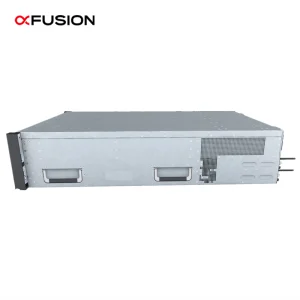
Maximizes spatial utilization within server cabinets, offering up to 4 sockets and 48 DDR4 DIMM slots in a single 2U chassis to streamline infrastructure overhead.
Proprietary DEMT algorithm monitors resource load dynamically, dynamically tailoring PSU phase operation to minimize thermal waste and drive down operational PUE.
Advanced FDM system proactively isolates hardware anomalies, providing warning events for memory, PCIe slots, and thermal limits before failure occurs.
Positioning V5 infrastructure within the evolving landscape of cloud-native and heterogeneous architectures.
While the server industry transitions towards PCIe Gen5, DDR5, and localized DPUs, the xFusion V5 platform remains a highly practical option for legacy-to-cloud migration and budget-optimized enterprise computing. The architecture is strategically positioned to bridge the gap between traditional monolithic application environments and modern containerized orchestration layers like Kubernetes.
Furthermore, our R&D roadmap focuses on extending the operational lifecycle of V5 platforms through targeted upgrades. This includes validating compatibility with larger capacity U.2 NVMe SSDs, implementing smart network interfaces (SmartNICs) that offload virtualization networking stacks from the primary CPU, and integrating upgraded BMC firmware to ensure modern security protocols (such as TLS 1.3 and advanced cipher suites) are supported across all legacy units.
As compute clusters move toward hybrid models, the V5 series stands out as an optimal candidate for bare-metal virtualization nodes, distributed storage hosts, and edge inferencing endpoints. Its compatibility with various operating systems, including Red Hat Enterprise Linux, SUSE, VMware vSphere, and various open-source hypervisors, ensures smooth integration into legacy enterprise domains.
How global enterprises employ V5 hardware configurations to resolve real-world deployment challenges.
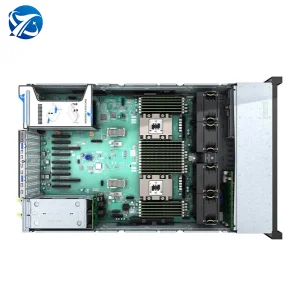
Large enterprise Resource Planning (ERP) platforms require massive memory capacity and low-latency storage. Deployments utilizing the **2488H V5 4-socket server** benefit from high-capacity memory footprints, enabling in-memory database acceleration (such as SAP HANA) that drastically improves transactional processing speeds and reduces batch execution times.
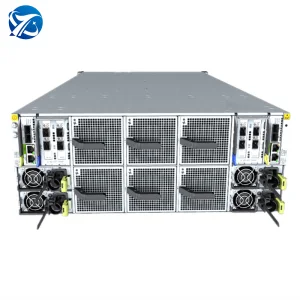
Leveraging hardware like the **G5200 V5 AI Data Server** allows cloud providers and AI research facilities to run compute-heavy model evaluations, neural network inference, and real-time smart city video analysis. By optimizing PCIe trace configurations, signal integrity remains high, ensuring zero packet loss during GPU-to-CPU communications.
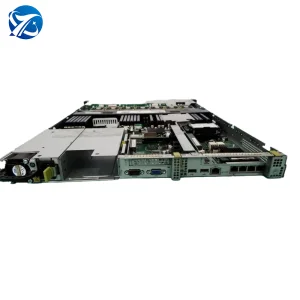
Cloud Service Providers (CSPs) manage compute allocation to maximize virtual machine density. Utilizing **1288H V5 1U dual-socket servers** enables cloud administrators to maximize core-to-rack ratio, significantly lowering datacenter real estate requirements and simplifying cooling dynamics across high-volume cabinets.
How Aivora Technology coordinates localized resources to deliver high-quality computing hardware globally.
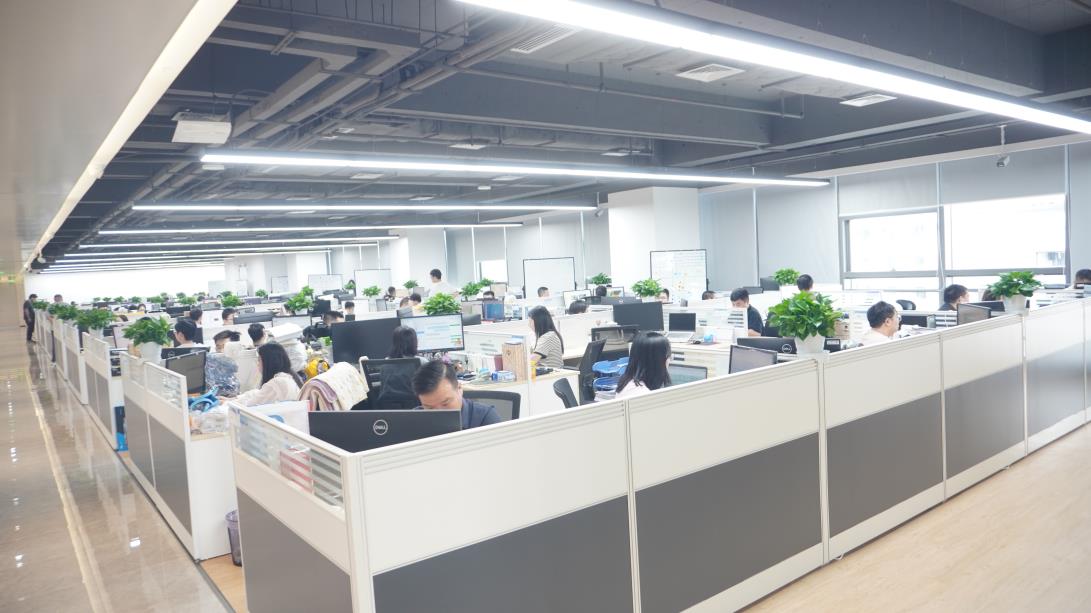
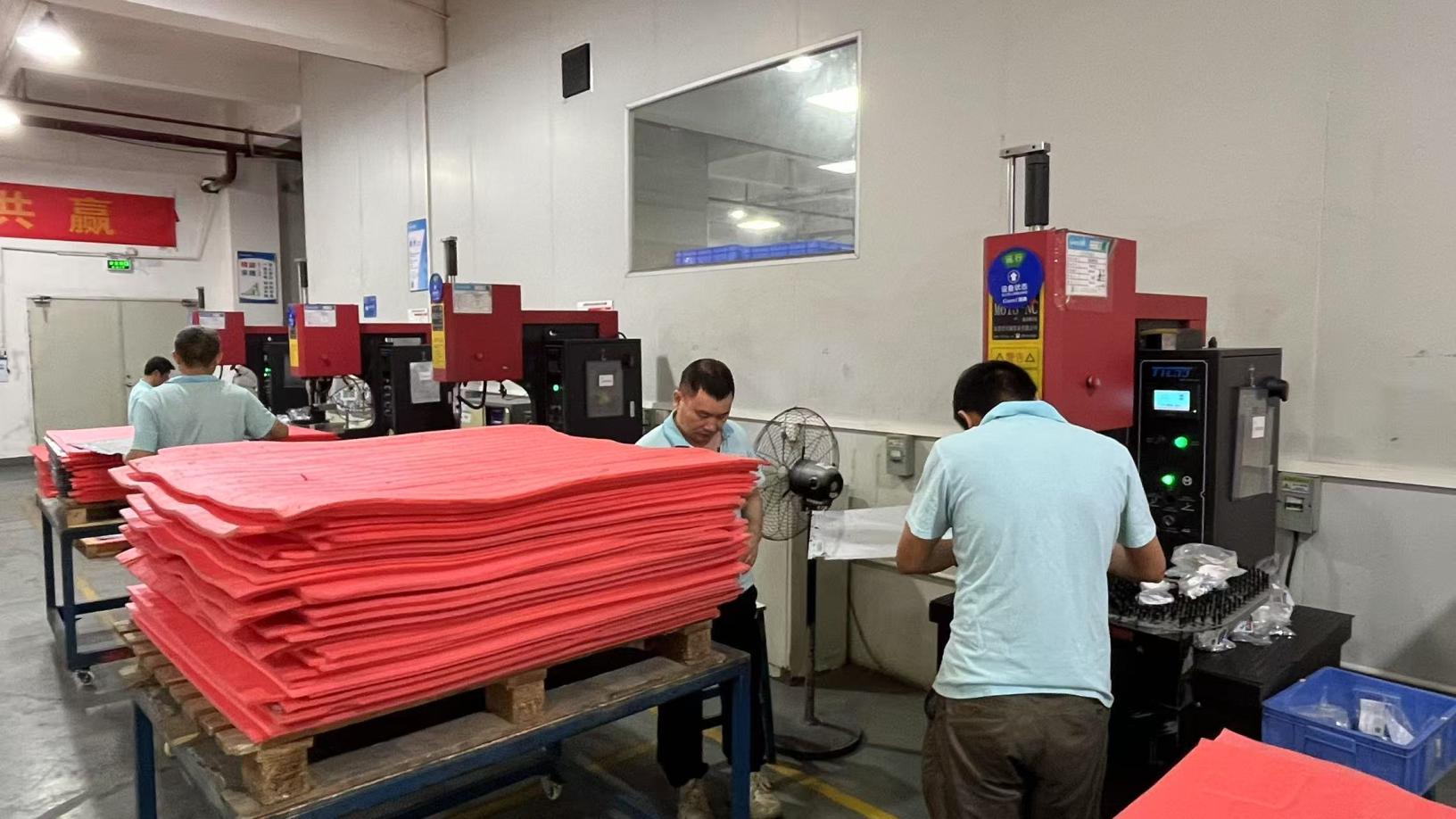
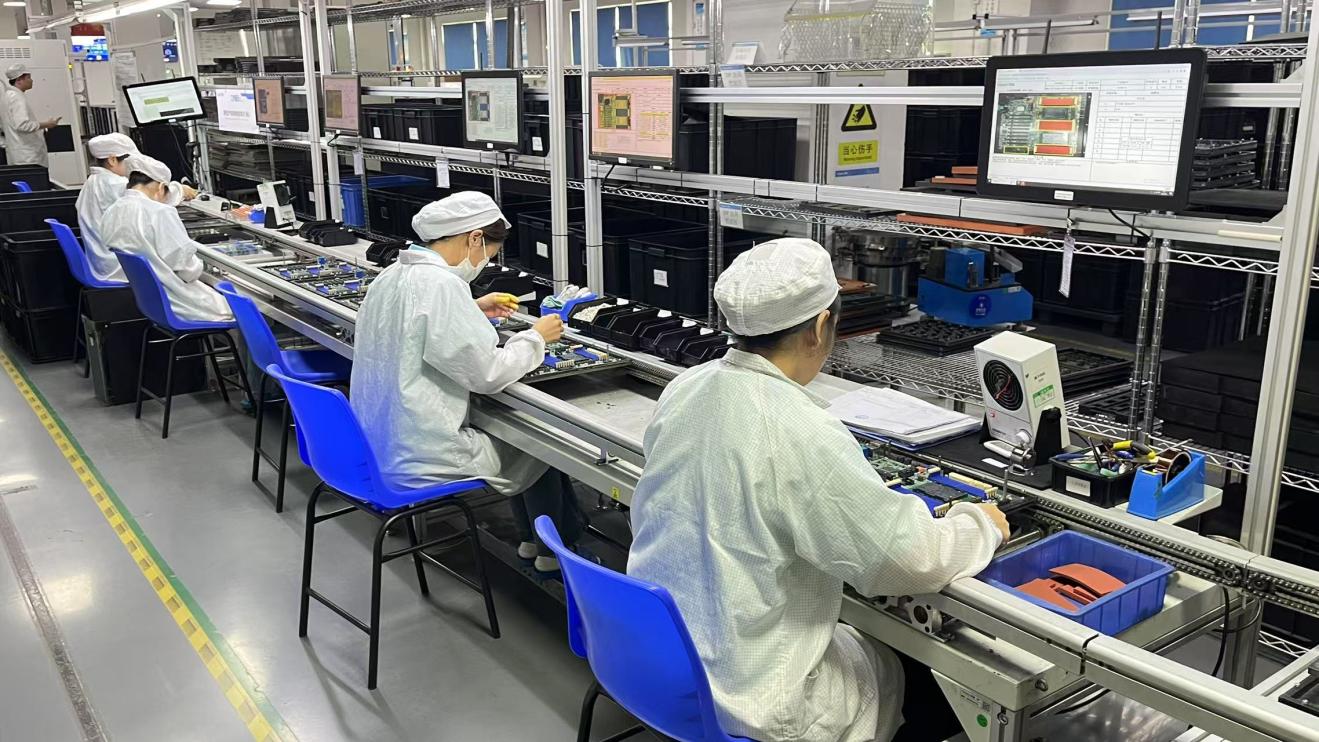
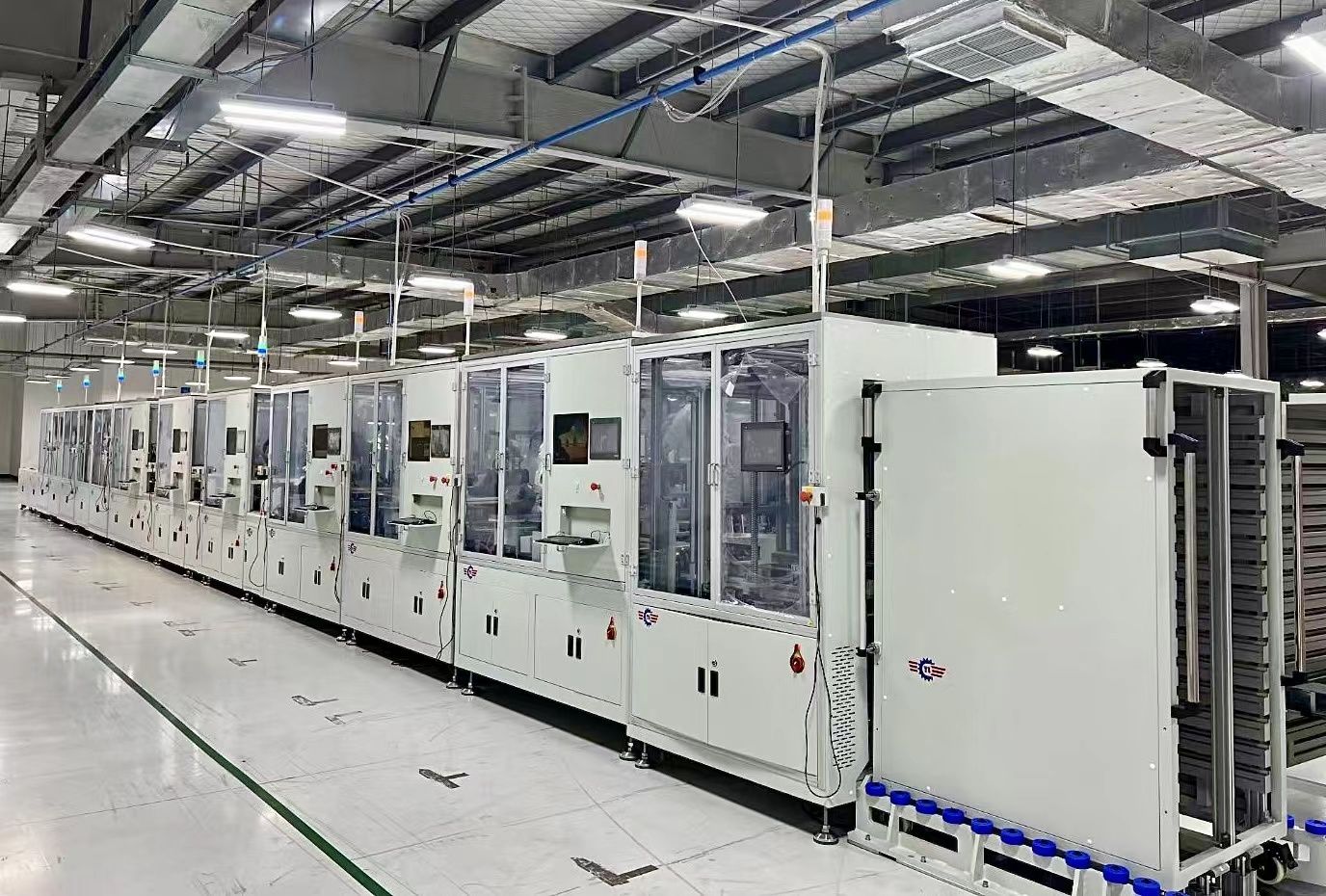
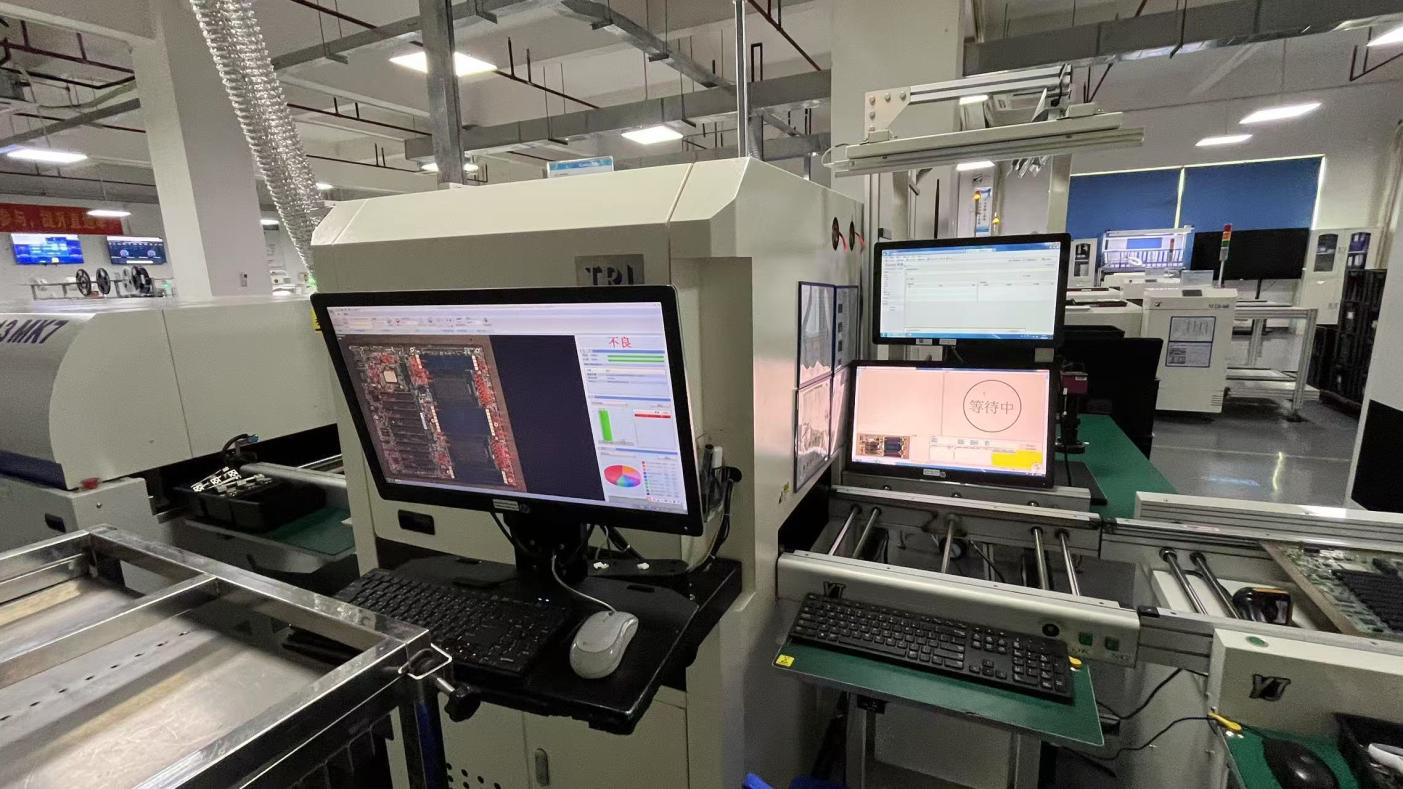
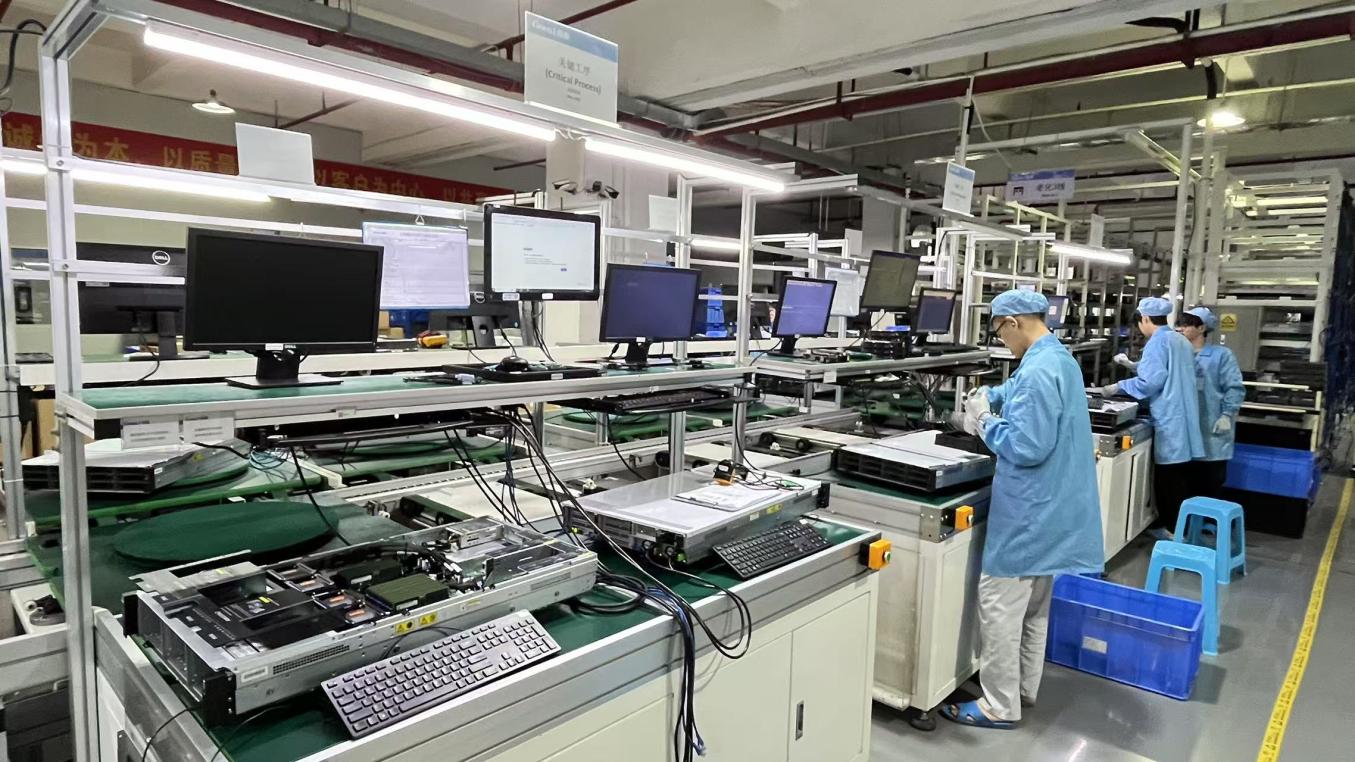
Established in 2018 in Shenzhen, China's premiere high-tech hardware hub, Aivora Technology Co., Ltd. integrates regional manufacturing advantages to build scalable compute platforms. Located within a modern facility, we operate structured assembly, testing, and system integration lines configured to produce highly customized rack server solutions.
Our manufacturing ecosystem is supported by close collaborations with over **1,250 certified supply chain partners**. This extensive network ensures access to high-quality components—ranging from high-end multi-layer PCBs and copper heat pipe assemblies to power supply units and chassis hardware—even during periods of global component volatility. Our logistics framework ensures that standard server configurations can be assembled, validated, and shipped on short lead times.
Quality is central to our production philosophy. Every server undergoes a rigorous inspection protocol overseen by our **46 experienced quality control technicians**. Each system undergoes testing including:

Navigating international import guidelines, hardware customizations, and enterprise SLAs.
Managing international procurement of server infrastructure requires careful coordination. Organizations must evaluate trade compliance, localized power standards, and transportation logistics. With **over 8 years of export experience** and **annual export revenues exceeding USD 18 million**, Aivora guides global enterprise buyers, system integrators, and distributors through the procurement process.
We provide comprehensive **OEM and ODM services**, utilizing our 128 R&D engineers to support hardware customization:
Expert answers addressing the primary concerns of infrastructure architects and purchasing agents.