Aivora
Aivora
Aivora
Pre-configured GPU platforms optimized for deep learning models, local LLM fine-tuning, and intensive workload acceleration.
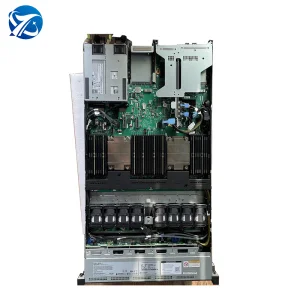
Austria is undergoing a profound structural shift in how enterprise computing is designed and deployed. In alignment with the Austrian AI Strategy (AIM AT 2030) and the European Union’s focus on technological sovereignty, Austrian enterprises, universities, and government research centers are rapidly pivoting away from absolute reliance on public cloud hyper-scalers. This migration is fueled by three core imperatives: data privacy compliance under GDPR, strict adherence to the upcoming European AI Act, and the pressing need to reduce the high operational latencies and costs associated with training proprietary models off-site.
The geographical hotspots of Austria's industrial and tech economy are actively driving these deployments. From the smart energy clusters in Vienna to the heavy manufacturing and metalworking giants in Upper Austria (Linz, Wels, Steyr), and the automotive powerhouse hubs in Styria (Graz), high-performance AI computing is no longer a peripheral experiment. It is now the baseline operational infrastructure. Designing systems capable of processing workloads locally at the edge or within colocation centers throughout Austria requires a deep understanding of server layout, thermal efficiency, and high-bandwidth interconnectivity.
As an advanced GPU hardware partner, Aivora Technology Co., Ltd. supplies modular, custom-engineered AI servers to system integrators and enterprises across Austria. By bridging the gap between cutting-edge chip architecture and locally serviceable configurations, we empower Austrian institutions to run low-latency applications, process high-density sensor grids, and run complex Large Language Models (LLMs) like DeepSeek-R1 inside their own firewalls.
To understand the hardware requirements in the Austrian market, one must look at the specific commercial environments deploying GPU and high-performance computing (HPC) nodes:
These distinct commercial sectors demand specialized physical infrastructure. For example, local deployments in Vienna’s municipal data centers operate under tight energy efficiency indices. Under local green building initiatives and rising electricity tariffs, server PUE (Power Usage Effectiveness) must be minimized. Our xFusion and Dell-based systems are selected specifically for their intelligent power management, highly efficient power supply units (PSUs) with 80 Plus Platinum and Titanium certifications, and multi-zone thermal fans that match cooling patterns directly with computational load.
Providing Austrian businesses with custom-tailored, thoroughly tested, and certified hardware directly from our advanced facilities.
Years Industry Experience
R&D Engineers
Supply Chain Partners
QC Inspectors
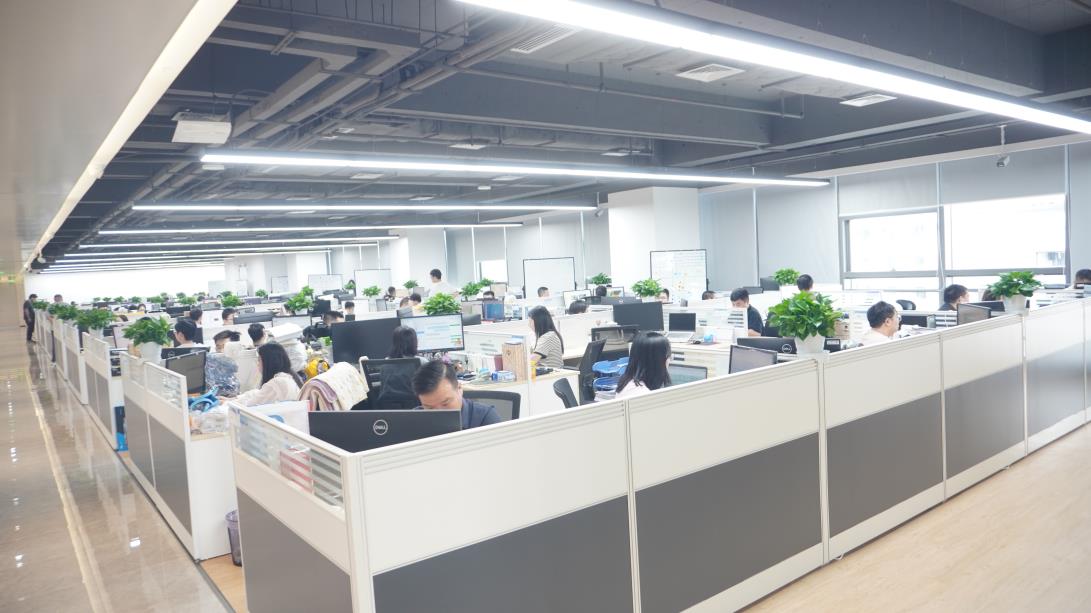
At Aivora, we understand that off-the-shelf options rarely satisfy the specific performance profiles required by complex corporate deployments. With over 14 years of enterprise hardware experience and an annual export volume exceeding USD 18 million, we have structured our engineering pipelines to facilitate seamless custom integrations.
Excellent multi-GPU compatibility, robust computing density, and redundant power architecture for business continuity.
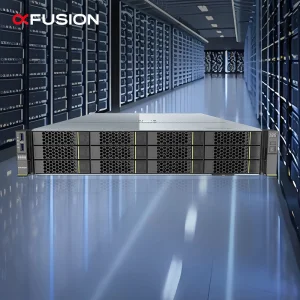
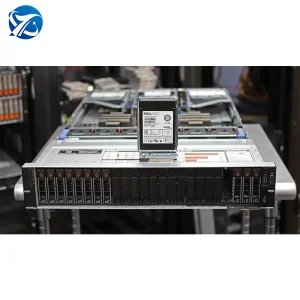
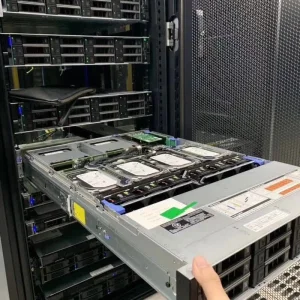
Selecting the correct AI server configuration requires mapping physical hardware attributes to the computing workload. A typical bottleneck in modern neural network training is not the raw FLOPS of the GPU but the data transit capability between the processor, system memory, and storage drives. Austrian datacenters, particularly those running multi-tenant Kubernetes clusters or bare-metal hypervisors, require balanced architectures:
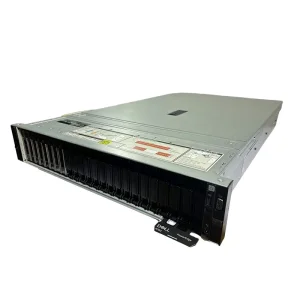
In configurations utilizing Intel Xeon Scalable Processors or AMD EPYC processors, the allocation of PCIe lanes is paramount. For high-velocity AI inference, servers must support multiple dual-width accelerator cards without down-negotiating PCIe lane speeds. Our 2U architectures, such as the Dell PowerEdge R7625 and xFusion 2288H V7, maintain direct connections from the CPU sockets to PCIe Gen 5 expansion risers, ensuring maximum throughput.
| Infrastructure Category | Recommended Architecture | Key Component Configuration | Target Austrian Use Case |
|---|---|---|---|
| HPC & LLM Training | 4U/8U Multi-GPU Server (HGX/NVLink) | Dual AMD EPYC 9654, 512GB DDR5, 8x NVMe SSDs | Vienna University clusters & national supercomputing nodes |
| Enterprise Inference | 2U Dual-Socket Rack Server | Intel Xeon Gold/Platinum, PCIe Gen5 slots, high-speed RAM | Local banking risk models & public sector services |
| Edge Analytics & Vision | 1U/2U Ruggedized Nodes | Single Xeon/EPYC, low TDP, multi-channel PCIe 4.0/5.0 | Linz smart factory production lines & automated sorting |
Training modern deep learning frameworks, including custom DeepSeek or LLAMA architectures, requires constant data shuffling. A server configured with slow storage arrays will leave expensive GPUs idle. This is why our designs prioritize solid-state storage arrays connected via NVMe over PCIe. With read speeds exceeding 7000 MB/s, data is streamed directly into GPU memory via GPUDirect Storage technology, bypassing the CPU bottlenecks entirely.
Austria's Federal Energy Efficiency Act (Bundes-Energieeffizienzgesetz) places strict reporting mandates on energy-intensive corporate environments. Because AI computations are notoriously power-hungry, companies must consider the overall power draw of their compute centers. Selecting servers with high efficiency curves is key:
By selecting hardware that natively complies with OCP (Open Compute Project) parameters and contains highly modular thermal blocks, companies can comfortably scale their physical compute footprint without violating municipal carbon caps or running into utility limits.
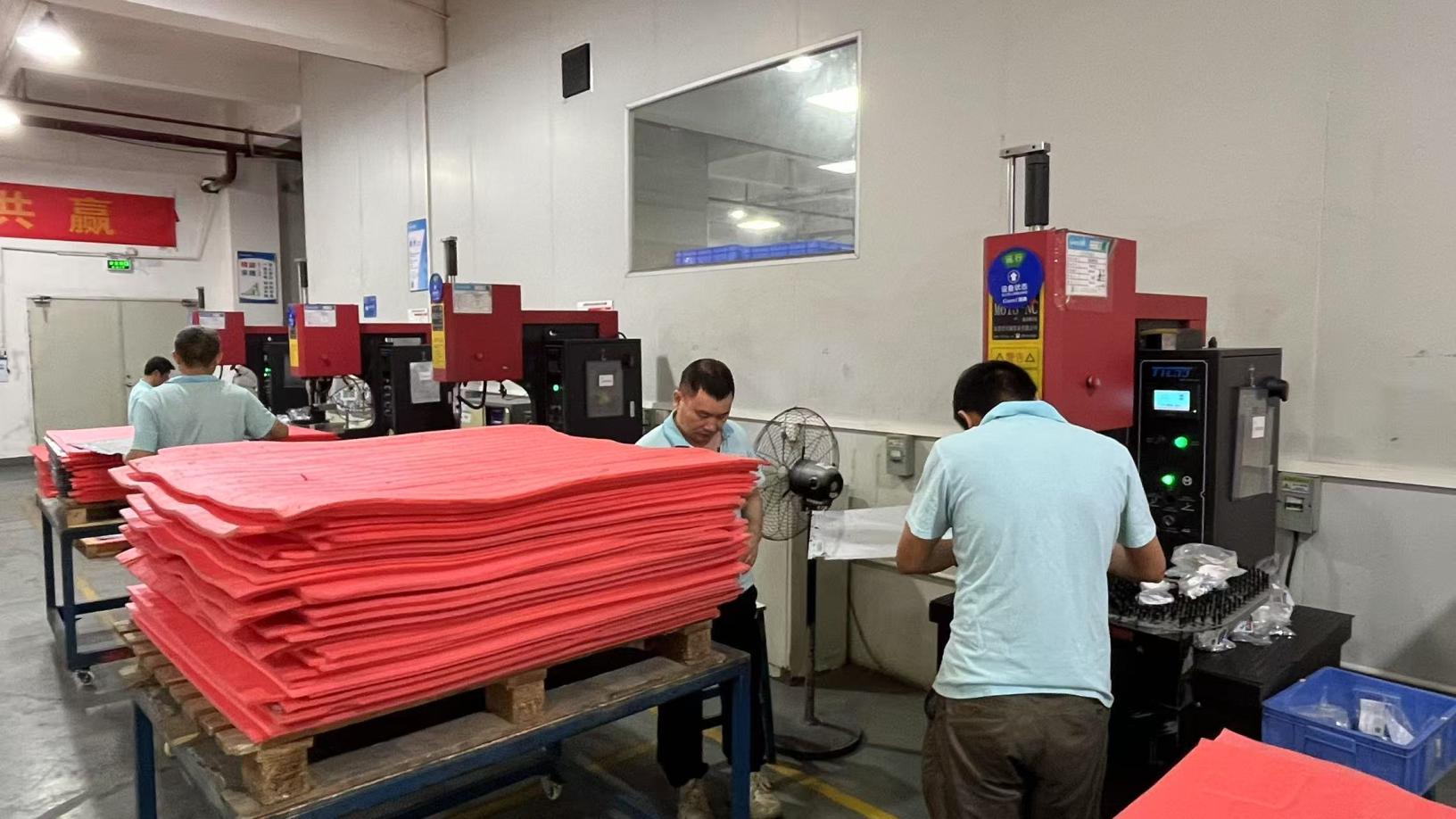
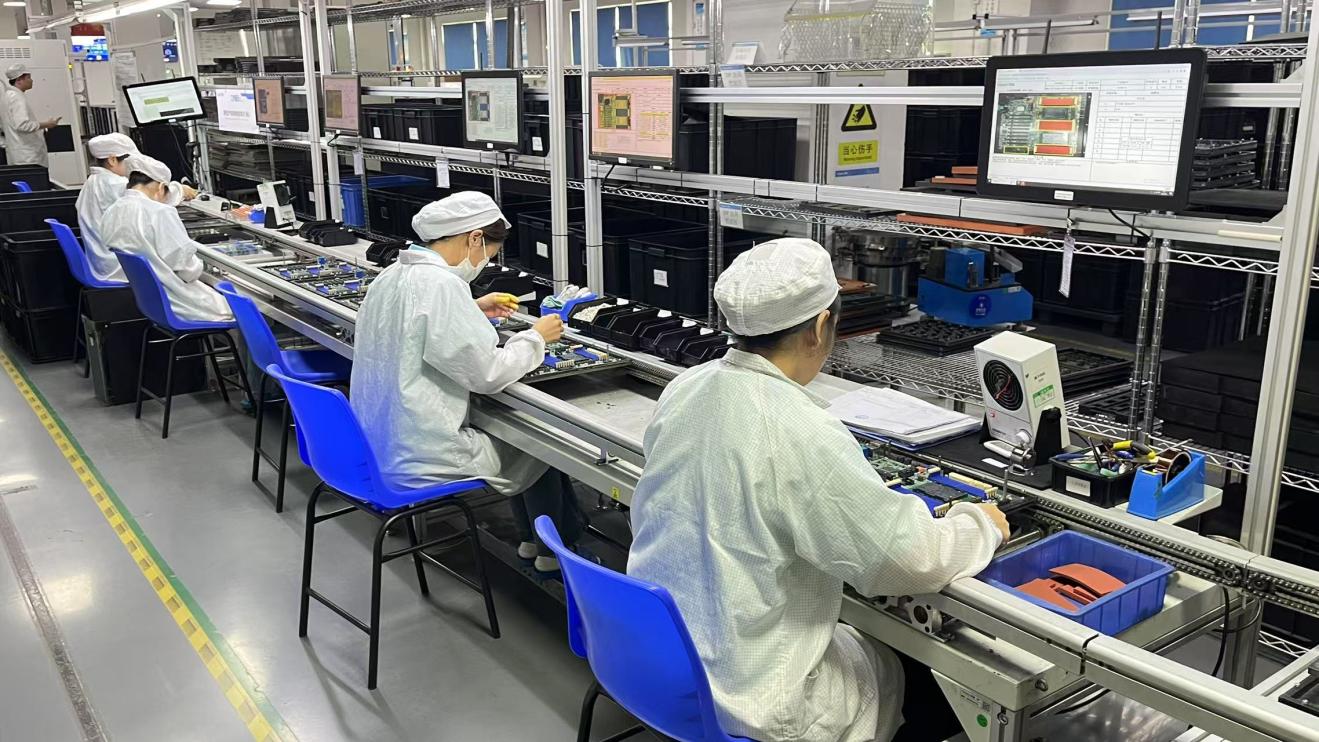
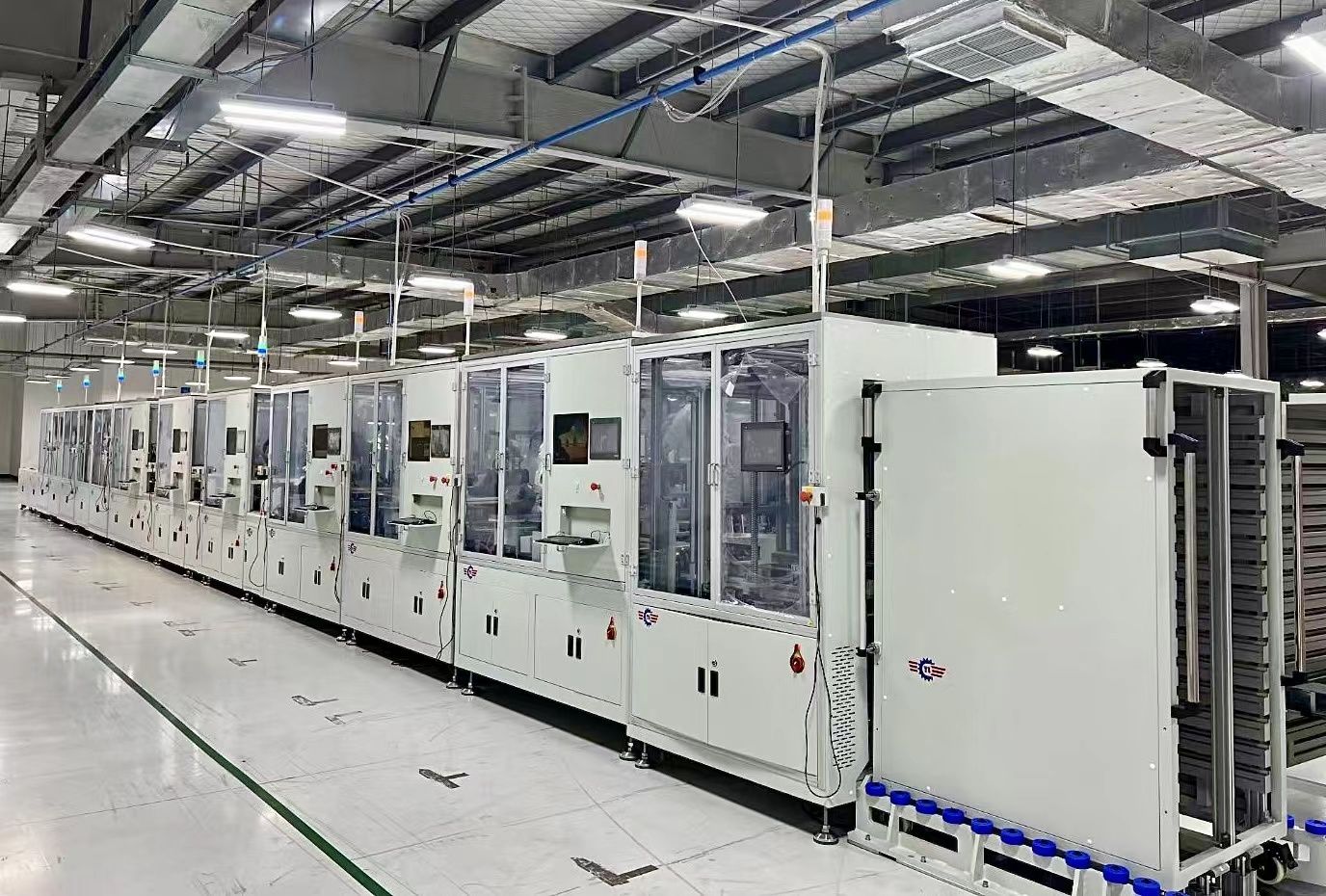
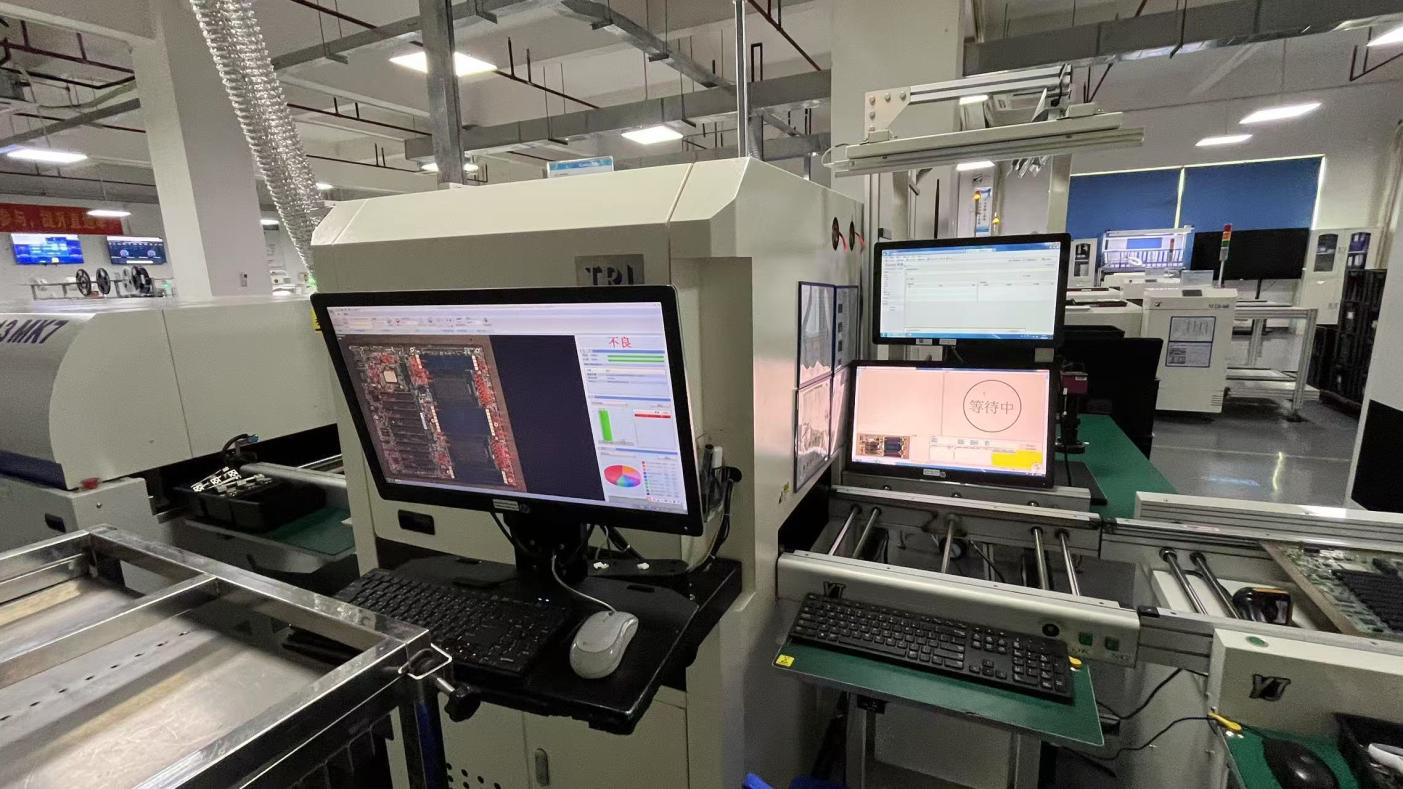
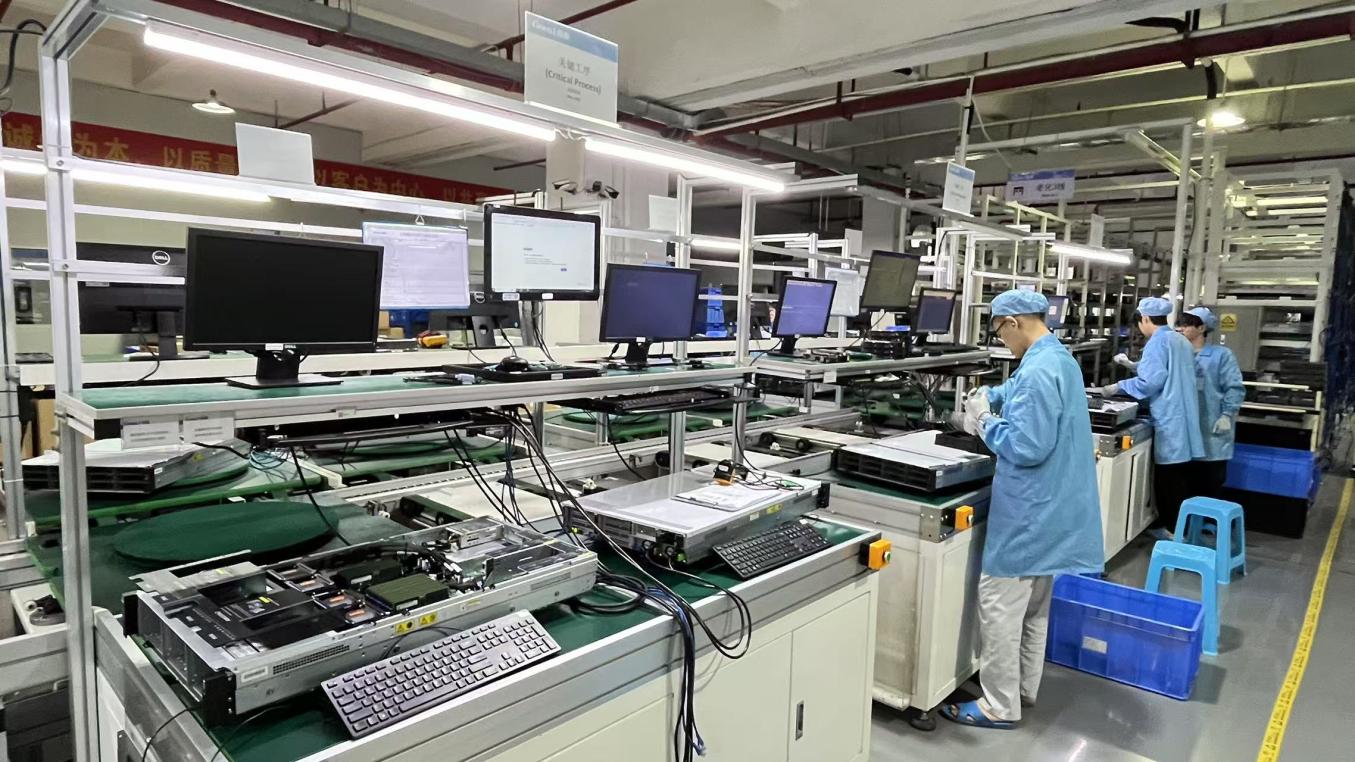
Every chassis, motherboard, and card undergoes extensive physical and environmental load testing before dispatch.

Compliance is a primary purchase driver in Austria. Organizations handling public, medical, or consumer-related datasets face strict regulatory oversight. Processing sensitive metrics on cloud resources outside European borders introduces massive compliance overhead and legal risk under GDPR. The European AI Act categorizes applications based on risk, with strict compliance audits mandated for high-risk AI deployments (such as automated credit scoring, critical infrastructure management, and biometrics).
Deploying dedicated hardware locally allows Austrian businesses to enforce absolute data confinement. When servers are physically housed within Austria or in certified EU-based colocation centers, the data pipeline is fully traceable and auditable.
Modern AI servers from Aivora implement advanced security layers directly within the hardware architecture:
Select from our certified catalog of high-compute systems, tailored and shipped with full local integration options for Austria.
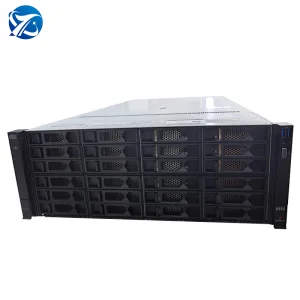
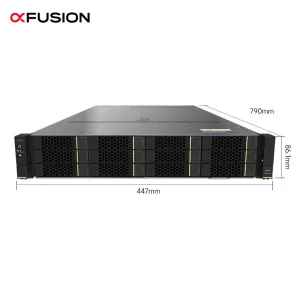
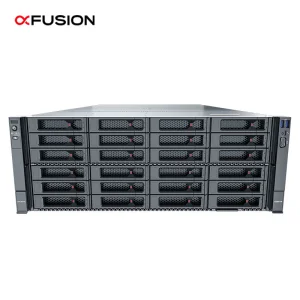
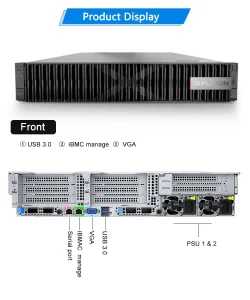
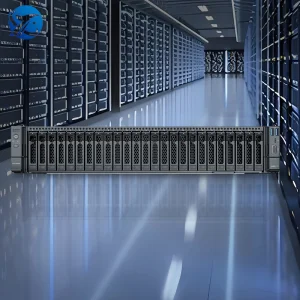
Whether you are setting up a private cloud in Vienna, a smart manufacturing cluster in Linz, or conducting autonomous systems research in Graz, our engineering team is here to assist with tailored server builds.
Send Inquiry Now