Aivora
Aivora
Aivora
The global datacenter architecture is undergoing an unprecedented transition driven by generative AI models, deep learning networks, high-performance computing (HPC), and localized data processing. Server hardware components—ranging from raw printed circuit board assemblies (PCBAs) and specialized high-speed bus interfaces to server chassis, complex cooling blocks, and GPU enclosures—are the foundation of this digital shift. Finding a top-tier manufacturer is no longer just a purchasing task; it is a vital strategy for supply chain security.
In this high-stakes landscape, selecting a tier-1 server components factory requires evaluating complex technical capabilities, strict quality assurance standards, and design flexibility. Standard server structures are giving way to custom-engineered, application-specific designs. Large language model (LLM) training networks, deep learning environments, and edge computing operations all require server components built to withstand extreme thermal stress, deliver high signal integrity, and ensure continuous performance under heavy workloads.
Enterprise data centers require a careful balance of high throughput, thermal control, and cost-effective scaling. Working with specialized manufacturing facilities like Aivora Technology Co., Ltd. allows organizations to source high-grade components that meet strict international standards, ensuring stability under continuous, complex workloads.
System architects and enterprise procurement teams must look beyond standard pricing sheets when evaluating potential partner factories. A truly reliable server component facility stands out through several core capabilities:
Modern servers utilize PCIe Gen 5.0 and Gen 6.0 high-speed buses. Processing high-frequency signals demands sub-millisecond precision, requiring factories to use specialized materials (like low-loss Rogers or Megtron 6/7) and advanced, multi-layer high-density interconnect (HDI) PCB processes.
As modern CPU and GPU thermal design power (TDP) passes 350W and 700W respectively, air cooling alone is no longer enough. Leading factories must offer liquid-cooling components, vapor chambers, direct-to-chip liquid cold plates, and leak-free quick disconnect fittings.
Top-tier components factories utilize advanced automated optical inspection (AOI), in-circuit testing (ICT), X-ray solder verification, and extended burn-in testing under thermal strain to eliminate early component failures and ensure reliability.
Aivora Technology Co., Ltd. is a professional AI server manufacturer dedicated to delivering high-performance GPU server solutions, AI computing infrastructure, and customized data center systems for customers worldwide. Established in 2018, the company has rapidly grown into a trusted partner for enterprises, cloud service providers, AI startups, research institutions, and system integrators seeking reliable and scalable AI computing platforms.
Located in Shenzhen, China, Aivora operates a modern manufacturing facility covering 386 square meters and integrates advanced production, testing, and quality management systems to ensure consistent product performance and reliability. With over 8 years of export experience and 14 years of industry expertise, we have successfully served customers across North America, Europe, Southeast Asia, the Middle East, and South America.
Our product portfolio includes AI training servers, AI inference servers, GPU workstations, edge AI servers, HPC servers, storage servers, and customized rack-level solutions. Leveraging strong R&D capabilities, we provide flexible OEM and ODM services, supporting hardware customization, chassis design, GPU configuration, branding, and system integration according to specific project requirements.
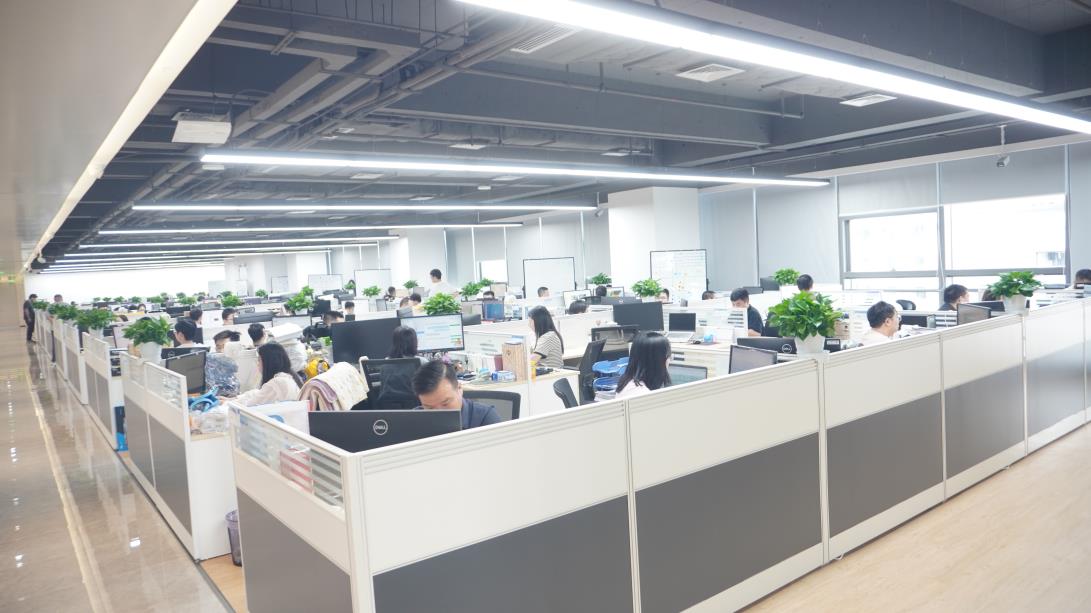
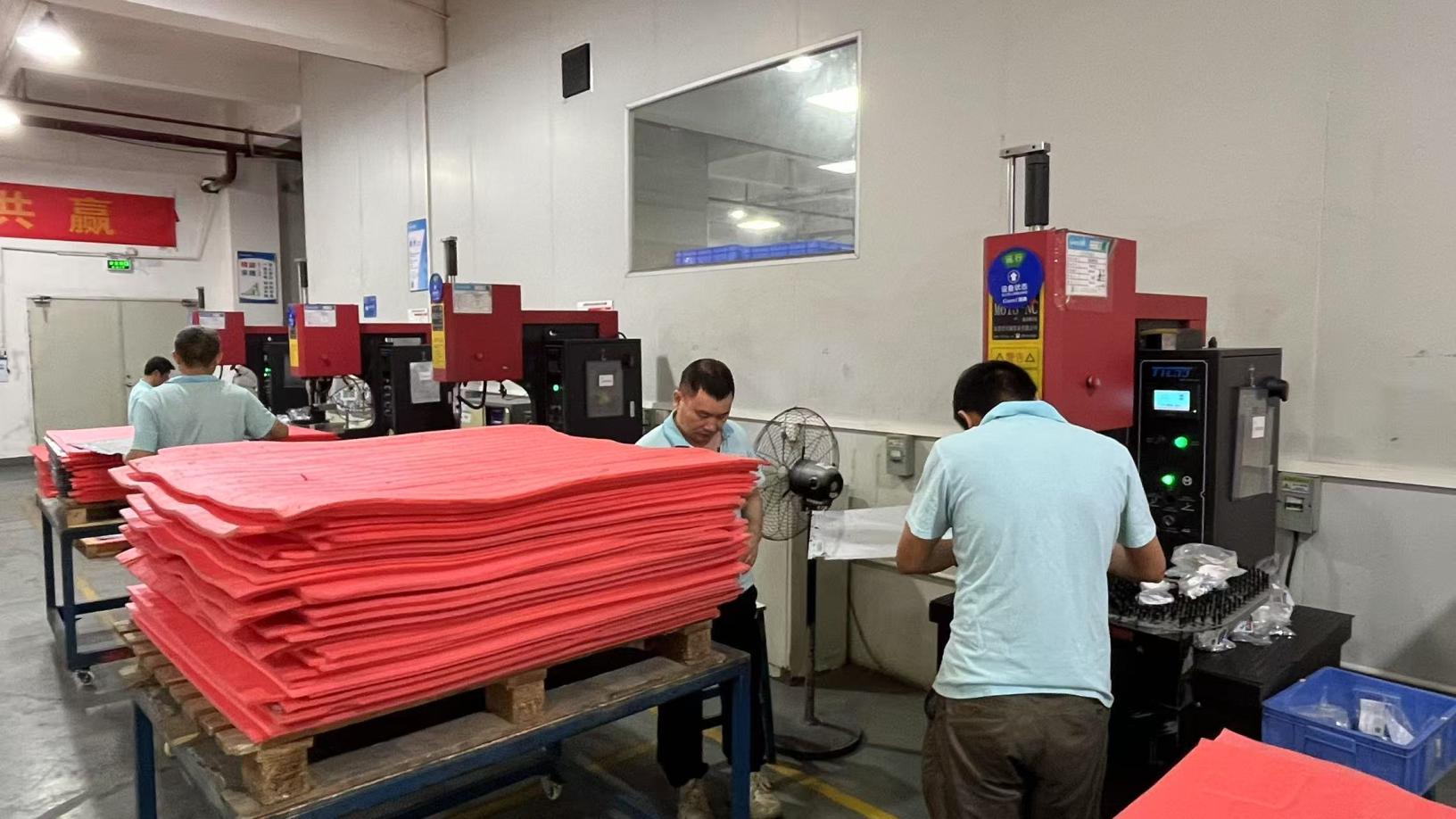

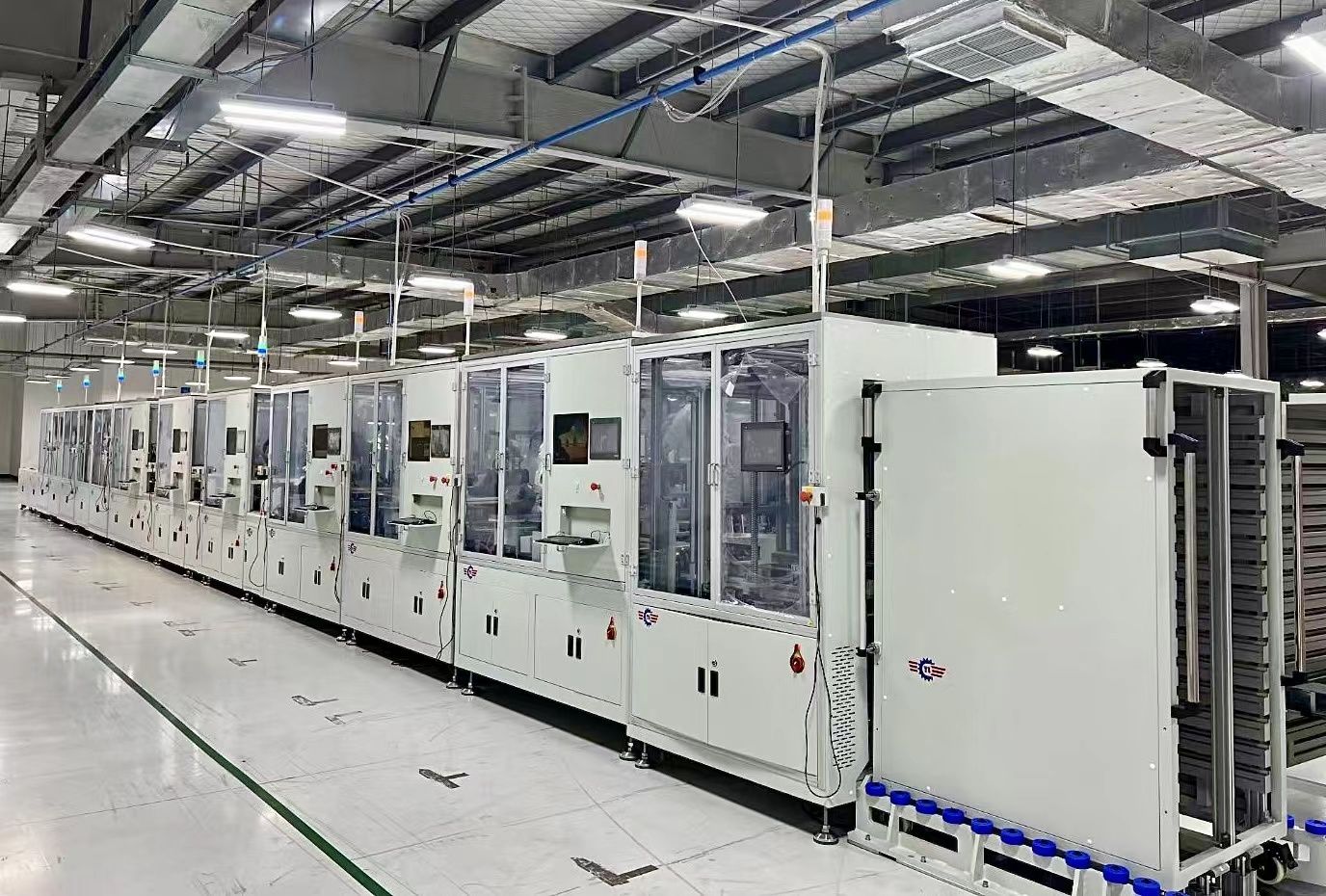
Quality is at the core of our operations. Every product undergoes comprehensive quality inspections, including component verification, system integration testing, burn-in testing, thermal performance evaluation, power consumption testing, and final functional validation before shipment. Our quality control team consists of 46 experienced inspectors who ensure every system meets international quality standards and customer specifications.
Aivora maintains close cooperation with more than 1,250 supply chain partners, enabling efficient sourcing, stable production, and rapid delivery of high-performance computing solutions. Supported by a team of 128 R&D engineers, we continuously innovate and introduce new technologies to meet the rapidly evolving demands of artificial intelligence and data-intensive applications. In the past year alone, we successfully launched 186 new products and solution variants.

The global sourcing landscape for server components is highly concentrated but expanding. Enterprise buyers, global cloud service providers (Hyperscalers), and specialized systems integrators look to key manufacturing hubs—particularly Shenzhen, Taiwan, and parts of Southeast Asia—to build complex processing hardware. These regions offer mature component ecosystems, skilled workforces, and efficient supply chain logistics.
However, recent global disruptions have emphasized the need for supply chain resilience. Buyers are shifting from a "just-in-time" procurement model to a "just-in-case" strategy. This approach relies on multi-vendor sourcing and working with manufacturers that maintain strong, direct relationships with component suppliers. By coordinating with over 1,250 upstream and downstream partners, factories can mitigate lead-time risks and secure essential parts like PMICs, memory chips, high-speed connectors, and silicon substrates even during supply crunches.
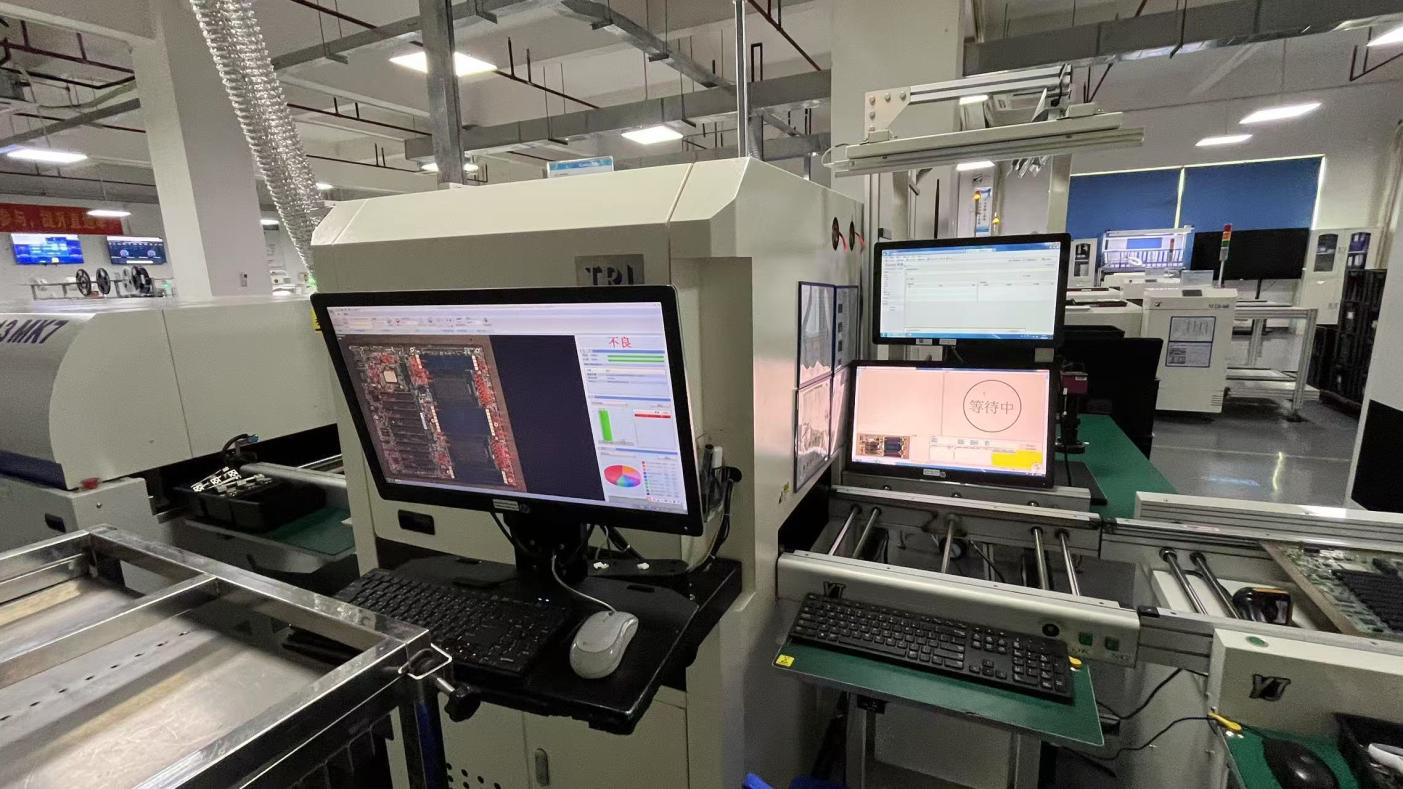
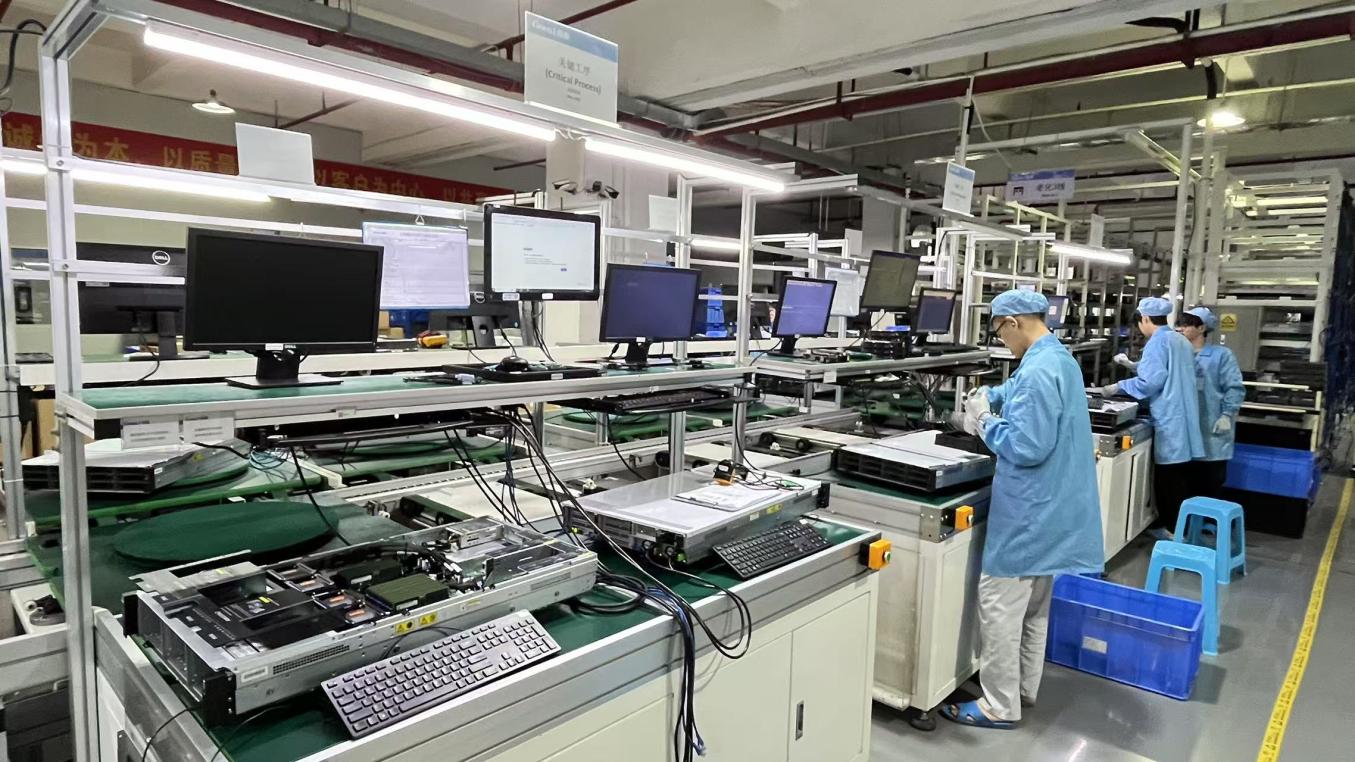
High-performance computing demands strict quality control. Modern server components must pass multi-stage testing to ensure stability in the field. When choosing a component manufacturer, verify that their testing procedures include:
As computing requirements continue to scale, server component engineering is adapting to support several key technical advancements:
| Architecture Subsystem | Current Standards (Legacy) | Emerging Standards (Next-Gen) | Impact on Component Factories |
|---|---|---|---|
| Memory Architecture | DDR4 ECC (up to 3200 MT/s) | DDR5 Registered DIMM (up to 6400+ MT/s) | Requires upgraded trace layout routing and power-management ICs (PMICs) directly on the memory module. |
| PCIe Bus Speed | PCIe Gen 4.0 (16 GT/s per lane) | PCIe Gen 5.0 / Gen 6.0 (up to 64 GT/s) | Requires ultra-low-loss PCB laminates and precise signal repeaters/redrivers to prevent signal loss. |
| Thermal Solutions | Traditional Forced-Air Fan Arrays | Direct-to-Chip Liquid Plates & Immersion | Demands high precision in manufacturing cold plates, fluid manifolds, and leak-detection circuits. |
| AI Accelerators | PCIe Slot Form-Factor GPUs | OAM (OCP Accelerator Module) / SXM Co-Processors | Requires heavy duty, high-density power delivery components and complex multi-layer bus structures. |
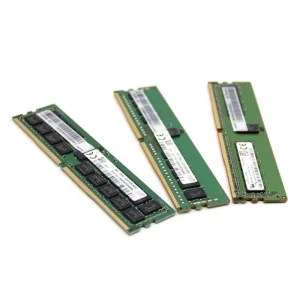
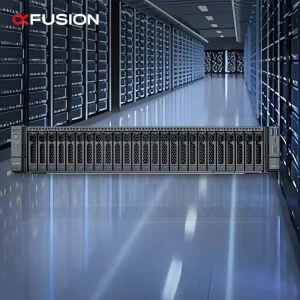
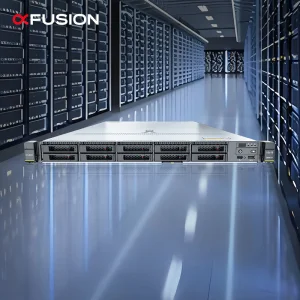
The transition from DDR4 memory (such as the XFusion DDR4 RDIMM 16GB/32GB/64GB series) to high-speed DDR5 modules is crucial for unlocking the processing power of modern server chips like Intel Xeon 6 and AMD EPYC. While DDR4 operates at lower baseline frequencies and relies on the motherboard for power routing, DDR5 shifts power management directly to the module using onboard PMICs. This change reduces power losses, allows for independent channel control, and significantly increases overall bandwidth—making it vital for high-density virtualized systems and large-scale AI applications.
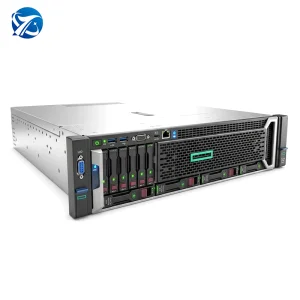
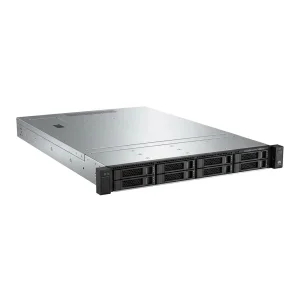
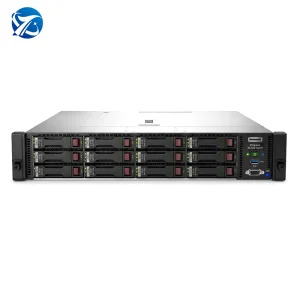
As computing density in data centers increases, heat generation makes traditional air cooling less practical. Standard 1U server chassis struggle to cool high-density configurations (like the HPE DL360 Gen12 with liquid cooling) using only airflow. Direct-to-chip liquid cooling systems bypass this limitation by routing coolant directly across CPUs and GPUs, removing heat much more efficiently. This approach enables data centers to run denser server configurations, reduce energy spent on cooling fans, and operate at lower Power Usage Effectiveness (PUE) ratings.
To maximize return on investment, infrastructure teams must match server hardware to their specific computational workloads. Sourcing components from a custom-capable factory allows you to tailor systems for specialized use cases:
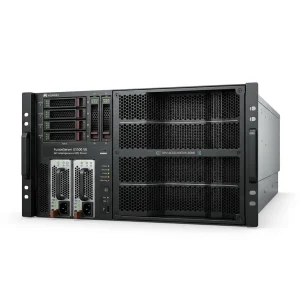
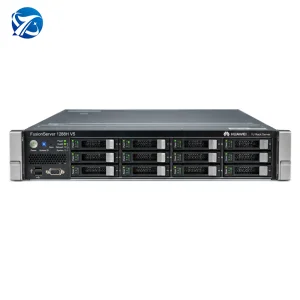
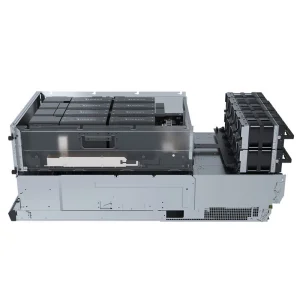
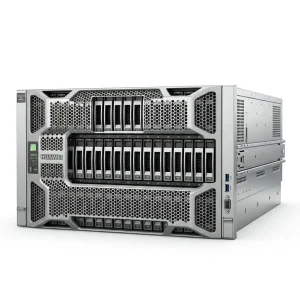
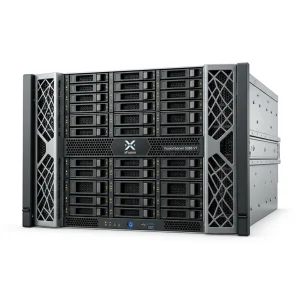
Workloads like training large language models require heavy multi-GPU systems (such as the FusionServer G5500 V6/V7 and G8600 V7 platforms). These platforms need robust 4U chassis structures, high-efficiency power units (with N+N redundancy), and optimized PCIe switching topologies to handle massive data transfer rates.
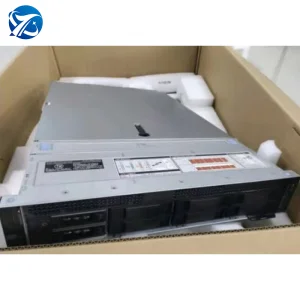
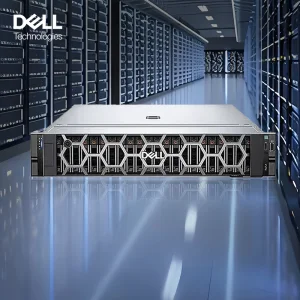
Inference environments focus on low latency and power efficiency rather than raw compute scale. Compact 1U architectures (such as the HPE DL360 Gen12 or Dell R360) are designed for edge nodes, local offices, and distributed computing setups where physical space is limited.
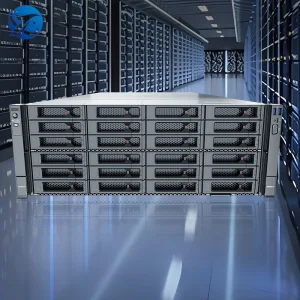
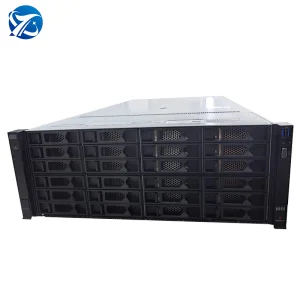
Managing big data analytics, distributed databases, and cold storage requires high-capacity drive layouts. Platforms like the 4U FusionServer 5288 V7 provide the drive bay density and high-throughput controller connections needed for scalable storage infrastructure.
When working with a specialized server manufacturer like Aivora, customers can choose between OEM (Original Equipment Manufacturer) services, which allow rebranding established hardware configurations, and ODM (Original Design Manufacturer) services, which support designing completely custom chassis, internal circuitry, and specialized power systems from the ground up.