Aivora
Aivora
Aivora
Select hardware platforms optimized for secure ledger computing, artificial intelligence risk modeling, and cryptographic acceleration.
Deploying High-Availability Compute Nodes to Meet PCI-DSS Standards and Secure Real-Time Financial Transactions.
Modern payment processing systems demand infrastructural architecture that matches the scale, speed, and safety of global banking. At the foundation of every major acquiring bank, payment gateway, and clearinghouse lies physical hardware engineered to manage millions of concurrent cryptographic and input/output procedures. As transaction volumes surge via mobile commerce, cross-border tokenized networks, and digital ledgers, standard consumer-grade servers fall far short. System architects require enterprise-class infrastructure that guarantees zero database latency, complete hardware-enforced isolation, and continuous uptime.
As a leading designer and builder of high-density AI servers and computing arrays, Aivora Technology Co., Ltd. addresses the fundamental performance challenges facing global financial platforms. Our hardware portfolios — ranging from dual-socket multi-core servers to multi-node GPU systems — supply the raw transactional processing capacity, local NVMe storage arrays, and network throughput needed to manage workloads securely. Operating from Shenzhen, China, we combine the engineering expertise of modern AI server components with strict manufacturing standards to deliver reliable physical infrastructure that powers today’s global financial operations.
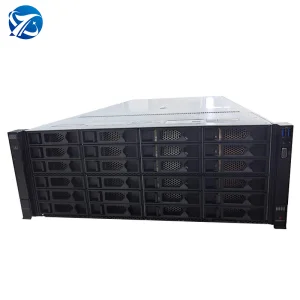
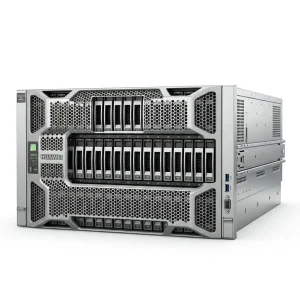
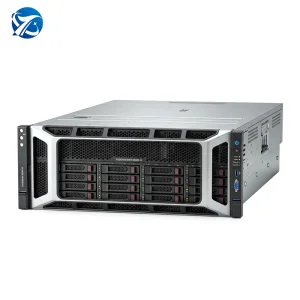
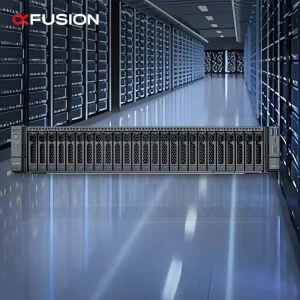
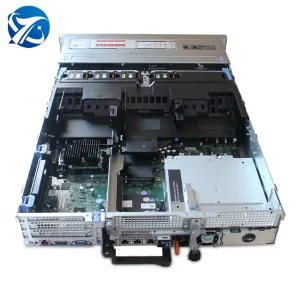
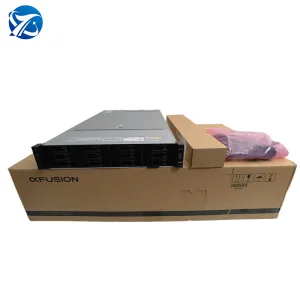
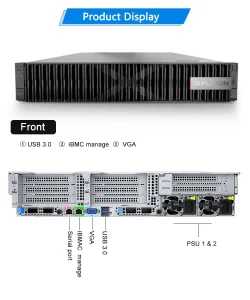
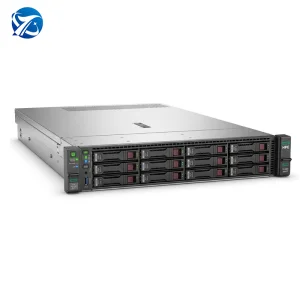
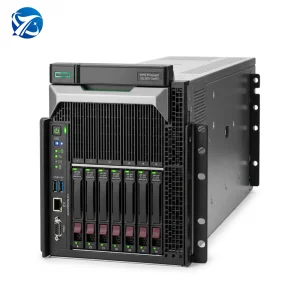
Every step in a financial transaction, from point-of-sale decryption to bank authorization, must operate under a secure compute environment. High-performance processors, paired with robust hardware security modules (HSMs) and secure system memory, protect client payment card details. By deploying specialized rack configurations such as the FusionServer 2288H V5 or HPE ProLiant DL380 Gen12, operators can run dual-socket computing environments with complete hardware isolation, hardware-enforced root of trust, and reliable RAID structures to prevent database loss.
A professional AI server manufacturer dedicated to delivering high-performance GPU server solutions, AI computing infrastructure, and customized data center systems for customers worldwide.
Location: Shenzhen, China
Facilities: 386 sq. meters specialized validation facility
Experience: 8+ Years Export / 14+ Years Industry Expertise
Global Operations: North America, Europe, Southeast Asia, Middle East, South America
Explore the technical shifts driving hardware design in payment gateways and commercial banking systems.
Modern financial networks analyze transaction authenticity in less than 50 milliseconds. By leveraging high-density computing platforms, such as the AI Inference G5200 V5 GPU Server, acquirers run real-time classification models. These systems flag fraud risks at checkout by parsing past buyer behavior, biometric patterns, and geographic coordinates.
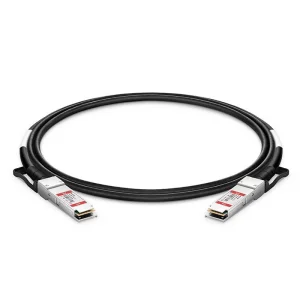
As commercial platforms shift to distributed cloud microservices, network latency becomes a major bottleneck. Integrating reliable network interfaces, like QSFP+ 10G High-Speed Direct-Attach Cables, ensures core switchboards transfer ledger data with minimal latency, avoiding transaction drops and checkout delays.
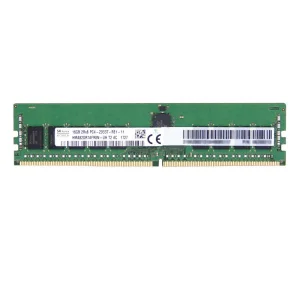
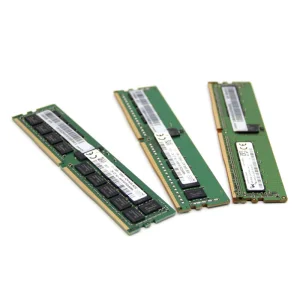
Clearing platforms deal with immense, concurrent transactional writes. Enterprise architectures rely on high-capacity memory solutions, such as XFusion RDIMM DDR4 3200MHz Server Memory, to maintain transactional logs in-memory. This prevents hard disk latency spikes and guarantees data consistency.
Deciphering critical design constraints, storage configurations, and system stability expectations for global buyers.
Procuring server infrastructure for payment operations requires a deep understanding of hardware reliability metrics. System architects evaluate systems based on mean time between failures (MTBF), compute density per rack unit, power supply unit (PSU) redundancy, and drive array protection. A single minute of card gateway downtime can cost global processing networks millions in lost fees and penalties. As a result, global procurement strategies are prioritizing enterprise-grade setups over generic hardware.
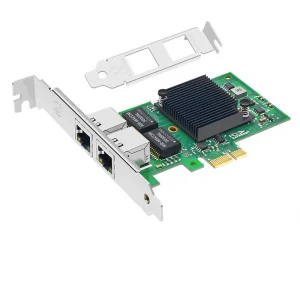
In terms of storage, the use of advanced storage arrays configured with hardware RAID controllers, such as the XC170-M-8i RAID Card, is standard practice. These specialized controllers ensure write operations are committed to physical drives even during system crashes, preserving crucial log histories. Furthermore, redundant power supplies (like the 800W PSU configuration found in the Dell PowerEdge R960) protect the server from localized electrical faults, keeping critical workloads active.
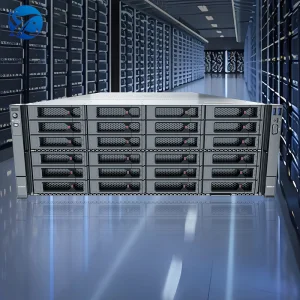
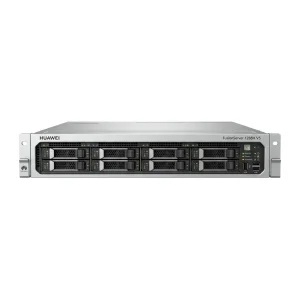
Furthermore, standardizing rack equipment footprint has led to the adoption of high-density 1U and 2U servers, such as the HPE DL360 Gen11 and FusionServer 1288H V5. These compact designs fit neatly into standardized server racks, helping operators balance thermal control with high computing density. These systems allow banks to expand processing capacity within their existing data center footprints, deferring costly facility expansions.
For high-performance systems handling real-time currency conversions, clearinghouse settlements, and customer notifications, memory capacity remains a key factor. Using high-bandwidth memory configurations, such as xFusion FusionServer RAM modules, helps prevent processing bottlenecks. Multi-channel memory buses keep data flowing smoothly to multi-core Intel Xeon or AMD EPYC processors, allowing servers to handle thousands of concurrent queries without performance degradation.
How Shenzhen’s component ecosystem enables Aivora Technology Co., Ltd. to build high-performance computational systems.
Our manufacturing center in Shenzhen, China, operates at the heart of the global electronics supply chain. By maintaining direct relationships with over 1,250 supply chain partners, Aivora ensures reliable component sourcing. This integration allows us to build customized server chassis, source specialized chips, and integrate custom cooling solutions efficiently. This direct access helps insulate our global customers from component shortages and shipping delays.
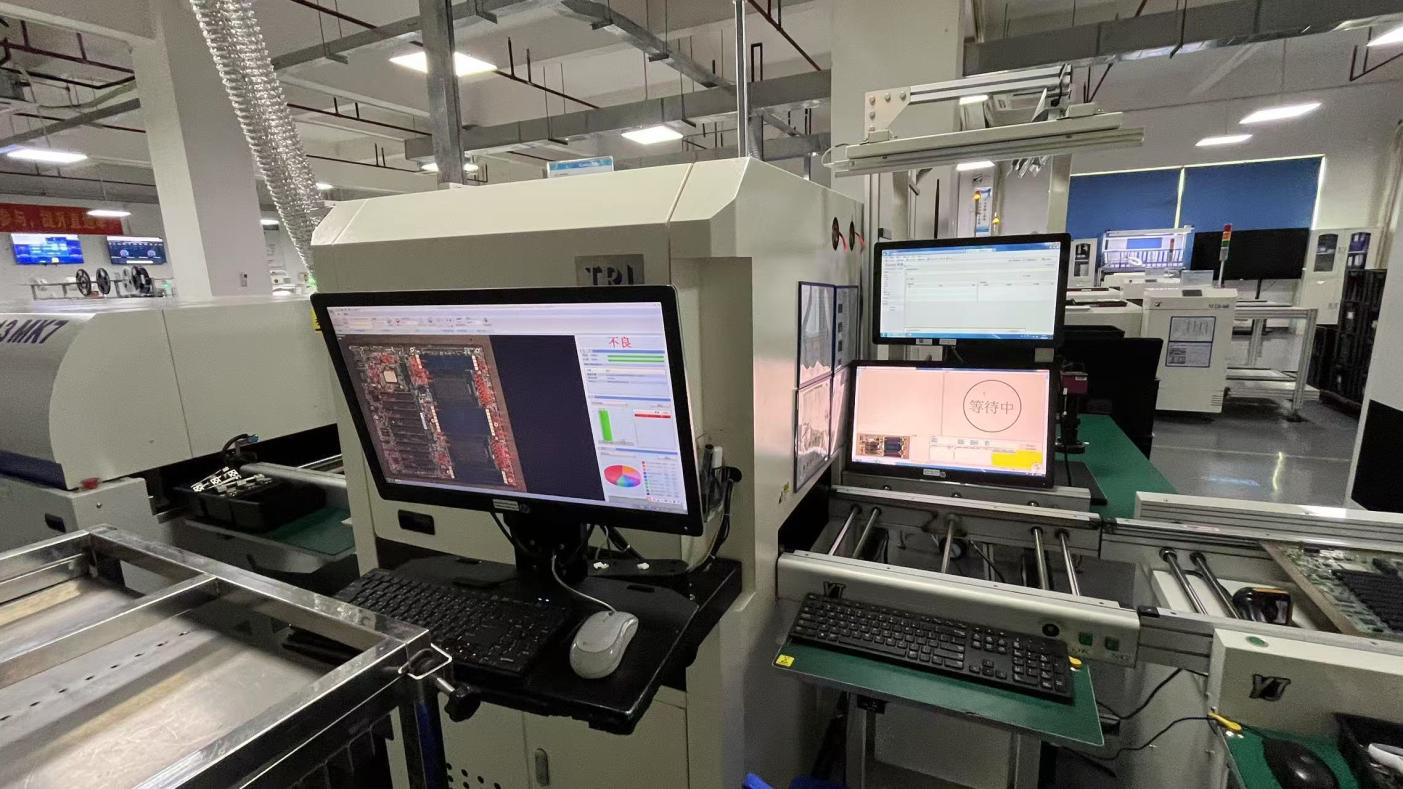
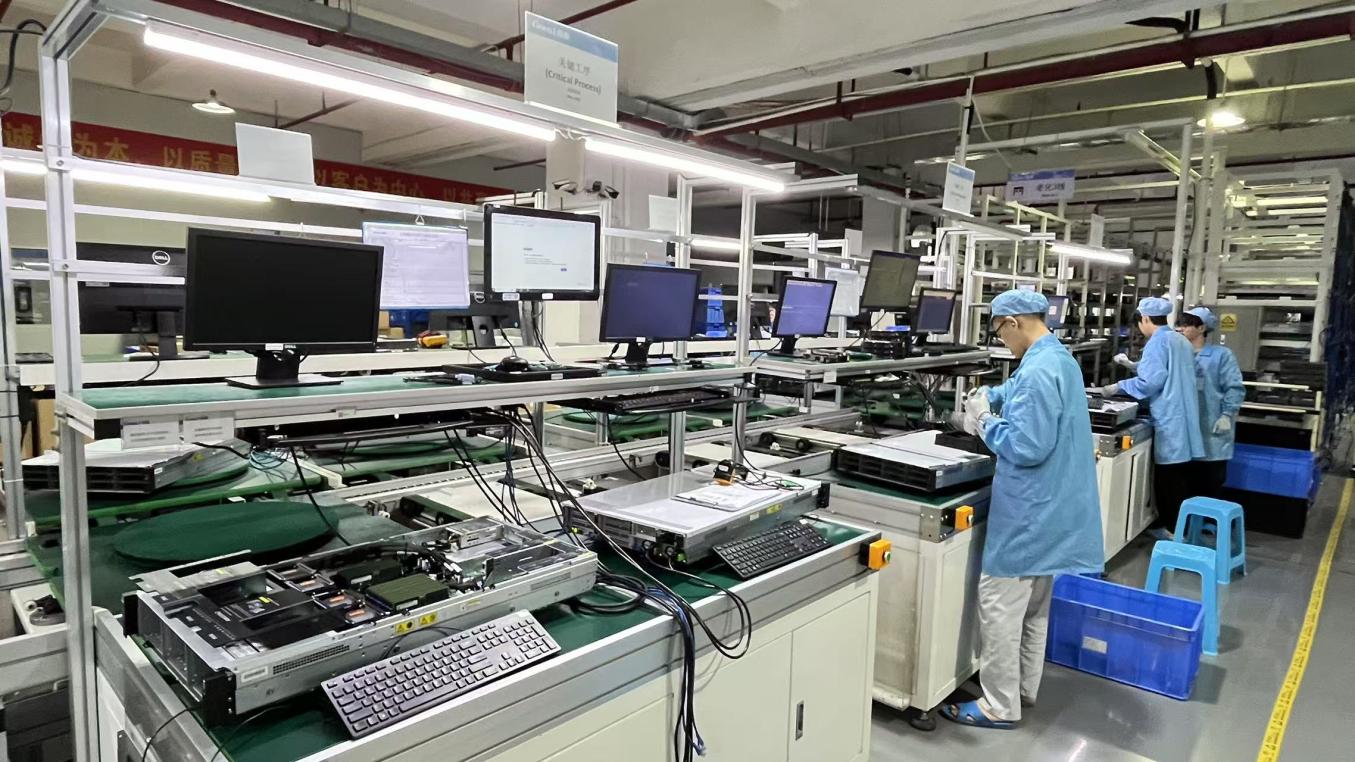
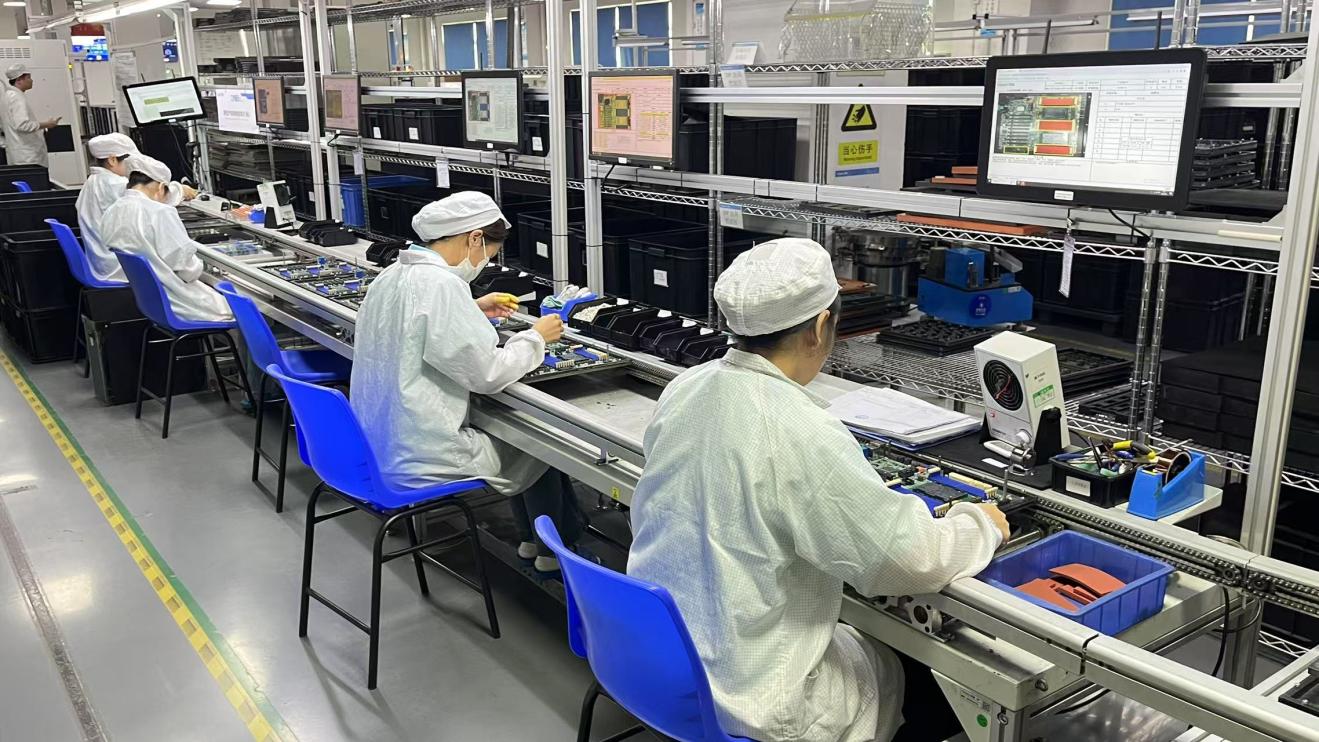
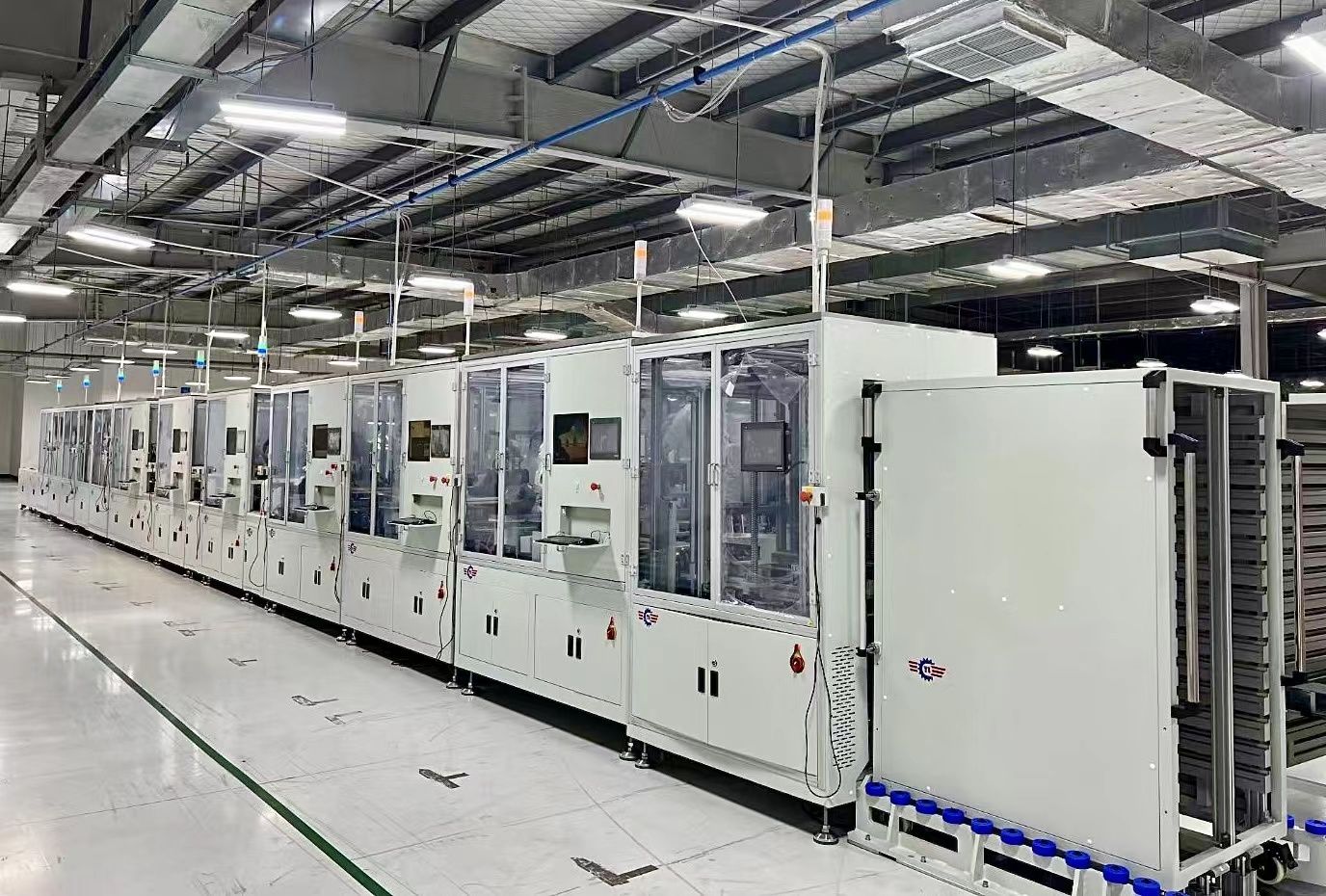
Quality control remains our central focus. Every system built in our facility undergoes rigorous verification by our 46 experienced quality inspectors. Every server is subjected to thermal burn-in testing, power usage evaluation, and system integration verification before delivery. This thorough testing process ensures that every platform, from dual-socket servers to dense GPU storage arrays, performs reliably in the field.
Aivora’s dedicated team of 128 R&D engineers continuously updates our product catalog, introducing 186 new configurations and layout updates in the past year alone. This design agility allows us to offer versatile OEM and ODM services. We customize server hardware, select storage setups, integrate custom branding, and configure server software to meet our clients' specific integration needs.
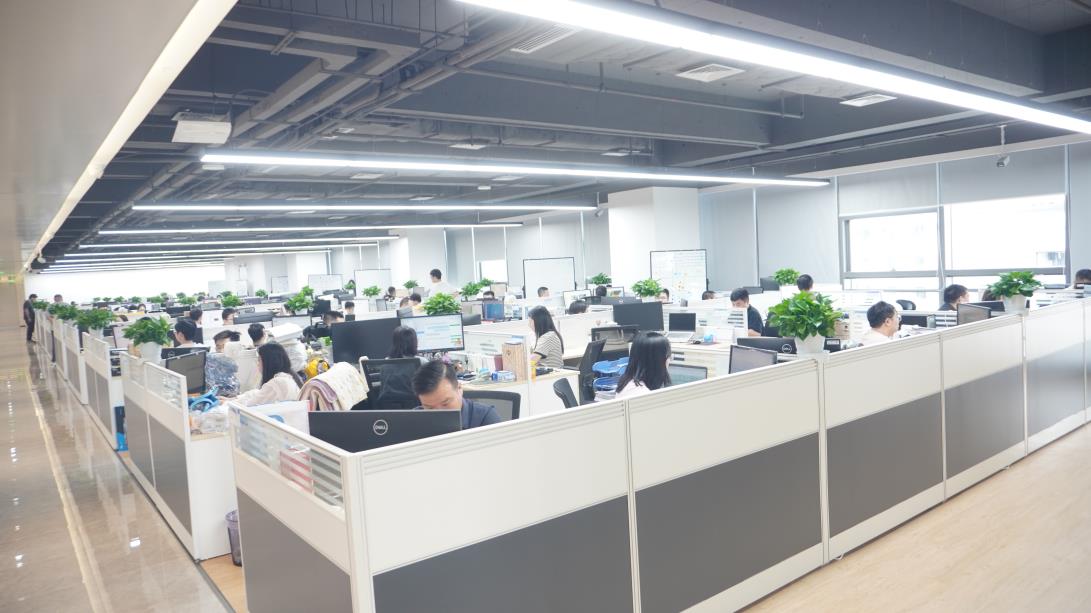
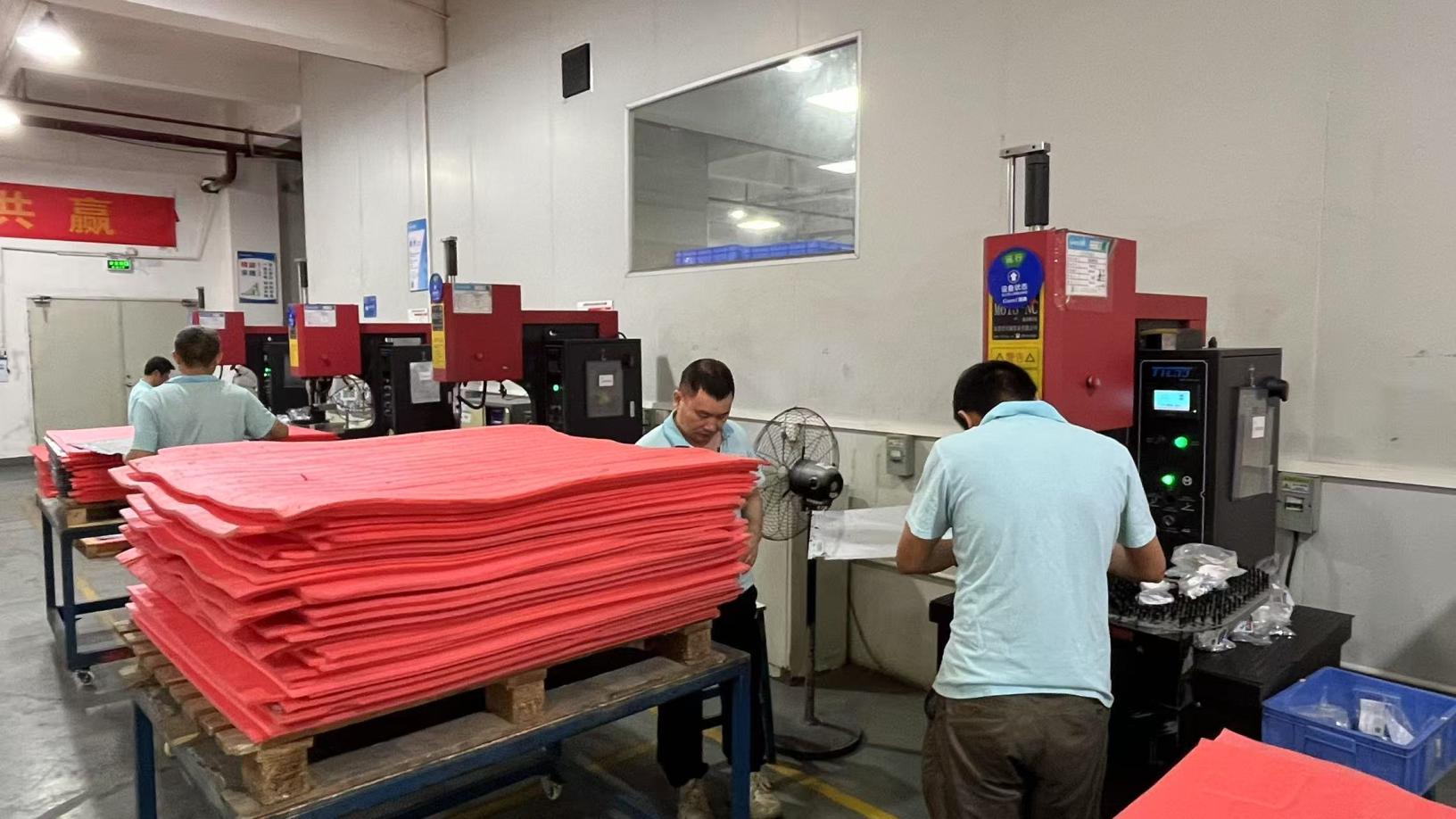
View of our modern manufacturing facilities and product inspection operations in Shenzhen.
How global enterprises structure their computing hardware across different jurisdictions and operational environments.
Leading global retailers deploy server nodes to process incoming sales files and update inventory systems simultaneously. The FusionServer 2488H V7, with its multi-socket architecture, manages these heavy database workloads reliably.
Regulations like Europe’s GDPR and PSD2 require localized storage of citizen financial records. Financial institutions use regional data centers equipped with Dell PowerEdge and xFusion 2288H V5 servers to handle transactions locally, ensuring compliance.
Regional banking hubs process transaction files locally before syncing with central ledgers. Compact, energy-efficient 1U servers, like the Xeon FusionServer 1288H V5, are deployed in localized branch networks to handle workloads efficiently.

Expert technical answers regarding server hardware customization, security optimization, and procurement options.
Select options for hardware customization, memory upgrades, and low-latency system components.
Transparent views of our design, assembly, and testing processes in Shenzhen, China.