Aivora
Aivora
Aivora
Configure your custom colocation deployments with industry-leading GPU processing nodes, compute servers, and enterprise-grade storage components.
In the contemporary digital-first economy, data centers have evolved from mere support utilities into the primary engines of business differentiation. Global enterprises, hyperscalers, and artificial intelligence startups face a dual challenge: the exponential rise of telemetry data and the compute-heavy architectures of deep learning. Consequently, the reliance on high-density colocation services has skyrocketed. Organizations are migrating from capital-intensive, on-premises private facilities toward carrier-neutral, multi-tenant data centers (MTDCs) to preserve capital, achieve sub-millisecond latencies, and leverage sustainable green energy solutions.
Colocation procurement is no longer just about leasing floor space and raw electric power. Modern procurement officers analyze complex metrics including PUE (Power Usage Effectiveness), localized carrier diversity, physical-to-logical security compliance, and dynamic power density matching. As thermal limits of standard air-cooling infrastructures are pushed to the edge by heavy GPU-based workloads, the demand for colocation centers with pre-engineered support for high thermal design power (TDP) chips and customized liquid-to-air loop integrations has become paramount.
Furthermore, international trade and logistics require hardware suppliers to have deep domain expertise in worldwide distribution. Secure supply lines, custom clearance protocols, and on-site hardware integration are crucial to operationalizing server racks in foreign colocation sites. The synergy between a premier hardware manufacturer like Aivora Technology Co., Ltd. and global colocation infrastructures ensures that hardware deployment aligns with the localized constraints of power distribution units (PDUs), specialized weight distribution floor frames, and structural cabling configurations.
Custom engineering tailored for the highest performance density across specialized industry verticals.
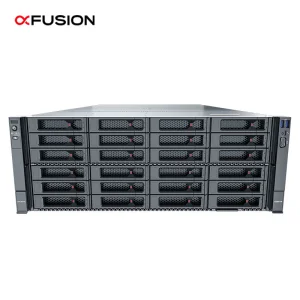
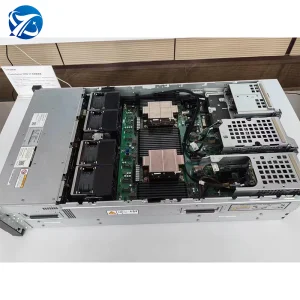
Deploying large language models (such as DeepSeek and other advanced transformer networks) demands multi-GPU systems working with minimal interconnect latency. Our server configurations integrate custom GPU fabrics and NVMe pools to deliver unmatched processing throughput inside dense colocation frameworks.
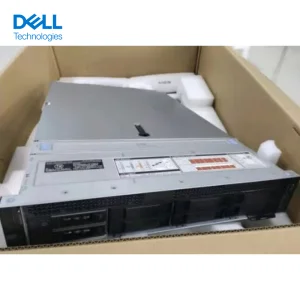
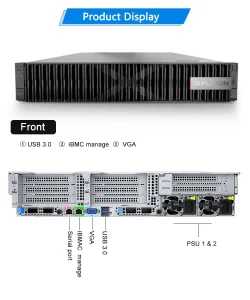
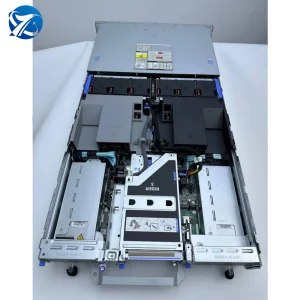
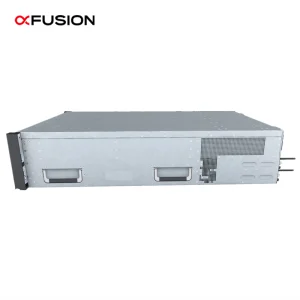
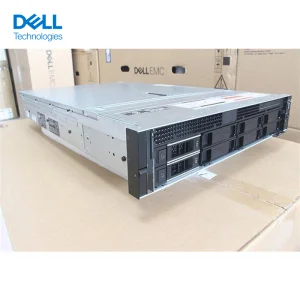
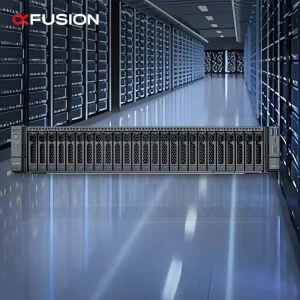
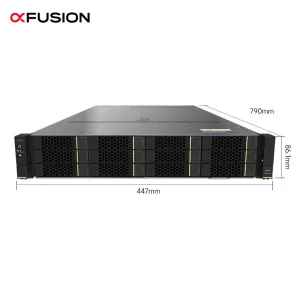
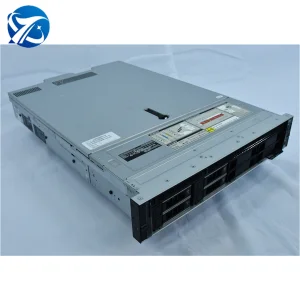
For organizations seeking a balance between public cloud agility and private server control, our 1U and 2U rack servers (including high-reliability Dell PowerEdge and FusionServer nodes) act as the foundational building blocks for VMware ESXi, Nutanix, and Kubernetes hybrid orchestrations.
For high-frequency financial platforms, microsecond delays translate to lost revenue. Placing high-performance computing hardware in carrier-neutral colocation hubs next to public exchange nodes minimizes path loss. Customized x86 CPU servers optimize transaction processing pipelines.
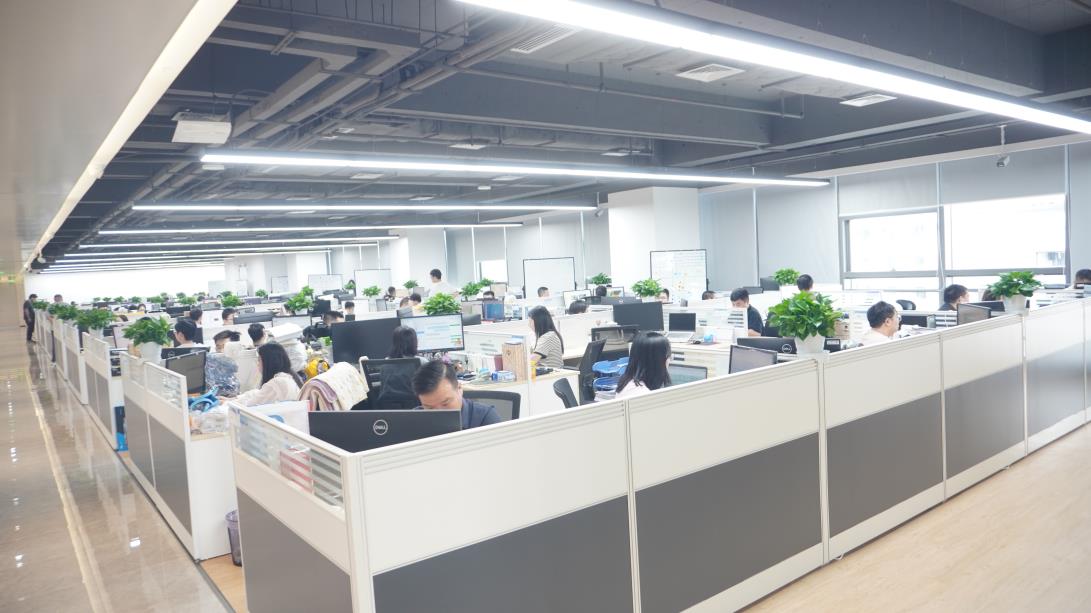
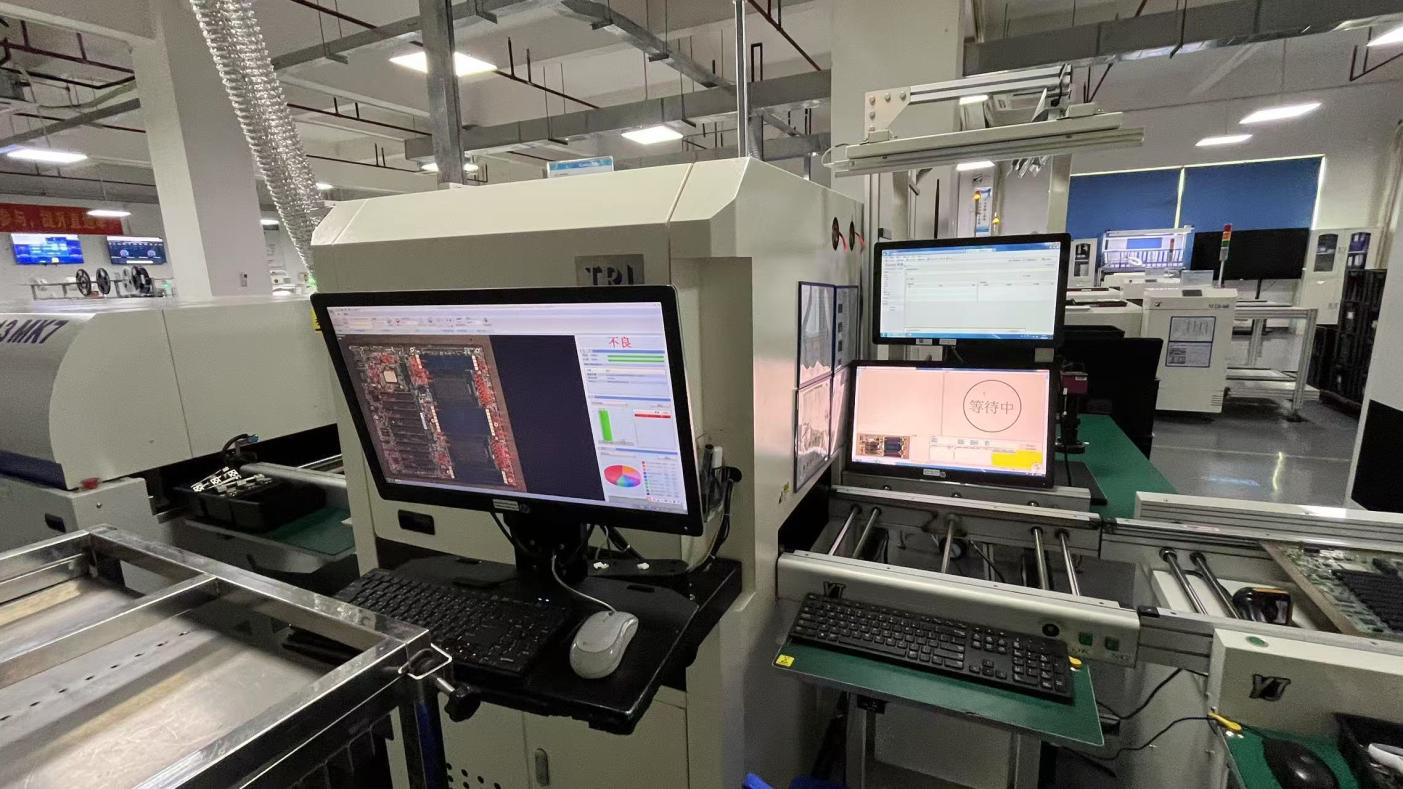
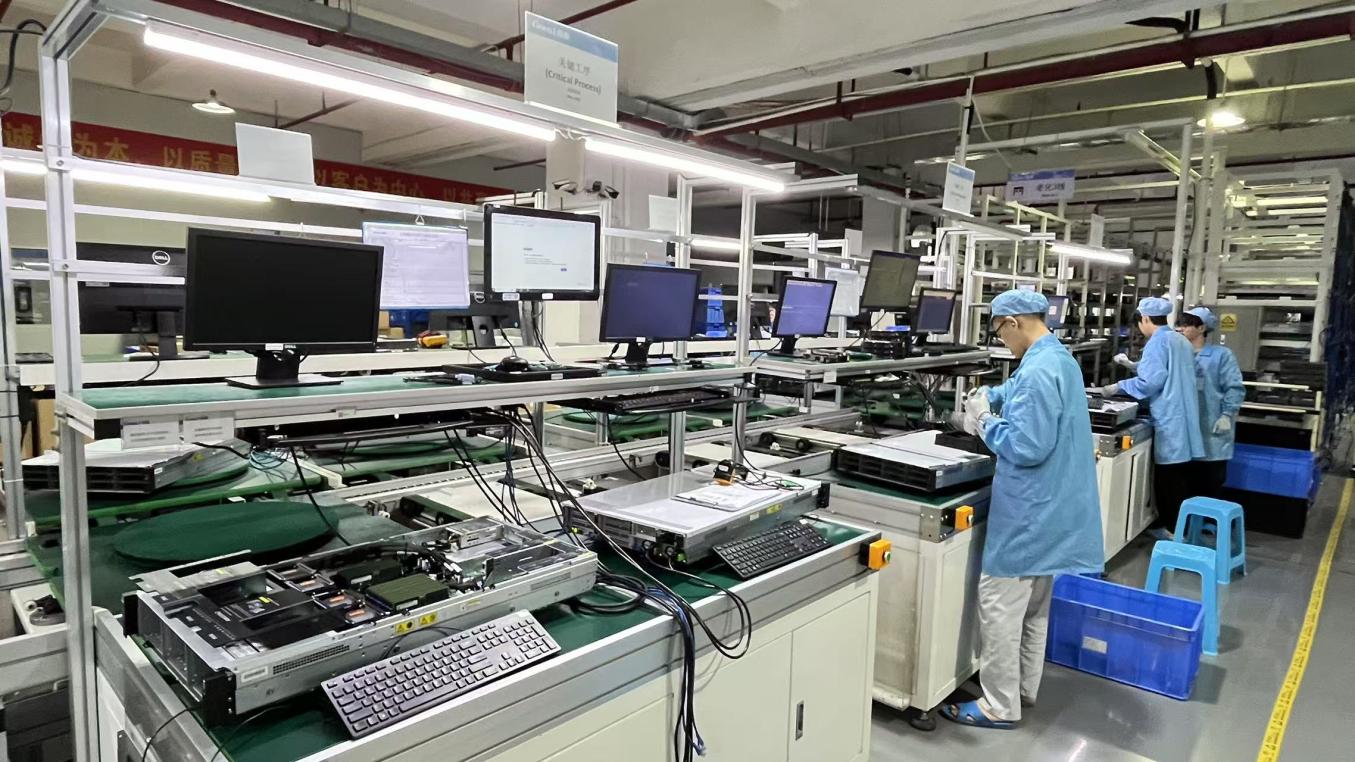
Aivora Technology Co., Ltd. operates as a specialized manufacturer of high-performance artificial intelligence computing platforms. Established in 2018 in the technology ecosystem of Shenzhen, China, the company operates a specialized manufacturing facility spanning 386 square meters. Aivora is focused on the hardware layer that populates top-tier global colocation facilities, bridging the gap between raw real estate leases and live computational output.
With over 14 years of industry expertise and 8 years of export history, Aivora's team of 128 R&D engineers works closely with enterprise infrastructure teams. In the past year alone, Aivora engineered and brought 186 new product designs and system variations to market. These platforms are designed to address the challenges of physical rack space and power limitations within colocation facilities.
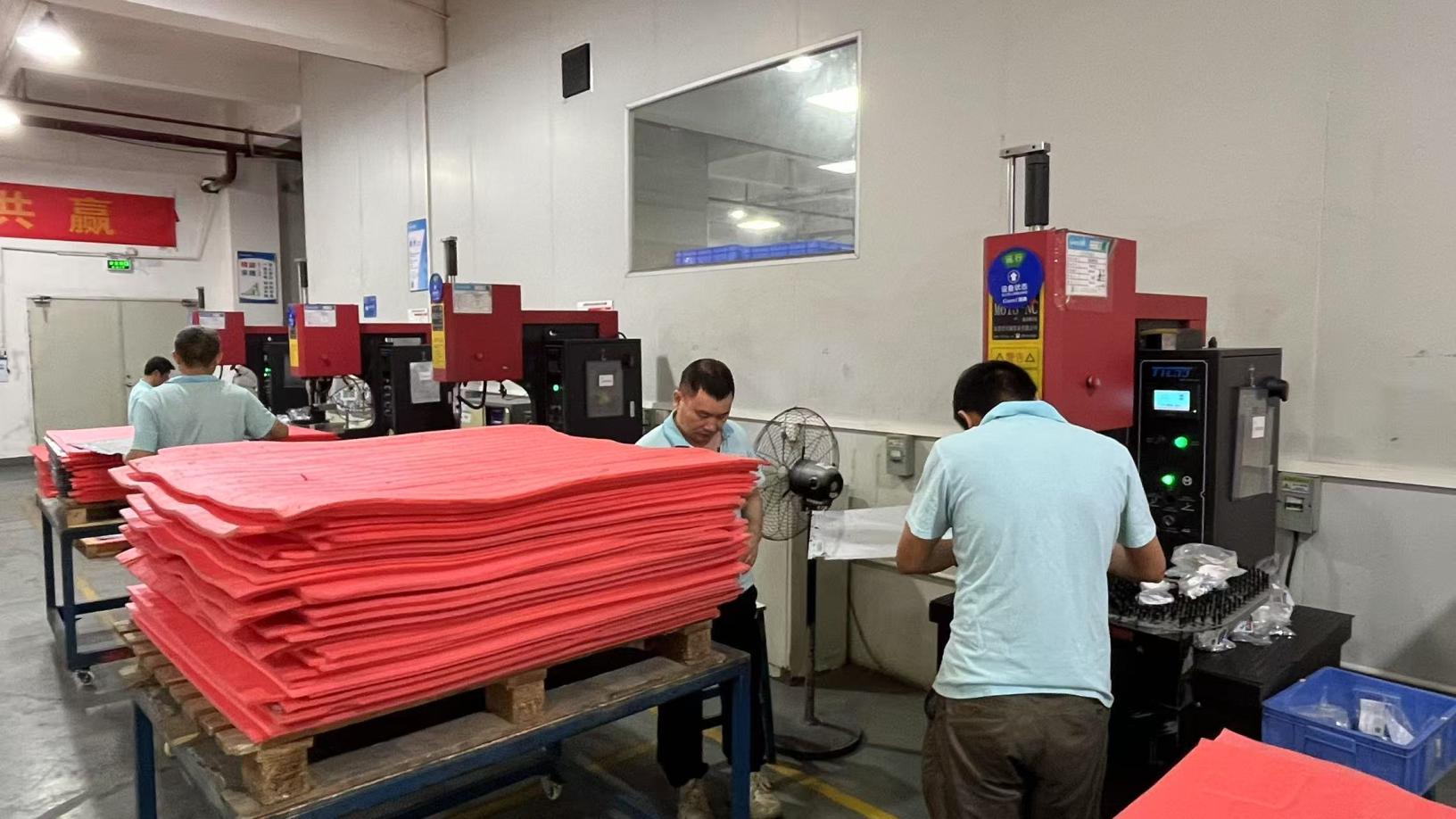
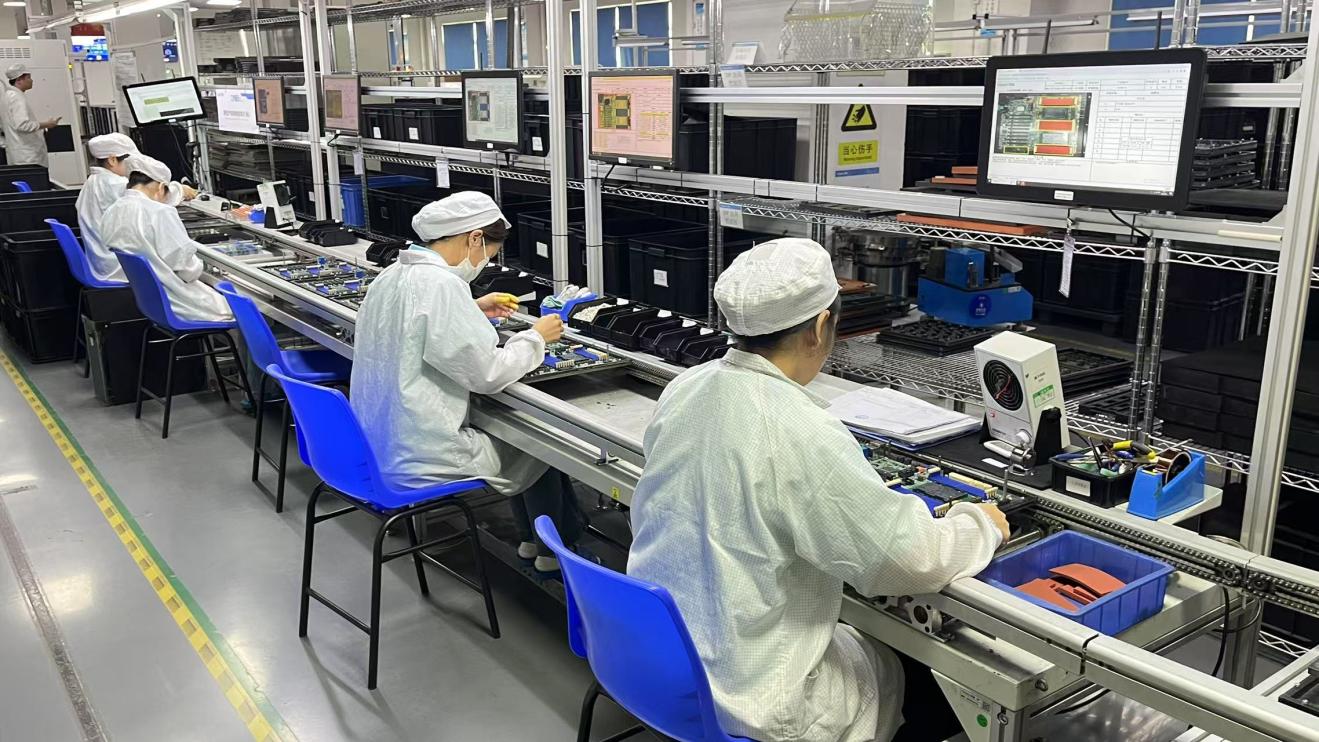
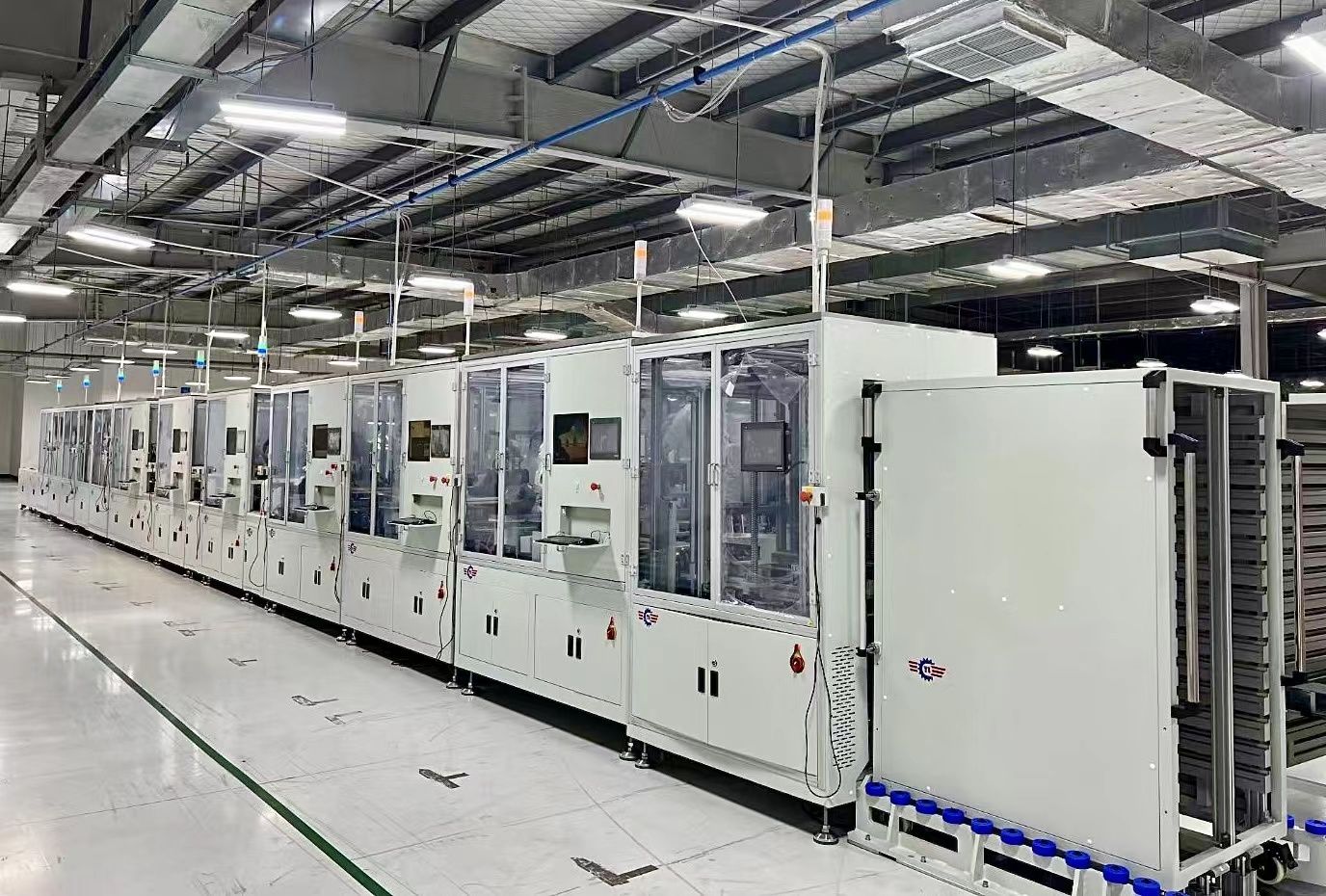
Aivora's manufacturing processes are backed by relationships with over 1,250 supply chain partners, ensuring component sourcing, production speed, and quality control. Quality is managed by a team of 46 quality inspectors. Each server undergoes system checks, thermal profiling, and burn-in testing to ensure hardware reliability and reduce failure rates in remote colocation facilities.
The technological trajectory of colocation services and processing hardware is converging toward sustainable, high-density operations.
Traditional air-cooling is struggling to handle modern processor power levels. The industry is moving toward hybrid solutions that combine direct-to-chip water loops with rack-level manifold systems. This approach allows heat densities of over 50kW per rack to be managed efficiently within standard colocation configurations.
Future deployments will rely on automated telemetry to balance workloads across server grids. Real-time data from internal server sensors will coordinate with the facility's cooling units (CDUs) to dynamic control power limits and adjust fan speeds, lowering overall energy usage.
Next-generation colocation models prioritize reducing carbon footprints. Facilities are incorporating microgrids, on-site battery storage, and dynamic power purchase agreements (PPAs) with clean energy providers, helping global enterprises meet ESG targets.
Comparing traditional on-premises data centers, public cloud architectures, and dedicated enterprise colocation models.
| Deployment Metric | On-Premises Data Center | Hyperscale Public Cloud | Dedicated Colocation Services |
|---|---|---|---|
| Capital Expenditure (CapEx) | Extremely High (Real estate, cooling plants, hardware) | None (Operational expenditure billing) | Moderate (Hardware purchasing, lease deposit) |
| Hardware Tailoring & Customization | Total control over raw components | Restricted to virtual instances and standard options | Total control over custom components & configurations |
| Data Governance & Latency Control | Total ownership of physical path | Variable, dependent on tenant routing and egress zones | High physical security with low, direct-path latency |
| Scalability Velocity | Slow (Months of planning and build-out) | Instantaneous virtual scale | Rapid (Physical provisioning in pre-wired racks) |
| PUE & Energy Efficiency | Typically poor (Older systems, average PUE > 1.8) | Excellent (Proprietary cooling designs) | Optimized (Highly efficient, shared cooling setups) |
Enterprise operations spanning multiple continents require strict adherence to international regulatory frameworks. Placing servers in a third-party colocation facility demands strict compliance with certifications such as ISO/IEC 27001 for information security, SOC 2 Type II for operational audits, PCI-DSS for transaction handling, and HIPAA for healthcare information. These protocols ensure both logical and physical barriers against unauthorized access.
Data residency laws (such as GDPR in Europe, CCPA in California, and national sovereignty laws) mean organizations must store and process user information within specific geographic boundaries. Partnering with a hardware exporter that understands these localization constraints simplifies compliance. Every component Aivora exports—from secure NVMe storage units to custom AI compute nodes—can be pre-configured with secure boot protocols, TPM 2.0 cryptographic keys, and encrypted partitions to align with local privacy regulations.
A look inside Aivora's manufacturing environment, engineering labs, and quality testing systems.

Answers to common operational, technical, and procurement questions regarding high-density colocation setups.
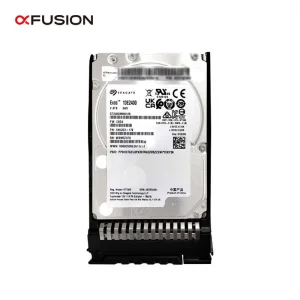
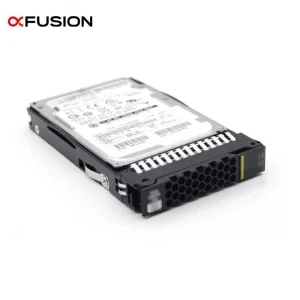
Explore our full line of rack servers, high-density nodes, and enterprise-grade storage drives.