Aivora
Aivora
Aivora
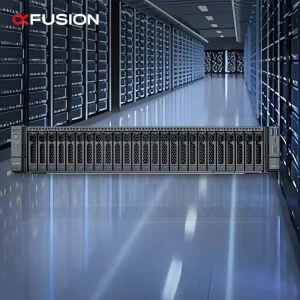
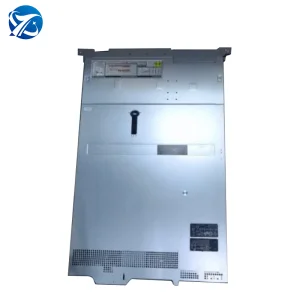
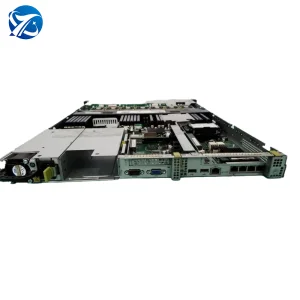
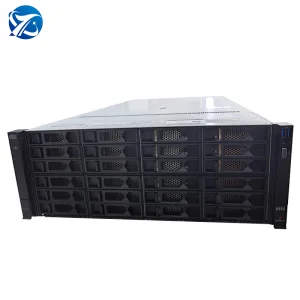
As the digital economy enters the epoch of artificial intelligence, high-performance computing, and sub-millisecond network communication, server networking infrastructure has transcended its traditional role as a simple data carrier. Modern enterprises require highly specialized hardware fabrics designed to process petabytes of unstructured data, facilitate low-latency GPU-to-GPU communications, and ensure reliable data availability under relentless enterprise workloads. The design, optimization, and scaling of these network architectures represent the foundational pillars of the next generation of cloud storage, edge AI, and virtualization systems.
China’s manufacturing ecosystem, centered around the industrial and technological corridor of Shenzhen, has evolved into a global powerhouse for high-density server computing and advanced PCIe switching networks. By integrating advanced production pipelines, comprehensive raw material sourcing, and specialized microelectronic engineering capabilities, top Chinese server factories deliver unmatched performance-to-cost metrics. At Aivora Technology Co., Ltd., we serve as a vital engine in this structural paradigm, providing custom GPU-accelerated computing nodes, enterprise rack-level deployments, and micro-component innovations such as low-latency RAID controllers to support the digital transformation journeys of worldwide companies.
Typical procurement procedures are fraught with systemic difficulties, ranging from chip availability and design customizations to strict international compliance. By highlighting the strategic advantages of China's server infrastructure ecosystem, this analysis is intended to provide CTOs, system architects, and global purchasers with the technical insights necessary to select hardware architectures that are optimized for tomorrow's processing requirements.
Established in 2018 in the technology epicenter of Shenzhen, China, Aivora Technology Co., Ltd. has established itself as an innovative designer and OEM/ODM manufacturer of high-performance GPU server solutions, AI computing hardware, and customized server rack infrastructures. Since our inception, we have catered to the critical requirements of enterprise-level applications, hyperscale data centers, global cloud service providers, and system integrators. Our operation combines academic-level engineering with rigorous industrial production protocols, delivering scalable computing frameworks to partners across North America, Europe, South America, the Middle East, and Southeast Asia.
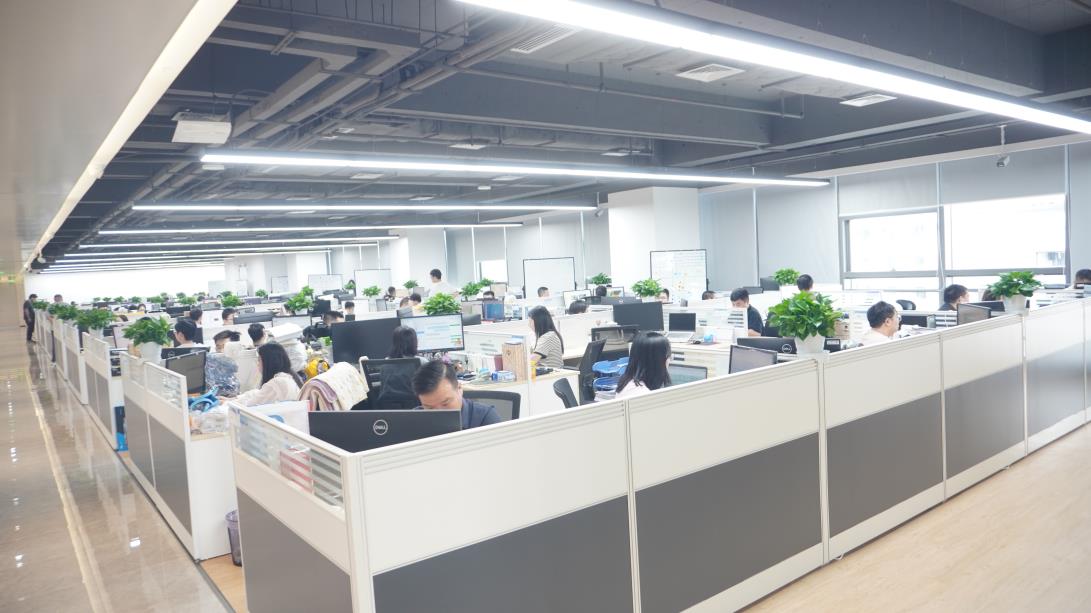
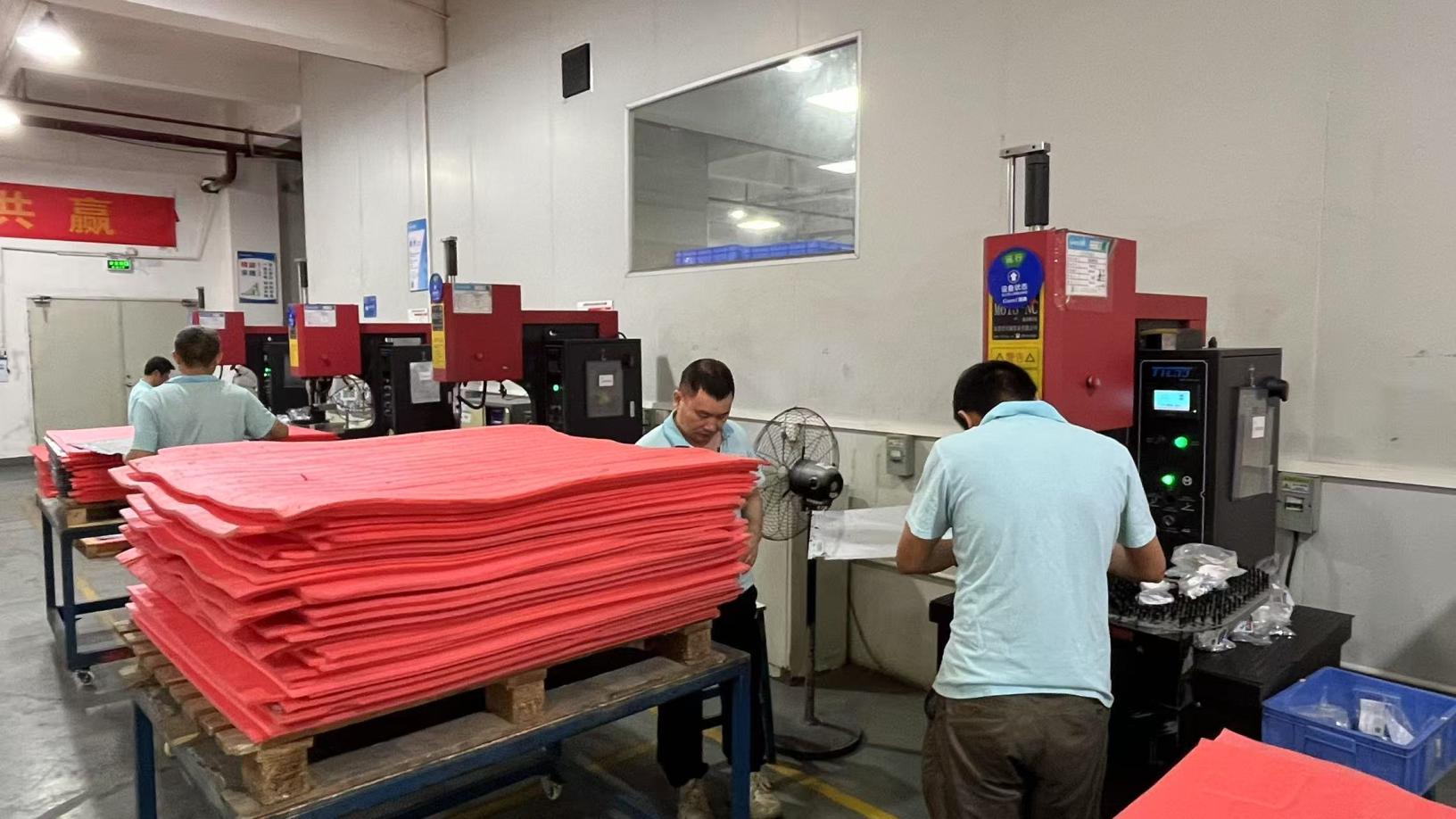
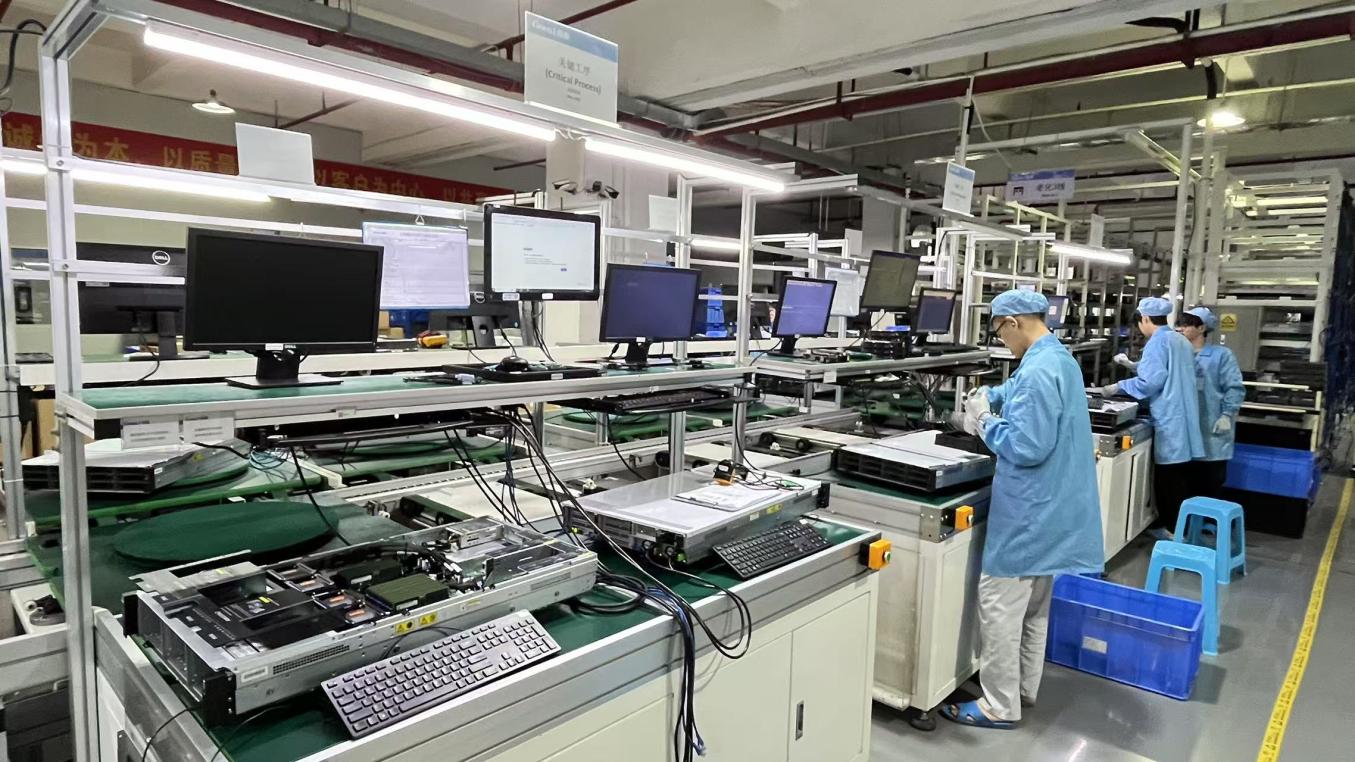
Our modern integration facility in Shenzhen spans 386 square meters of high-cleanliness system integration, thermal testing, and quality control labs. Within this highly optimized operational space, Aivora performs critical board-level integrations, customized GPU topology configurations, firmware verification, and stress testing. Backed by 8 years of international export experience and an extensive component network, we offer our clients unparalleled supply security. Over the past fiscal year, our engineering teams designed, validated, and launched 186 new product variants and complex hardware configurations, driving our annual export volume past USD 18 million.
To address the diverse and complex workloads of modern enterprises, Aivora has developed a multi-tiered hardware portfolio that spans high-performance storage accelerators, dense compute systems, and advanced PCIe networking fabrics.
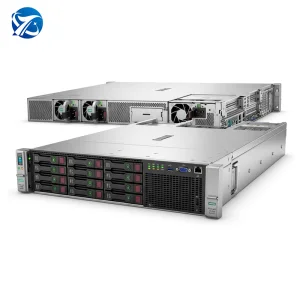
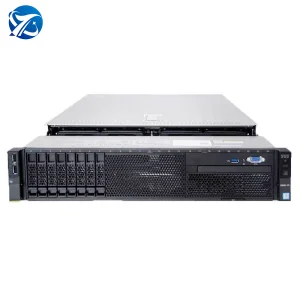
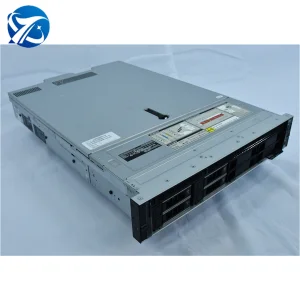
Providing high-density 1U, 2U, and 4U rackmount servers utilizing multi-socket Intel Xeon Scalable and AMD EPYC platforms. Engineered to host up to 8 dual-slot GPU boards with peer-to-peer PCIe topologies for massive training and deep learning workflows.
Integrating high-speed SAS3908 and LSI SAS/SATA controller chips to construct advanced RAID arrays. Designed to maximize I/O throughput for low-latency NVMe and hybrid SATA/SAS arrays, protecting database Integrity and file operations.
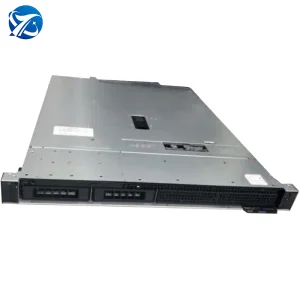
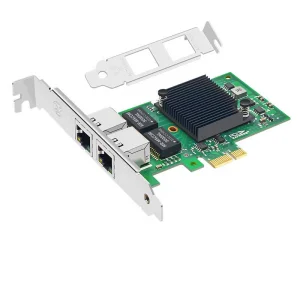
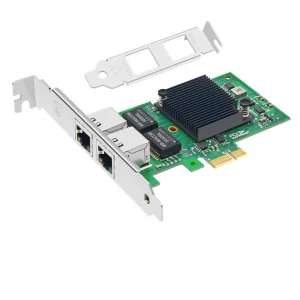
Designed for hyperscale hypervisors and private cloud hosting. Supporting virtualization architectures with extensive PCIe lane layouts, dual-port high-speed NICs, and flexible backplane routing to eliminate hypervisor bottlenecks.
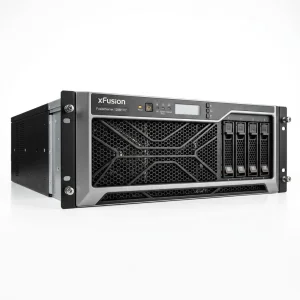
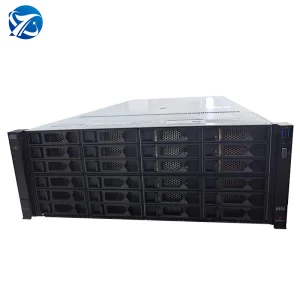
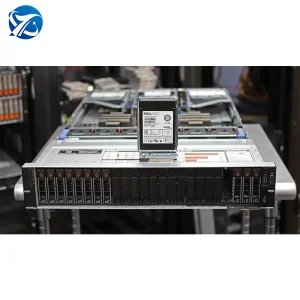
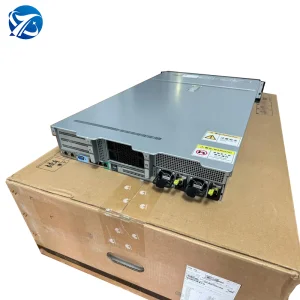
Our core product line is represented by high-demand configurations, including the LSI 9560-16I 8GB RAID Controller Card (supporting PCI-Express 4.0 bandwidth) and the xFusion G5500 V7 AI GPU server, which are highly regarded for their heat management capabilities, flexible bus configurations, and reliable system performance in diverse high-performance computing (HPC) scenarios.

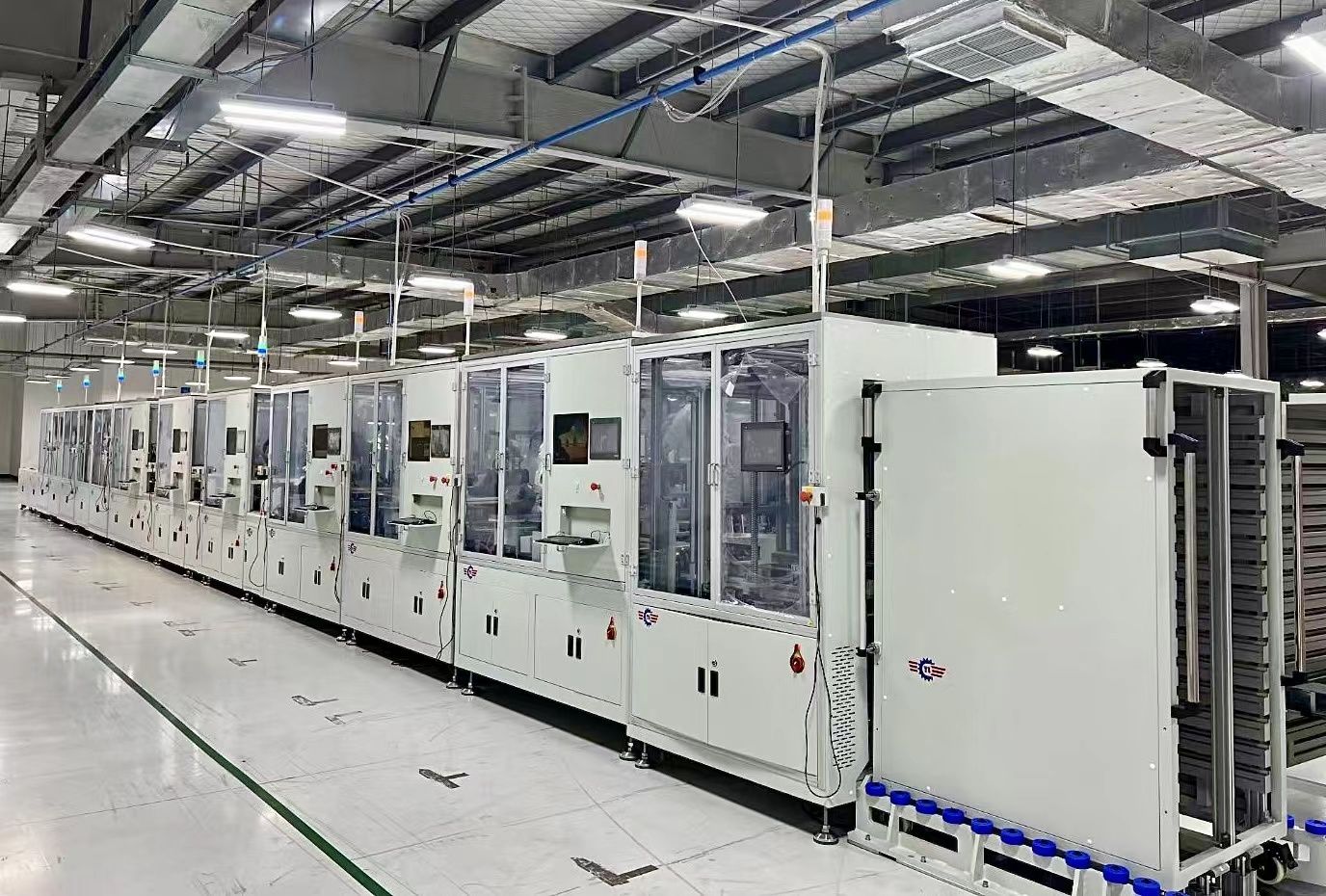
The practical utility of high-performance servers depends on how effectively they solve complex, real-world industry bottlenecks. Modern businesses require tailored architectures that resolve issues related to computational latency, data integrity, and energy consumption. Aivora’s hardware line serves as the foundation for several core industry solutions:
Modern deep learning tasks demand massive parallel processing capabilities. High-density GPU configurations, such as the xFusion G5500 V7, allow research institutions and AI startups to scale multi-billion parameter neural networks. These servers are optimized for high-bandwidth fabric connections (using InfiniBand or 200GbE Ethernet) to enable efficient synchronization during distributed model training.
In quantitative finance, transactional latency and database commit times must be minimized to maintain a competitive edge. Using PCIe 4.0 RAID controller cards with onboard caching, like the LSI 9560-16I, financial systems can achieve high random write speeds. This capability ensures that transactional ledgers are written securely to non-volatile storage without introducing software lag.
Smart factories require compute nodes positioned close to production lines to process high-resolution visual inspection data in real time. Aivora's edge AI compute platforms are designed to operate reliably in wide temperature ranges, delivering local machine-learning inference capabilities that reduce latency and minimize external bandwidth requirements.
| Server Model Category | Processor Compatibility | Maximum Expansion Slots | Network Throughput | Optimal Industry Application |
|---|---|---|---|---|
| Enterprise AI Inference | Dual Intel Xeon 4th Gen / AMD EPYC | Up to 8x PCIe 5.0 x16 Slots | Dual 100GbE / 200GbE Ports | Deep Learning, Natural Language Processing |
| Dense Virtualization Rack | Dual Intel Xeon Scalable Gen 3/4 | Up to 4x PCIe 4.0 x16 Slots | Quad 10/25GbE SFP28 Ports | Private Cloud, VDI, Web Hosting |
| High-Speed Database Node | Single/Dual Intel Xeon Gold | LSI Hardware RAID Cache Enabled | Dual 10GbE RJ45 Ports | ERP Systems, Transaction Processing |
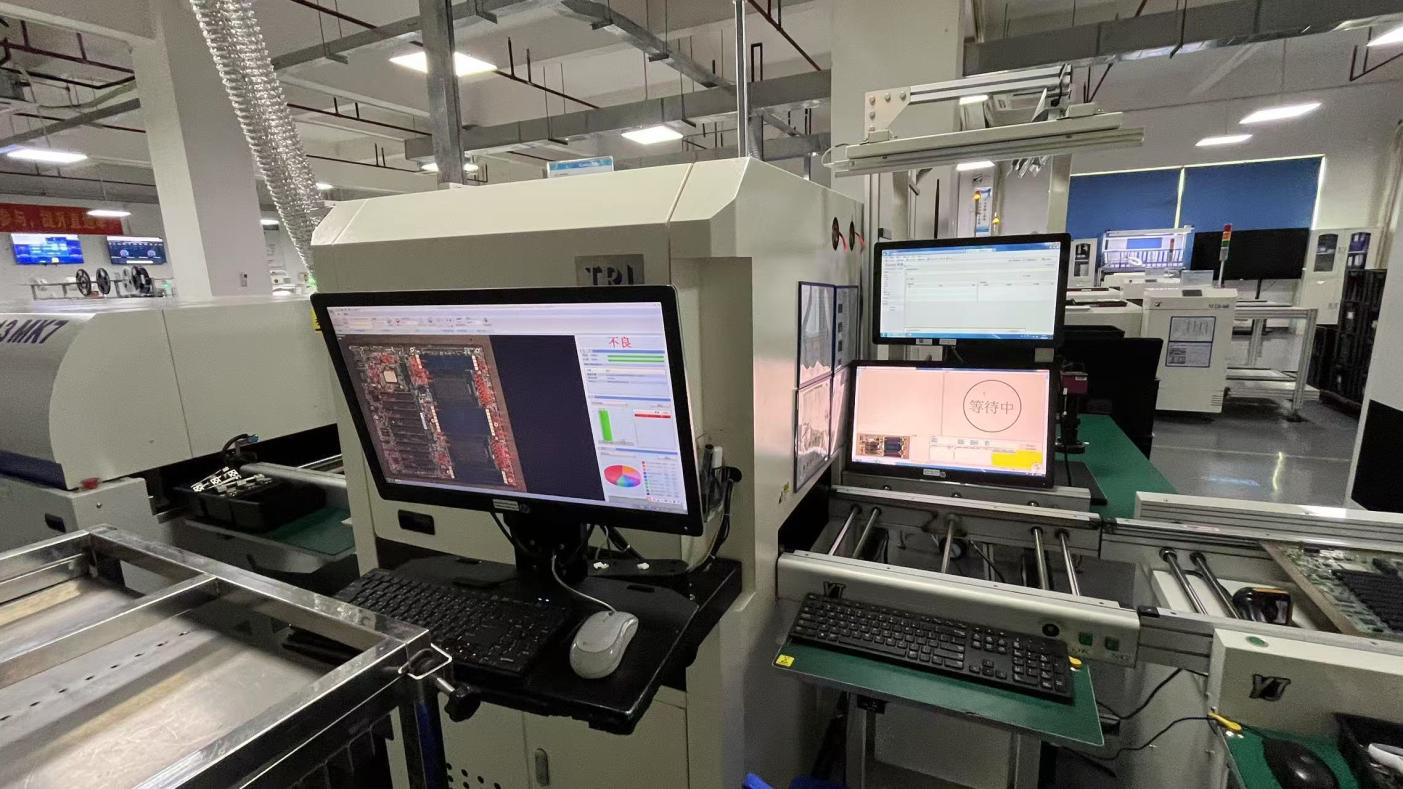
A server's value is defined by its reliability. Hardware failures can disrupt enterprise operations, resulting in costly downtime and potential data loss. To maintain high system availability, Aivora implements a multi-phase quality inspection pipeline managed by our team of 46 professional quality control specialists.
Every incoming semiconductor, capacitor, PCIe connector, and backplane PCB undergoes strict incoming quality control (IQC) testing to ensure authenticity and electrical stability before final board assembly.
Fully populated chassis systems undergo simulated environmental stress tests inside high-temperature chambers, validating that copper heatsinks and cooling fan modules maintain safe operating temperatures under full compute loads.
Assembled server nodes undergo a continuous 72-hour stress-test routine. This burn-in process uses specialized diagnostic suites to isolate and resolve early-stage chip or component failures before the hardware leaves the factory.
All Aivora products comply with international standards, including CE, FCC, RoHS, and local regulatory requirements. We provide complete material declaration lists and component traceability sheets for enterprise deployments, ensuring smooth customs processing and seamless integration into highly regulated data centers worldwide.

The hardware landscape is changing rapidly. As PCIe Gen 5 becomes standard and PCIe Gen 6 approaches, network speeds are rising to 400Gbps and 800Gbps. Standard air-cooling options are reaching their physical limits due to the thermal challenges of high-density chips. To address these changes, Aivora's R&D team is focusing on three key technology transitions:
Traditional copper interconnects suffer from signal degradation at high frequencies. By moving optical transceivers closer to the CPU and switch silicon, we reduce signal loss, lower latency, and decrease the power consumed by high-speed network interfaces.
Modern accelerators can pull upwards of 700W per chip, making liquid cooling essential for high-density deployments. Aivora is designing secondary fluid loops, dry-break quick disconnects, and liquid-to-air heat exchangers for standard rack systems. This helps enterprise customers transition to hybrid liquid cooling without requiring complete data center redesigns.
Data Processing Units (DPUs) are key to offloading network management, storage virtualization, and security tasks from the main CPU. We are integrating high-performance DPU controller slots directly onto our motherboards to improve overall system efficiency and maximize compute availability for customer applications.
PCIe 5.0 doubles the bandwidth of PCIe 4.0, delivering up to 32 GT/s (GigaTransfers per second) per lane, which yields up to 128 GB/s of bi-directional throughput in a standard x16 slot. This added bandwidth is critical for supporting 200Gb/s and 400Gb/s network interface cards (NICs), preventing I/O bottlenecks during large-scale model training and high-speed NVMe storage read/write cycles.
Hardware RAID controllers, such as the LSI 9560-16I, feature dedicated processor chips (ASICs) and onboard cache memory (e.g., 4GB or 8GB DDR4). These components manage parity calculations and drive communications independently, freeing up the system's main CPU for application tasks. Additionally, built-in supercapacitors protect the cache, helping prevent data corruption during unexpected power losses.
Shenzhen is the world's leading hub for microelectronics, offering quick access to components like connectors, PCBs, controllers, and custom metal chassis. This dense ecosystem allows Aivora to prototype new hardware variations in days rather than weeks, source quality components efficiently, and rapidly scale custom OEM/ODM production runs.
Aivora designs its chassis to use high-static-pressure cooling fans alongside custom copper heatsinks. For dense multi-GPU setups, we optimize the physical internal layout to keep hot components from heating up adjacent cards. We also offer options for direct-to-chip liquid cooling loops to manage demanding, high-wattage hardware configurations.
We partner with verified, tier-one semiconductor suppliers and licensed distributors. Each batch of microchips, RAID controllers, and memory modules undergoes visual and electrical checks upon arrival. We maintain detailed tracking logs to trace critical components back to their original manufacturing lots.