Aivora
Aivora
Aivora
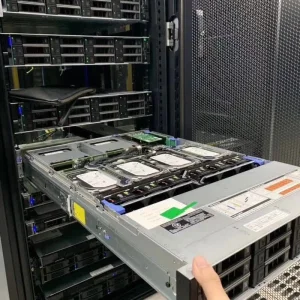
High-density computing servers powering real-time rendering, spatial mapping, and multi-user simulation engines.


The global Virtual Reality (VR) and Spatial Computing market has rapidly evolved from an entertainment novelty into an indispensable driver of industrial digitalization. Across aerospace engineering, medical simulations, automotive design, and smart factory training, high-fidelity immersive environments are restructuring productivity metrics. The ability to deploy microsecond-accurate physical simulations inside a VR headset is no longer dependent solely on the local processor; it has transitioned into an ecosystem-wide computing challenge.
Today’s industrial VR requirements dictate **ultra-low latency (<20ms)** and **uncompromised photorealism**. To achieve this without burdening the end-user with heavy, high-heat head-mounted hardware (HMDs), modern networks utilize **CloudXR (Cloud-based Extended Reality)**. By shifting real-time physics engines and ray-traced rendering pipelines from the headset to high-density GPU server clusters, enterprises ensure field-level mobility alongside hyper-realistic simulation capabilities.
A comprehensive examination of the world's leading VR hardware developers and spatial computing technology suppliers, evaluated on export capacity, hardware depth, and infrastructure compatibility.
As the developer of the Quest series, Meta represents the largest volume exporter of standalone VR headsets. Their open-source developer framework, combined with powerful hand-tracking algorithms, serves as a global benchmark. However, for complex enterprise deployments, Meta devices rely on external GPU-driven spatial rendering pipelines to bypass local processor limitations.
HTC Vive has long been the gold standard for high-end corporate training, medical simulation, and location-based entertainment. Known for high-resolution displays and sub-millimeter precision base-station tracking, HTC products represent the peak of hardware reliability. They extensively utilize high-throughput GPU server setups to handle complex CAD integrations.
Operating from major industrial hubs in China, Pico has rapidly scaled its enterprise business (Pico Business). Offering excellent price-to-performance ratios, they supply massive logistics, security, and healthcare operations with customized HMD systems that support remote management and centralized system integration.
While primarily consumer-focused via PlayStation VR2, Sony’s recent partnerships in industrial design and engineering (collaborating with Siemens) demonstrate their shift towards spatial content creation. Their hardware boasts advanced eye-tracking and high-dynamic-range (HDR) OLED displays, demanding robust backend graphics computational structures.
With the introduction of the Vision Pro and visionOS, Apple redefined the VR/AR spectrum into "Spatial Computing." The ultra-high-resolution dual-micro-OLED displays require real-time processing of massive spatial data streams, prompting enterprises to configure high-end rack server systems to compute, compile, and stream spatial applications dynamically.
DPVR is a leading hardware supplier focusing on customized school classroom setups and interactive VR parks. Their lightweight, robust design, paired with specialized multi-device control software, allows operators to run up to 100 headsets simultaneously from a single local GPU server rack, maximizing cost efficiency.
Varjo manufactures the most advanced, photorealistic HMDs on Earth. Serving defense simulation, astronaut training, and automotive styling (such as Volvo's design studio), Varjo headsets demand massive GPU horsepower, operating almost exclusively in tethered configurations with high-density GPU server rigs.
Pimax is globally recognized for pushing the envelope on field-of-view (FOV) capabilities, offering up to 200 degrees of horizontal sight. This panoramic approach eliminates the "goggle effect" but doubles the rendering requirements of the graphic engine, necessitating dedicated GPU servers for real-time stereoscopic calculations.
Lenovo's ThinkReality platform bridges the gap between hardware and software in manufacturing plants. By integrating VR headsets directly with digital twin management portals, they allow operators to coordinate real-time sensor data overlays. This structural ecosystem relies on edge-based computer servers to process data locally.
Valve’s Index headset set the baseline for sub-millimeter precision tracking (Lighthouse 2.0) and finger-tracking controllers. Used heavily by software development agencies, system integrators, and academic labs, Valve provides the raw open source framework that powers modern spatial research.
Analyzing the backend requirements that drive real-time photorealistic VR simulation, spatial mapping, and virtual twins.
Generating human-eye resolution images requires millions of polygons calculated in real-time. High-density GPU servers running multiple NVIDIA RTX or Tensor-Core architectures allow rendering engines to compute global illumination and distribute the visual stream over local enterprise networks.
By migrating computational workloads to rack servers, enterprises eliminate the physical weight, battery drain, and thermal throttling of standalone VR headsets. The server compresses the rendered frames and streams them with minimal encoding lag, maintaining user comfort.
Simultaneous Localization and Mapping (SLAM) tracks the user's position relative to the environment. When handling multi-user environments (such as co-located training camps), edge servers aggregate tracking matrices to prevent spatial drift and position desynchronization.
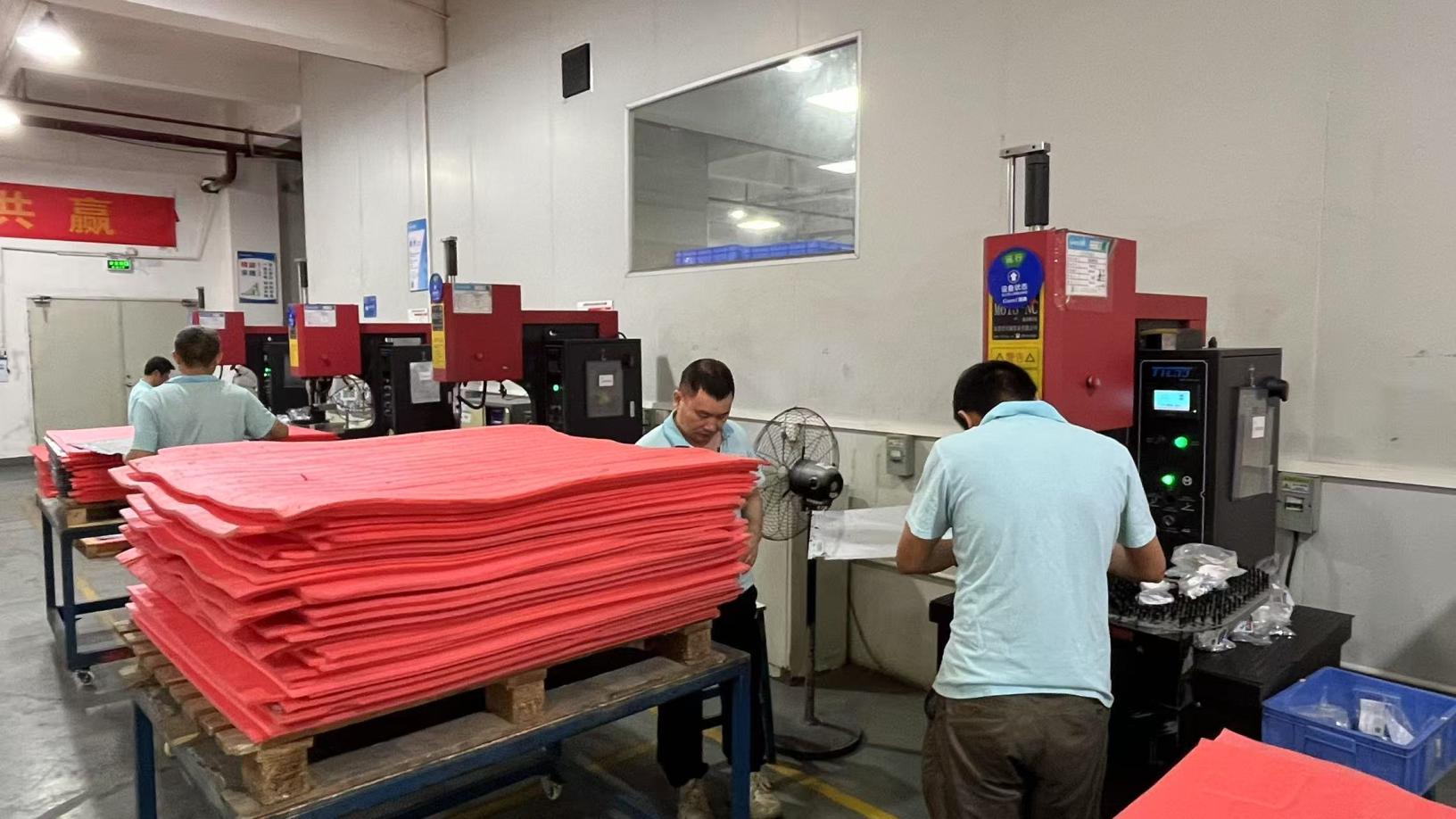
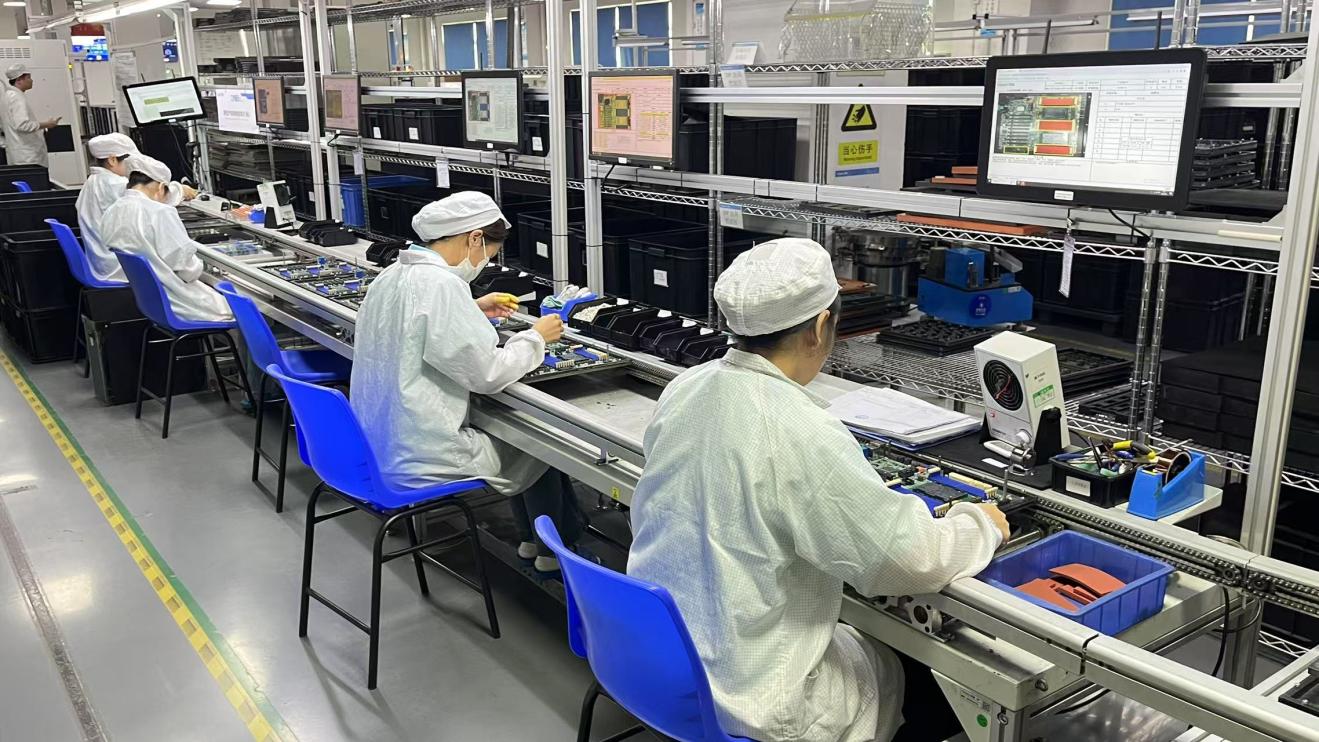
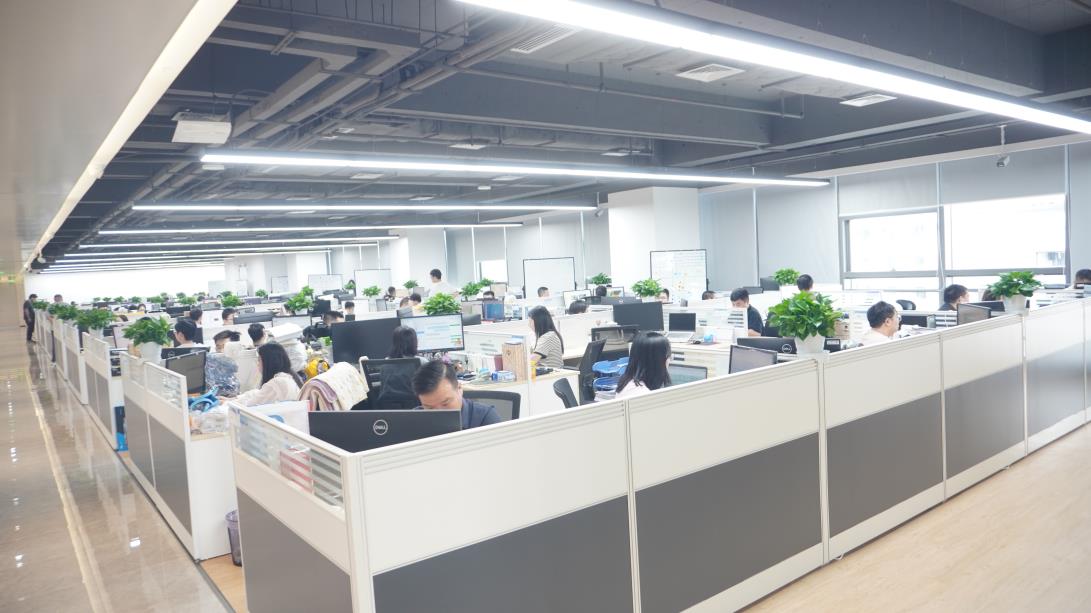
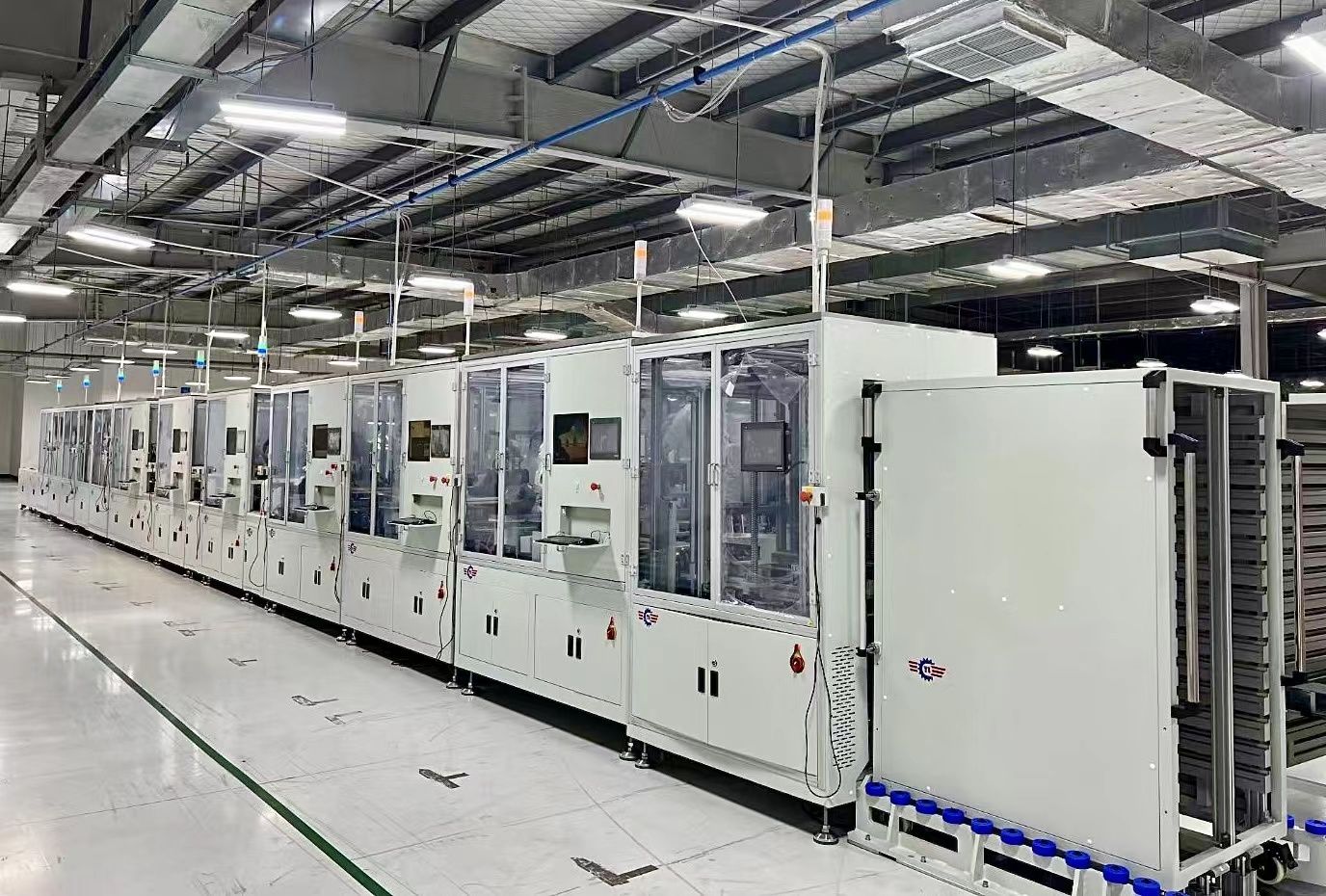
Aivora Technology Co., Ltd. is a professional AI server manufacturer dedicated to delivering high-performance GPU server solutions, AI computing infrastructure, and customized data center systems for customers worldwide. Established in 2018, the company has rapidly grown into a trusted partner for enterprises, cloud service providers, AI startups, research institutions, and system integrators seeking reliable and scalable AI computing platforms.
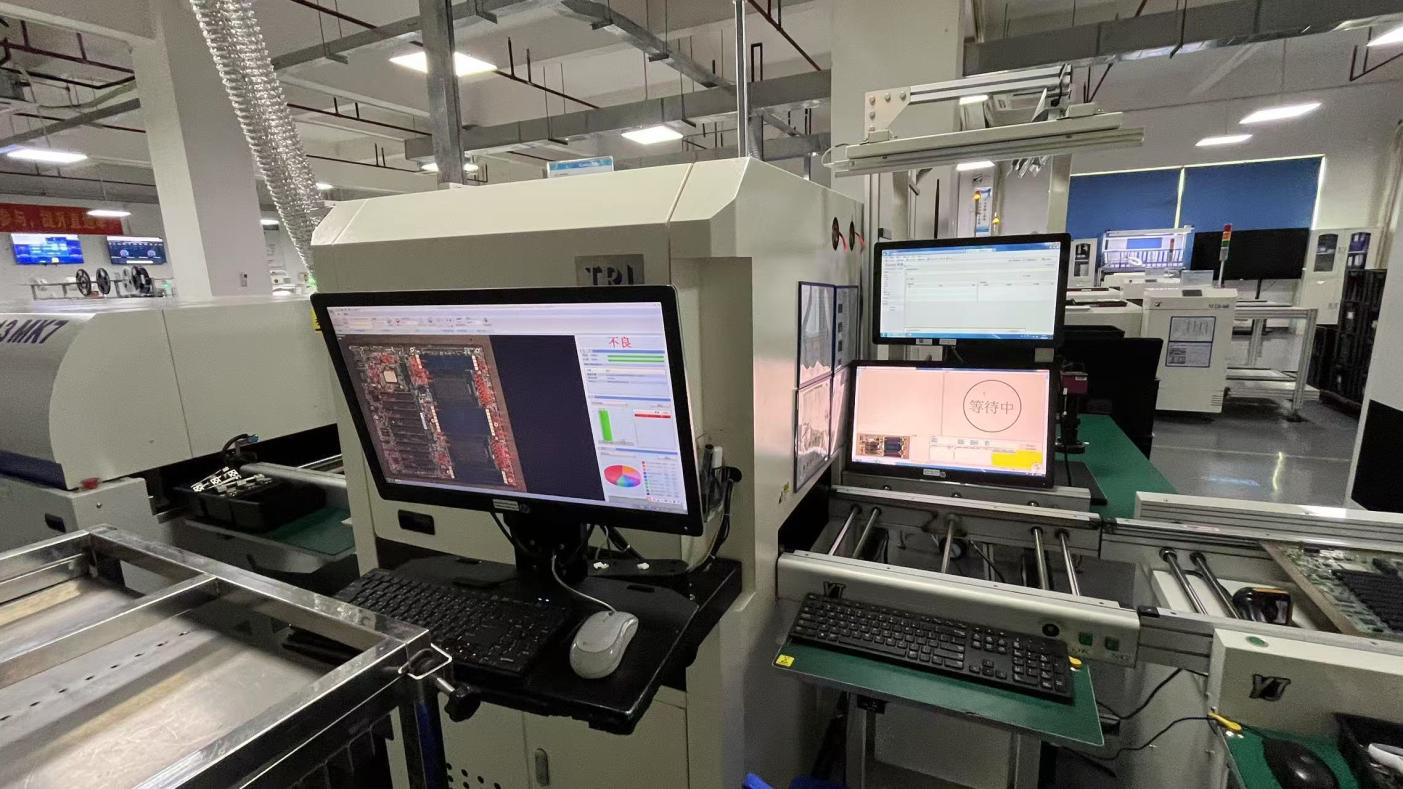
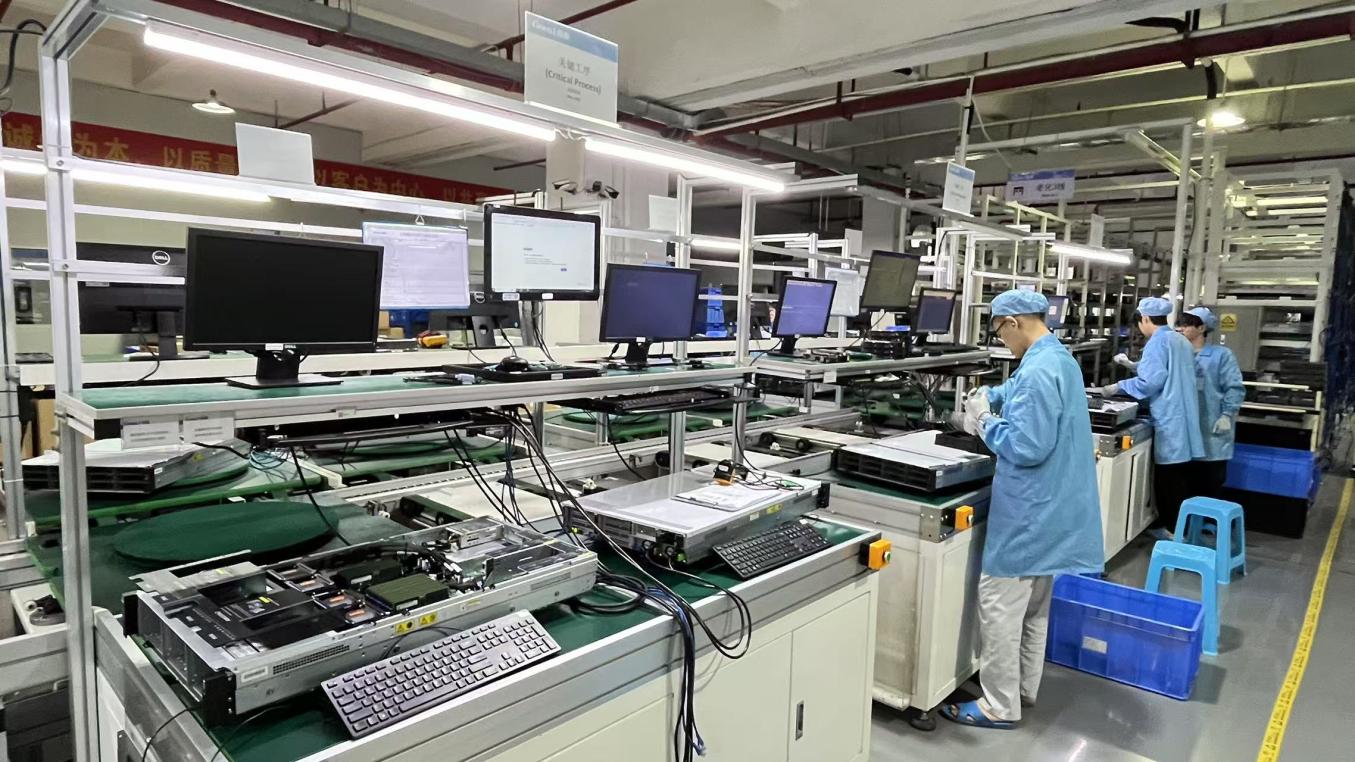
Located in Shenzhen, China, Aivora operates a modern manufacturing facility covering 386 square meters and integrates advanced production, testing, and quality management systems to ensure consistent product performance and reliability. With over 8 years of export experience and 14 years of industry expertise, we have successfully served customers across North America, Europe, Southeast Asia, the Middle East, and South America.
Our product portfolio includes AI training servers, AI inference servers, GPU workstations, edge AI servers, HPC servers, storage servers, and customized rack-level solutions. Leveraging strong R&D capabilities, we provide flexible OEM and ODM services, supporting hardware customization, chassis design, GPU configuration, branding, and system integration according to specific project requirements.
Quality is at the core of our operations. Every product undergoes comprehensive quality inspections, including component verification, system integration testing, burn-in testing, thermal performance evaluation, power consumption testing, and final functional validation before shipment. Our quality control team consists of 46 experienced inspectors who ensure every system meets international quality standards and customer specifications.
Aivora maintains close cooperation with more than 1,250 supply chain partners, enabling efficient sourcing, stable production, and rapid delivery of high-performance computing solutions. Supported by a team of 128 R&D engineers, we continuously innovate and introduce new technologies to meet the rapidly evolving demands of artificial intelligence and data-intensive applications. In the past year alone, we successfully launched 186 new products and solution variants. Our annual export revenue exceeds USD 18 million.

Understanding which GPU server setups are optimal for different levels of industrial VR, digital twin execution, and spatial engineering systems.
| VR Application Scenario | Recommended GPU Server Spec | Key Performance Metrics | Target Industries |
|---|---|---|---|
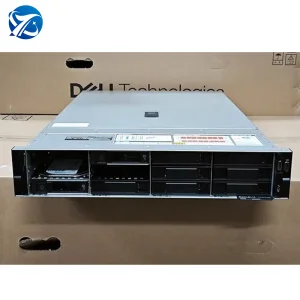
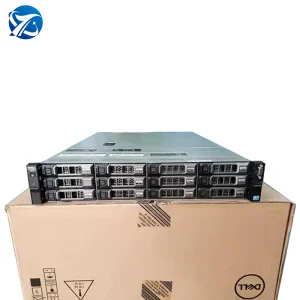
| Real-Time Design Collaboration | Dual-socket Intel Xeon, Multi-GPU (e.g., Dell PowerEdge R760XD2) | High I/O storage throughput, Ray-tracing capabilities | Automotive Design, Architectural Studios |
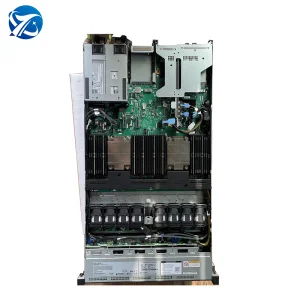
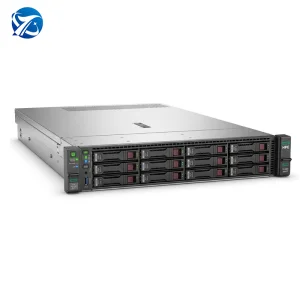
| CloudXR Virtual Training | 1U/2U High-Density Rack Servers (e.g., HPE ProLiant DL380 Gen12) | Low-latency stream compression, multi-user scheduling | Defense, Flight Simulators, Heavy Industry |
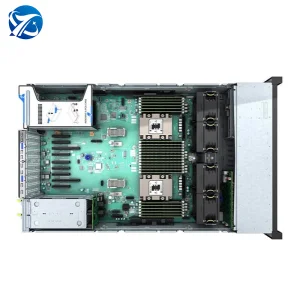
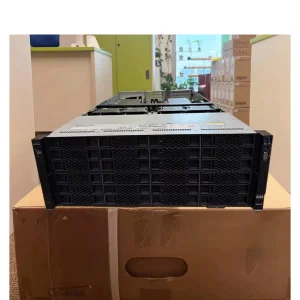
| Enterprise Digital Twins | 4U AI Server Platforms (e.g., FusionServer 5288 V7 / xFusion 2488H V7) | Massive GPU core configurations, high memory capacity | Smart Cities, Industrial IoT, Aerospace |
| Localized Classroom Systems | 1U Edge Computing Nodes (e.g., Dell PowerEdge R660XS) | Energy efficiency, compact chassis footprint | Academic Labs, High Schools, VR Arcades |
Crucial integration and deployment answers compiled by Aivora's R&D Department for systems integrators and spatial computing directors.
In a CloudXR configuration, the visual output is rendered on the host GPU server rather than the headset. Any delay in processing frames directly compounds spatial desynchronization (motion-to-photon latency). Utilizing high-speed multi-socket CPU/GPU servers with optimized PCIe lanes ensures that ray-tracing and scene compilation are completed within a 5ms window, leaving ample time budget for network transmission over enterprise Wi-Fi 6E/7 routers to keep total round-trip latency below the critical 20ms human nausea threshold.
Standard servers lack the specialized cooling, thermal headrooms, and high-performance PCIe bus configurations necessary to sustain continuous graphics processing under maximum load. Aivora's server architecture includes advanced custom power distribution boards and high-RPM cooling systems designed specifically to prevent thermal throttling. This ensures that the system delivers consistent frame rates to local and remote VR headsets during intensive multi-hour virtual training routines.
Yes. Supported by 128 R&D engineers, Aivora offers comprehensive OEM and ODM services. This includes physical modifications to server chassis dimensions (such as short-depth chassis designs for compact command vehicles or mobile training rigs), custom GPU configurations, private label branding, and optimized BIOS configurations specifically tuned for real-time spatial computing software.
Aivora leverages over 8 years of export experience to navigate international compliance protocols. Every server undergoes rigorous QA cycles led by our 46 inspectors, including a minimum of 24-hour continuous burn-in testing, component validation, and thermal benchmarking. We ship using robust custom wooden crates to prevent micro-fractures in large server boards during transit.
High-availability and high-density servers configured for real-time deployment, asset hosting, and rendering infrastructure.