Aivora
Aivora
Aivora
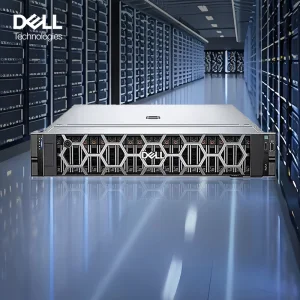
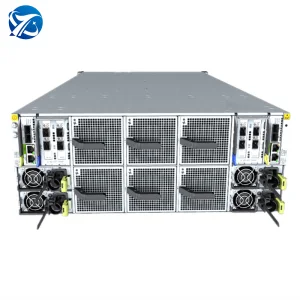
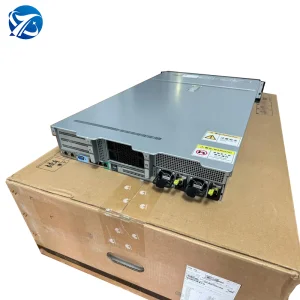
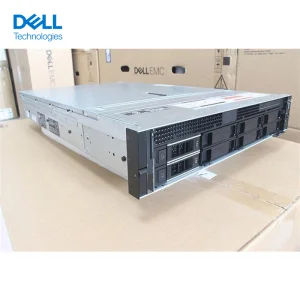
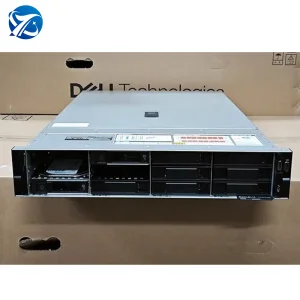
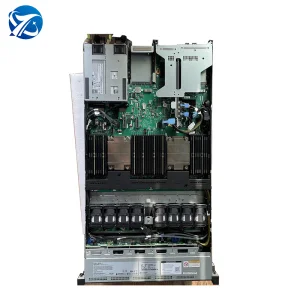
The exponential growth of artificial intelligence, high-performance computing (HPC), and distributed cloud systems has fundamentally reshaped the global network infrastructure. Modern network switches are no longer just basic packet-routing utilities; they have evolved into the high-performance backplane of modern enterprise datacenters. When designing scalable clusters—whether deploying advanced AI training servers, edge computation nodes, or massive storage arrays—the selection of a premium switch partner is critical.
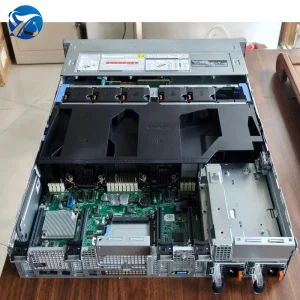
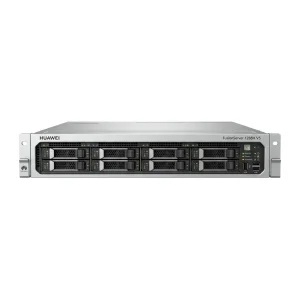
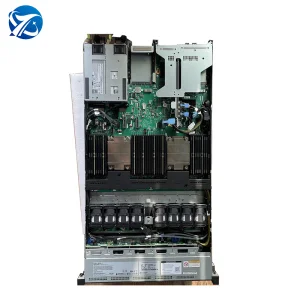
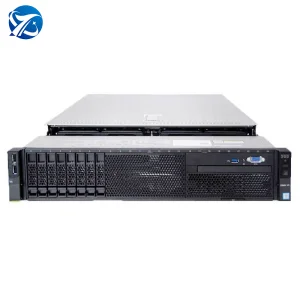
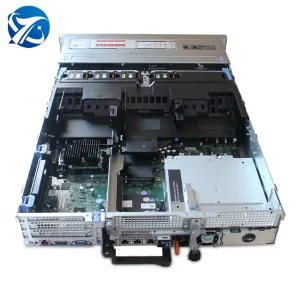
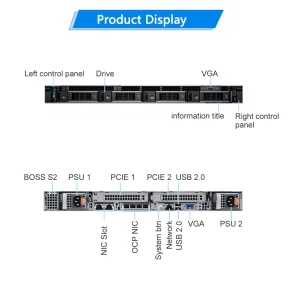
Today's industry looks for top switch suppliers and exporters who can provide high port-density, ultra-low latency, robust L2/L3 capabilities, and support for high-throughput standards like 100G, 400G, and the emerging 800G/1.6T Ethernet configurations. High-speed switches act as the nervous system connecting compute nodes (such as the Dell PowerEdge and FusionServer series) to high-speed storage architectures, ensuring data flows without packet loss or performance-degrading congestion.
When evaluating the world's leading network switch manufacturers and exporters, enterprise procurement managers must look beyond unit price. True reliability and system synergy require evaluating suppliers across a matrix of technical, operational, and supply-chain metrics:
Top suppliers design hardware based on cutting-edge merchant silicon (e.g., Broadcom Tomahawk series). Ensure switches support line-rate non-blocking throughput, low-latency switching, and high-performance packet buffers to handle intense burst traffic without packet loss.
Cross-border hardware shipments require rigorous compliance. Leading exporters guarantee certifications like CE, FCC, RoHS, VCCI, and UL, mitigating customs risks and verifying safe, energy-efficient operational standards in target markets.
Modern network topologies demand customized solutions. Top-tier providers provide OEM/ODM services, allowing custom branding, specialized ASIC programming, unique chassis designs, and seamless system level testing.
Within enterprise datacenters handling massive AI model runs (such as DeepSeek or large LLM training clusters), the network switch choice directly dictates overall GPU utilization. Traditional TCP/IP networks introduce high latency and processor overhead due to multiple memory-copying operations. As a result, the industry has migrated toward RDMA (Remote Direct Memory Access) architectures, using two dominant switch technologies:
| Feature | InfiniBand Switches | RoCEv2 (RDMA over Converged Ethernet) Switches |
|---|---|---|
| Architecture | Dedicated non-Ethernet protocol, credit-based flow control. | Ethernet packet encapsulation, priority-based flow control (PFC). |
| Latency Profile | Ultra-low (sub-microsecond), predictable hardware-based transport. | Low latency, slightly higher jitter under heavy congestion. |
| Implementation Cost | High; requires dedicated HCAs, optical cables, and switch fabrics. | Moderate; runs on standard high-speed Ethernet physical layers. |
| Ecosystem Openness | Proprietary hardware lock-in (largely dominated by NVIDIA/Mellanox). | Highly open, supported by multiple merchant silicon vendors and OEMs. |
| Deployment Complexity | High specialized networking knowledge required. | Moderate, compatible with existing Ethernet network monitoring systems. |
For companies looking to balance extreme high-performance with cost-effectiveness, high-performance Ethernet switches configured with RoCEv2 have become the industry standard. When selecting a switch exporter, ensure their equipment supports features like ECN (Explicit Congestion Notification) and PFC (Priority Flow Control) to prevent packet drops and maintain lossless transmission channels.
High-speed switches must connect to powerful, robust server nodes to process workload data effectively. This is where Aivora Technology Co., Ltd. serves as an essential global infrastructure provider. While Aivora focuses on AI and GPU server design and manufacturing, its role in integrating high-speed networking fabrics is a cornerstone of its business model.
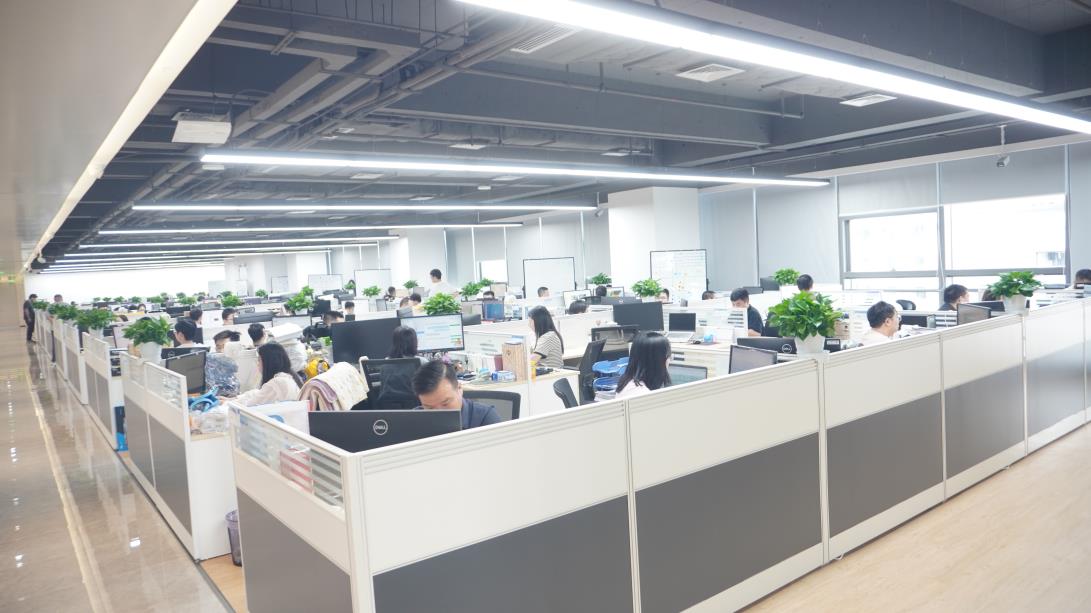
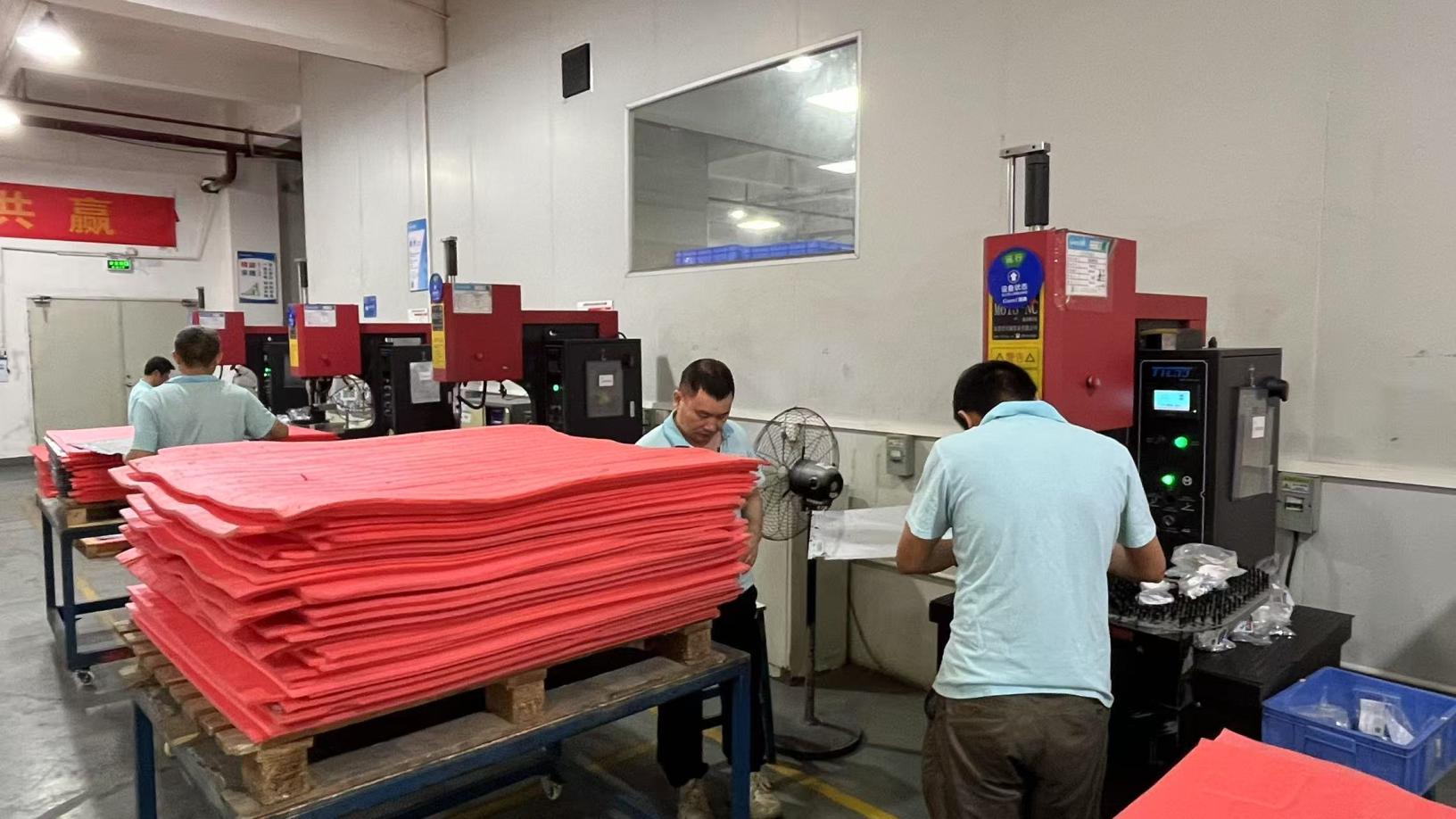
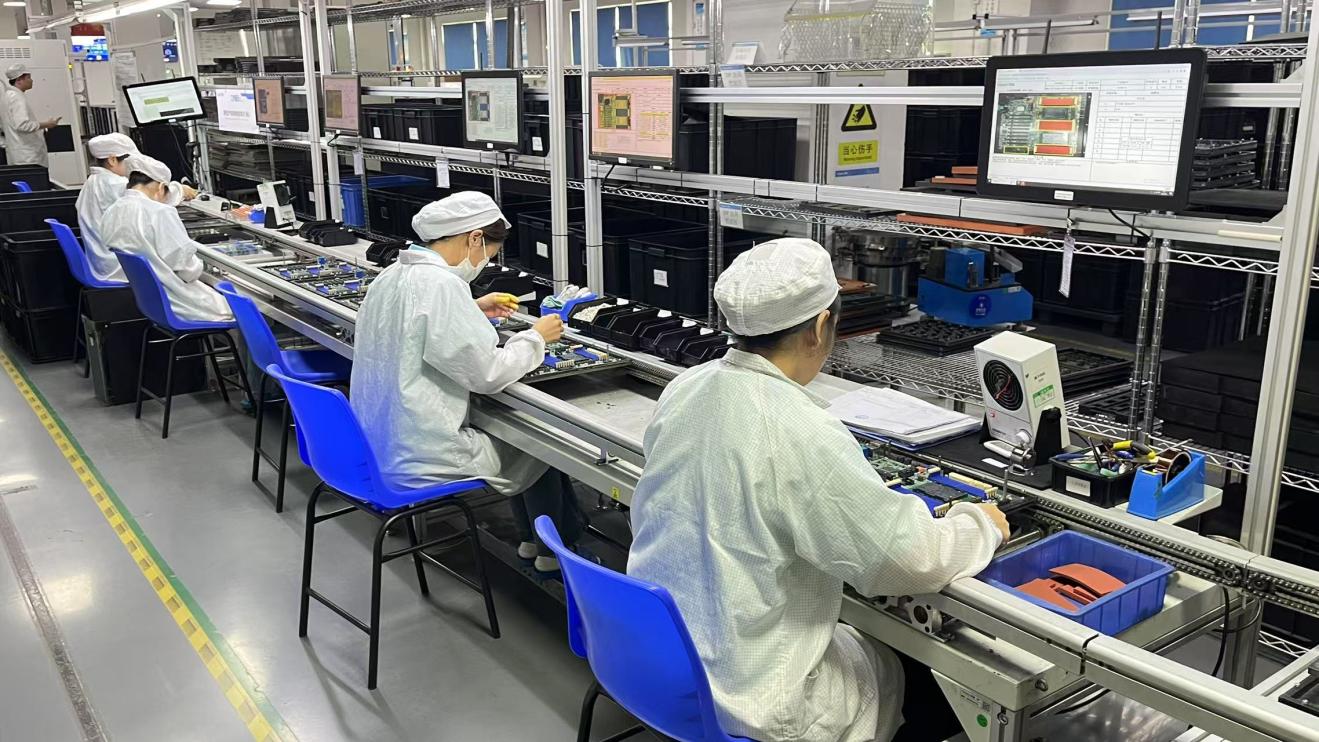
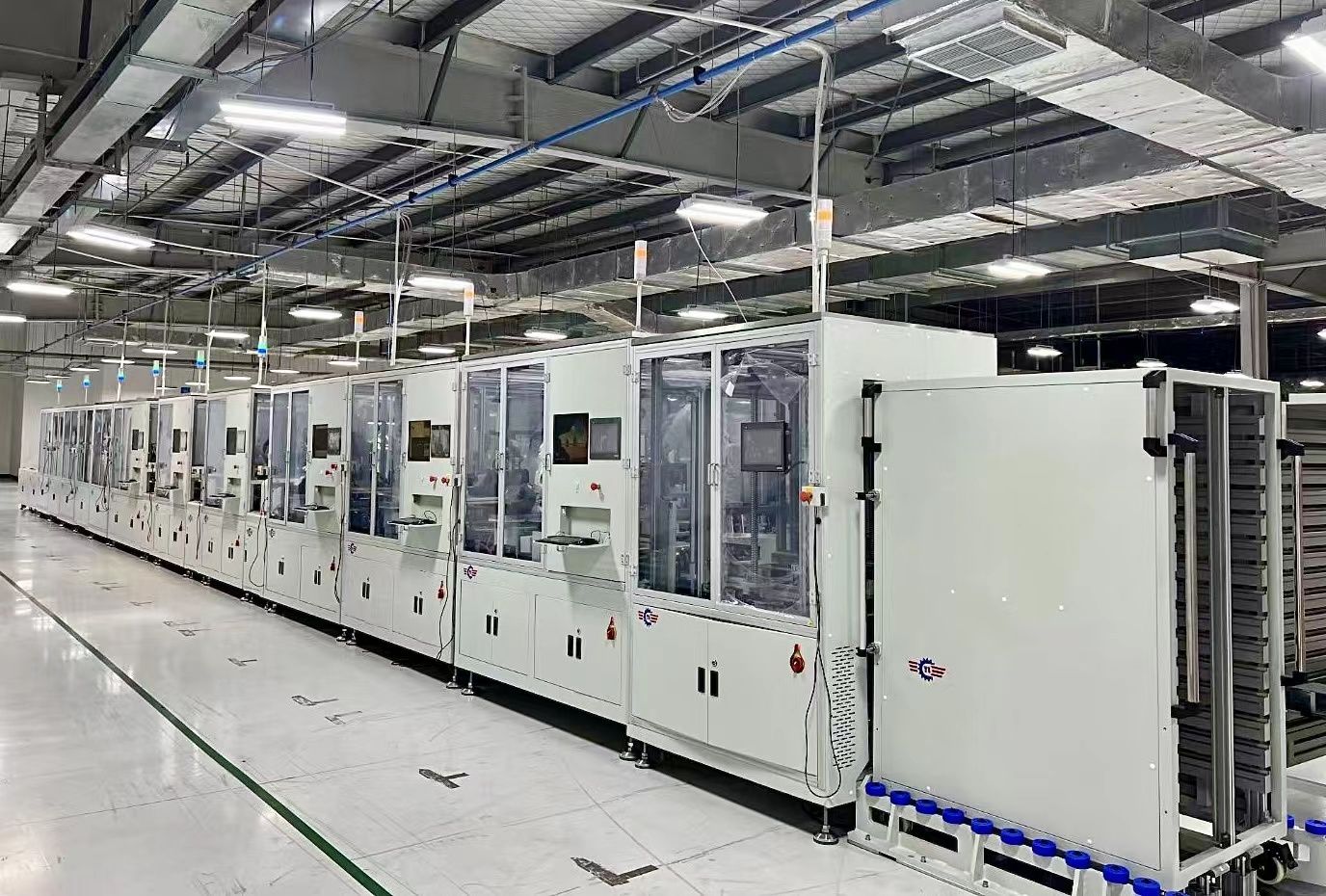
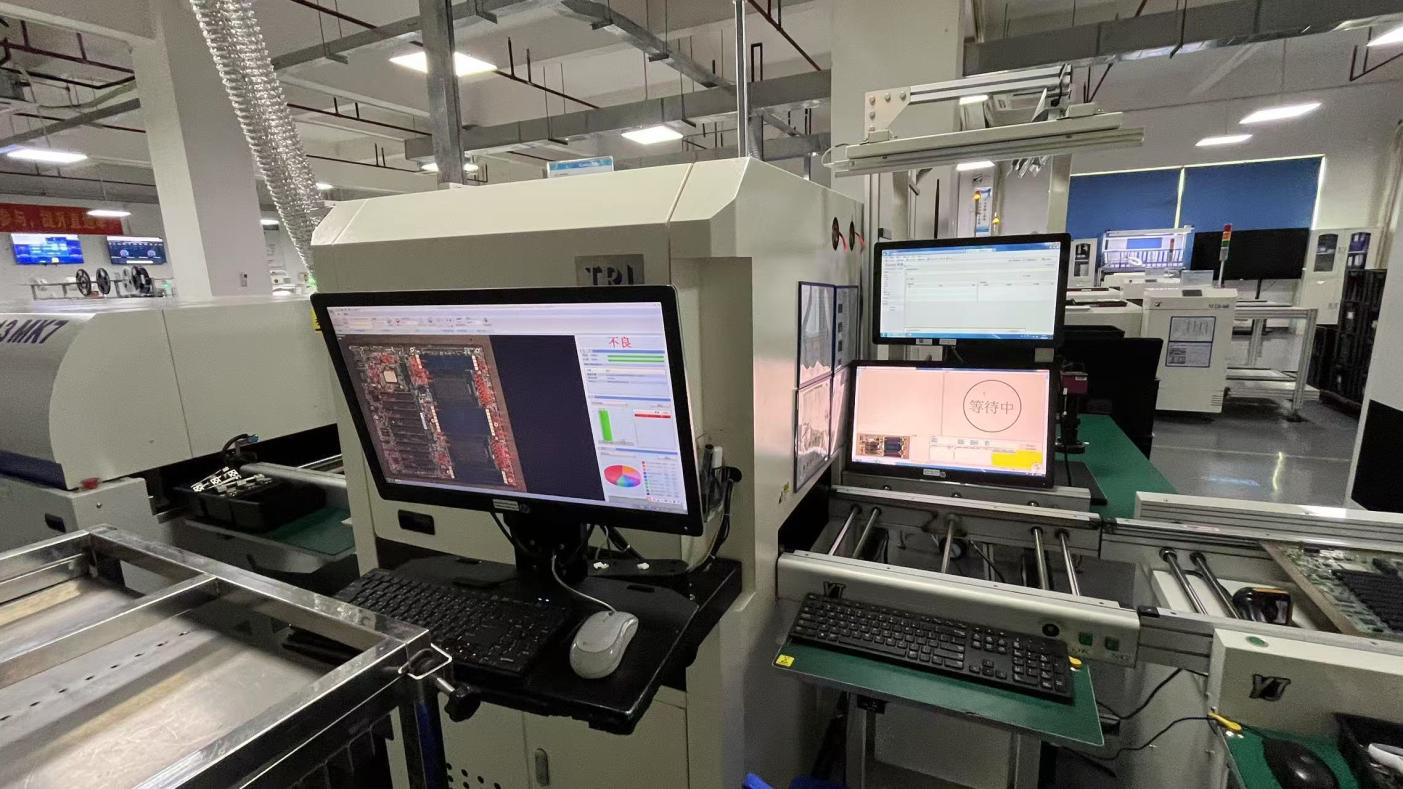
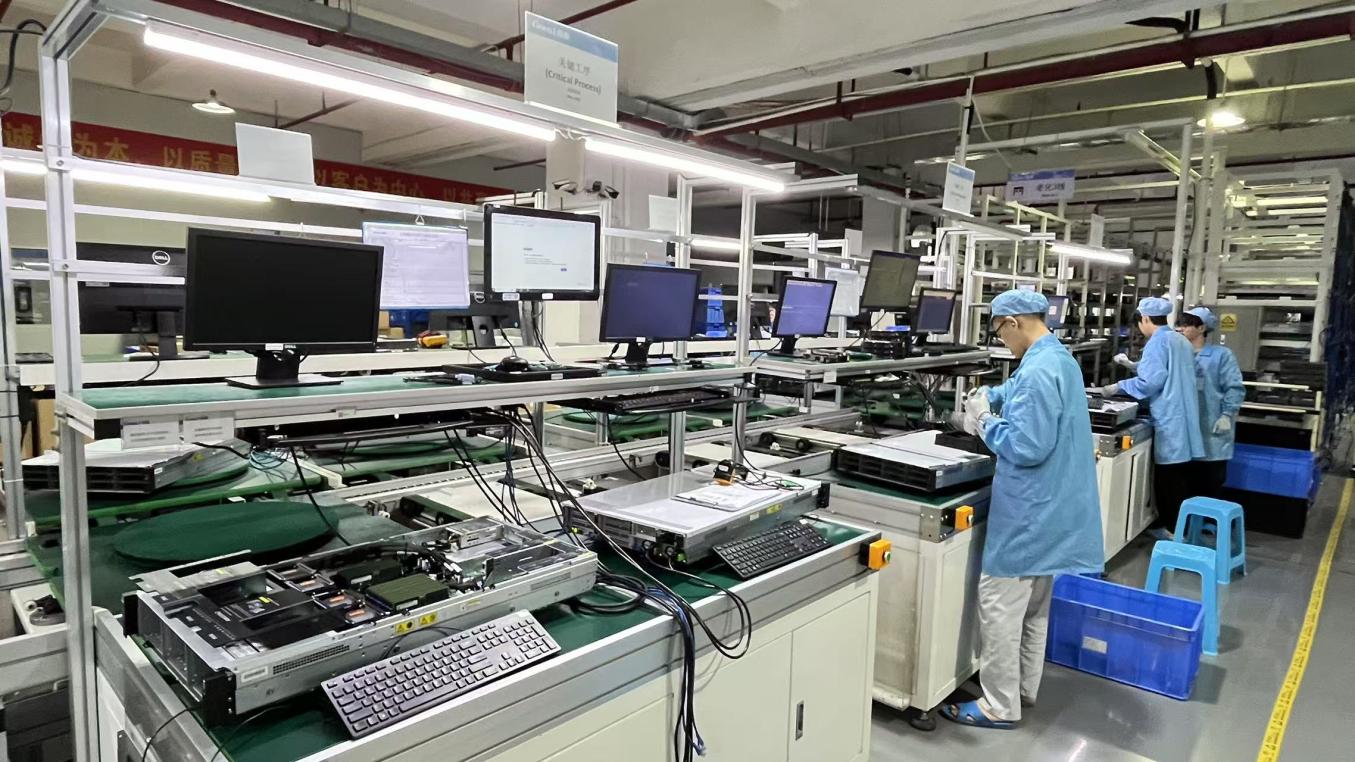
Established in 2018 and drawing on over 14 years of professional industry expertise, Aivora operates a modern manufacturing facility based in Shenzhen, China. With a highly optimized 386 square meter layout, Aivora integrates advanced manufacturing, component-level testing, and quality control systems. Aivora's team of 128 R&D engineers and 46 experienced quality inspectors ensures that every GPU server, AI training node, and server chassis meets strict international standards before dispatch.

The future of network switches is defined by physical speed scaling, dynamic telemetry, and power efficiency. As data rates climb beyond 400G and 800G, traditional copper wiring inside racks is hitting physical limits. Key trends to monitor over the next 3 to 5 years include:
CPO integrates optical engines directly alongside the switch ASIC on a shared substrate. This removes long copper traces, reducing transit latency, eliminating signal distortion, and lowering power consumption by up to 30% compared to traditional pluggable transceivers.
Next-generation switches feature INT (In-band Network Telemetry) to monitor packet queues and transmission delays in real-time. Integrated neural networks on switch ASICs can dynamically adjust routing paths to proactively prevent micro-burst congestion.
High-speed switch ASICs now consume over 500W per chip, requiring liquid cooling. Leading exporters design switches with liquid-to-air cold plates or support for direct liquid immersion systems, aligning with modern green datacenter requirements.
Implementing a robust network requires choosing the right deployment topology. Organizations must match switch architectures to their specific workflow requirements:
For internal datacenter applications, the traditional three-tier networking model has been replaced by two-tier Spine-Leaf architecture. Leaf switches aggregate connections from servers (such as AI nodes or storage racks) and connect to every Spine switch. This setup ensures consistent hop counts and predictable latency across the network fabric.
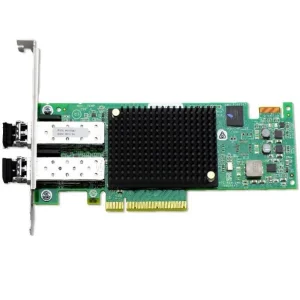
Combining high-speed storage access (using NVMe-oF or Fibre Channel HBA cards like Emulex LPe35002) with computing networks onto a single unified switch fabric helps reduce hardware overhead. A converged network simplifies management, lowers power and space requirements, and reduces capital expenditure.