Aivora
Aivora
Aivora
Explore our leading deployment-ready bare-metal storage solutions and server frameworks designed to optimize data retention pipelines.
Why hardware-level reliability, storage topography, and local integration determine the success of global enterprise backup schemas.
In the era of hyper-scale database clusters, complex AI workloads like LLM training, and persistent cybersecurity threats (particularly ransomware), the definition of an enterprise backup solution has evolved. It is no longer sufficient to treat backup targets as low-performance passive destinations. Today's architectures require high-throughput processing, massive parallel I/O, immutable storage protection, and reliable recovery timelines. Modern backup topologies require servers to balance intense multi-threaded workloads, high storage densities, and comprehensive fault tolerance.
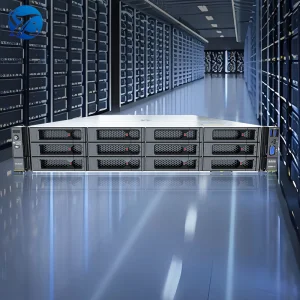
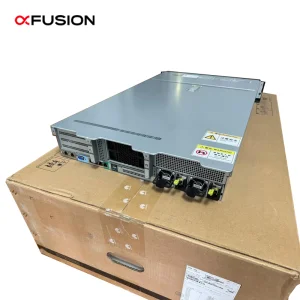
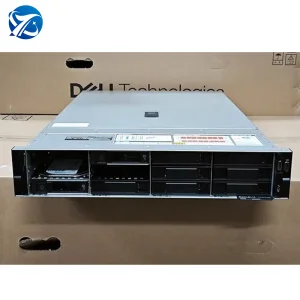
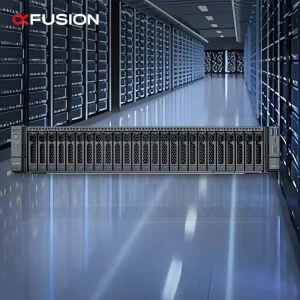
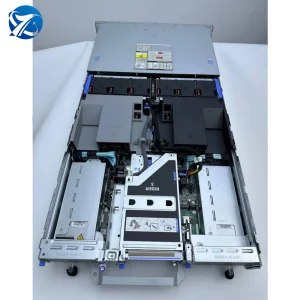
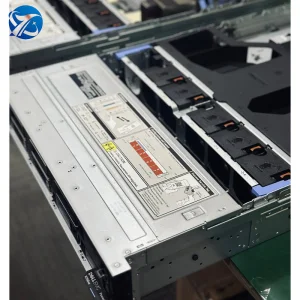
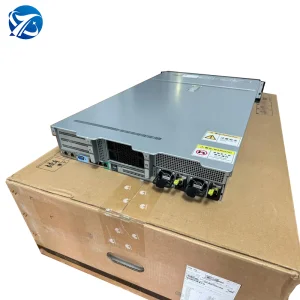
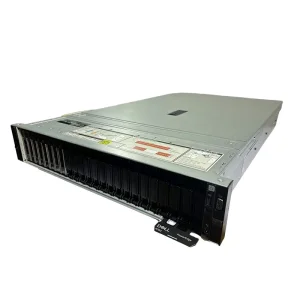
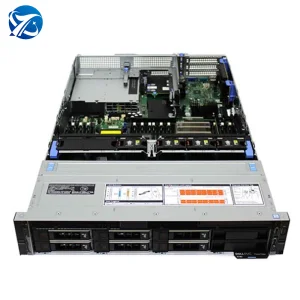
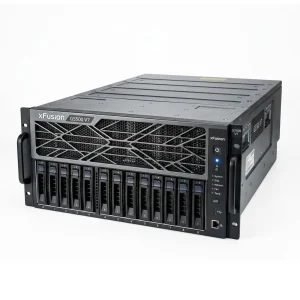
As a leading supplier and exporter of AI and storage architectures, Aivora Technology Co., Ltd. has engineered high-efficiency configurations to serve these specific needs. By utilizing specialized dual-socket rack servers (such as the xFusion 2288H V7 or the Dell PowerEdge R760) alongside enterprise-grade RAID controllers and large NL-SAS arrays, companies can construct solid environments capable of achieving ambitious Recovery Point Objectives (RPO) and Recovery Time Objectives (RTO).
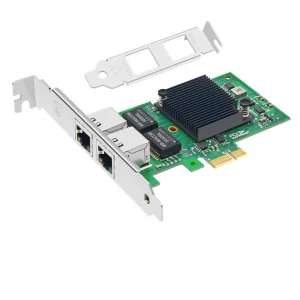
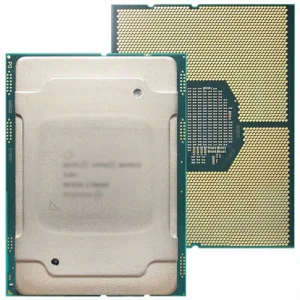
By coupling Intel Xeon Scalable Processors (such as the Xeon 4410Y) with robust array controllers like the XC470C-M-8i with 4GB cache, we ensure sustained sequential write speeds during backup windows and zero bottlenecking during restore operations.
Modern data security demands air-gapped protection. Our enterprise storage solutions utilize write-once-read-many (WORM) parameters, firmware-level security, and encrypted network connections to prevent backup modification by external actors.
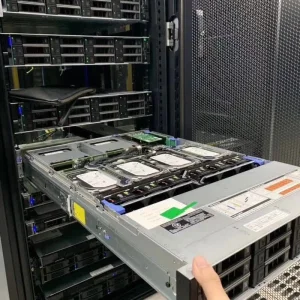
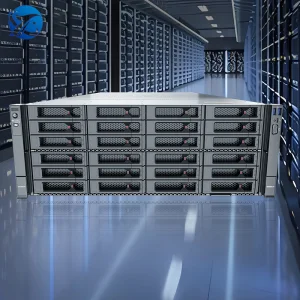
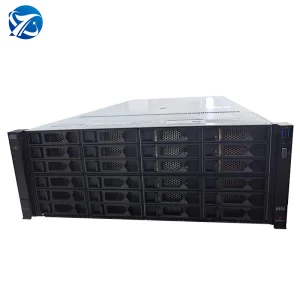
Whether deploying 25-bay SFF server systems for real-time transactional database logs or 3.5-inch high-capacity LFF arrays containing 12TB NL-SAS disks, our hardware accommodates petabyte-scale storage expansions dynamically.
Understanding how enterprise backup hardware adapts to varying localized needs, compliance regulations, and operating environments worldwide.
Financial clusters require continuous replication and hot-tier write targets. The integration of 2.5-inch SSD networks using the xFusion 2288H V7 paired with hardware RAID 10 yields ultra-low write latency and immediate failover capabilities.
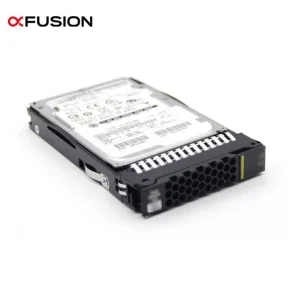
Hospital networks demand massive storage capacity subject to strict regulatory retention frameworks (like HIPAA). Systems configured with high-density NL-SAS HDDs (4TB to 12TB SAS 12Gb/s) provide the best capacity-to-cost ratio for long-term immutable archives.
During heavy AI modeling and machine learning operations (such as Deepseek deployments running on xFusion GPU systems), temporary checkpoints and training weights require constant background saves. We optimize throughput via multi-controller cards.
Multi-tenant infrastructure relies on flexible, hot-swappable storage units configured with broad hypervisor compatibility. Our hardware works out-of-the-box with VMware, ProxMox, and Windows Server clusters.
| Backup Scenario | Critical Hardware Component | Recommended Drive Topology | Target Protocol & Connection |
|---|---|---|---|
| Virtual Machine Backup Targets | Dell PowerEdge R760 2U Rack | NL-SAS 12Gb/s HDD + NVMe Write Cache | iSCSI / NFS over 25GbE SFP28 |
| AI Inference & Checkpoint Logging | xFusion G5500 V7 / G5200 V7 | U.2/U.3 PCIe 4.0 Enterprise SSDs | RDMA over Converged Ethernet (RoCE) |
| Transactional Databases | FusionServer 2488H V7 4-Socket | SAS SSDs in RAID 10 via XC470C-M-8i | Fibre Channel (FC) / SAS Direct-Attach |
| Cold-Tier Data Archiving | xFusion 2288H V5 2U 12 LFF | Large Capacity 12TB NL-SAS Disk Arrays | S3 Compatible Object API / SMB |
A proactive roadmap focusing on hardware acceleration, AI-driven predictive storage failure, and software-defined optimization.
As storage standards transition from SAS-3 (12Gb/s) to SAS-4 (24Gb/s) and PCIe 5.0 systems become the norm, the roadmap for enterprise backup points to high consolidation. The next generation of backup targets integrates NVMe-over-Fabrics (NVMe-oF) to reduce latency during massive restore campaigns. Aivora is currently aligning its development roadmap to support PCIe 5.0 systems, CXL (Compute Express Link) for pooled memory resource sharing, and intelligent data compression engines hosted on DPUs (Data Processing Units) to relieve main CPU cycles during backup windows.
At the center of our future-proof design lies AI-Optimized Storage Management. By running local ML-inference algorithms directly within storage controller cards, systems can predict hard drive degradation, balance drive wear levels, and detect anomalies associated with ransomware activity (such as sudden massive increases in data encryption rate) in real-time. This active security profile adds a reliable layer of defense to the raw storage hardware.
How Aivora leverages Shenzhen's dynamic tech ecosystem to ensure engineering quality and rapid component sourcing.
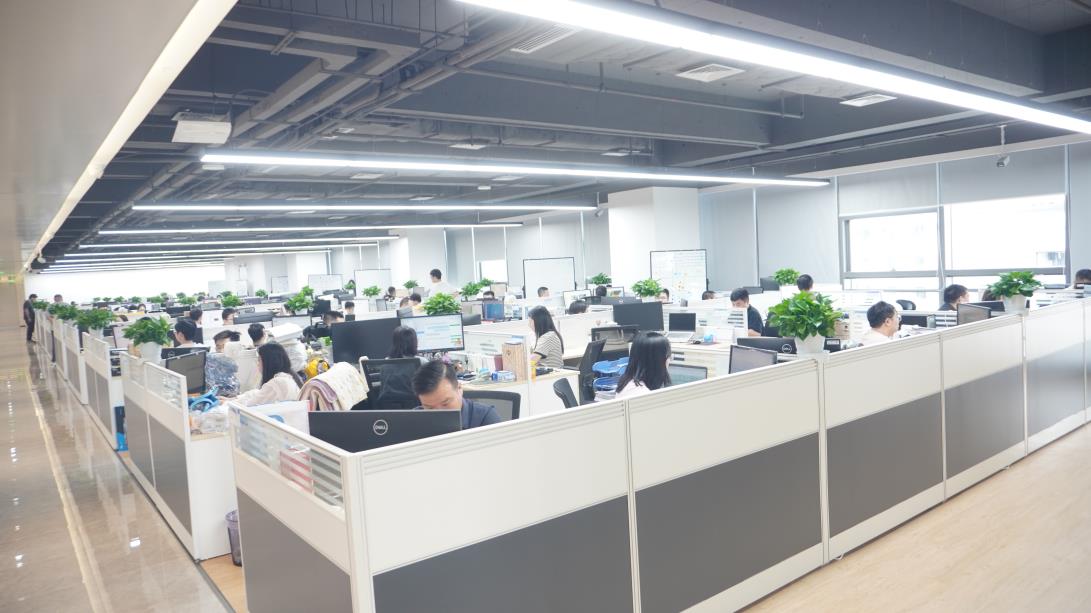
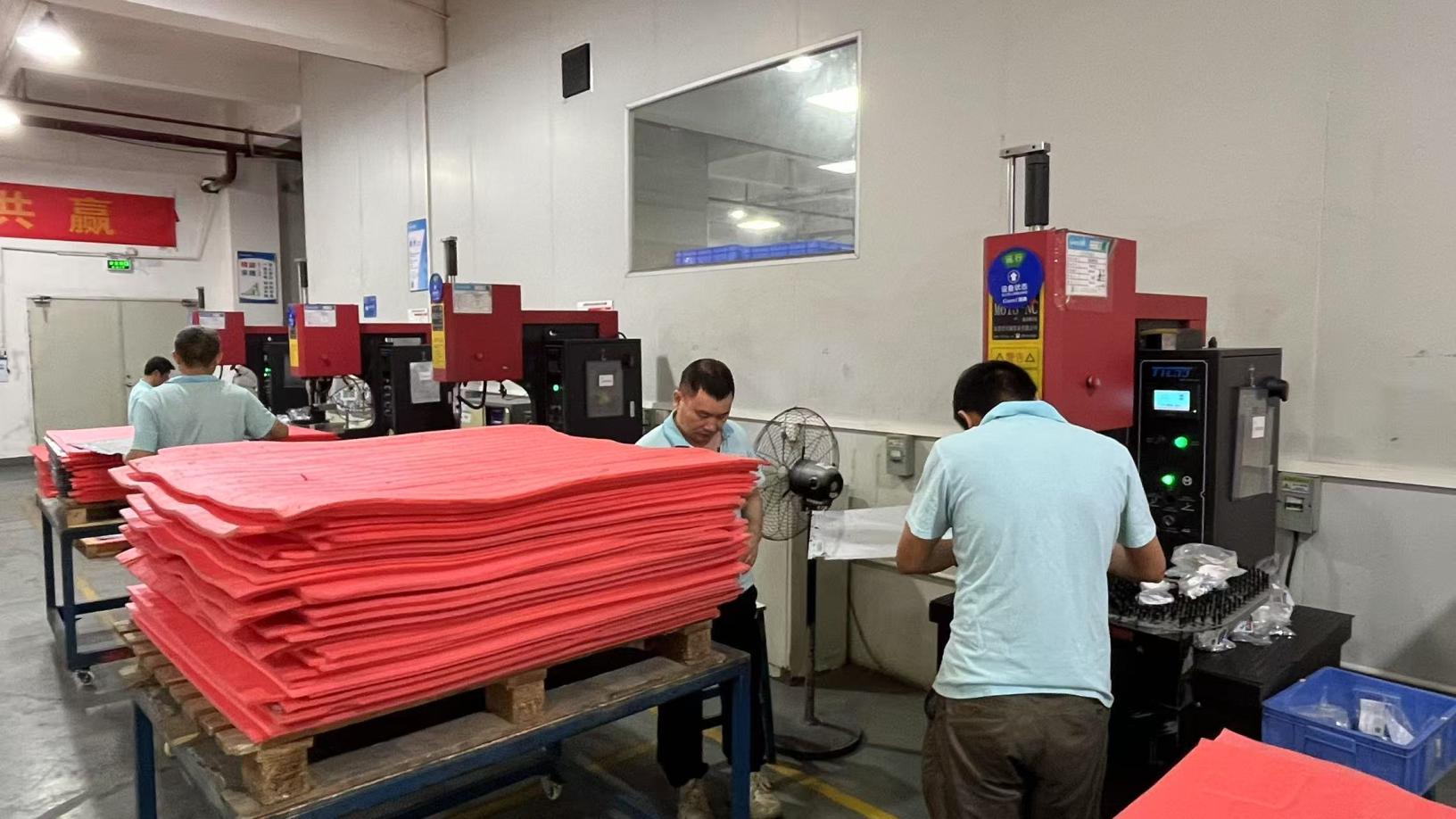
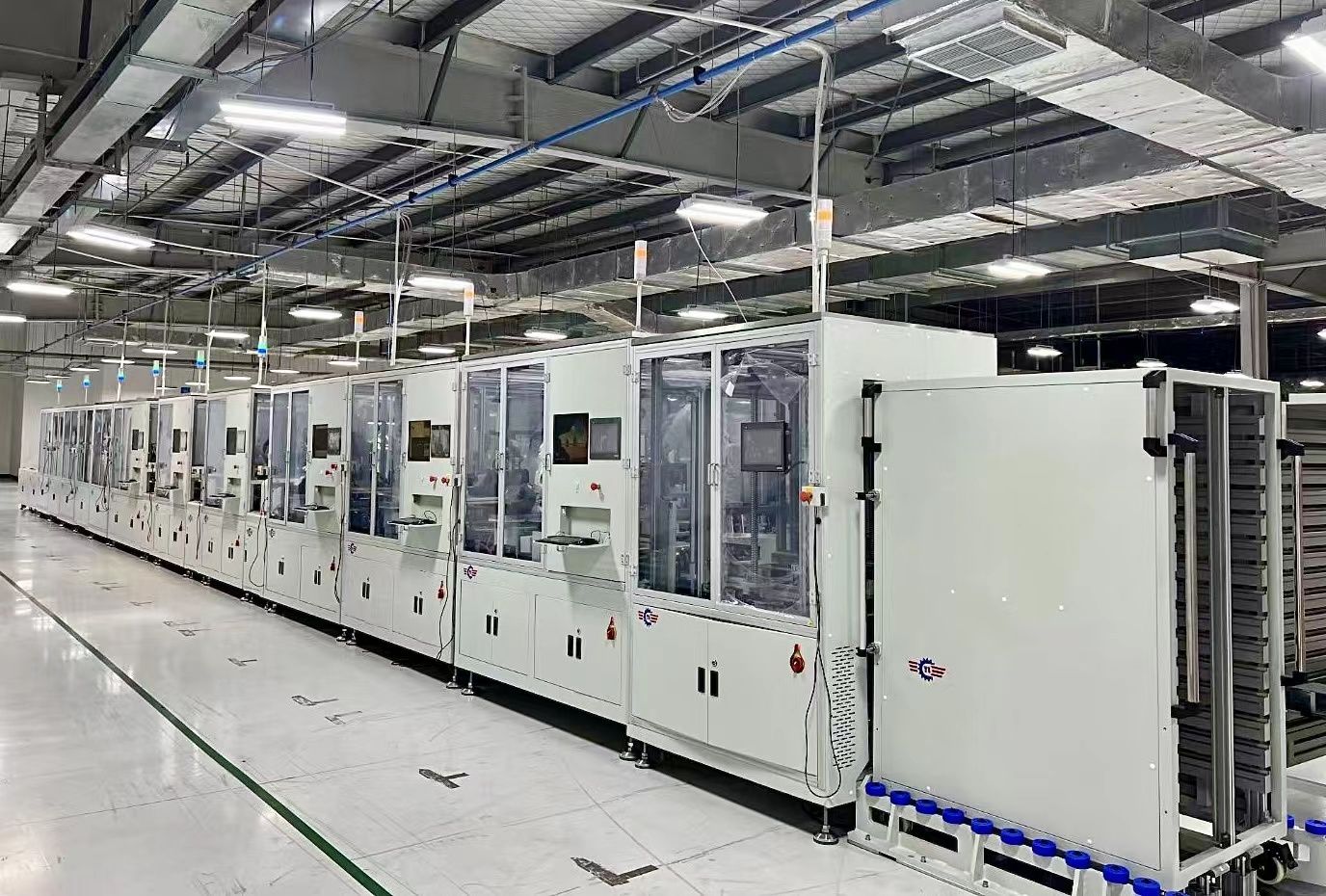
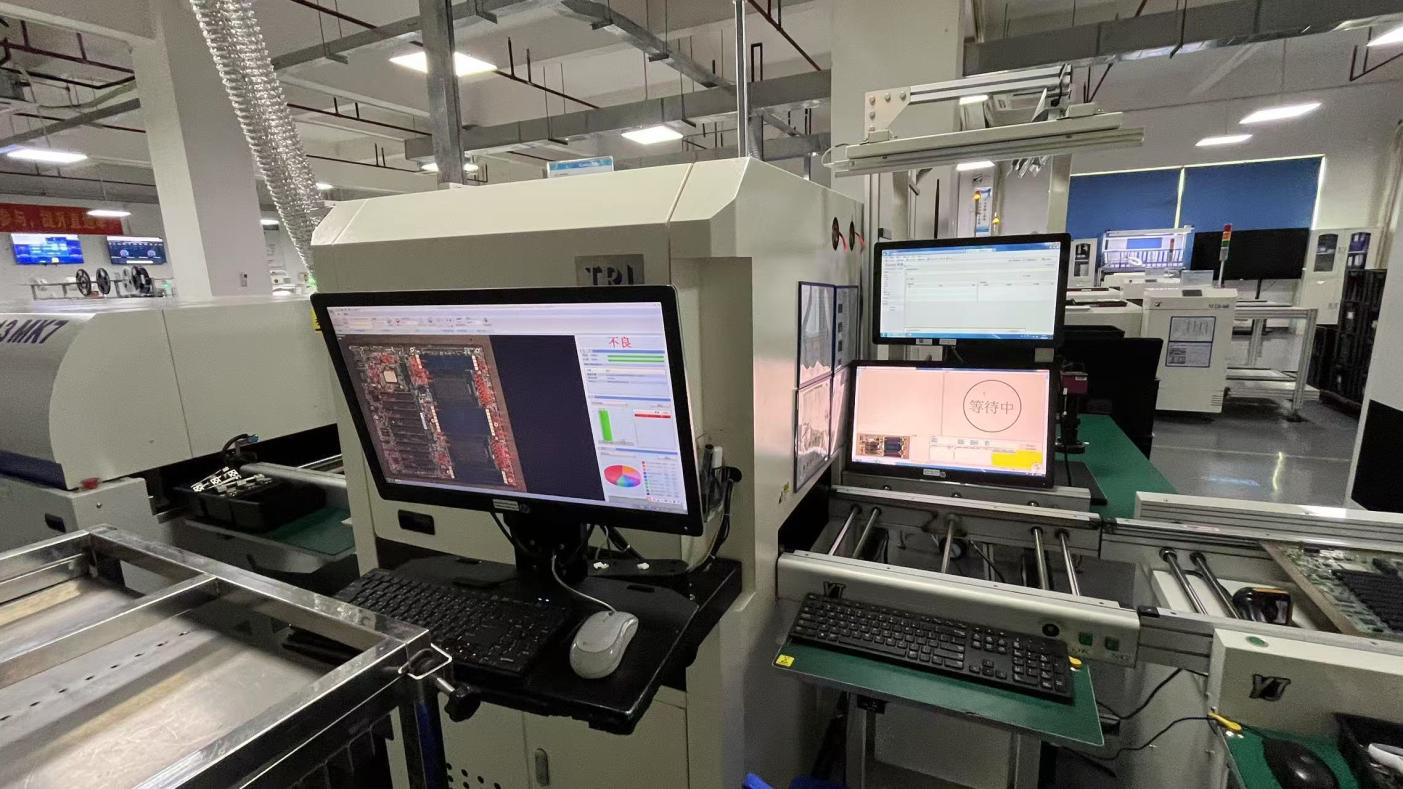
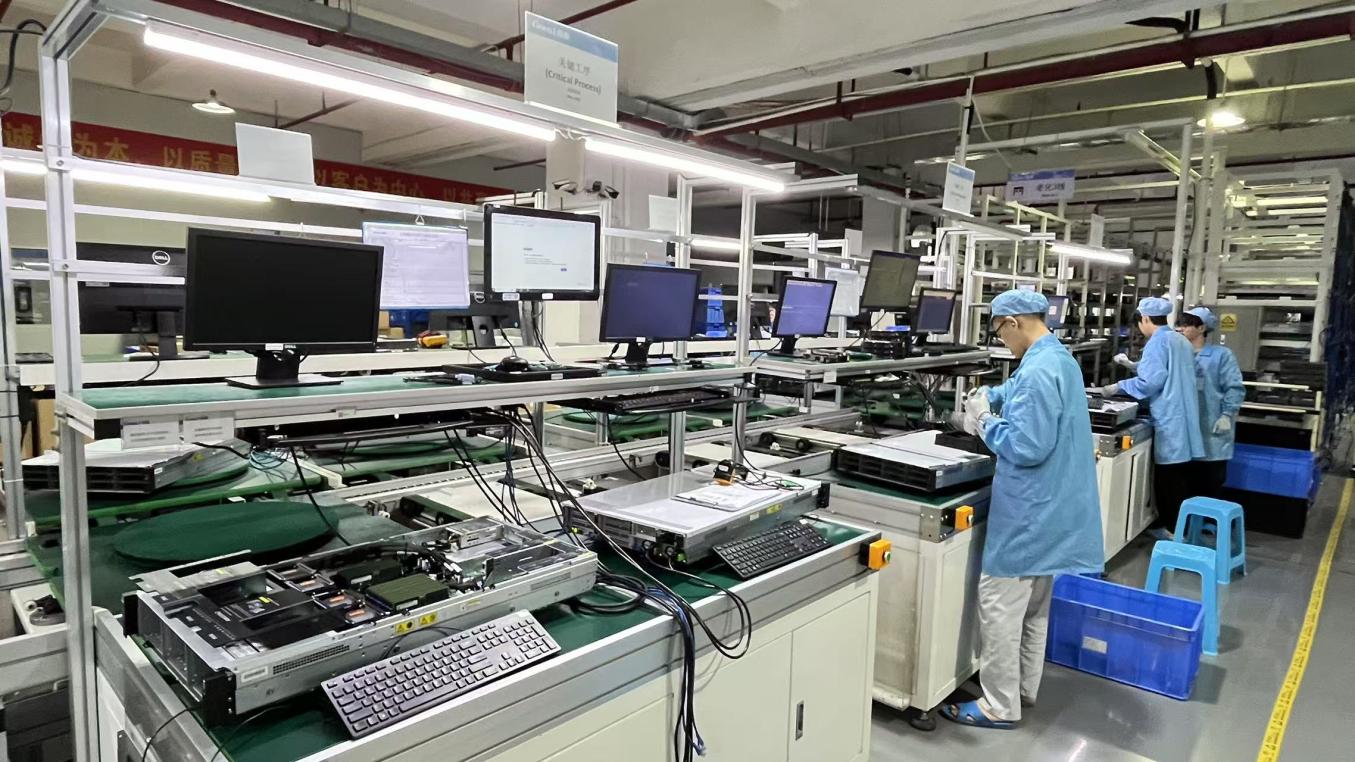
Aivora’s production facilities are located in Shenzhen, China – the global epicenter of electronic and computing hardware manufacturing. Operating within a highly integrated supply chain network of over 1,250 partners, we can source, test, assemble, and customize complex storage servers at speed. Every machine undergoes rigorous, specialized stress testing overseen by a team of 46 quality inspectors:


Helping modern companies meet stringent cross-border regulatory compliance and data storage frameworks.
Aivora understands that exporting backup and storage servers requires more than just shipping hardware. Different regions require strict alignment with international regulatory standards. Our hardware architecture is engineered to support the software-defined parameters required to comply with frameworks such as GDPR (Europe), HIPAA (United States), SOC 2, CCPA, and regional cybersecurity protection laws. By integrating firmware-level root of trust, Secure Boot, cryptographically signed firmware, and TPM 2.0 (Trusted Platform Modules), Aivora platforms provide a trusted foundation for compliance audits.
To support our global customers, we maintain a dedicated technical team of 128 R&D engineers. Whether you need custom OEM configurations, chassis design, system integration, BIOS customization, or on-site support coordination, our team delivers quick, reliable turnaround times. We have over 8 years of direct export experience shipping systems to North America, the EU, South America, and APAC, which translates to efficient custom clearance, secure packaging, and reliable maritime/air logistics.
Technical guidance and strategic answers from our lead storage systems engineering team.
Advanced high-capacity servers and GPU-accelerated node infrastructure designed to handle intense data analytics and backup workloads.