Aivora
Aivora
Aivora
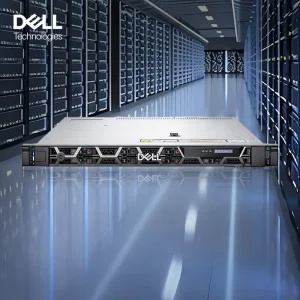
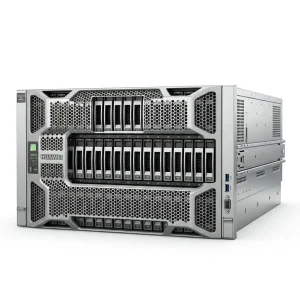
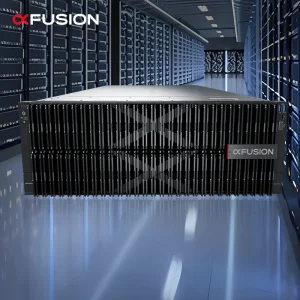
Explore our industrial-grade processing nodes configured for high-density GP-GPU execution, massive storage bandwidth, and enterprise mission-critical workloads.
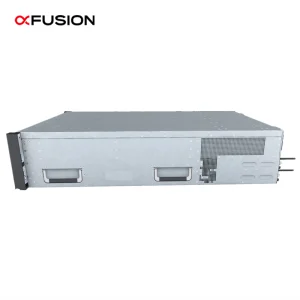
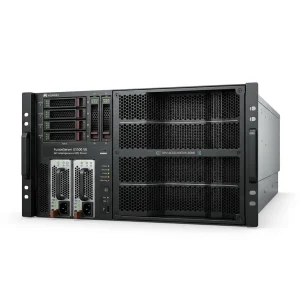
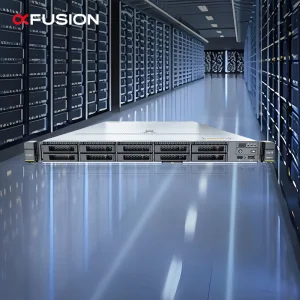
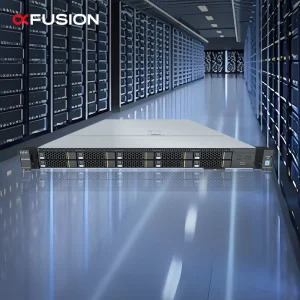
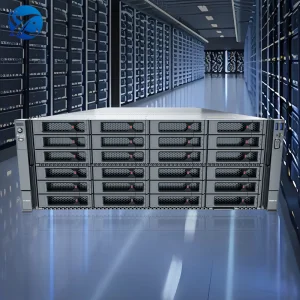
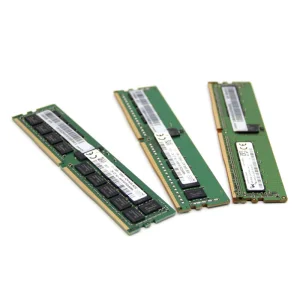
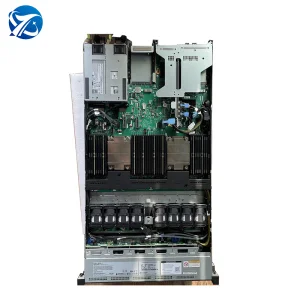
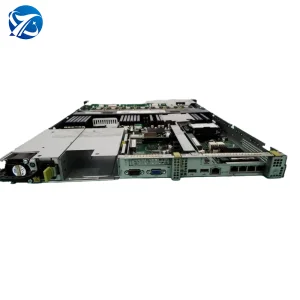
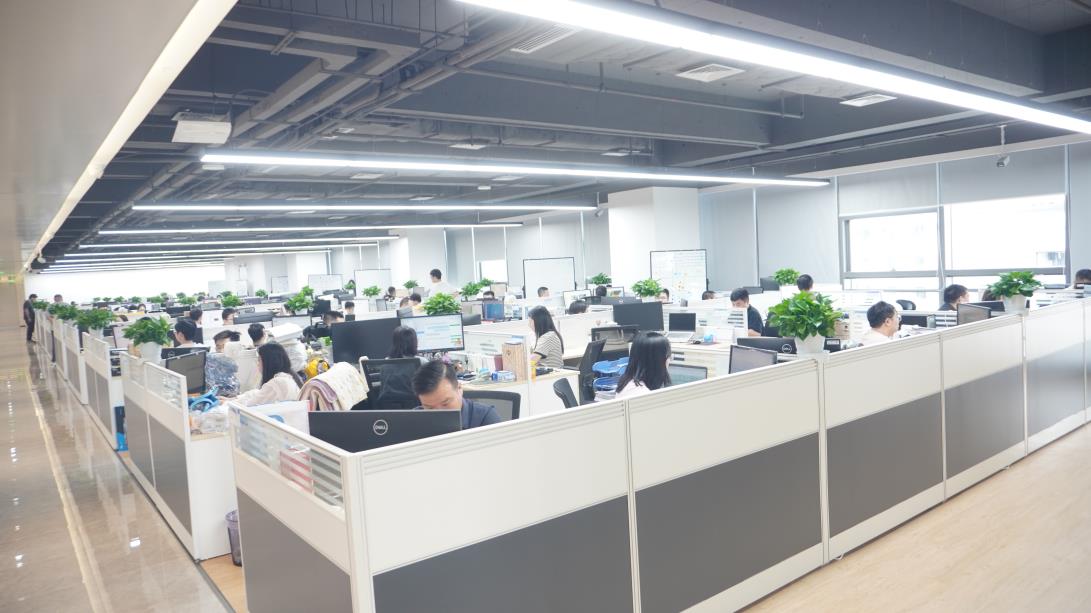
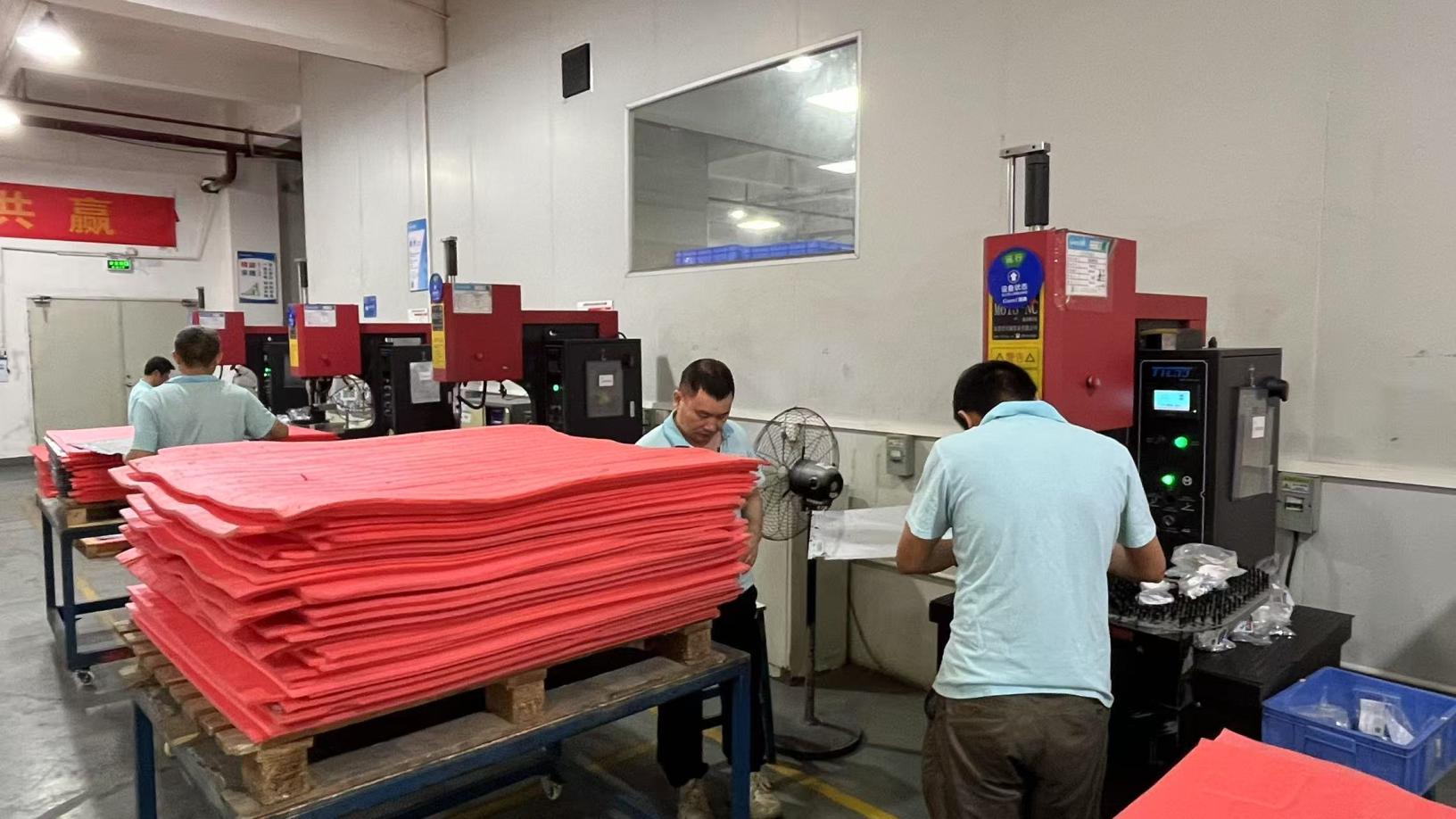
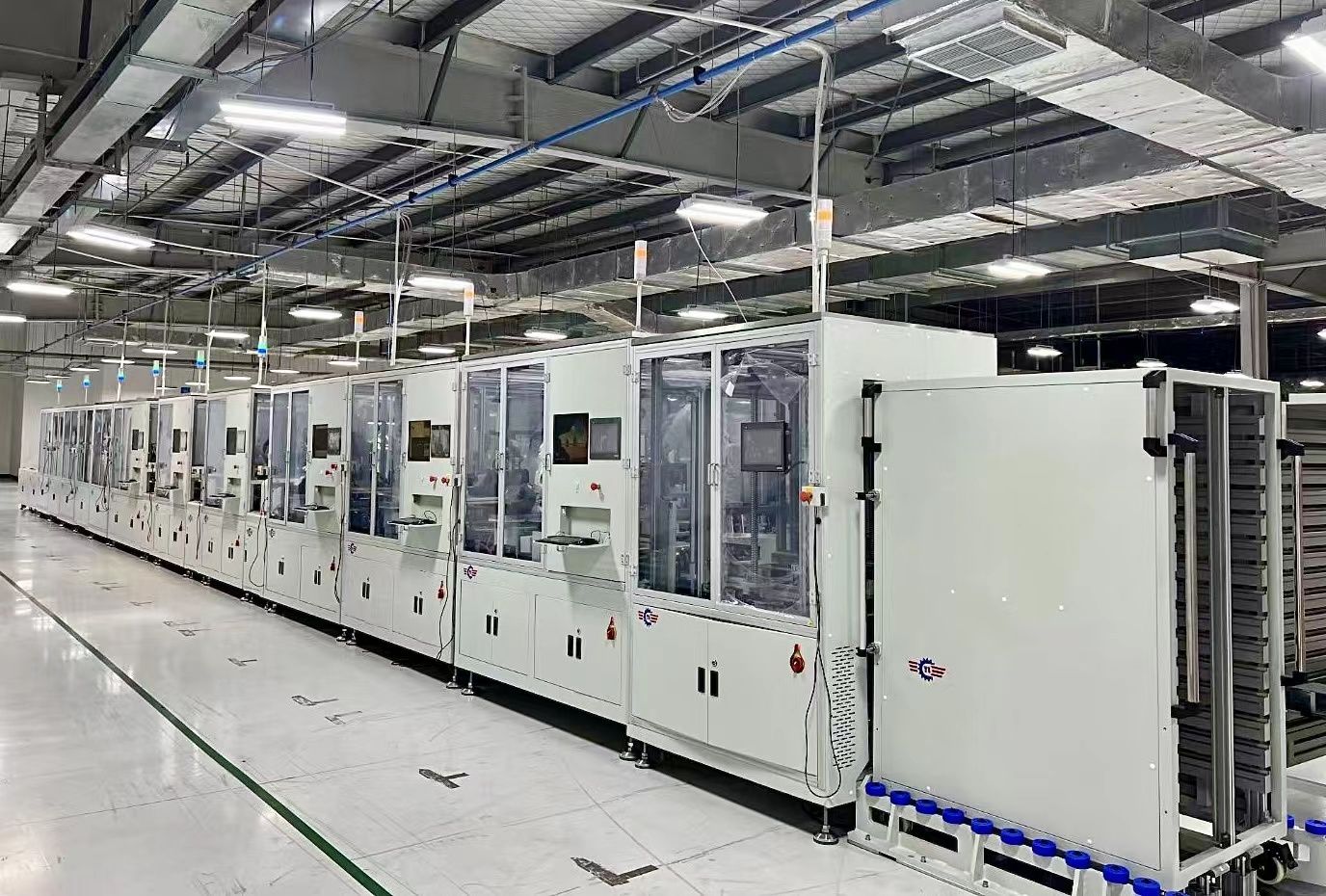
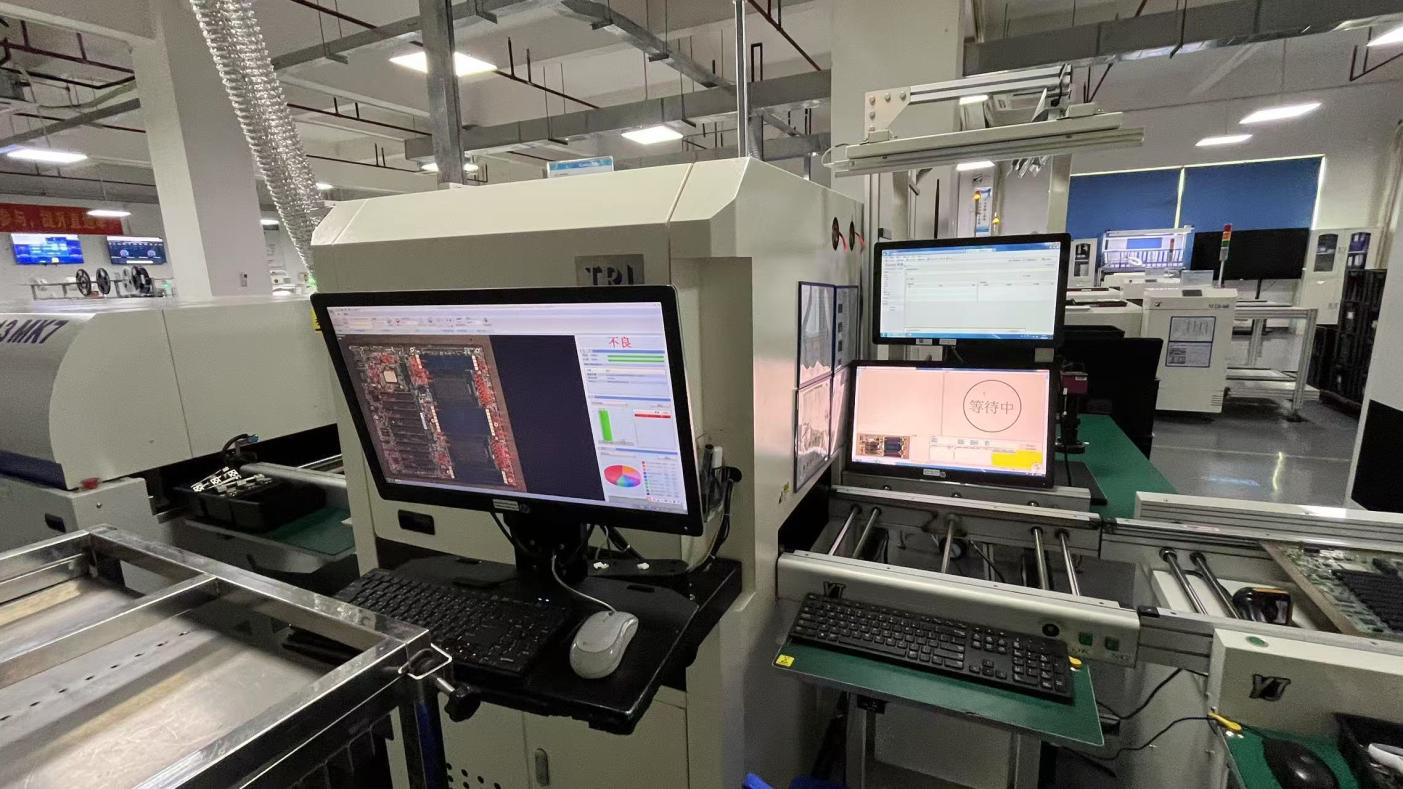
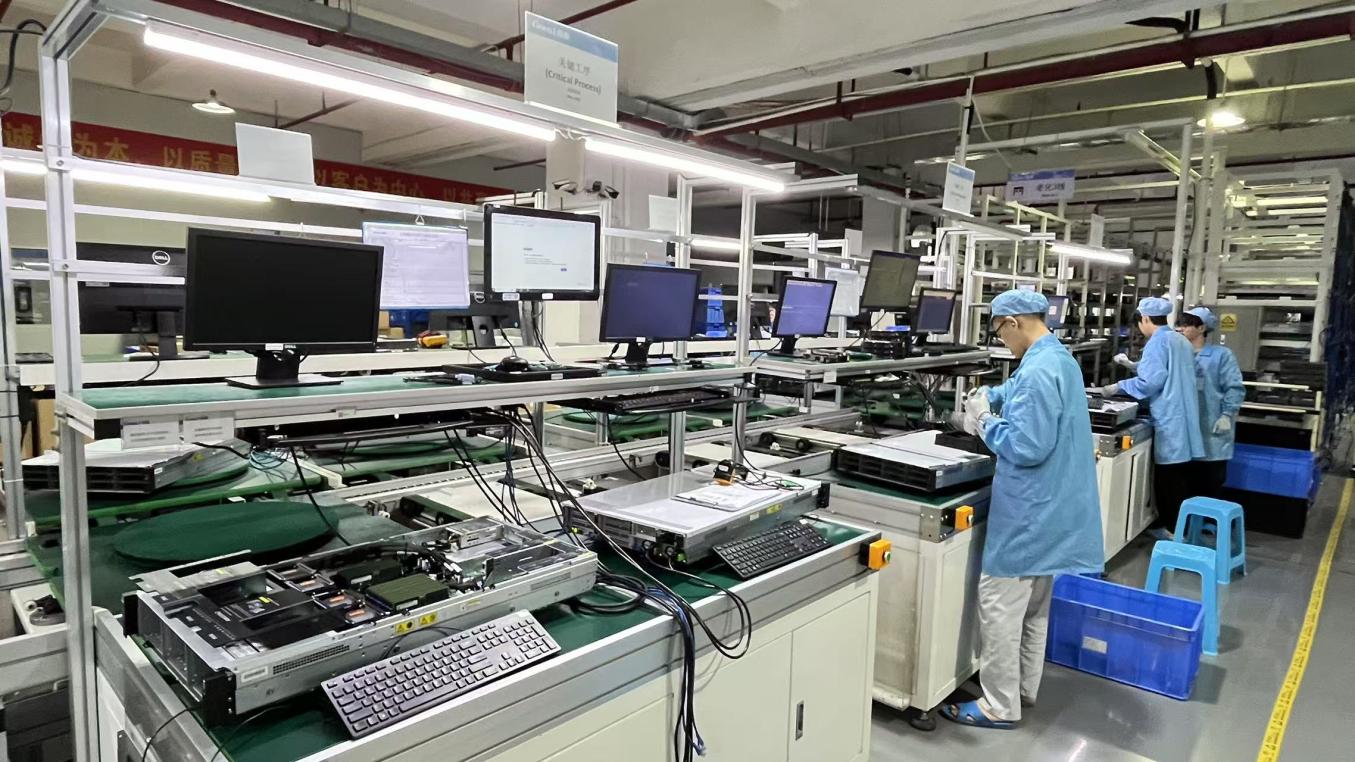
Aivora Technology Co., Ltd. stands as a premier global AI hardware and workstation manufacturer. Since our founding in 2018, we have focused on engineering high-density graphics processing unit (GPU) servers, robust deep learning environments, and custom enterprise workstations. Operating out of Shenzhen, China, we operate an ultra-modern high-density manufacturing facility that is optimized for modular integration, thermal profiling, and system-level performance tuning.
As enterprise computing transitions toward larger model structures and higher memory configurations, our organization acts as an essential bridge. We deliver custom OEM/ODM configurations to system integrators, AI startups, cloud service providers, and research centers in over 50 countries, facilitating access to reliable high-performance hardware architectures.
Aivora integrates hardware engineering, complex PCB routing verification, power delivery design, and advanced thermal simulation to manufacture solutions that meet strict regulatory benchmarks.
The global enterprise demand for computational power is shifting from centralized hyperscale processing toward heterogeneous, local architectures. High-performance GPU workstations and short-depth rack servers now play a key role in low-latency processing, distributed inferencing, and secure regional data computation. Workstations are no longer simple office desktop systems; they have evolved into specialized nodes configured with multi-core CPUs, high-speed PCIe pipelines, and terabytes of system memory.
Integrating CPU arrays with high-bandwidth accelerators. This approach maximizes operations per watt for mathematical applications, large language models, and high-resolution spatial rendering.
Deploying dense computational hardware near data collection points to reduce latency, secure proprietary data, and lower transmission costs for applications like DeepSeek model inference.
Accessing component inventories via active partnerships with over 1,250 suppliers to maintain stable component access, shorten assembly times, and control costs.
This dynamic shift is driven by deep neural networks (DNNs), generative pre-trained transformers, and specialized workloads requiring low-latency storage. System cooling and mechanical reliability have become key considerations. Workstations and rack servers now require optimized internal layouts to handle TDP outputs of 350W to 500W per accelerator without component throttling.
Procurement teams sourcing GPU workstation lines and compute platforms look for configurations that offer performance reliability, scalability, and long-term support. In competitive technology landscapes, hardware platforms must minimize total cost of ownership (TCO) while offering high integration compatibility. Key evaluation criteria include:
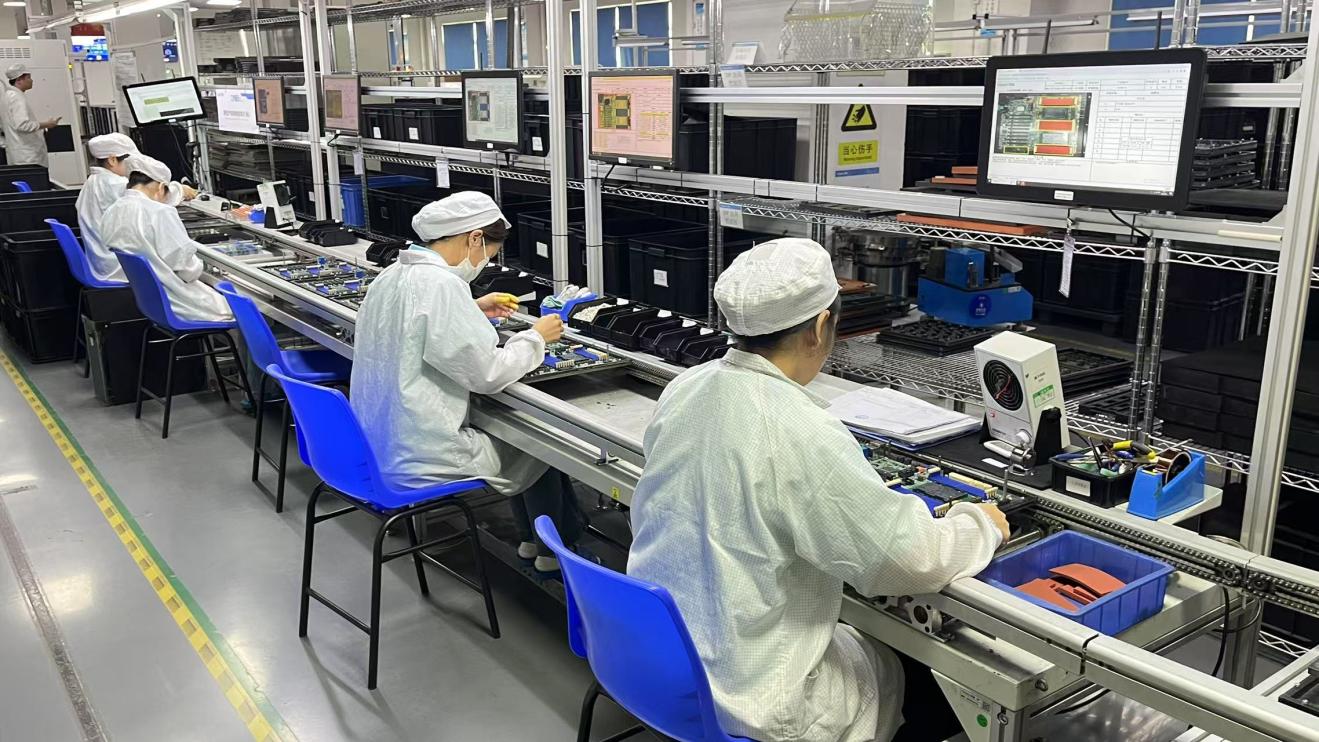
Servers and workstations are subjected to demanding workloads. Procurement protocols require physical component verification, multi-layer board testing, high-temperature aging chambers (burn-in), and stress testing under full system load. Deploying hardware that has not undergone rigorous validation risks costly downtime and site support interventions.
Standard hardware configurations do not always meet specialized business needs. Enterprises require tailorable form factors (from 1U/2U short-depth chassis to 4U towers), variable PCIe expansion configurations, custom metalwork, customized BIOS firmware, and brand logo integration. Working with an agile factory partner allows organizations to adjust configurations to meet physical space, electrical power, and branding guidelines.
International shipments require careful attention to compliance, certification, and customs clearance protocols. System platforms must meet regulatory standards such as CE, FCC, RoHS, and CCC. A manufacturer with export experience can manage the documentation required to clear customs in markets across North America, the EU, the Middle East, South America, and CIS territories.
Product longevity is critical to avoiding frequent architectural redesigns. Hardware configurations must remain stable over extended periods, with access to replacement components, compatible memory modules (DDR4/DDR5 ECC), and firmware updates to ensure long-term usability and protect capital investments.
Aivora is continuously developing its product line to integrate next-generation silicon, high-speed interfaces, and energy-efficient power distribution systems. Our current and future product roadmaps prioritize several key design goals:
We design system architectures utilizing PCIe 5.0 and upcoming PCIe 6.0 interfaces, supporting up to 128 GB/s bandwidth per slot. This prevents data bottlenecks between the CPU, accelerators, and fast NVMe storage arrays.
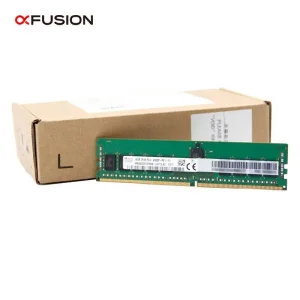
Transitioning platforms to support DDR5 ECC RDIMM system memory operating at speeds up to 4800MT/s and 5600MT/s. This configuration delivers the high memory bandwidth required for large database indexing and scientific simulations.
Developing direct-to-chip (D2C) liquid cooling kits and closed-loop hybrid solutions to manage processor and accelerator thermal loads, improving system reliability while reducing acoustic output in office-based workstations.
Additionally, we work closely with components manufacturers to ensure hardware compatibility with modern software platforms. Our configurations are tested with popular Linux distributions (Ubuntu, RedHat, Rocky Linux) and virtualization platforms (VMware, Proxmox, KVM), providing deployment flexibility across different operating environments.
Aivora's manufacturing processes are certified under strict quality management structures. Our facility utilizes anti-static ESD benches, automated component scanners, thermal imaging systems, and custom software test benches to ensure every system meets enterprise-grade specifications.

Explore answers to common questions regarding engineering custom OEM/ODM workstations, system compatibility, thermal management, and international shipping.
Each system configuration undergoes a comprehensive multi-stage testing sequence. This includes component inspection using database-matched serial key verifications, motherboard layout tests, high-stress memory scans (MemTest86), power load testing, and continuous thermal profiling in a dedicated burn-in chamber for 24 to 72 hours under full system capacity. A detailed report of these tests is shipped with each unit.
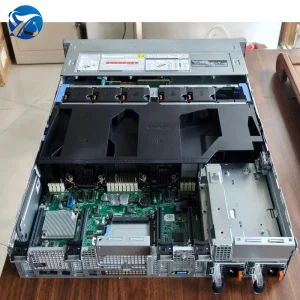
High-density 1U and 2U platforms utilize copper or vapor-chamber heatsinks paired with counter-rotating, pulse-width modulation (PWM) high-CFM chassis fans. Airflow is directed using custom internal air shrouds to ensure cool air passes directly over critical system hotspots (CPUs, accelerators, and VRMs) while preventing hot-air recirculation.
Yes. Through our ODM services, we offer physical customization options, including custom front bezel designs, custom paint finishes, sheet-metal modifications to fit non-standard server enclosures, customized drive backplanes, and laser-etched silk-screened company logos.
We export globally, regularly serving customers in North America, Western and Eastern Europe, the Middle East, Southeast Asia, South America, and CIS countries (including Russia). We coordinate all shipping logistics, using specialized export packaging designed for heavy computing hardware to ensure systems arrive undamaged.
Yes, our systems are optimized for local deployments of open-weights LLMs (such as DeepSeek-R1, Llama 3, and Mistral). We configure the hardware with high-density GPU nodes and high-bandwidth system memory (DDR5 ECC) to ensure efficient token processing speed and memory allocations.
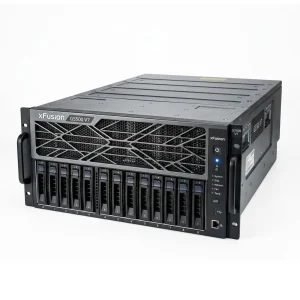
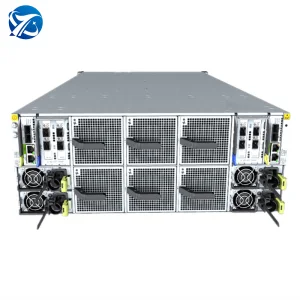
Explore our high-performance hardware configurations, featuring multi-socket architectures, modular storage bays, and high-speed memory modules designed for intensive enterprise tasks.