Aivora
Aivora
Aivora
Explore our foundational customized enterprise products, designed to seamlessly deploy within cloud infrastructures, massive high-capacity ERP nodes, and state-of-the-art DeepSeek or LLM computing facilities.
In the era of hyper-scale computing, distributed AI architectures, and complex data center environments, generic off-the-shelf hardware setups no longer satisfy the operational and cost efficiencies required by modern enterprises. Global server deployment relies heavily on flexible OEM/ODM integration models, bridging the gap between top-tier raw hardware capabilities (such as those engineered by Dell Technology, HPE, and xFusion) and specific structural modifications required for unique software payloads.
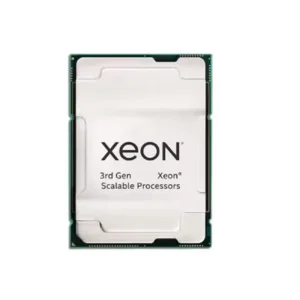
As massive global workloads scale up across North America, Europe, Asia-Pacific, and South America, customized infrastructure providers must bridge components like Xeon Scalable processors, dense RDIMMs, and specialized high-throughput storage array controllers to build consistent, regionalized compute topologies.
True OEM/ODM services go far beyond branding badges. Hardware integrators adapt deep component-level settings, layout changes, custom thermal configurations for high-heat server rooms, customized BIOS hooks, and specialized controller firmware to match enterprise workloads.
Integrating complex open-source intelligence frameworks (such as DeepSeek, specialized LLMs, and localized neural networks) requires exact configurations of high-density rack servers and AI accelerators to optimize FLOPs per dollar spent.
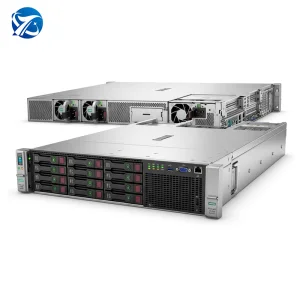
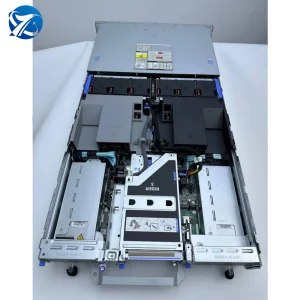
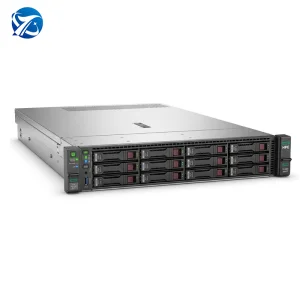
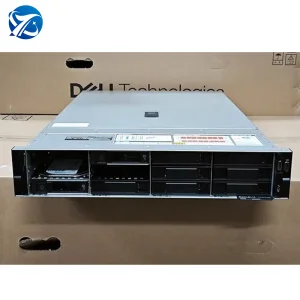
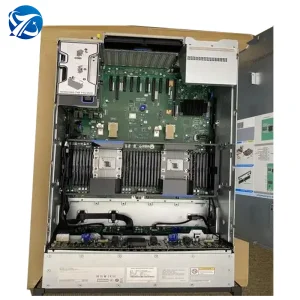
When analyzing hardware platforms like the Dell PowerEdge R750, R750XS, and R350, the value of an experienced hardware exporter lies in customizing physical configurations to prevent system performance bottlenecks. Below, we break down how professional integration alters the server's basic layout for optimal compute yields:
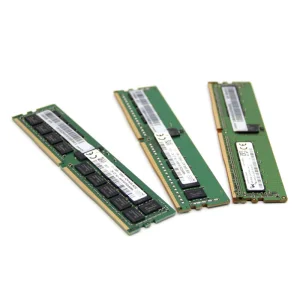
Choosing from Intel Xeon Scalable lines (e.g., 4309Y, 4314, 5317, or 6330) and pairing them with high-density RDIMM memory modules (like XFusion 288-pin DDR4-3200 or next-gen DDR5) requires strict compatibility testing. Under OEM agreements, server memory configs are set up to run across all memory channels, boosting memory bandwidth for memory-heavy applications like ERP platforms and real-time database query setups.
For custom workloads, the design of storage arrays is vital. Incorporating dedicated RAID controllers, such as the 9540-8i PCIe 4.0 or XC470C-M-8i with 4GB write cache, ensures fast data transfers and redundant recovery. ODM configurations modify the backplane cabling, enabling combinations of NVMe drives, SAS SSDs, and bulk SATA storage to optimize input/output operations per second (IOPS) while managing storage costs.
Customizing hardware configurations allows system integrators to scale individual aspects based on processing power, virtualization capacity, or thermal performance targets:
| Server Model Framework | Processor Compatibility | Memory Capabilities | PCIe & Storage Interface | Ideal Application Scenario |
|---|---|---|---|---|
| PowerEdge R350 (1U) | Intel Xeon E-2300 series | Up to 128GB DDR4 ECC | PCIe Gen 4, SAS/SATA Hot-plug | Edge nodes, remote offices, small network appliances |
| PowerEdge R750 / R750XS (2U) | 3rd Gen Intel Xeon Scalable | Up to 1TB DDR4 (288-Pin RDIMM) | Up to 8x PCIe Gen 4 lanes | Virtualization, cloud databases, hybrid storage arrays |
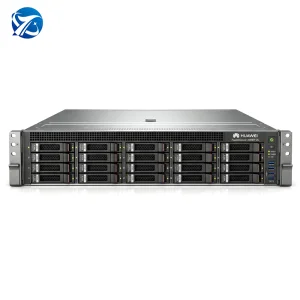
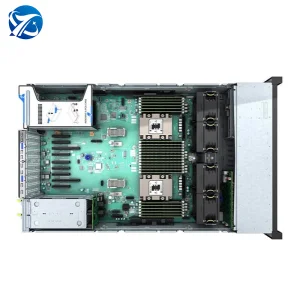
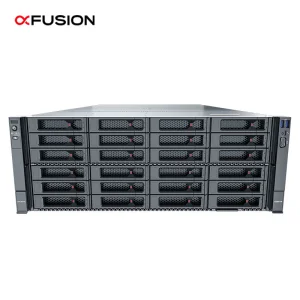
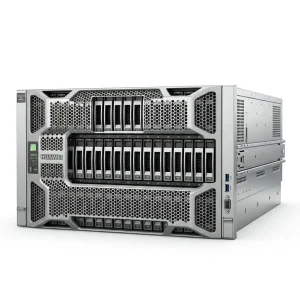
| xFusion 2488H V5 (2U) | 4x Intel Xeon Scalable (4-Socket) | Up to 48x DDR4 DIMM slots | Configurable RAID (9540-8i/XC470C) | Mission-critical ERP, heavy business analytics, memory databases |
| xFusion G5500 V6/V7 (4U/GPU) | Dual Intel Xeon Scalable + Multi-GPU | Up to 32x DDR5/DDR4 DIMMs | PCIe Gen 5 / NVMe Direct-path | Deep learning, LLM training, AI inference, DeepSeek hosting |
Established in 2018, Aivora Technology Co., Ltd. has grown into a highly reliable AI server manufacturer, GPU computing expert, and global custom hardware exporter. With 14 years of industry expertise and over 8 years of export experience, we design, build, and support enterprise-grade systems for AI developers, systems integrators, and cloud providers globally.
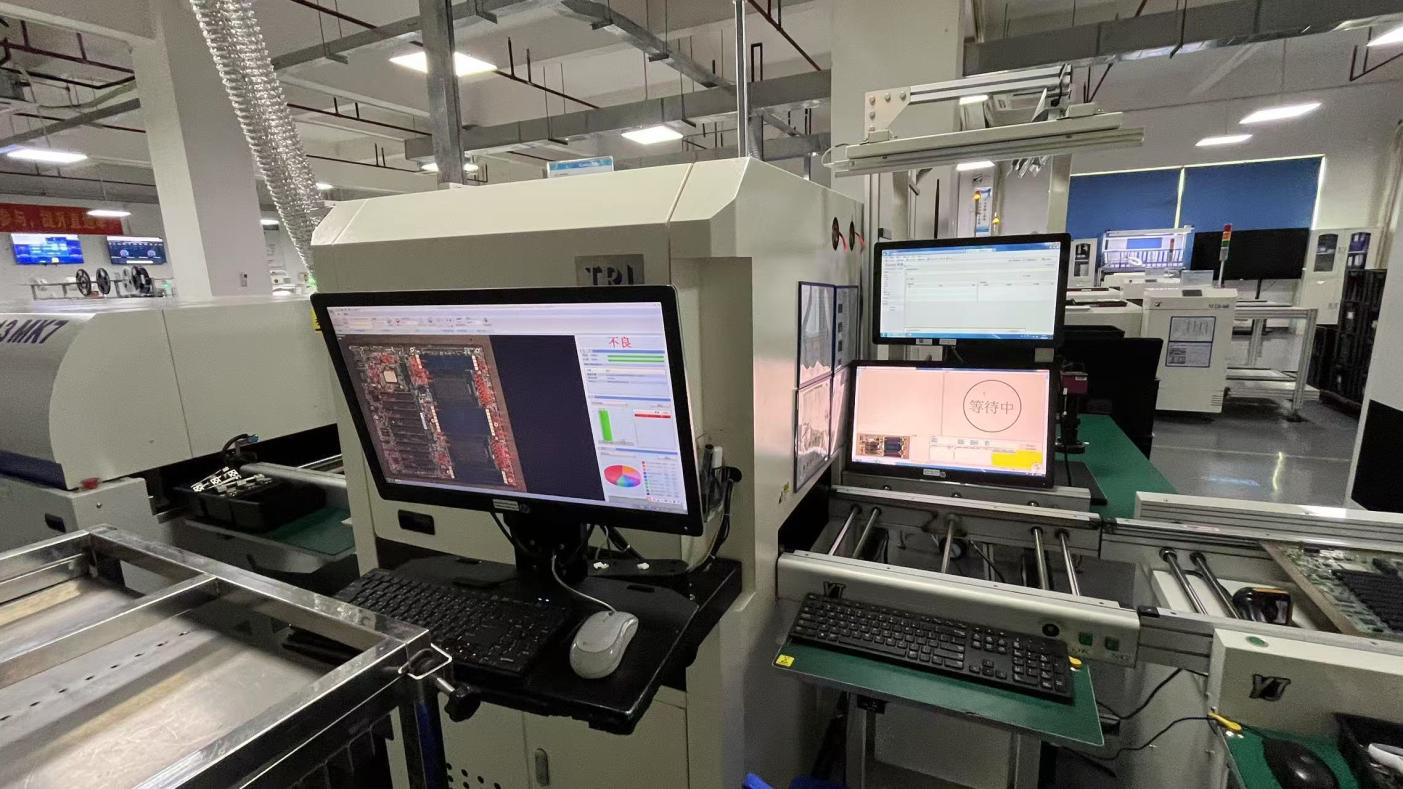
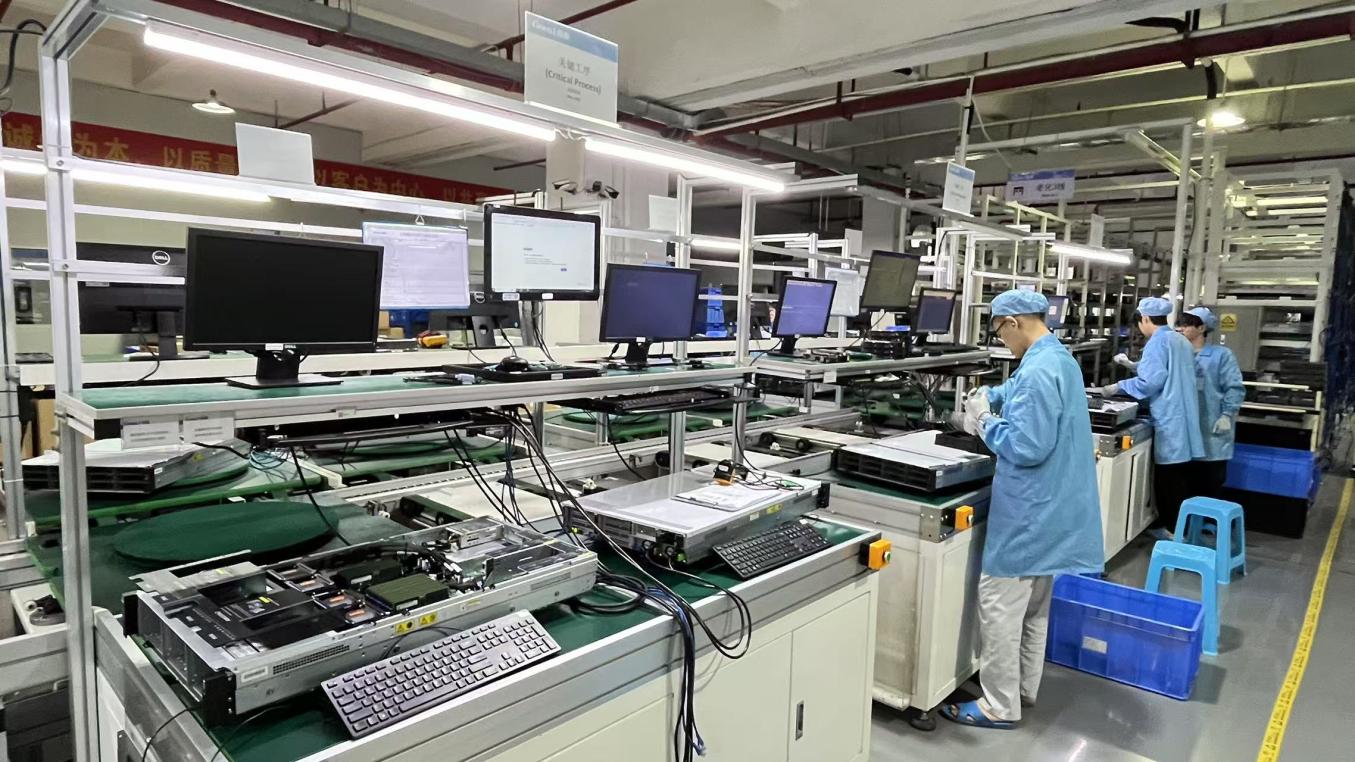
Located in the advanced hardware manufacturing hub of Shenzhen, China, Aivora operates a modern facility covering 386 square meters. This facility is optimized for system validation, structural engineering, high-stress testing, and thermal evaluations, ensuring all completed systems operate reliably under heavy, continuous workloads.
Leveraging strong research and development capabilities, we support complex customized needs. We help design custom physical server chassis, structure cooling configurations, install custom branding elements, and pre-integrate software layers, completing over 186 new product designs in the past year alone.
Our facility adheres to rigorous quality validation steps, from component checking to burn-in, thermal profiling, and system-level functional testing.
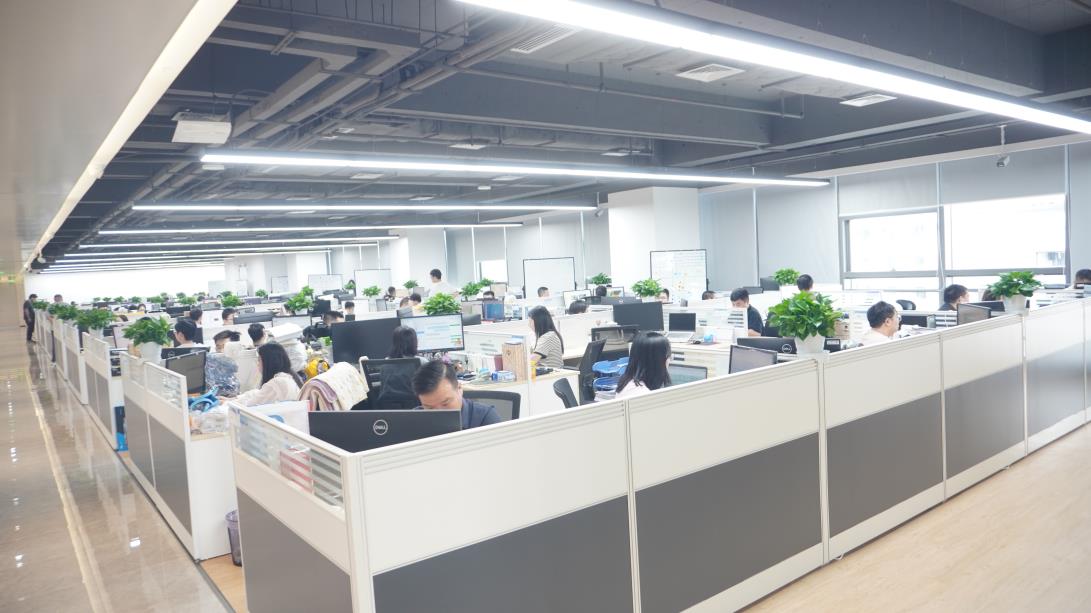
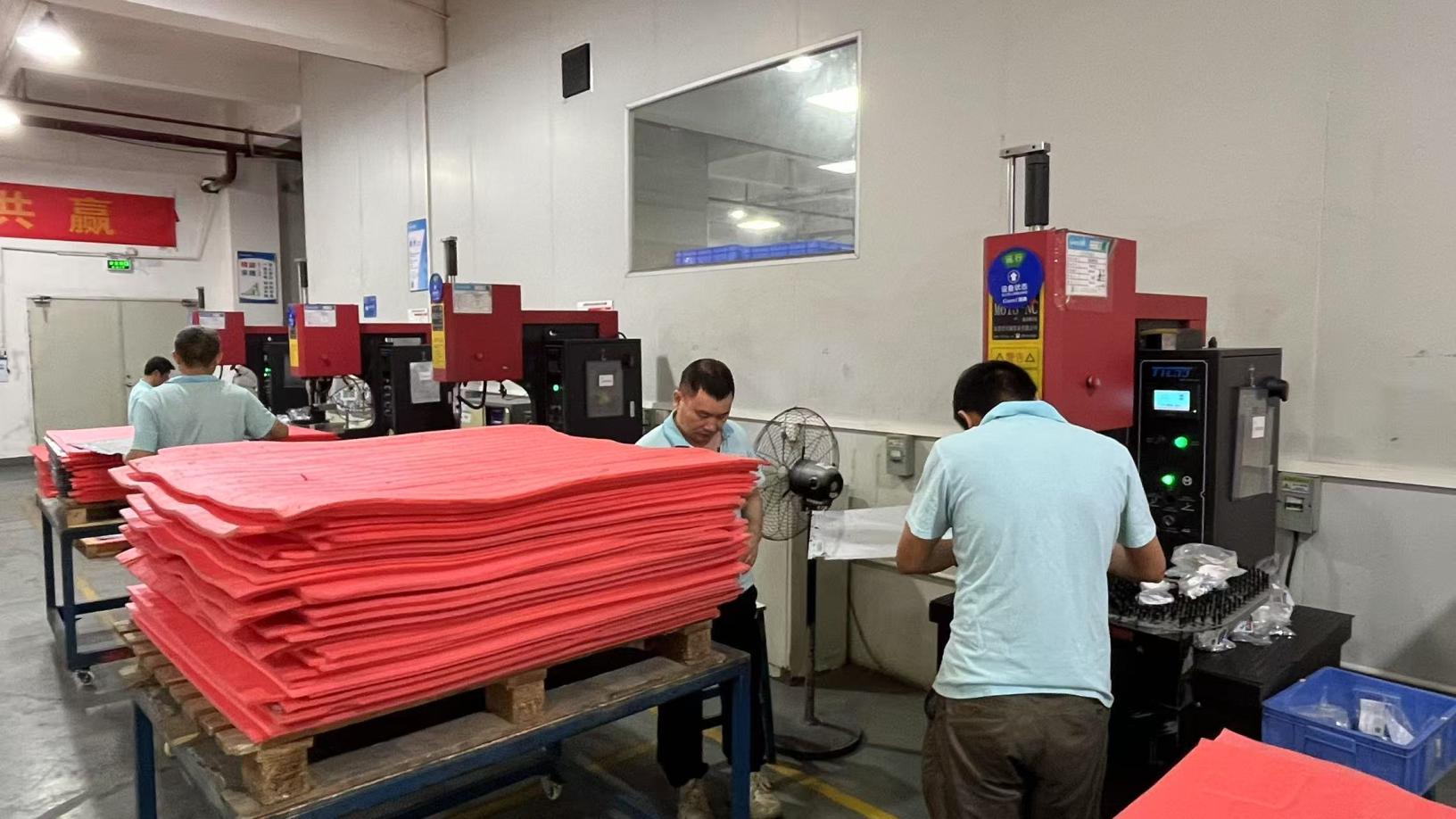
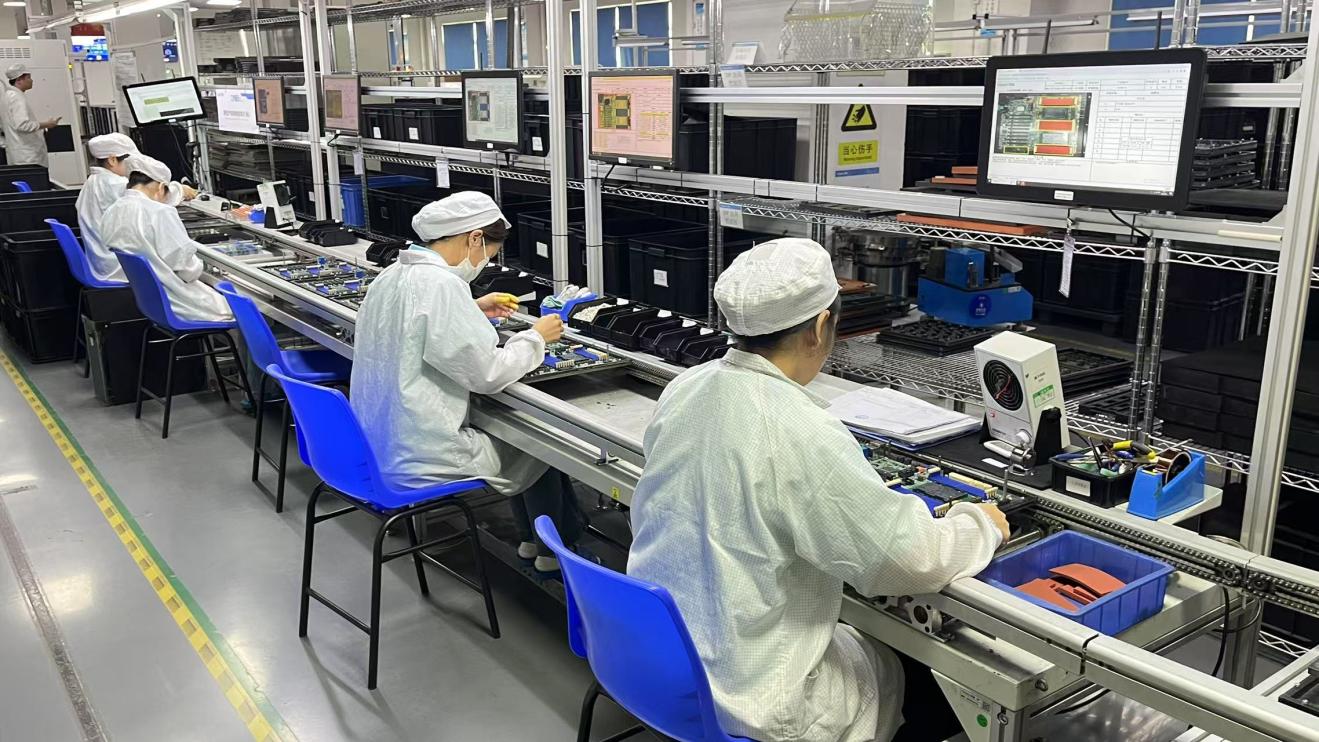
Standard off-the-shelf servers often require custom hardware setups to run effectively across different industries. We design custom hardware solutions to address key performance, latency, and environmental requirements:
Enterprise Resource Planning (ERP) frameworks require massive memory capacity and low-latency storage access to process concurrent operations without slowing down. Systems like the 2488H V5 4-Socket Server, configured with custom fast DDR4 RDIMM memory and redundant RAID controller cards, allow enterprises to host massive, database-heavy transactional architectures on-premises.
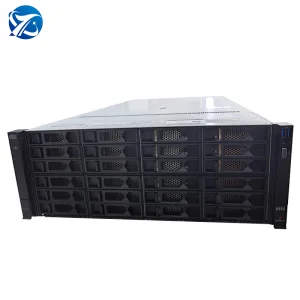
Modern data centers hosting open-source AI models (such as LLMs and DeepSeek frameworks) require high compute density and optimized thermal paths. Using 4U GPU solutions like the FusionServer G5500 V6 or V7, system engineers can pack high-performance processors and multiple accelerator cards into a chassis designed to handle high-stress workloads without overheating.
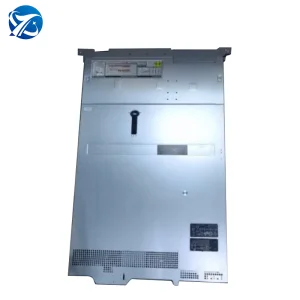
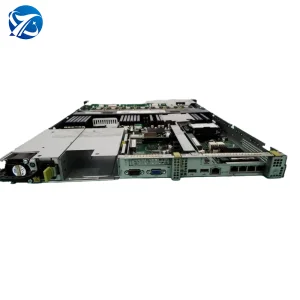
For factory floors and edge installations, 1U space-saving designs like the PowerEdge R350 offer an excellent balance of compute power and compact sizing. Customized dust filters, wider thermal operating limits, and specialized chassis rail systems ensure stable operations outside of traditional data center environments.
Our technical capabilities are backed by clean, modern workspaces, precise testing gear, and organized assembly processes to deliver reliable, long-term performance.
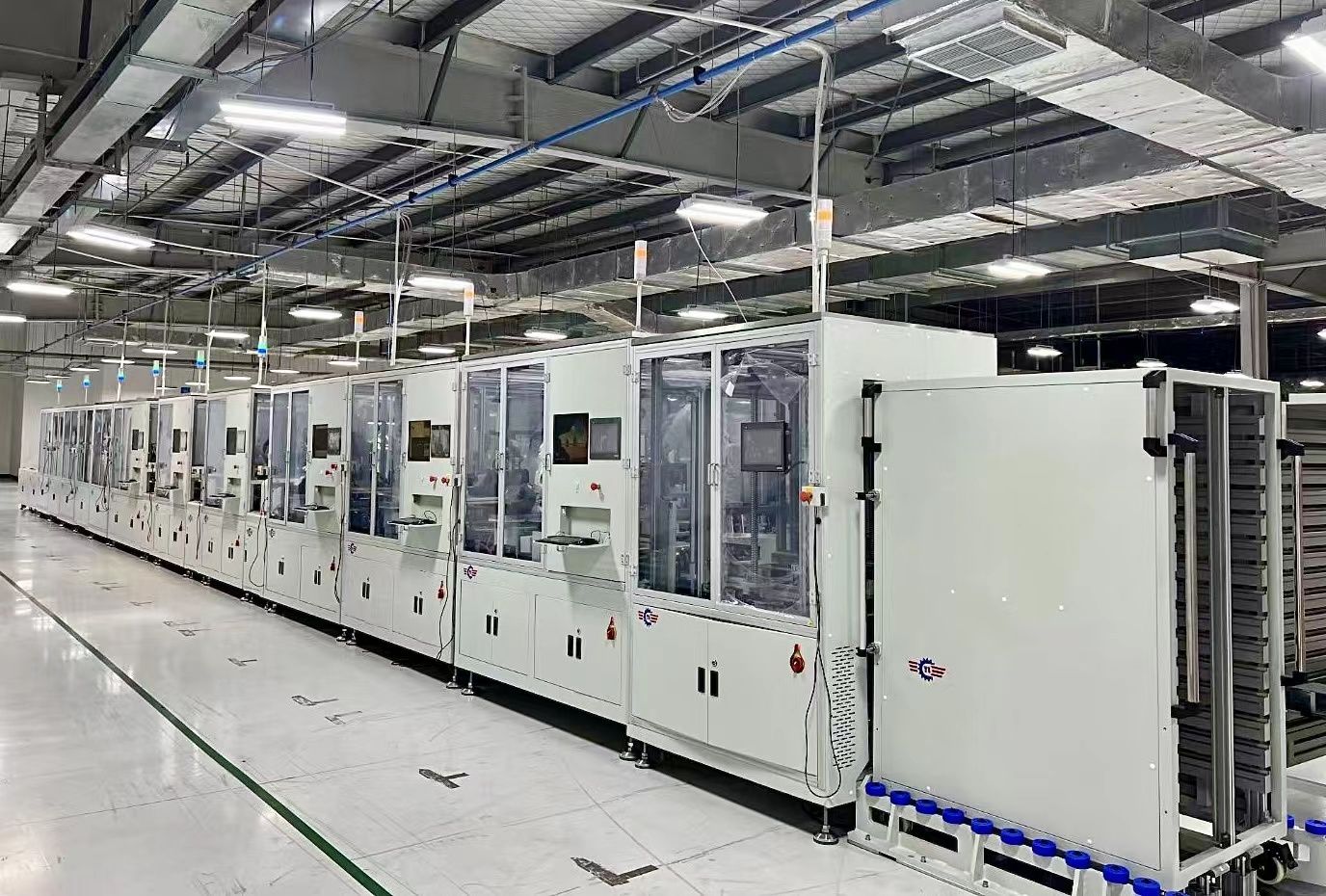

As computing needs grow, next-generation enterprise hardware is shifting toward high-speed interconnects, faster memory bandwidth, and eco-friendly cooling solutions. Our engineering roadmap focuses on three key technical areas:
With data transfer rates reaching 4800MHz and beyond, transitioning server architectures to support DDR5 RAM and PCIe Gen 5 expansion lines significantly reduces data bottlenecks. This transition allows high-performance storage cards to communicate directly with CPU cores, enabling fast data access for real-time analytics.
As modern processors exceed 350W TDP and high-end GPUs generate significant heat, traditional air-cooling setups struggle to keep temperatures in check. Future custom hardware designs will rely on direct-to-chip liquid cooling systems and specialized coolant loops to help operators reduce energy use and carbon footprints.
OEM hardware is moving toward modular designs where storage cages, computing trays, and input/output cards can be swapped out without replacing the entire server structure. This approach helps lower maintenance costs and makes future hardware upgrades easier.
Here are quick, technical answers to common questions about our global OEM/ODM export services and server configuration options:
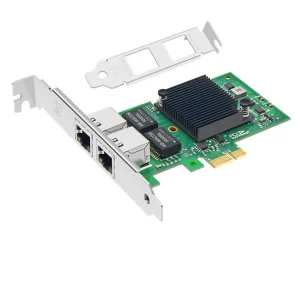
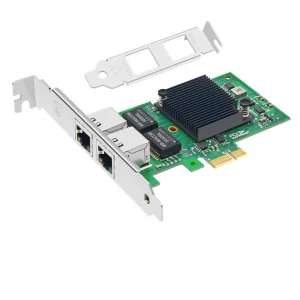
Browse our range of memory kits, storage expansion cards, processors, and multi-socket servers, configured by our Shenzhen engineering team to help scale your data center capabilities.