Aivora
Aivora
Aivora
Explore our core custom OEM enterprise storage solutions and high-density computing servers
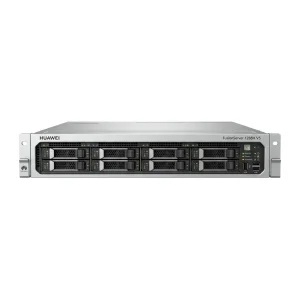
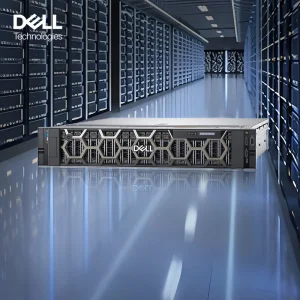
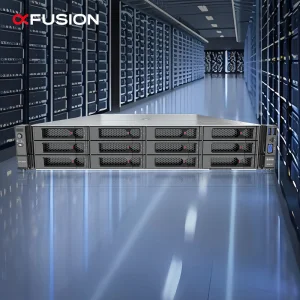
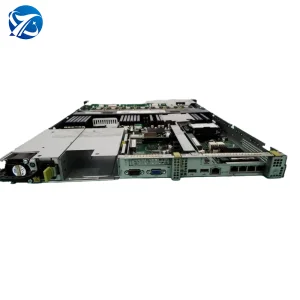
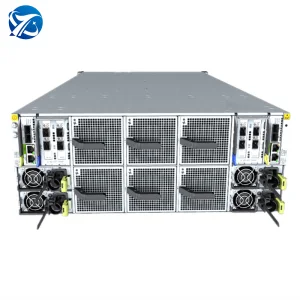
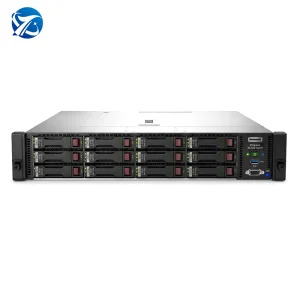
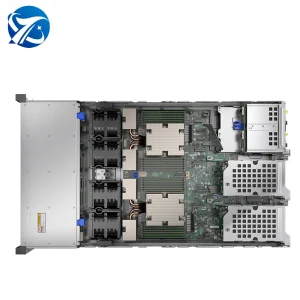
Delivering hardware innovation, supply reliability, and deep technical customization since 2018
Strategic analysis of enterprise data architectures for next-generation AI and high-density workloads
Modern AI pipelines, such as those leveraging Deepseek or LLaMA, require massive IOPS capabilities to support continuous gradient checkpoints and dataset ingestion. Traditional network-attached storage architectures run into severe latency bottlenecks. Standardizing on NVMe-oF (NVMe over Fabrics) combined with PCIe Gen 5.0 pipelines enables direct access to massive flash structures, scaling to petabytes of low-latency hot storage tiers. High-density edge architectures now must leverage U.2/U.3 and EDSFF form factors to optimize system airflow while maintaining raw storage capacity.
Global data infrastructure planners are moving away from monolithic storage systems. The market demands highly customizable storage tiering architectures. Solutions must offer a hybrid interface mixing Ultra-High-Speed PCIe Gen 5 NVMe SSDs for model execution phases, SAS HDDs/SSDs for warm dataset operations, and massive SATA structures for cold archiving. Through tailor-made OEM BIOS and controller optimization, hardware can now distribute heat generation profiles dynamically, matching storage device activity with localized GPU and CPU clusters.
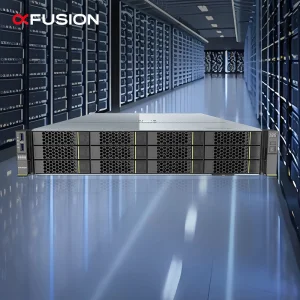
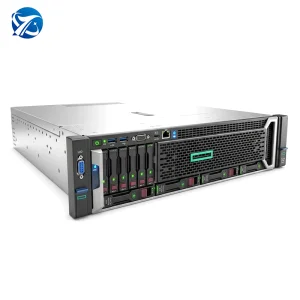
In ultra-dense 1U and 2U nodes, managing system thermal density is critical to preventing storage controller throttling. Standard components are transitioning to next-generation liquid loop architectures (L4 and L5 thermal configurations). Designing high-density OEM solutions, such as the HPE ProLiant Gen12 and xFusion V7 configurations, requires specialized internal air ducts, customized heat sink block designs, and optimized cooling fan management software, keeping critical NAND flash memory below 55°C even during sustained write operations.
Deep hardware, software, and configuration control tailored to complex regional requirements
Aivora Technology specializes in architectural personalization. Our OEM services provide global enterprises with bespoke storage chassis designs, custom motherboard modifications, localized drive-bay options (including 2.5", 3.5", and modern EDSFF slots), and targeted GPU configurations. System integrators gain raw control over the exact mechanical footprint, ensuring seamless rack deployment within non-standard localized cloud installations, such as high-density edge deployments in Northern Europe or hyperscale cloud hosting in Russia.
Standard OEM hardware often throttles read/write cycles to match worst-case ambient conditions. Aivora works closely with leading controller manufacturers to build optimized firmware that allows system administrators to adjust thermal protection thresholds, read-write cache behaviors, and RAID controller optimization directly. This results in up to a 24% reduction in read latency for massive database workloads, web hosting arrays, and AI workstation training runs.
We deliver fully ready-to-run systems that carry our customer's branding. From custom-branded chassis bezels, customized OEM BIOS splash screens, specialized operating system pre-installations (such as Proxmox, Ceph, Windows Server, or specialized Linux kernels), down to custom packaging inserts. Every step of the value chain is documented, validated, and optimized to ease distribution pathways for system integrators and tier-2 cloud service providers.
A comprehensive overview of architectural features across mainstream enterprise rack configurations
| Server Model Category | Typical Drive Layouts | Interface Standard | Optimized Workload Application | Cooling Support Options |
|---|---|---|---|---|
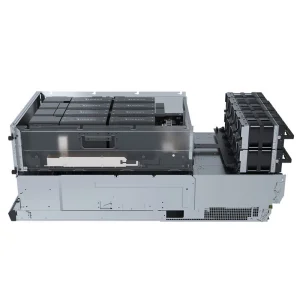
| High-Density 1U (e.g., FusionServer 1288H V5 / DL360 Gen12) | 8 x 2.5" / 4 x 3.5" / 20 x EDSFF E3.S | PCIe Gen 5.0, NVMe, SAS/SATA Hybrid | Hyperscale Cloud Hosting, Web Computing, AI Inference | Smart Air Cooling / Closed-Loop Liquid Cooling |
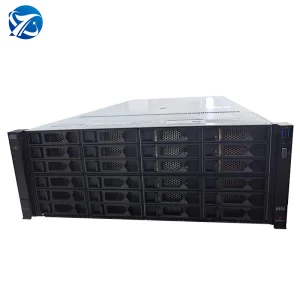
| Massive Capacity 2U (e.g., FusionServer 2258 V7 / R760) | 12 x 3.5" or 24 x 2.5" front + optional rear bays | SATA III, SAS 12G, PCIe Gen 4/5 NVMe | Distributed File Storage, NAS, Data Center Virtualization | Multi-Zone Intelligent Airflow Control |
| GPU-Dense AI Computing (e.g., G5200 V5 / G8600 V7) | Flexible NVMe U.2/U.3 front bay arrays | PCIe Gen 5.0 (CXL 1.1/2.0 support) | Deepseek AI Training, High-Performance Computing (HPC) | Advanced Heatpipe + Liquid cooling options |
| Modular High-Availability Chassis | Custom hot-swappable dual-controller nodes | Direct SAS-3 / SAS-4 Fabric Backend | Business-Critical Database Storage, SAN Storage Systems | N+1 Redundant Hot-Swap Cooling Modules |
How Aivora Technology guarantees server reliability, performance, and regional compliance
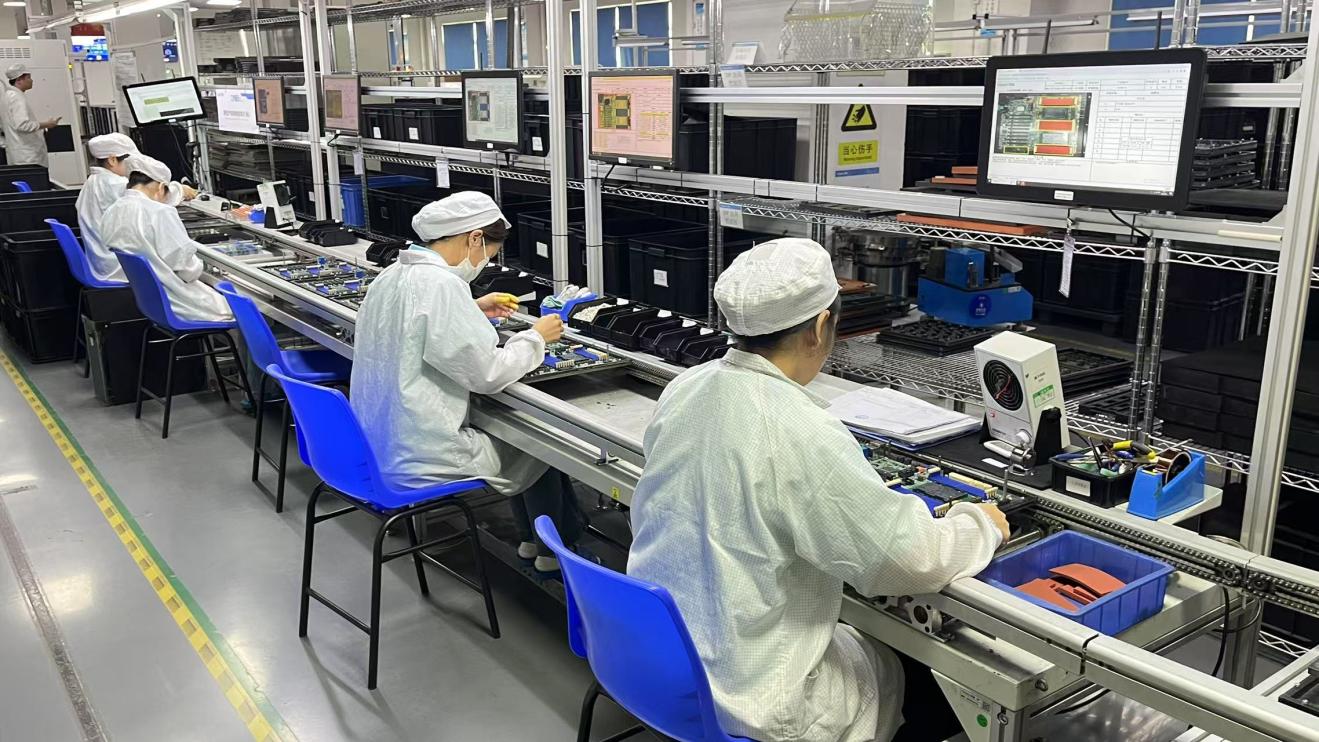
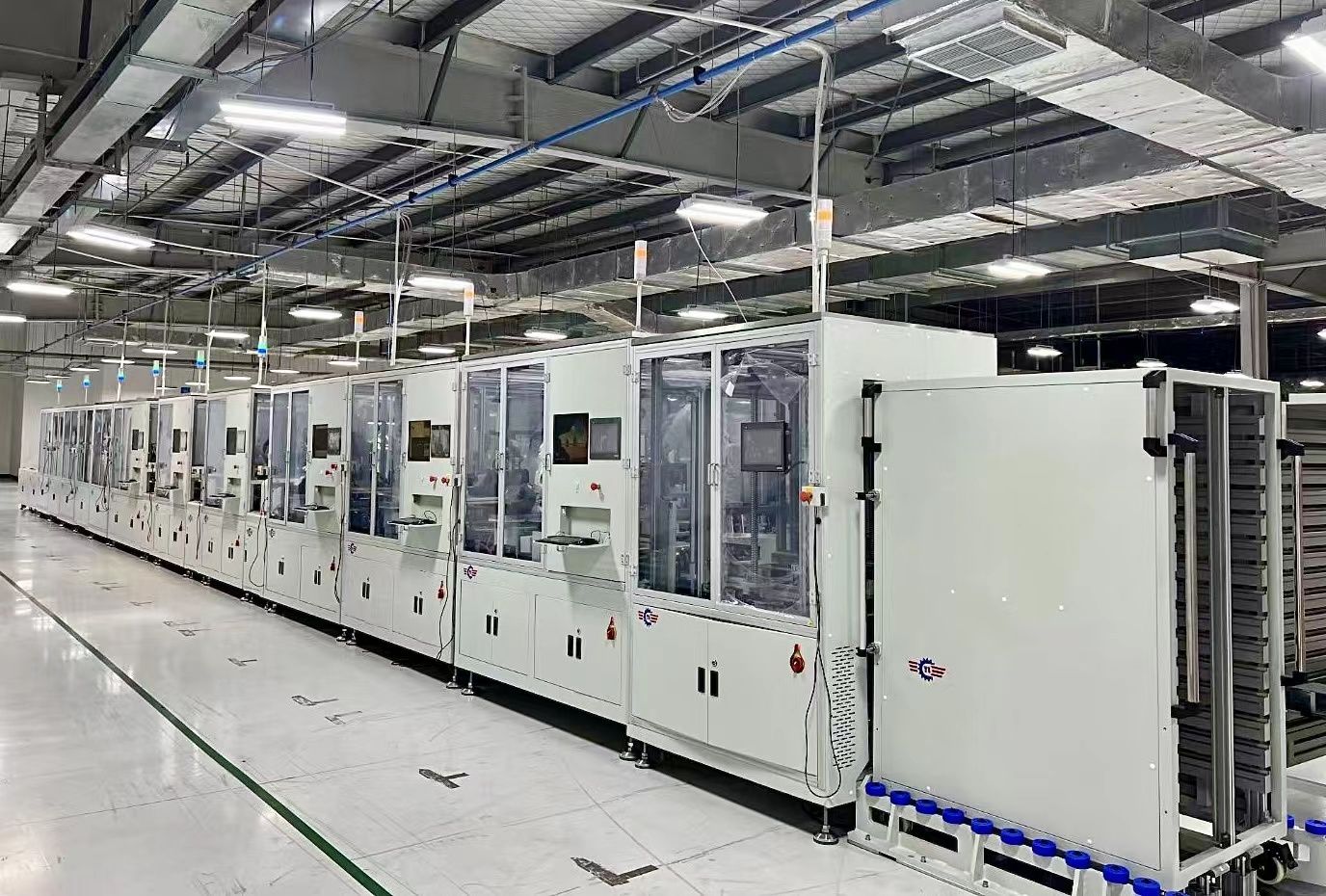
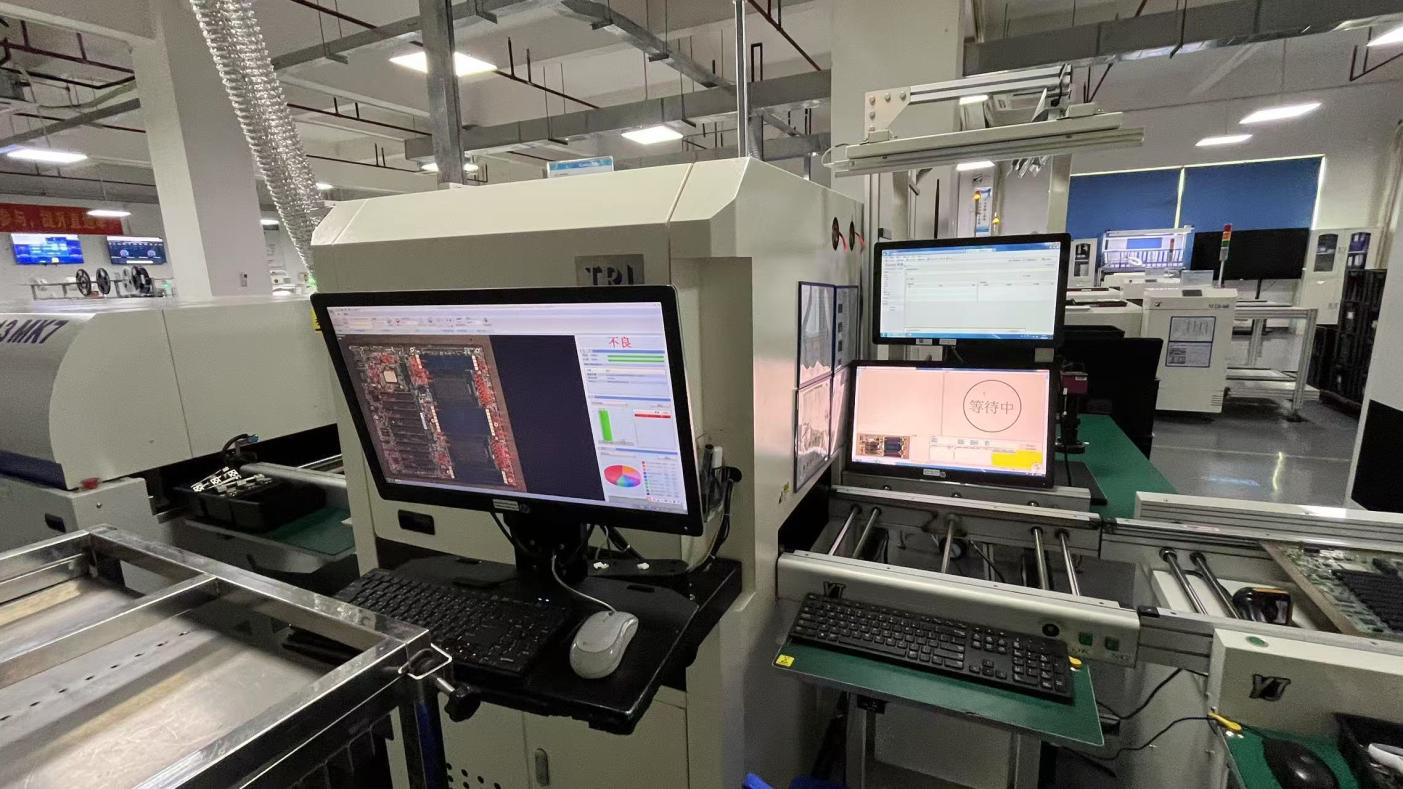
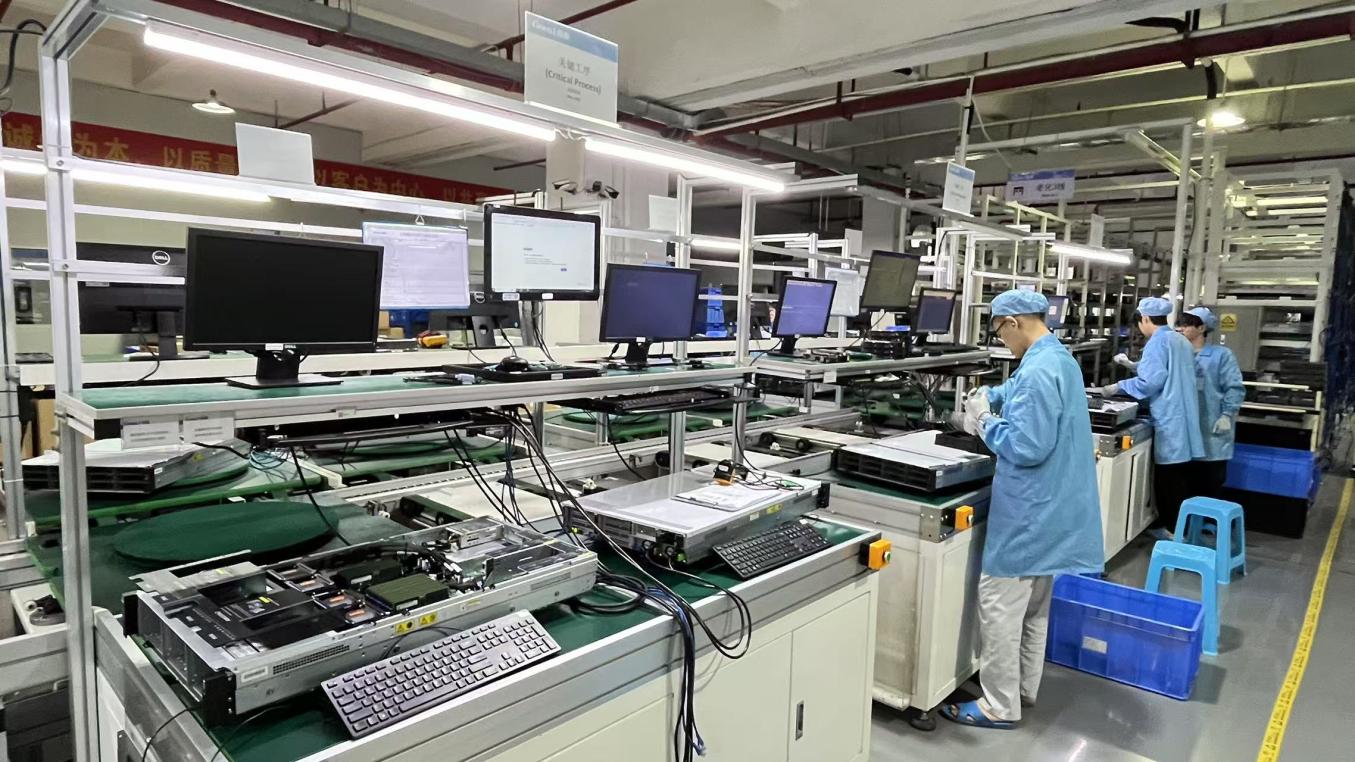
Sourcing components in a volatile semiconductor market is a major bottleneck for global technology buyers. Aivora Technology operates with a network of over 1,250 verified supply chain partners. This broad ecosystem ensures that we have consistent, uninterrupted access to critical components, including Intel Xeon CPUs, AMD EPYC chips, enterprise-grade DDR5 memory modules, High-End RAID controllers, and scarce SSD stock. Our operations are supported by a Shenzhen-based 386 square meter testing and assembly facility, utilizing advanced production lines and automated validation platforms.
To ensure zero-defect output, Aivora's team of 46 experienced quality inspectors subjects every storage system to a comprehensive 5-stage quality evaluation plan:
Expert answers addressing the technical, logisitcal, and procurement needs of modern enterprise buyers
OEM (Original Equipment Manufacturing) services focus on building pre-engineered storage platforms (such as standard 1U, 2U, or 4U layouts) with minor customization to components, internal storage drive types, logo designs, and system BIOS settings. ODM (Original Design Manufacturing) services, on the other hand, cover a complete, grounds-up development path. This includes custom electrical board designs, bespoke metal chassis tooling, unique cooling layouts, and firmware development tailored to a client's proprietary hardware requirements.
We only integrate tier-1 enterprise-grade storage components that feature High Drive Writes Per Day (DWPD) indices and advanced power-loss protection (PLP) capacitors. Our team configuration tests the systems using real-world workloads, optimizing the drive controller firmware to manage garbage collection cycles efficiently. This prevents performance degradation and keeps IOPS latencies low during high-stress AI model checkpointing and training runs.
With over 8 years of direct export experience, Aivora offers comprehensive compliance packaging for North America, Europe, South America, and target regional locations. Every server ships with full CE, FCC, RoHS, and UL documentation depending on requirements. Additionally, our R&D and QA engineering teams provide deep secondary-level support to global system integrators to troubleshoot firmware compatibility, regional power configuration grids (110V/220V/HVDC), and driver level optimizations.
Standard OEM builds with in-stock system boards take approximately 7-10 business days for assembly, burn-in testing, and validation packaging. For complex ODM projects or non-standard configurations involving custom chassis modifications, layout design, and brand integration, standard lead times range from 4 to 6 weeks, depending on component availability and the specific testing protocols required by the client.
We use high-CFM (cubic feet per minute) counter-rotating system fans combined with customized air ducts to target hot spots on the motherboard, controllers, and memory cards. For ultra-high-density deployments, we design custom systems featuring direct-to-chip (D2C) liquid cooling plates. This allows heat to be transferred directly to fluid loops, keeping system temperatures low and preventing thermal throttling on PCIe NVMe controllers.
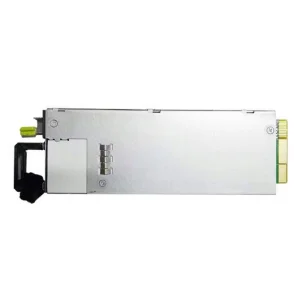
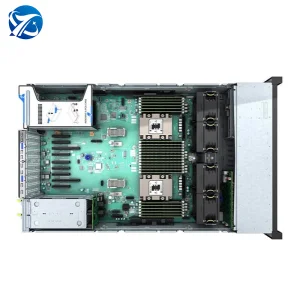
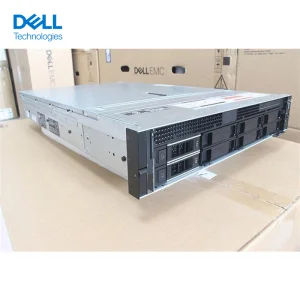
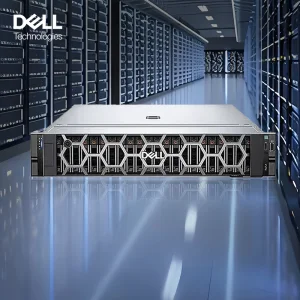
Complete custom options including high-power components, GPU server nodes, and rack storage systems
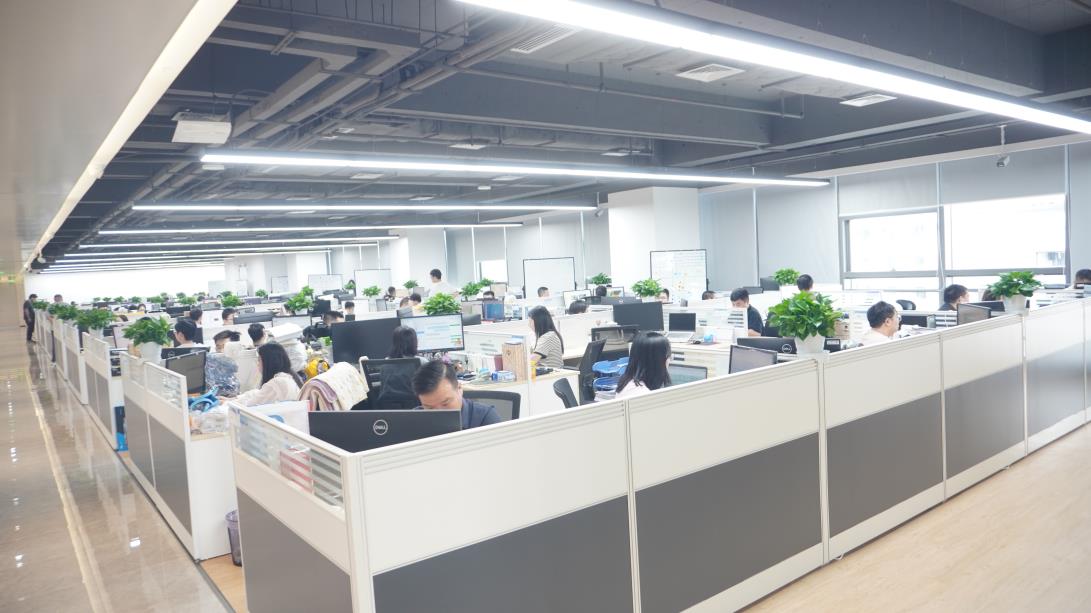
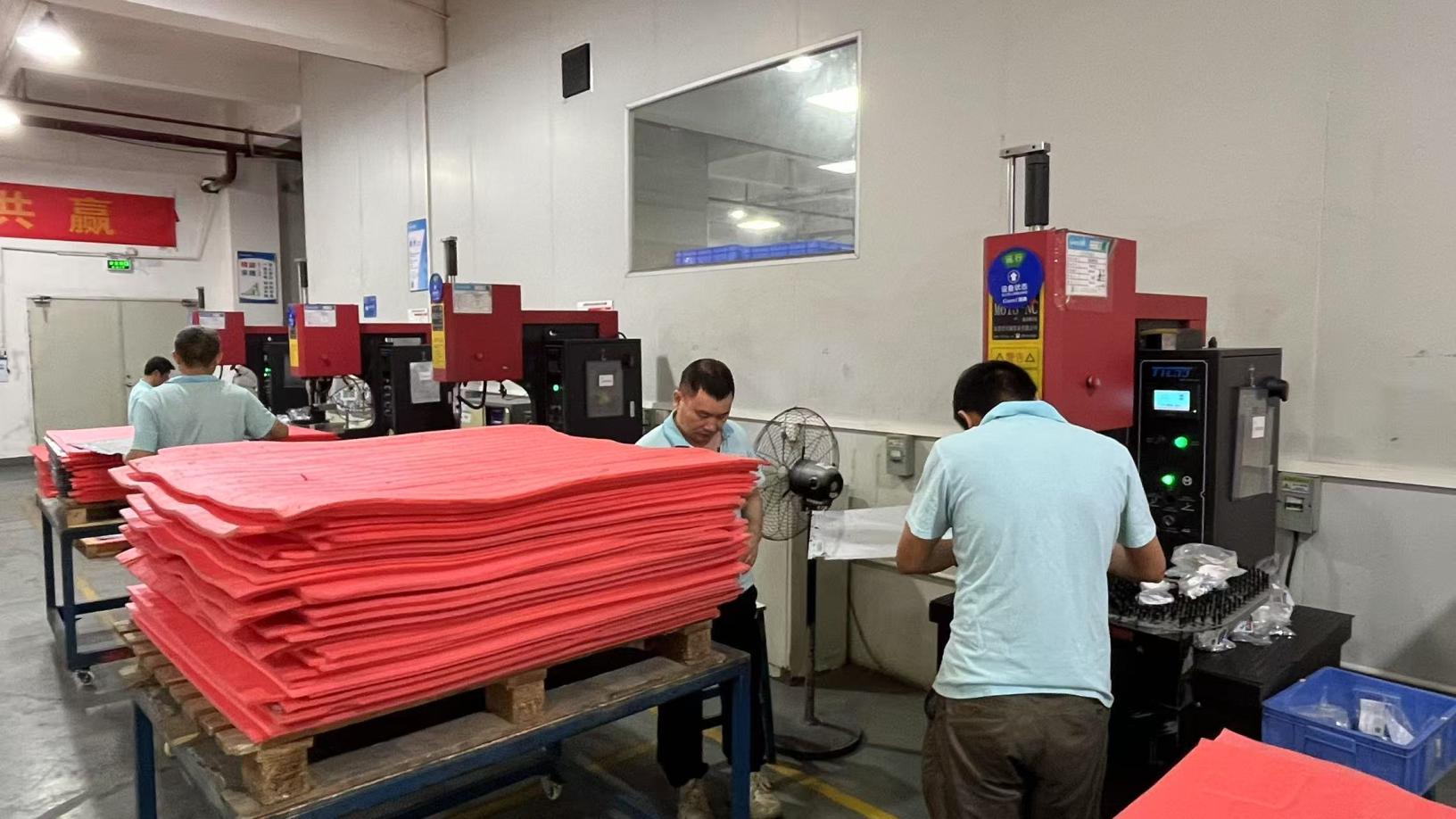
A look inside our state-of-the-art Shenzhen server production floor, aging room, and test lab