Aivora
Aivora
Aivora
Direct from our state-of-the-art manufacturing lines—engineered to deliver maximum performance, throughput, and sub-millisecond response times.
The global data storage paradigm has shifted permanently. The reliance on legacy mechanical hard disk drives (HDDs) has dwindled as Enterprise Solid State Drives (SSDs) take absolute center stage in modern infrastructure. Valued at over USD 34 billion in 2024, the global enterprise and industrial SSD market is projected to expand at a compound annual growth rate (CAGR) exceeding 15% through 2032. This massive growth is driven by three primary catalysts: the exponential compute demands of Large Language Models (LLMs), the migration of legacy enterprise databases to real-time hybrid cloud systems, and the proliferation of high-density edge computing devices.
"In the era of AI and sub-millisecond query requirements, storage is no longer just about capacity; it is the ultimate determinant of computation throughput."
To meet this global demand, the supply chain for Solid State Drives has evolved. Original Equipment Manufacturers (OEMs) and contract factories are no longer just putting components together. Modern OEM manufacturing requires deep, vertical alignment with semiconductor wafer foundries (NAND flash fabricators) and silicon controller designers. This ensures access to high-tier 3D NAND technology, ranging from standard 176-layer up to advanced 232-layer configurations.
For enterprise applications, reliability, sustained write speeds, and robust thermal performance are non-negotiable. While consumer drives prioritize burst read speeds for short-term tasks, enterprise and industrial SSDs are designed to manage continuous, heavy write loads over a lifespan of five years or more. As a result, global data centers and enterprise buyers are shifting away from off-the-shelf storage. Instead, they are turning to specialized custom OEM SSD manufacturers to build tailored storage architectures that align perfectly with their specific compute hardware, operating systems, and budget constraints.
The Solid State Drive industry is undergoing rapid changes, driven by key technological breakthroughs. Enterprise storage architects and OEM buyers must stay ahead of these trends to prevent infrastructure obsolescence and maximize long-term return on investment.
The transition to PCIe Gen 5 doubles NVMe bandwidth to 32 GT/s per lane, achieving sequential read speeds over 14,000 MB/s. OEMs are designing thermal-efficient PCIe Gen 5 configurations to prevent throttling in dense servers.
Traditional U.2/U.3 interfaces are transitioning to Enterprise & Datacenter SSD Form Factors (EDSFF). E1.S and E3.S optimize airflow, packing density, and signal integrity inside 1U and 2U high-density server racks.
ZNS technology allows hosts to place data sequentially within specific zones of the physical SSD media. This eliminates redundant write cycles, significantly reduces write amplification, and extends device longevity.
The ongoing balance between storage density and endurance continues to shape NAND wafer selection. Triple-Level Cell (TLC) technology remains the standard for write-heavy boot drives and enterprise databases because of its superior durability (typically 1 to 3 Drive Writes Per Day, or DWPD). In contrast, Quad-Level Cell (QLC) architecture is quickly becoming the standard for read-intensive operations, such as AI model weights and archival storage.
Additionally, the rise of SmartSSDs and computational storage is changing how workloads are handled. By embedding processing capability directly into the SSD controller, data filtering, encryption, and compression tasks can run directly on the drive. This minimizes data movement over the PCIe bus, clearing performance bottlenecks for GPU-heavy systems.
Standard consumer SSDs cannot meet the harsh, continuous workloads of enterprise database systems or high-performance computing clusters. Aivora Technology Co., Ltd. addresses this gap by offering robust OEM and ODM customization services. We support clients from the initial layout phase through final production validation.
The software controller is the brain of the SSD. Our team of 128 R&D engineers customizes firmware to match specific target operating environments. We adjust wear-leveling algorithms, modify the Over-Provisioning (OP) ratio to minimize the Write Amplification Factor (WAF), and optimize thermal throttling limits to protect data integrity in high-temperature settings.
We also integrate specialized power-loss protection (PLP) algorithms. These are backed by hardware-level tantalum capacitors to guarantee that any data currently writing to the cache is safely flushed to the non-volatile NAND cells if power is suddenly cut.
We tailor physical form factors, trace layouts, and component options to fit specialized environments. Whether you need a standard M.2 layout with extra thermal pads, custom-engineered E1.S/E3.S options, or legacy SATA modules, our factory delivers.
Every custom SSD undergoes a strict inspection process managed by our 46 QC inspectors. This includes design verification testing (DVT), reliability demonstration testing (RDT), high-temperature burn-in validation, and strict signal integrity analysis. These steps ensure every unit functions reliably in demanding enterprise deployments.
Modern high-capacity storage demands differ greatly by industry. Custom OEM Solid State Drives from Aivora are engineered to address the specific performance and reliability requirements of diverse sectors.
Large-scale GPU systems require immediate data delivery to prevent idle compute time. Our high-performance NVMe drives provide the throughput needed for training dataset caching and checkpoints in AI servers.
Edge nodes deployed in remote locations face challenging climates. We build custom SSDs using wide-temperature components, conformal coatings to protect against moisture, and robust anti-vibration solder designs.
Industrial machinery generates continuous data streams. Our custom SSD solutions are designed for high write endurance, low power consumption, and long lifecycles, reducing maintenance visits and field failures.
Aivora Technology Co., Ltd. is a professional AI server manufacturer dedicated to delivering high-performance GPU server solutions, AI computing infrastructure, and customized data center systems for customers worldwide. Established in 2018, the company has rapidly grown into a trusted partner for enterprises, cloud service providers, AI startups, research institutions, and system integrators seeking reliable and scalable AI computing platforms.
Located in Shenzhen, China, Aivora operates a modern manufacturing facility covering 386 square meters and integrates advanced production, testing, and quality management systems to ensure consistent product performance and reliability. With over 8 years of export experience and 14 years of industry expertise, we have successfully served customers across North America, Europe, Southeast Asia, the Middle East, and South America.
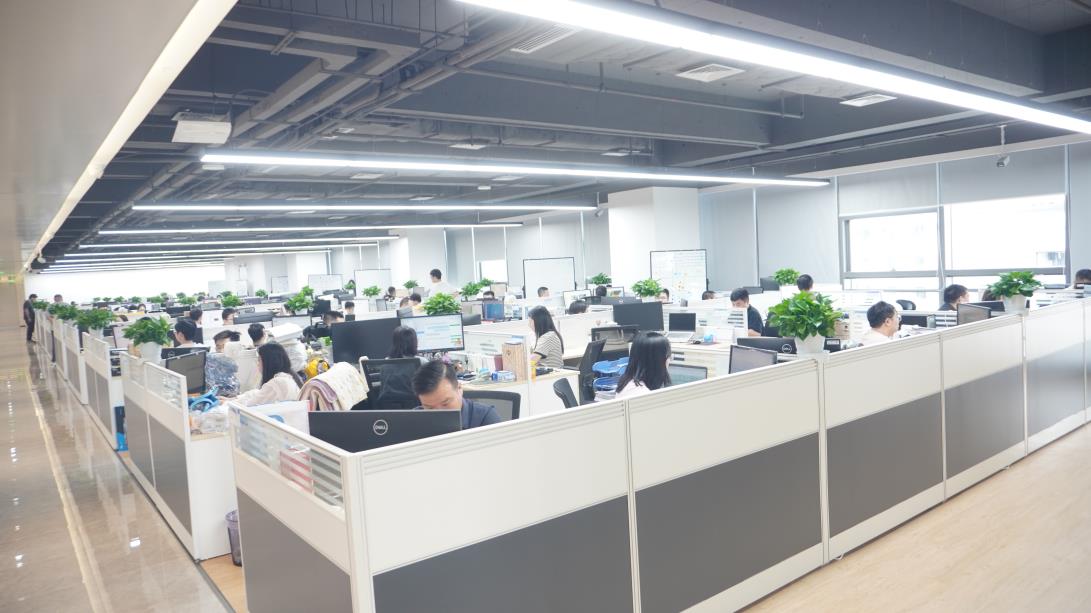
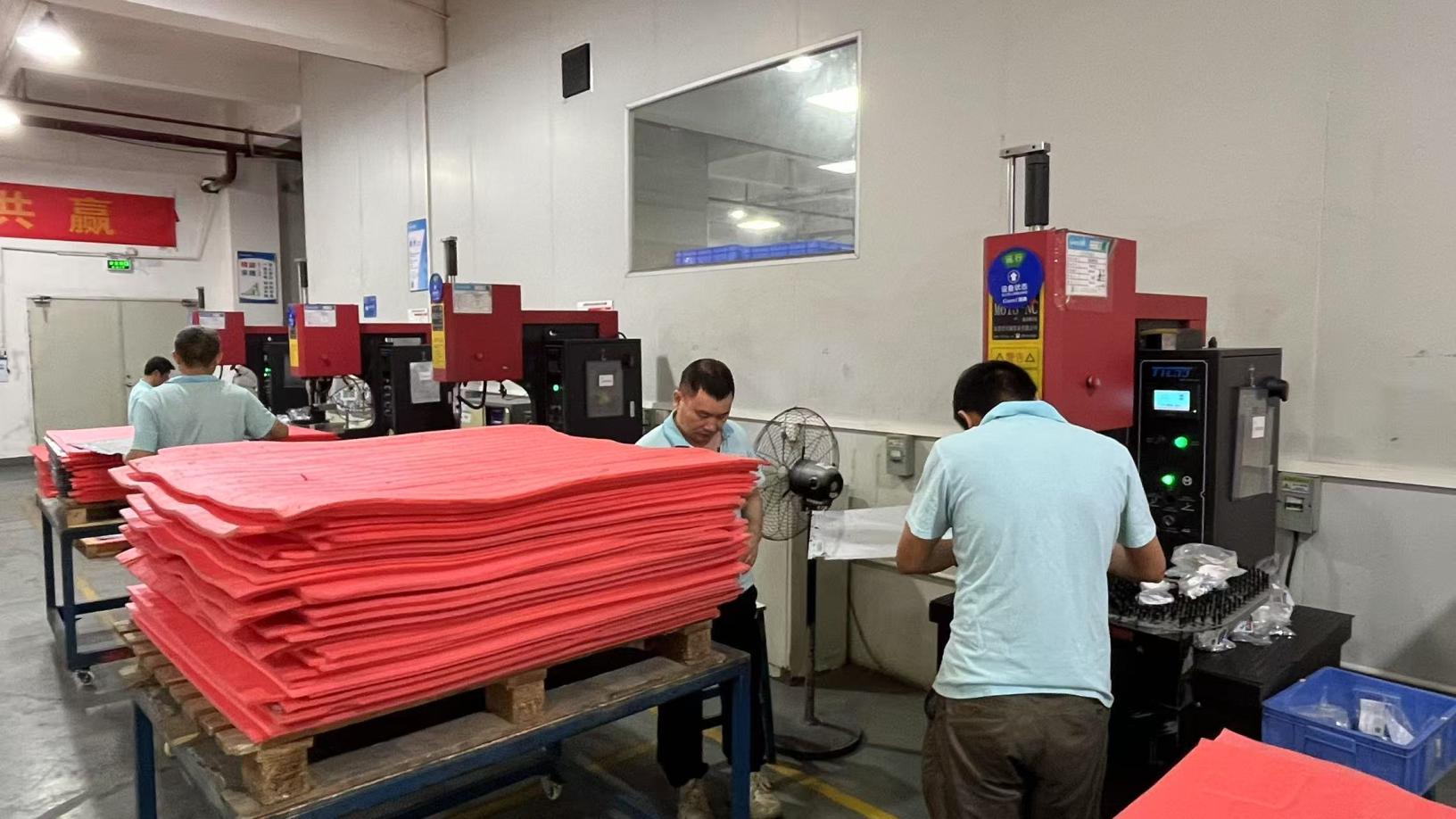
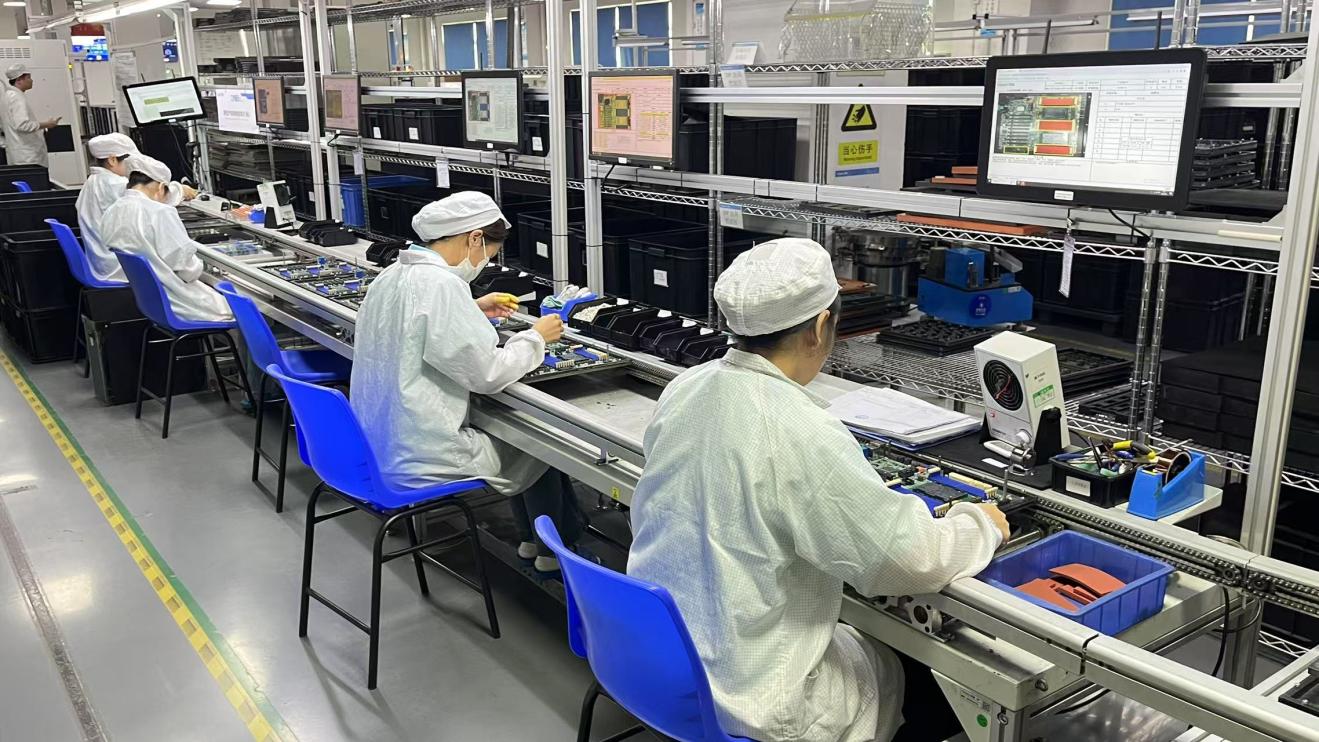
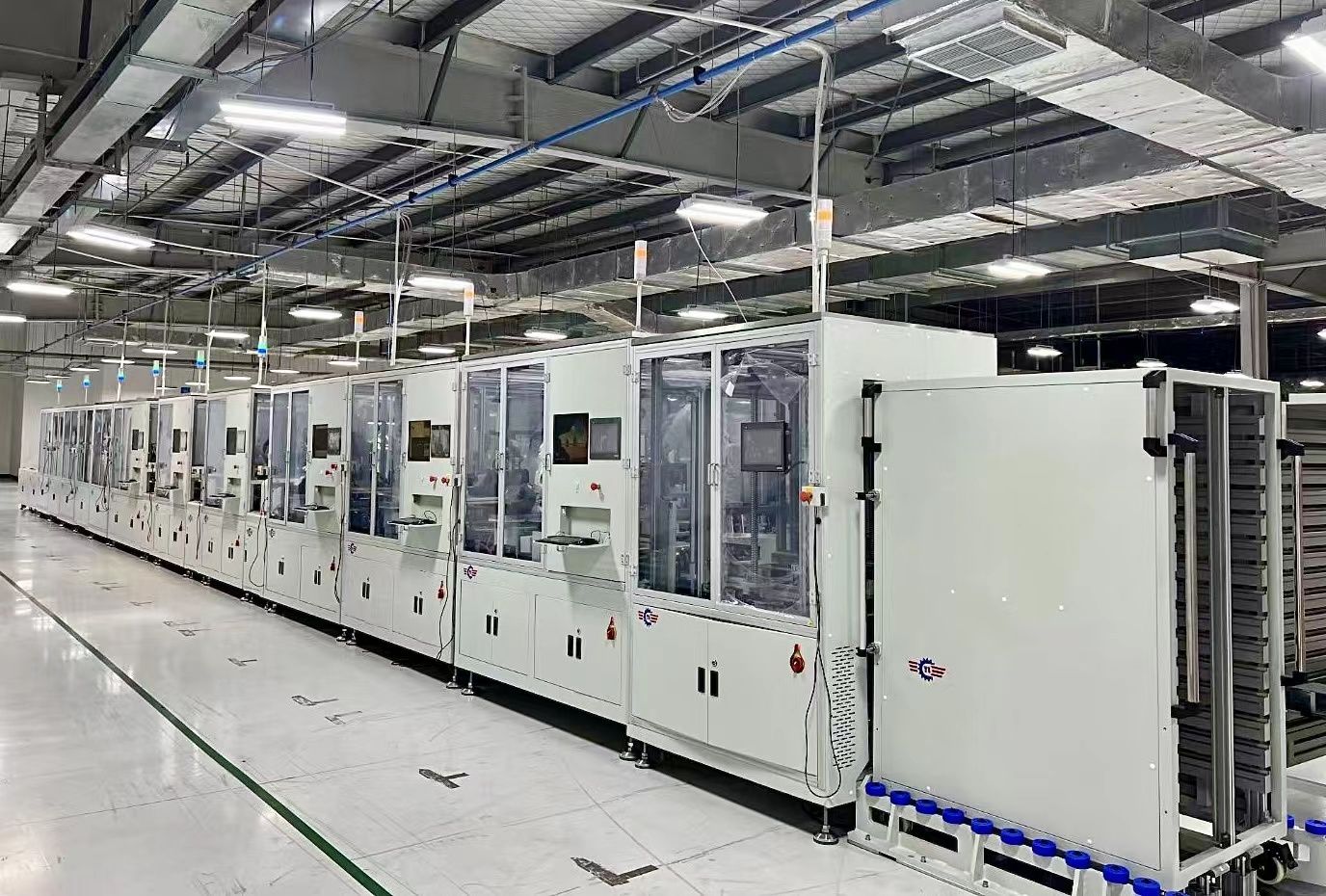
Our product portfolio includes AI training servers, AI inference servers, GPU workstations, edge AI servers, HPC servers, storage servers, and customized rack-level solutions. Leveraging strong R&D capabilities, we provide flexible OEM and ODM services, supporting hardware customization, chassis design, GPU configuration, branding, and system integration according to specific project requirements.

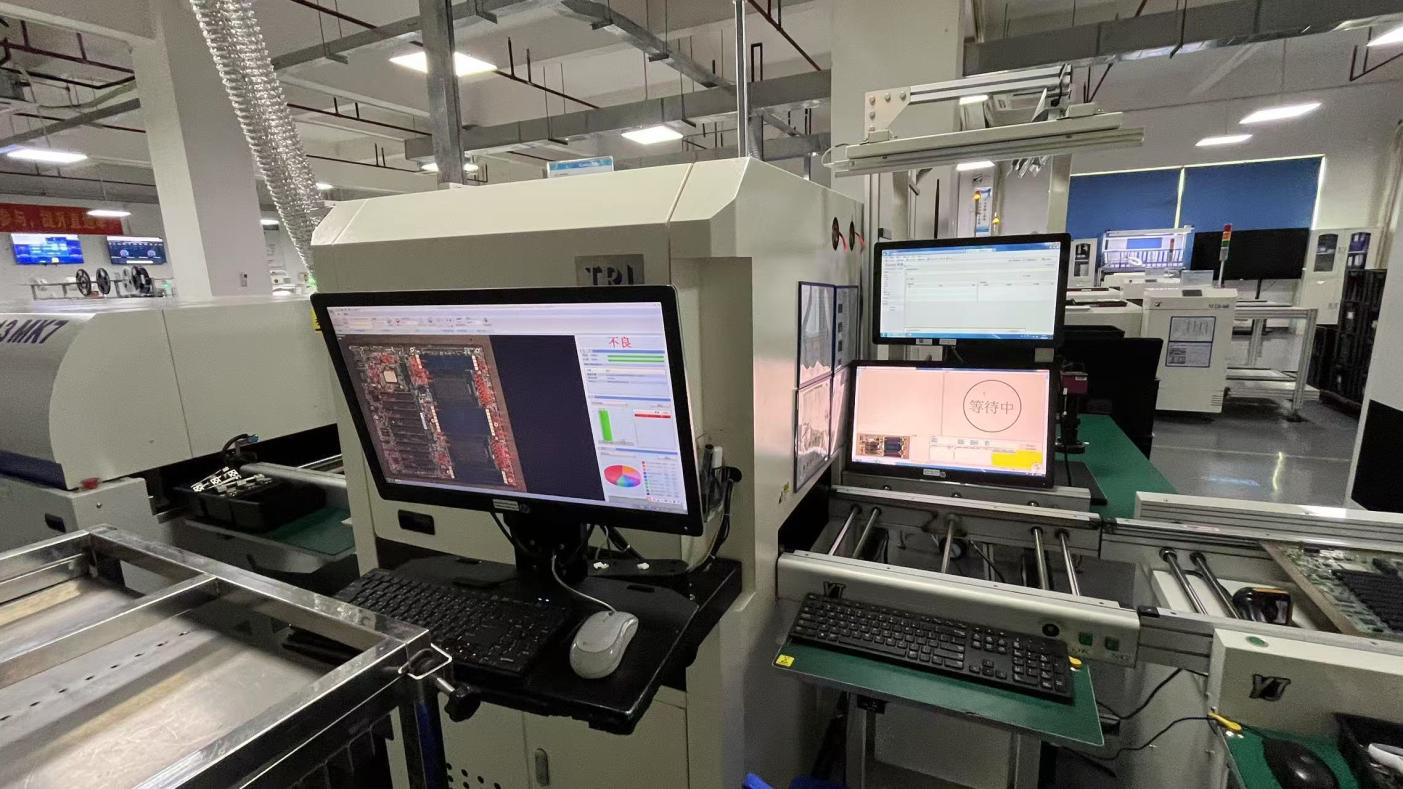
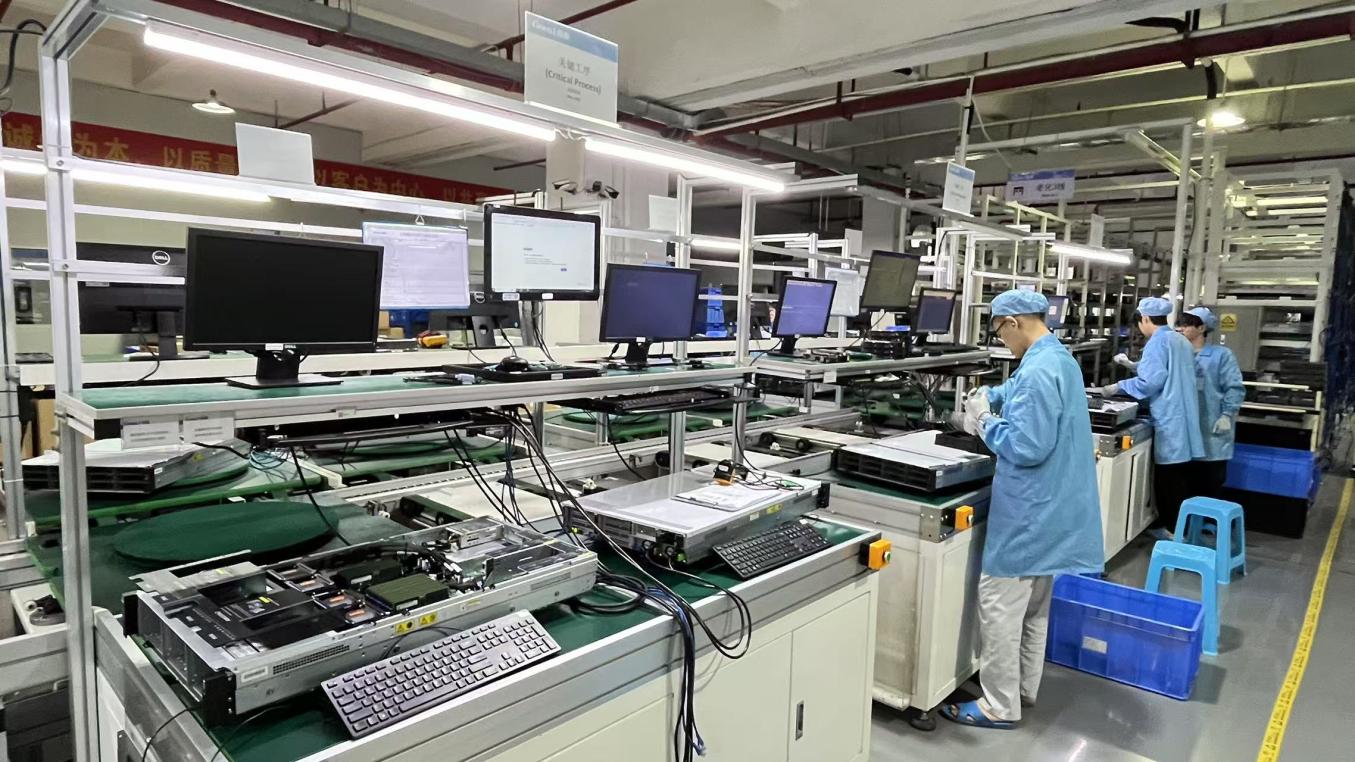
Quality is at the core of our operations. Every product undergoes comprehensive quality inspections, including component verification, system integration testing, burn-in testing, thermal performance evaluation, power consumption testing, and final functional validation before shipment. Our quality control team consists of 46 experienced inspectors who ensure every system meets international quality standards and customer specifications.
Aivora maintains close cooperation with more than 1,250 supply chain partners, enabling efficient sourcing, stable production, and rapid delivery of high-performance computing solutions. Supported by a team of 128 R&D engineers, we continuously innovate and introduce new technologies to meet the rapidly evolving demands of artificial intelligence and data-intensive applications. In the past year alone, we successfully launched 186 new products and solution variants.
Our annual export revenue exceeds USD 18 million, reflecting the trust and long-term partnerships we have established with customers worldwide. By combining advanced engineering expertise, strict quality control, flexible customization options, and responsive customer support, Aivora remains committed to empowering organizations with next-generation AI computing infrastructure.
Expert insights on custom solid state drive specifications, OEM processes, and deployment parameters.
Deploy custom storage arrays, servers, and controllers to optimize your computing architecture.