Aivora
Aivora
Aivora
Modern blockchain ecosystems are undergoing a radical shift from basic distributed ledgers to multi-dimensional compute layers. The rise of Zero-Knowledge (ZK) Rollups, decentralized AI model training (DeAI), and DePIN (Decentralized Physical Infrastructure Networks) demands dedicated hardware that balances raw processing speed, massive data throughput, and cryptographic efficiency. This paradigm shift requires custom OEM/ODM solutions rather than off-the-shelf, generalized computing units.
As a premier global exporter, Aivora Technology Co., Ltd. specializes in the custom development of bare-metal server configurations engineered specifically for cryptographic operations, consensus consensus-validation layers, and high-performance decentralized storage networks. By engineering custom-tailored server topologies, we enable cloud providers, validator cartels, and institutional custodians to maintain high uptimes, secure cryptographic signatures, and maximize protocol rewards.
Generating ZK proofs (ZKP) is notoriously computation-heavy, requiring massive multi-exponentiation (MSM) and number-theoretic transform (NTT) calculations. Our custom OEM GPU servers optimize pipeline distribution across multiple GPU modules, ensuring near-instantaneous validation throughput.
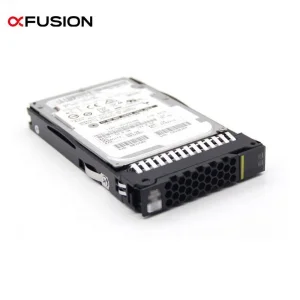
Decentralized physical infrastructure networks require non-volatile storage configurations with redundant power supplies. Our enterprise storage solutions utilize NVMe and high-speed SAS storage drives designed for 24/7 read/write intensive protocol environments.
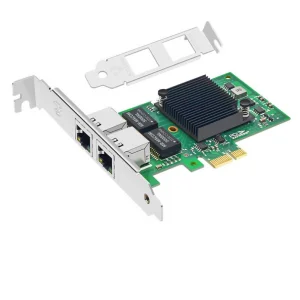
Proof of Stake (PoS) networks require immediate block finality. Missed blocks due to latency mean heavy slash penalties. We custom-configure the server's firmware, network interface cards (NICs), and ECC RAM channels to ensure minimal latency.
When deploying global blockchain networks, hardware procurement must balance two critical components: supply chain adaptability and unit economics. Shenzhen, the global capital of electronic manufacturing services (EMS), offers an unparalleled ecosystem for computing hardware customization.
Operating out of Shenzhen, Aivora Technology Co., Ltd. integrates direct access to raw component fabricators, semiconductor vendors, and precision CNC chassis chassis engineers. With a specialized focus on system integration, our facility optimizes every element of the assembly process.
Our close coordination with over 1,250 supply chain partners allows us to bypass global component distribution bottlenecks, sourcing hard-to-find components like PCIe Gen 5.0 switches, dual-socket server chipsets, and high-performance power supply units (PSUs) on demand. This translates to shortened lead times and bespoke hardware modifications that are impossible to execute outside of Shenzhen's dense industrial corridors.
Eliminates intermediary markups, dropping unit costs by up to 25% compared to Western integrators.
128 in-house engineers design customized BIOS/IPMI firmware tailored for custom protocol requirements.
46 dedicated inspectors run 72-hour continuous thermal and computing burn-in tests on all hardware.
Over 8 years of export experience ensures compliant, tariff-optimized shipping to major data centers worldwide.
Scaling enterprise blockchain nodes requires a macro-level understanding of data flow, networking, and virtualization. To prevent bottlenecking, blockchain infrastructures require specialized server setups designed for high input/output operations per second (IOPS), extensive networking interfaces, and customized power setups.
For Proof-of-Stake validator clusters (such as Ethereum, Solana, or Cosmos), validator health relies on instant block propagation. We utilize multi-channel high-frequency processor architectures coupled with Dual 10GbE SFP+ networking interfaces to minimize communication latency and maximize consensus rewards.
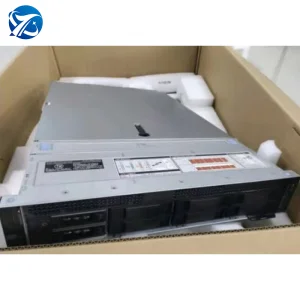
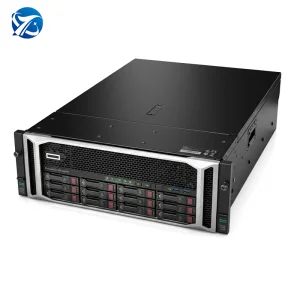
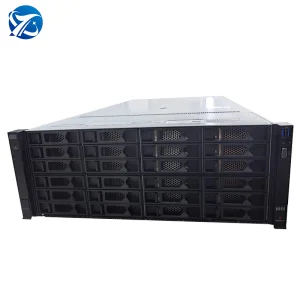
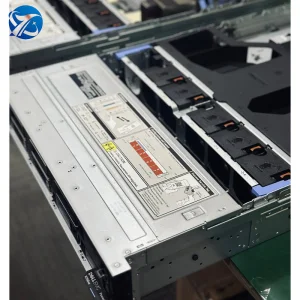
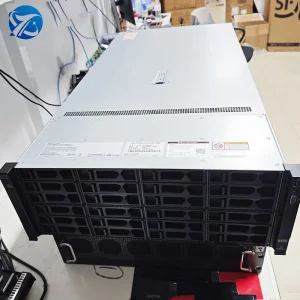
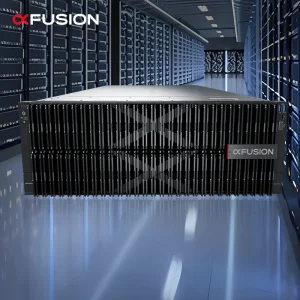
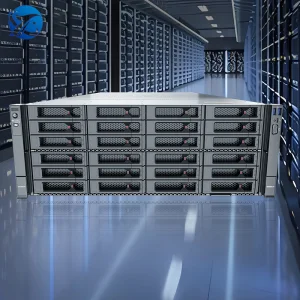
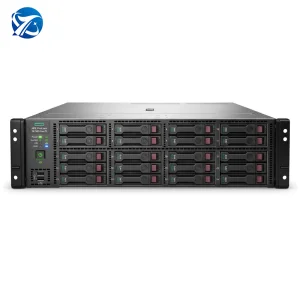
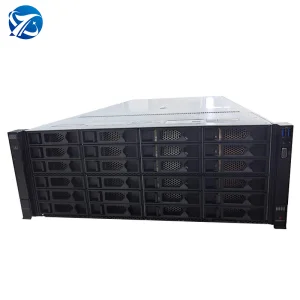
Storage-centric protocols (Filecoin, Arweave, Storj) require massive storage density. Our server options include 2U & 4U rack options optimized for high-capacity SATA/SAS SSD hot-swappable drives, coupled with robust RAID configurations to prevent physical sector failure data loss.
Executing zero-knowledge validation at scale requires massive multi-GPU configurations. Our GPU-dense server racks are optimized for high-power cooling and custom GPU layout designs to ensure sustained 100% compute load without thermal throttling.
Bespoke blockchain servers are not deployed in a vacuum; they must fit into pre-existing data center constraints, local power grids, and regulatory compliance standards. Here are the practical deployment configurations built by Aivora for clients around the globe:

Large logistics and financial institutions utilize private networks (Hyperledger Fabric, R3 Corda) to run supply chain tracking systems. These configurations need ultra-high security and hardware security modules (HSM) compatibility. We supply 1U and 2U rack servers equipped with customized BIOS security settings, secure boot protocols, and dedicated Cryptographic Co-processors to safeguard private transaction keys.
Oracles require persistent, real-world data feeds synchronized to the chain in sub-second intervals. Any hardware delay risks node disqualification. We build specialized, compact 1U servers utilizing NVMe read-intensive SSDs and customized network packet prioritization controllers to ensure real-time transaction processing.
With networks like Render, Akash, and Bittensor (TAO), validators share computing nodes for graphics workloads and large language model training. These servers utilize multi-card PCI Express expansion platforms. We custom-configure GPU server configurations with high-wattage power supplies (up to 3200W redundant PSUs) and custom air ducts to handle maximum graphic processing workloads.
A server's reliability is dictated by its weakest component. Under the continuous resource utilization typical of blockchain operations, off-the-shelf commercial hardware often encounters premature component wear. Our design philosophy targets long-term system stability through intentional component sizing and hardware level-redundancies.
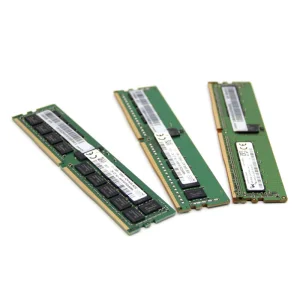
We supply strictly registered Error-Correcting Code (ECC RDIMM) modules, which automatically detect and repair single-bit memory corruptions, preventing runtime kernel panics and consensus state mismatch errors.
Our systems feature enterprise-class Solid State Drives (SSDs) with high drive writes per day (DWPD) ratings and Power Loss Protection (PLP) capacitors to ensure inflight data writes are successfully committed in the event of a power drop.
Deployments leverage 80 Plus Platinum hot-swappable dual-redundant power supplies. If one PSU module fails or encounters power spikes, the redundant unit takes over immediately without causing server downtime.
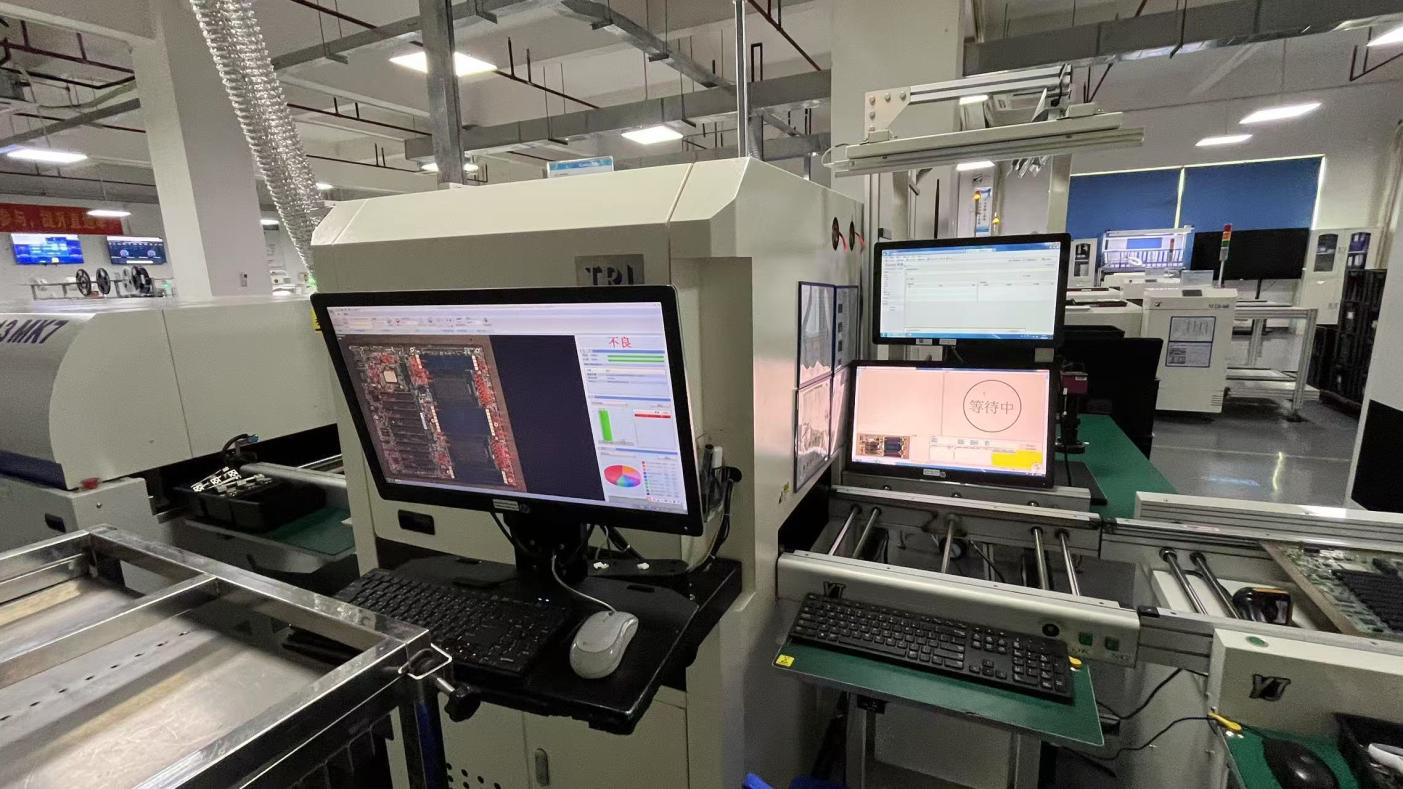
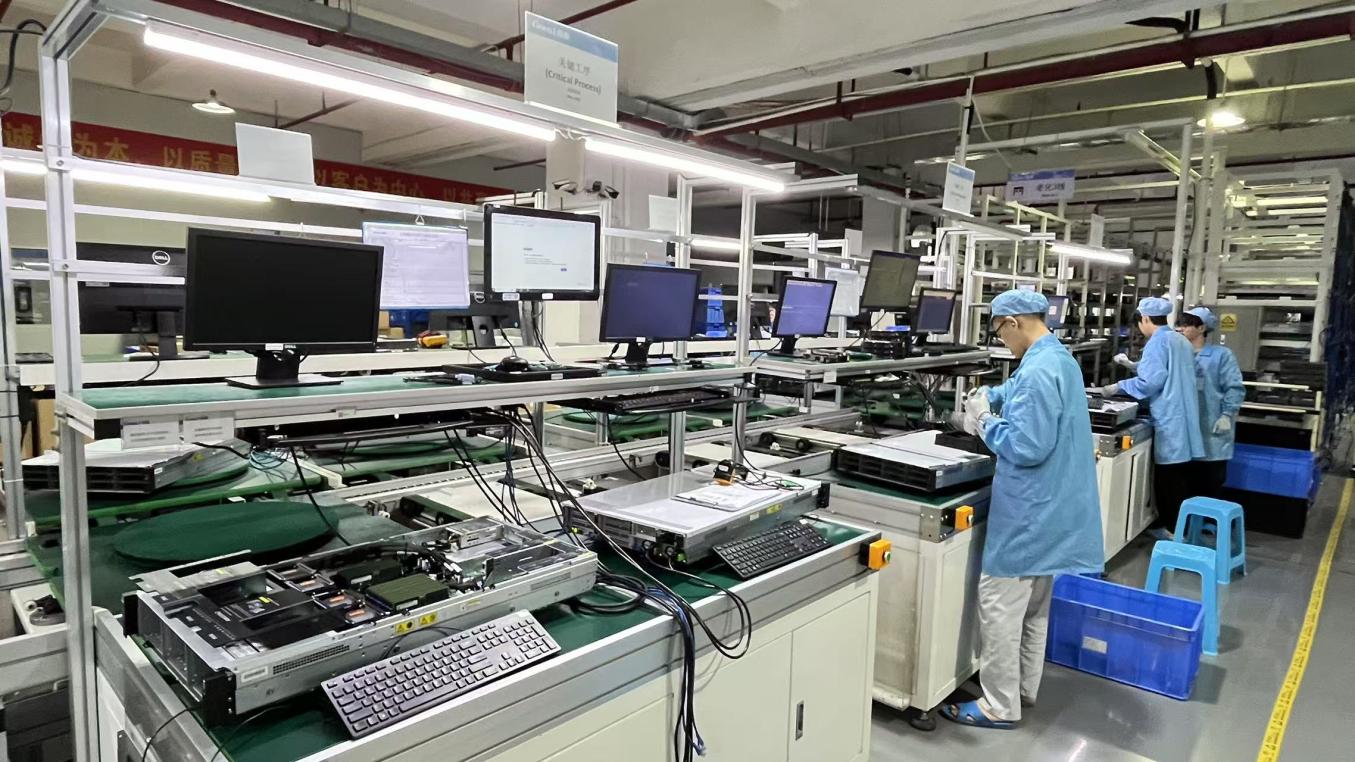
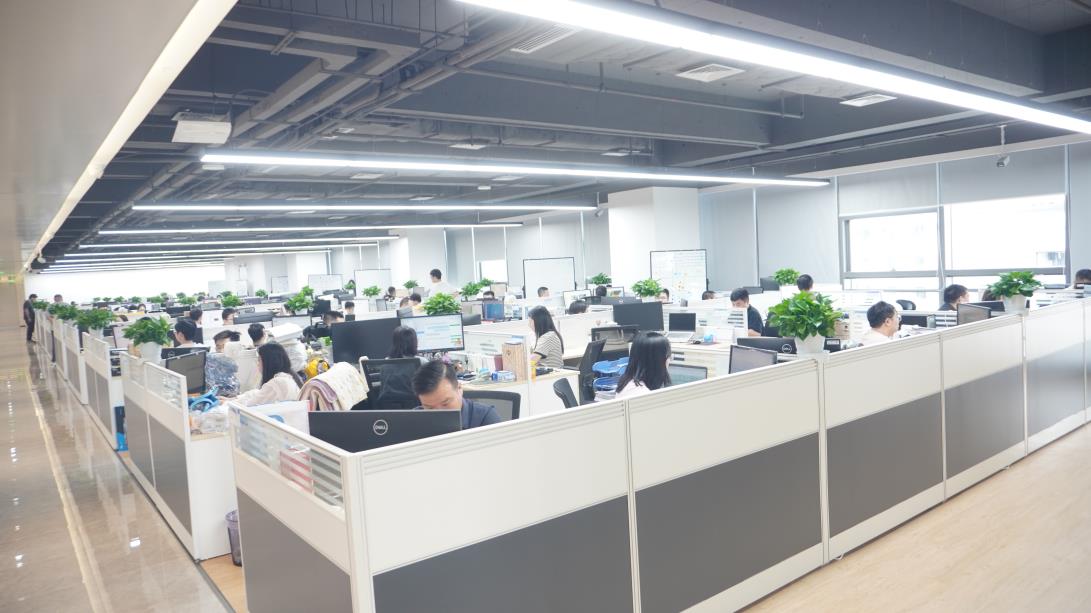
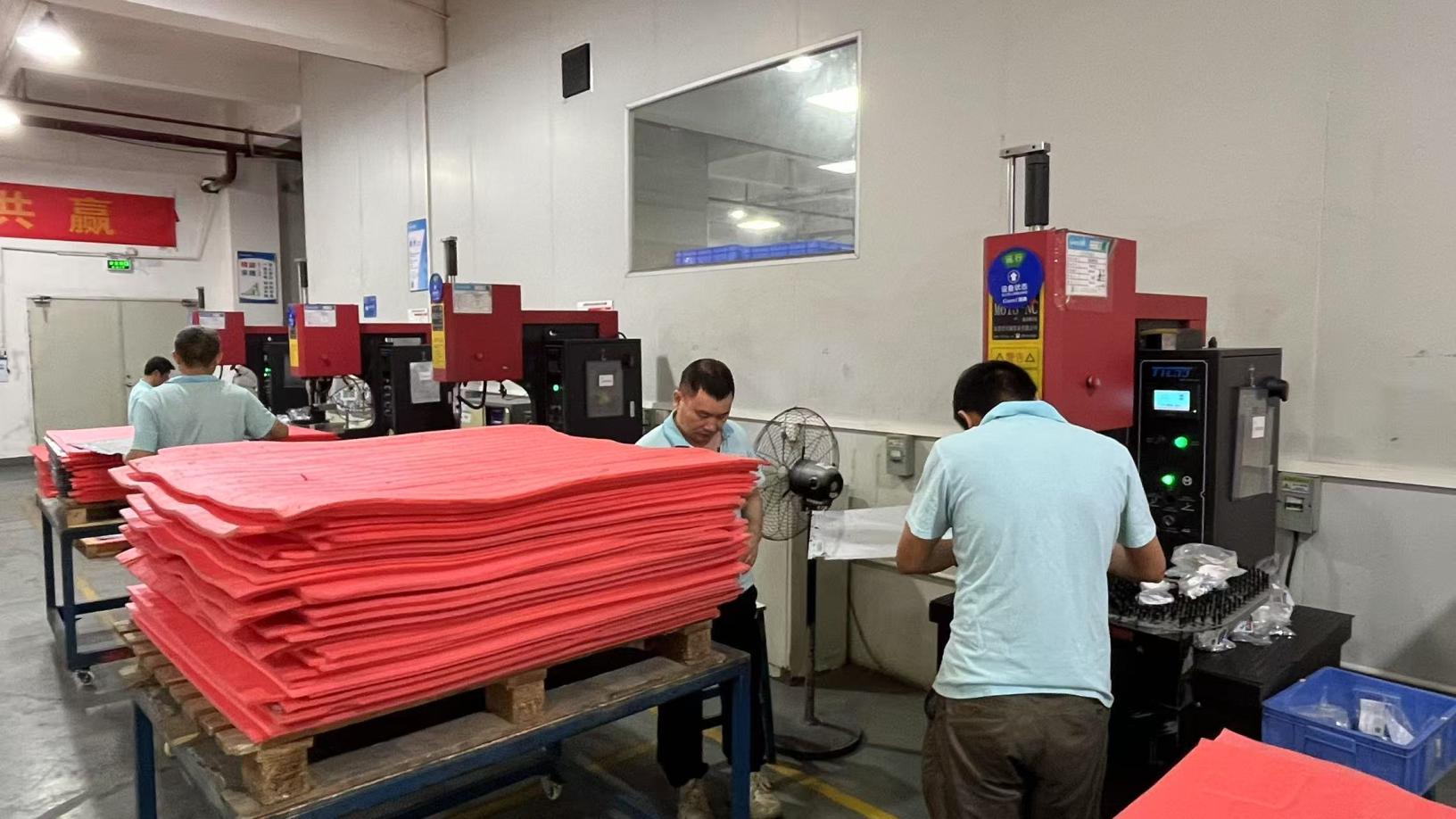
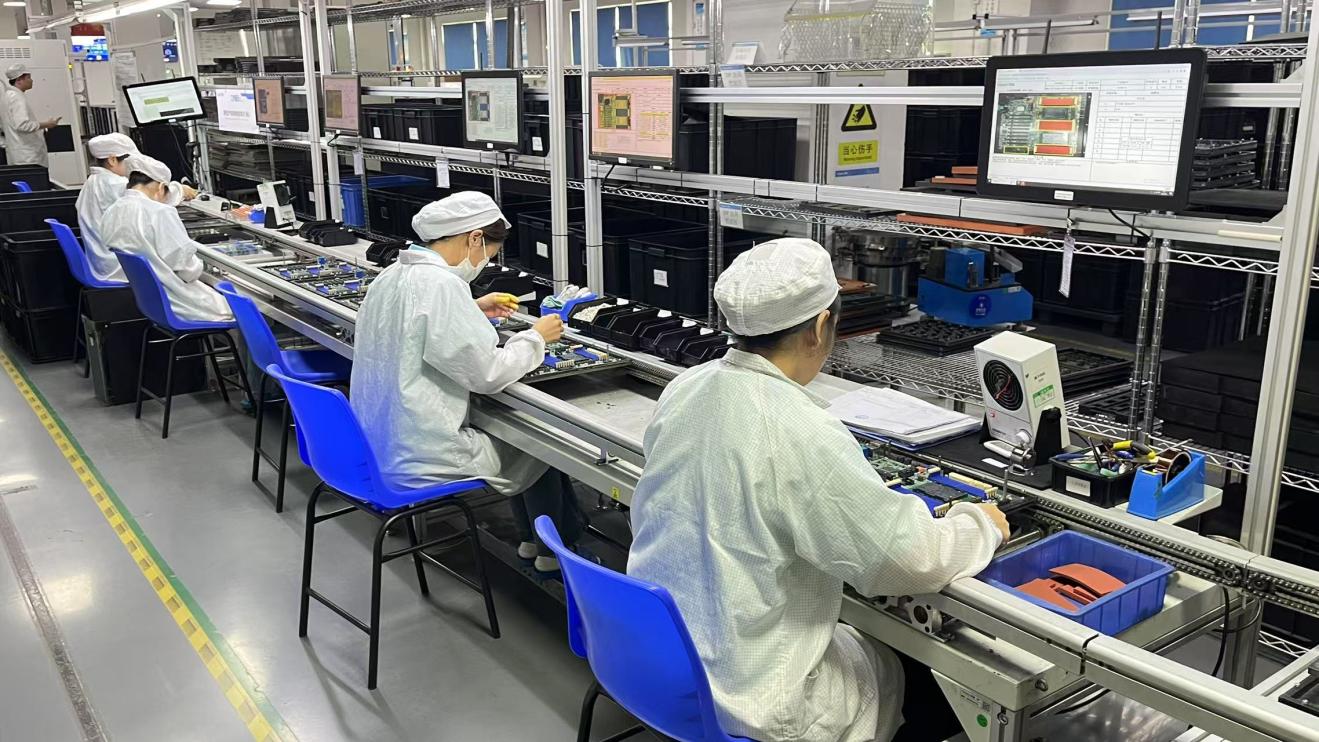
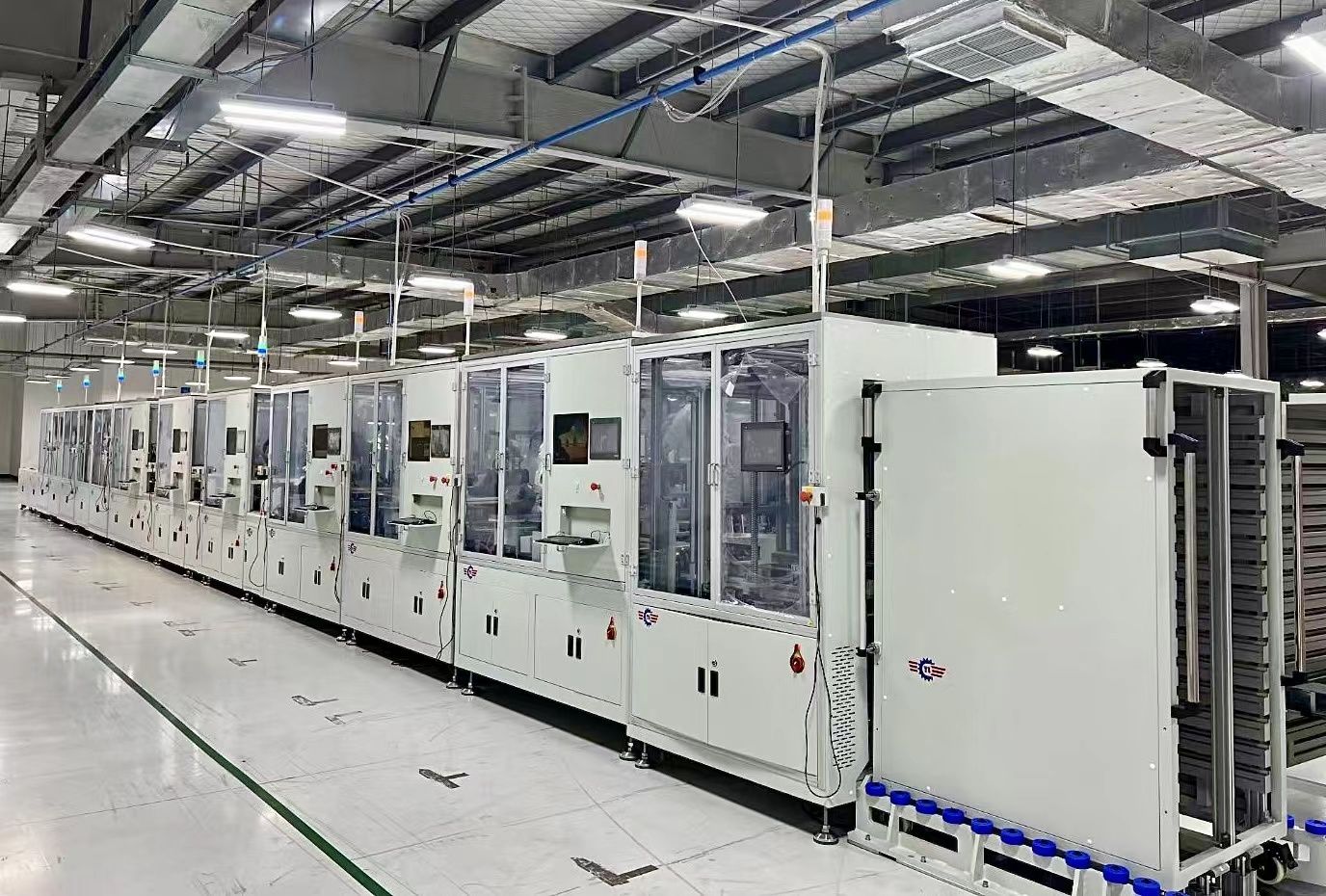
Inside Aivora Technology's Shenzhen development and assembly plant: Advanced production systems matching international standards.
Detailed answers on blockchain hardware specifications, custom ODM/OEM workflows, and international supply logistics.