Aivora
Aivora
Aivora
Direct from verified wholesale channels. Scalable enterprise solutions matching global data center specifications.
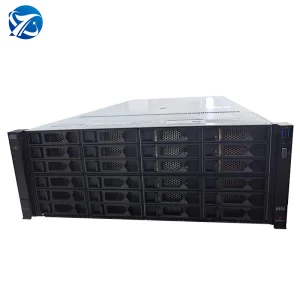
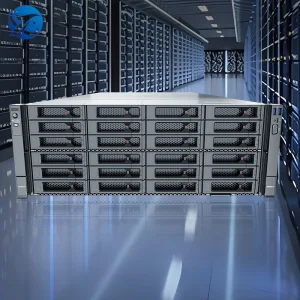
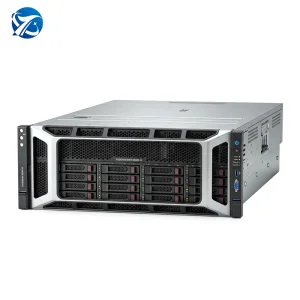
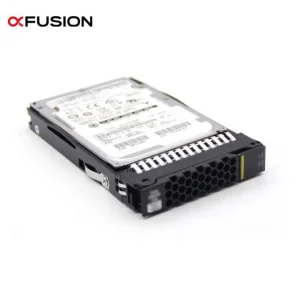
Analyzing the paradigm shift in global telecommunications, local server computing platforms, and low-latency networking architectures.
The global networking landscape is undergoing a structural transition. The traditional reliance on standalone Layer 2/3 hardware switches is rapidly shifting toward unified, software-defined data center fabrics designed specifically to support high-performance computing (HPC) and large-scale artificial intelligence models like DeepSeek, Llama, and proprietary enterprise LLMs. Network devices are no longer mere pipelines; they are now the primary bottleneck for massive data flows, forcing a hardware-level redesign of backplanes and transceiver components.
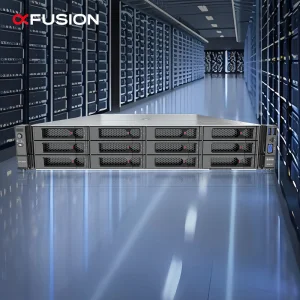
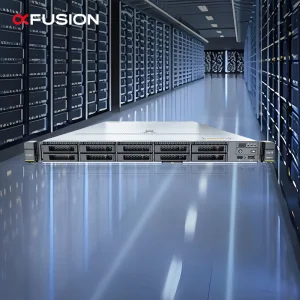
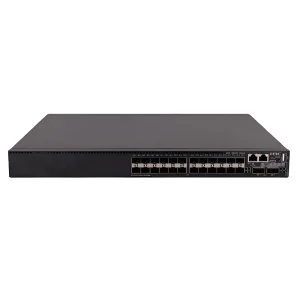
To optimize for these intense workloads, modern Chinese manufacturers and exporters are aligning their product portfolios. High-density optical core switches, such as the H3C S6520X-30QC-EI, now support native 10G, 40G, and even 100G interfaces, implementing RDMA over Converged Ethernet (RoCEv2) protocols. This development eliminates standard TCP/IP network protocol overhead, offering direct memory-to-memory transfers between AI server clusters. Concurrently, servers like the FusionServer G5500 V7 and xFusion 2258 V7 are engineered with advanced PCIe Gen 5.0 lanes to sustain non-blocking data exchange directly with hardware accelerators.
Enterprise workloads demand network latency below the microsecond threshold. Modern switching fabrics incorporate Deep Packet Buffers to prevent frame loss during packet bursts in heavy database queries and model parallel training runs.
Decentralized networks rely on short-depth systems such as the G5200 V5 GPU server to perform low-latency smart city video analysis and automated industrial inference, shifting workloads closer to the point of generation.
As computing densities approach 100kW per rack, exporters are integrating advanced thermal technologies, including closed-loop liquid-cooling structures, optimized airflow baffles, and smart multi-stage cooling fans.
Understanding procurement requirements across different regions, compliance challenges, and cost optimization.
Global IT buyers face a dual challenge: maintaining technological parity with computational advancements while staying within strict budget limits. Enterprise buyers from North America, the European Union, Southeast Asia, and Latin America seek custom OEM and ODM solutions to bypass typical brand markups. They require hardware configurations optimized for their specific hypervisors and storage architectures.
To support procurement decision-making, we analyze key requirements across different industries:
| Buyer Segment | Primary Technical Needs | Critical Hardware Targets | Compliance & Certification Requirements |
|---|---|---|---|
| Cloud Service Providers (CSPs) | Multi-tenant isolation, hypervisor density, high NVMe storage capacities. | xFusion 1288H V7 (1U Rack Server), Dell R660 | CE, FCC, RoHS, UL, CB, ISO9001 |
| Enterprise IT & Private Clouds | Virtualization workloads, high legacy compatibility, database operations. | HPE ProLiant DL380 Gen11, Dell PowerEdge R760xs | CE, FCC, RoHS, EnergyStar |
| AI Research & LLM Operators | High GPU bandwidth, PCIe Gen5 support, high-density power supply redundancy. | FusionServer G5500 V7 AI Server, G5200 V7 | CE, FCC, RoHS, CB, 80 Plus Platinum/Titanium |
| Edge & Municipal Operators | Compact depth, wide thermal tolerances, dust filtering. | AI Inference G5200 V5 GPU Server | CE, FCC, RoHS, IP Ratings where applicable |
When sourcing from China, total cost of ownership (TCO) extends beyond the initial purchase price of hardware. Procurement officers must evaluate component longevity—such as selecting enterprise-grade SATA and NVMe SSDs like the S4520 Series SSD with high Terabytes Written (TBW) ratings—to reduce long-term system maintenance costs. Working directly with OEM/ODM factories allows buyers to tailor power supplies (e.g., matching 900W, 1600W, or 2000W redundant PSUs to the local electrical infrastructure) and bypass unnecessary software license bundles.
Direct-from-factory expertise, strict quality management, and dynamic production metrics.
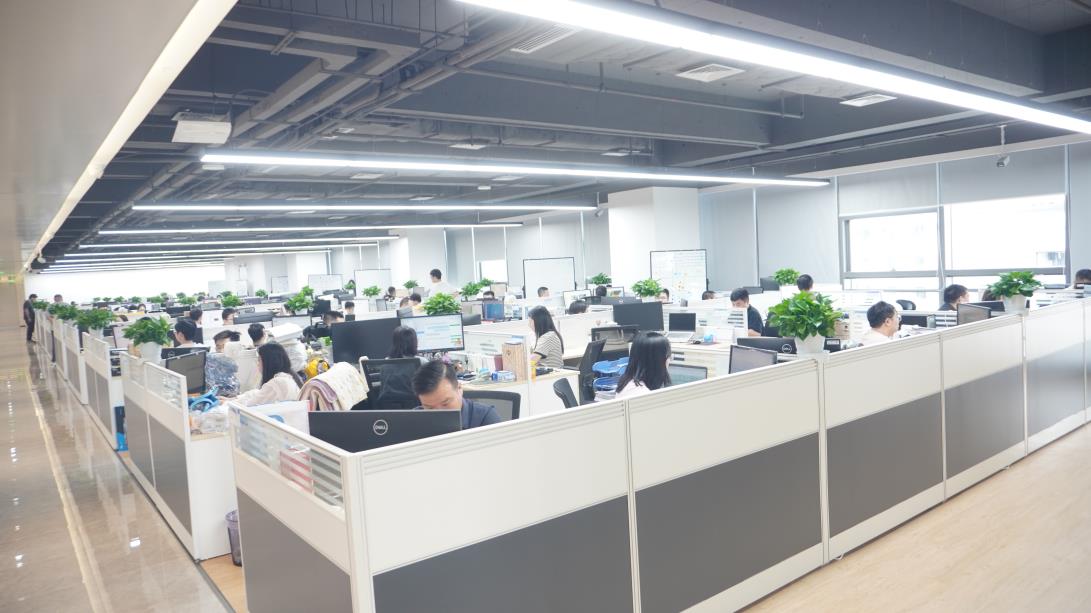
Aivora Technology Co., Ltd. is a specialized AI server manufacturer dedicated to delivering high-performance GPU server solutions, AI computing infrastructure, and customized data center systems for customers worldwide. Established in 2018, the company has grown into a trusted partner for enterprises, cloud service providers, AI startups, research institutions, and system integrators seeking reliable and scalable AI computing platforms.
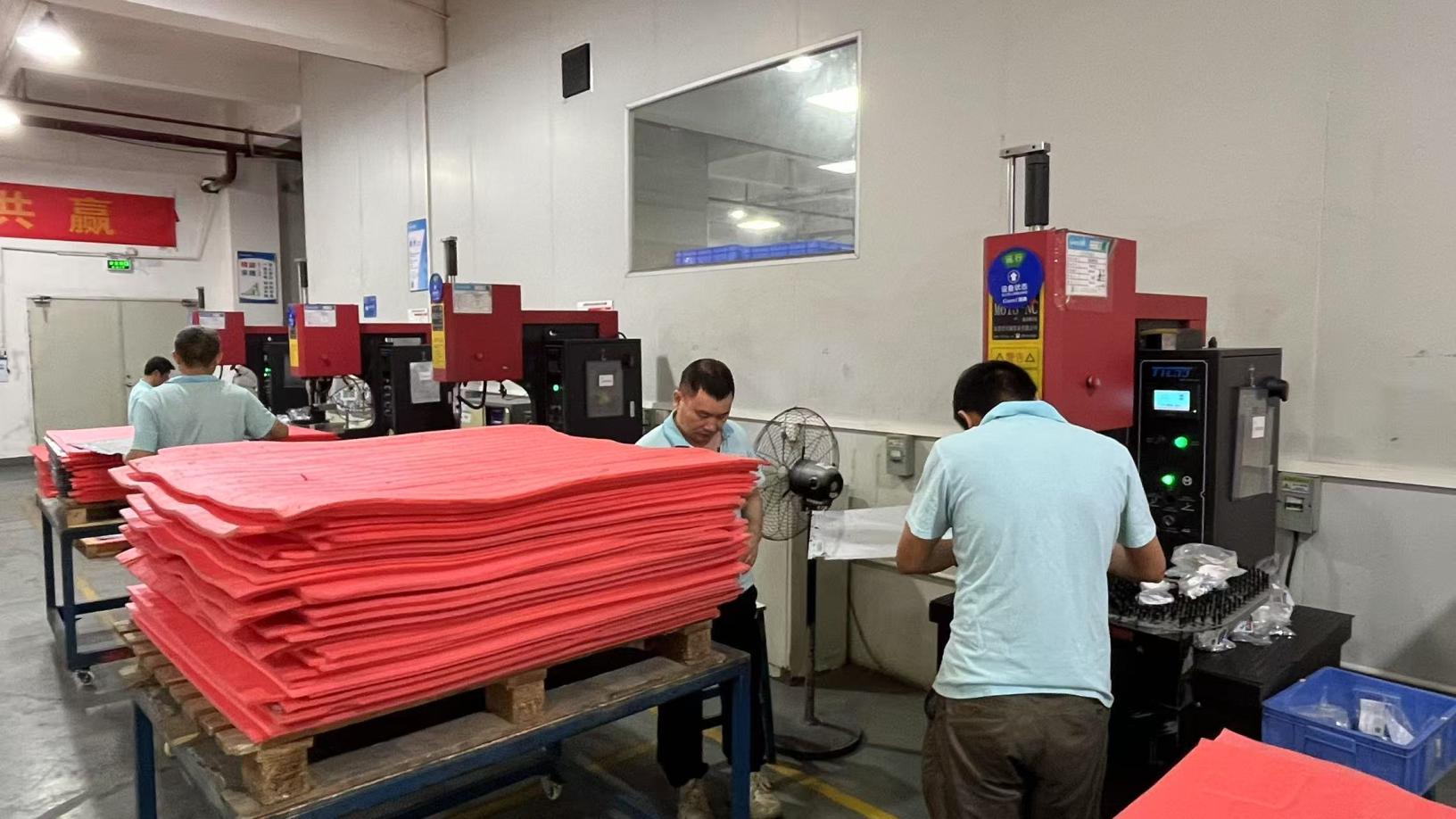
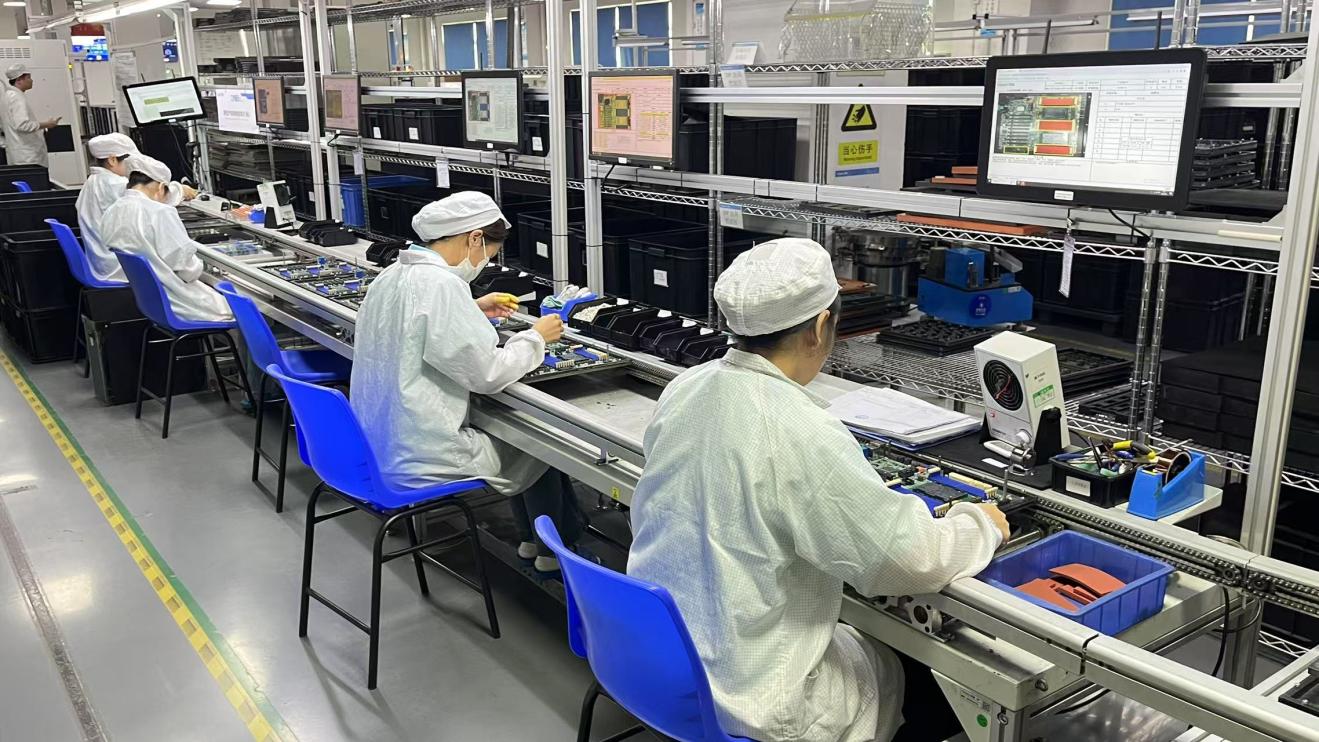
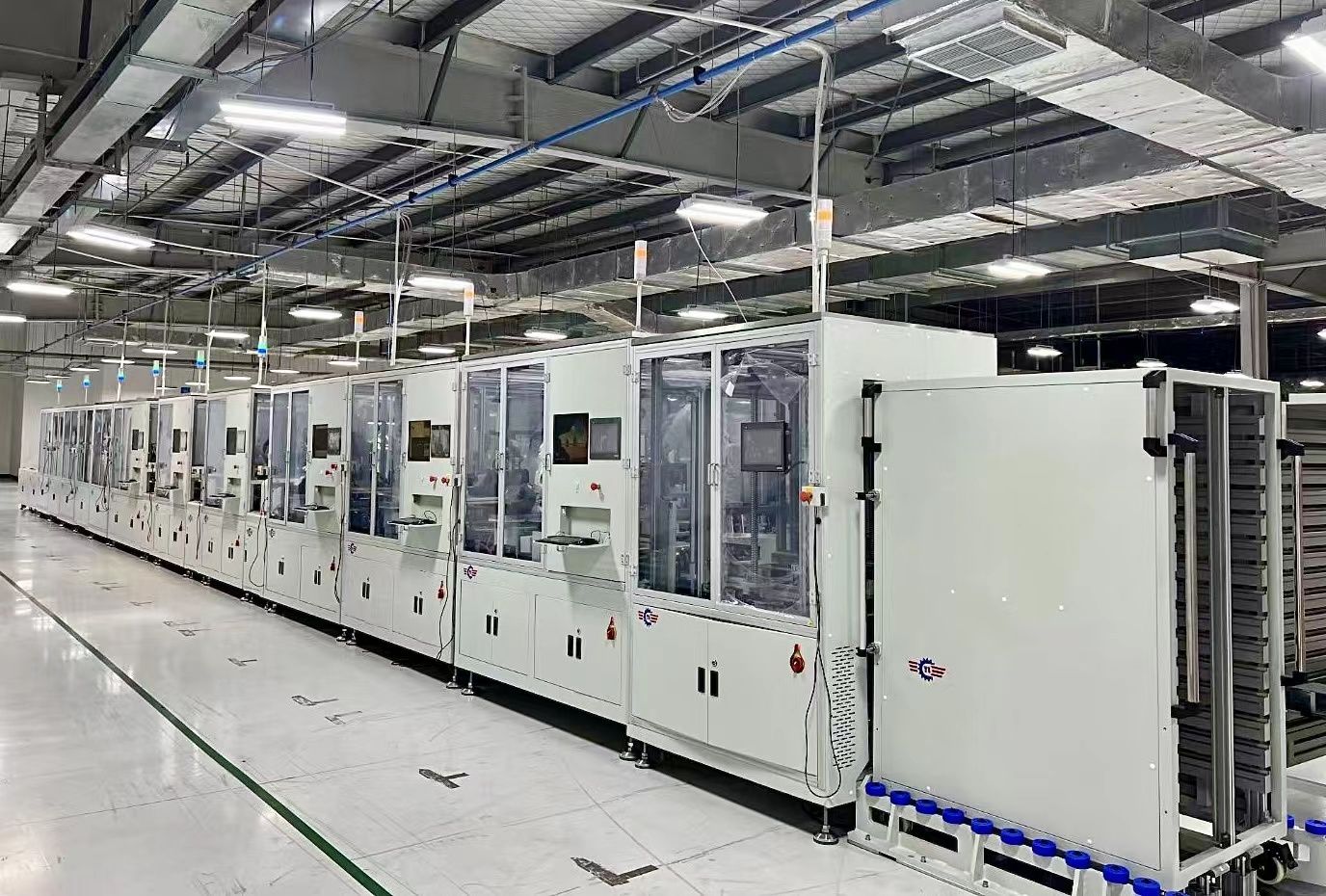
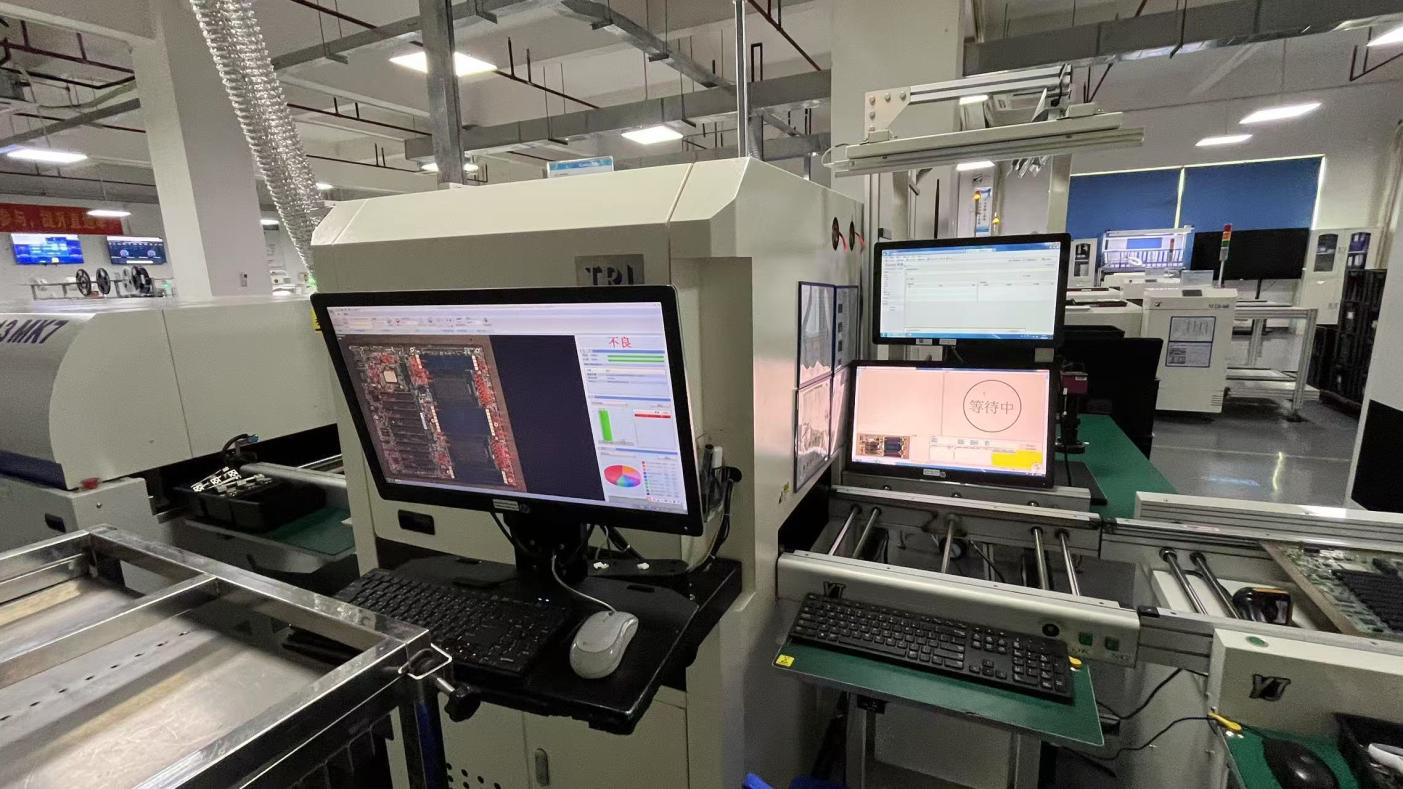
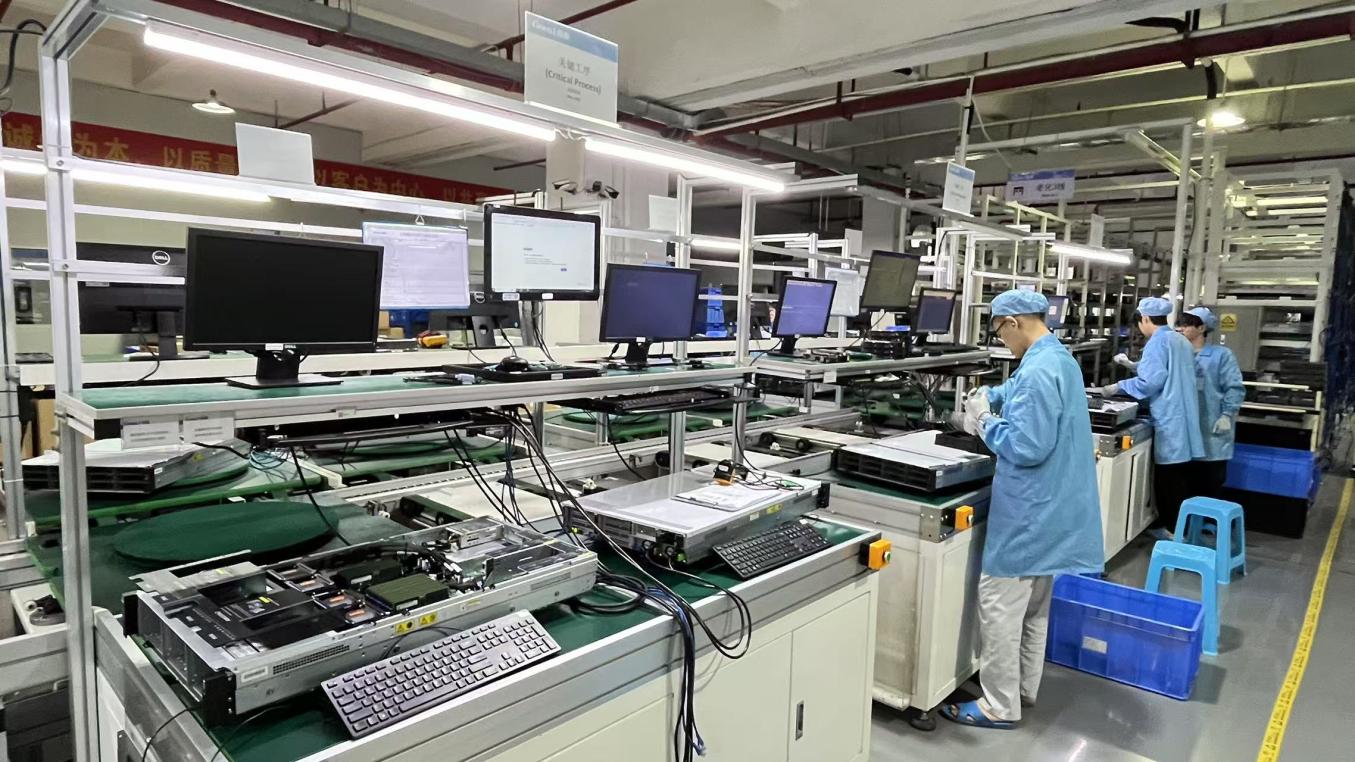
Located in the technology manufacturing hub of Shenzhen, China, Aivora operates a modern production facility designed for advanced assembly, testing, and quality control. This setup ensures consistent product performance and reliability across all production runs. With over 8 years of export experience and 14 years of industry expertise, we serve customers across North America, Europe, Southeast Asia, the Middle East, and South America.
Our product portfolio includes AI training servers, AI inference servers, GPU workstations, edge AI servers, HPC servers, storage servers, and customized rack-level configurations. Leveraging strong R&D capabilities, we provide flexible OEM and ODM services, supporting hardware customization, chassis design, GPU configuration, branding, and system integration according to specific project requirements.
Quality is at the core of our operations. Every system undergoes comprehensive quality inspections, including component verification, system integration testing, burn-in testing, thermal performance evaluation, power consumption testing, and final functional validation before shipment. Our quality control team of 46 inspectors ensures every system meets international quality standards and customer specifications.

How our network infrastructure and GPU servers handle real-world computational challenges.
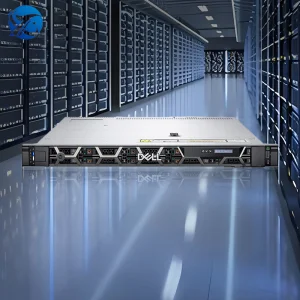
For modern cloud service providers, hardware resource utilization is key to profitability. Deploying systems like the HPE ProLiant DL380 Gen11 or the xFusion 1288H V7 enables high virtualization densities.
Deploying deep learning systems requires robust server architectures that align GPU interconnects with host processing paths, reducing latency for complex models like DeepSeek.
In municipal and smart city security programs, real-time edge processing is essential. Running video analytics locally requires resilient platforms that handle raw camera feeds. The AI Inference G5200 V5 GPU Server is designed for these tasks, offering a balance of compute power and thermal efficiency to reliably process multi-channel video streams at the network edge.
How Aivora plans to address upcoming challenges in high-density rack computing, PCIe Gen6, and liquid cooling.
Looking toward the 2025-2030 development cycle, datacenter architectures will face strict restrictions on carbon emissions and Power Usage Effectiveness (PUE). Standard air-cooling methods are reaching their physical limits as single-socket CPUs cross the 400W threshold and high-performance GPUs approach 700W to 1000W TDP.
To address these requirements, Aivora's R&D department is focused on three primary areas:
Transitioning from standard air-cooled chassis to hybrid direct-to-chip cold plate liquid cooling systems. This shift helps lower datacenter PUE values below 1.15, aligning with modern regulatory policies.
Integrating CXL memory pooling technologies into upcoming xFusion and proprietary motherboard layouts. This allows memory resource sharing across server clusters to reduce latency and memory overhead.
Developing high-speed PCBs capable of handling the signal integrity requirements of PCIe Gen 6.0. This doubling of raw bandwidth supports next-generation GPU and network interface connectivity.
A breakdown of our quality control pipeline, managed by our team of 46 certified inspectors.
Hardware failures in live enterprise data centers can result in significant operational costs. To prevent issues, Aivora subjects all network switches and GPU server units to a multi-phase testing process prior to export packaging:
Incoming electrical components, motherboards, DRAM chips, and power components undergo parametric screening to filter out parts that fail to meet specifications.
Systems are monitored throughout assembly. Core links, including high-speed PCIe connections and SAS/SATA backplanes, are checked for signal integrity.
Assembled server systems run under load in testing chambers at 40°C for up to 72 hours. Inspectors monitor for thermal throttling and hardware faults.
Systems receive firmware updates and IPMI configurations. Components are re-verified, and units are approved for secure export shipping.
Detailed answers to common questions regarding enterprise hardware procurement, system configurations, and export compliance.
We offer comprehensive OEM/ODM services at the structural level. Our 128 R&D engineers can design custom chassis depths to fit short racks, customize cooling solutions, design custom drive cage layouts (e.g., maximizing 2.5-inch U.2/U.3 NVMe drives), and brand BIOS splash screens. We can also integrate specific third-party network interface cards (NICs) or accelerators per project requirements.
Yes, our systems (such as the FusionServer G5500 V7 and G5200 V7) are fully compatible with mainstream open-source and commercial software stacks. This includes CUDA, ROCm, PyTorch, TensorFlow, Docker, Kubernetes, and specialized optimization engines like vLLM, TensorRT, and DeepSeek's open-source inference framework. They run on enterprise Linux distributions such as Red Hat Enterprise Linux, Rocky Linux, Ubuntu Server, and CentOS.
We ship under various Incoterms, including FOB, CIF, and DDP. Because server hardware contains high-value microchips, batteries (such as RAID controller supercapacitors), and power supplies, we work with specialized logistics providers to ensure export compliance. We provide full customs documentation, including Certificates of Origin, CE/RoHS declarations, and detailed commercial invoices to assist with local import processes.
We offer a standard 3-year hardware warranty on all core components, including motherboards, power supplies, and cooling systems. For international clients, we maintain a reserve stock of replacement parts that can be shipped via express air freight. In cases of critical failures, our team of R&D engineers can assist with remote debugging via IPMI/iBMC connections.
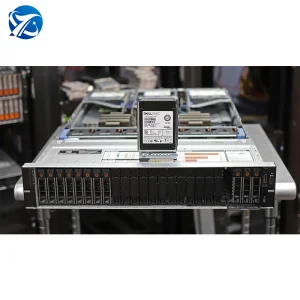
Yes, we customize storage arrays based on your application needs. We offer SATA, SAS, and NVMe drives (including read-intensive, mixed-use, and write-intensive models) with Terabytes Written (TBW) ratings tailored to your target workloads. This ensures maximum storage reliability for database platforms and log-gathering setups.
Our high-density switches, including the H3C S6520X-30QC-EI, undergo packet-generation stress testing to measure throughput, latency, and packet loss rates under full load. We test configurations under Layer 2/3 protocols and simulate traffic bursts to confirm that the hardware buffer capacity matches real-world network routing requirements.
Complete your deployment with these verified rack systems and high-density computing platforms.