Aivora
Aivora
Aivora
The global digital economy is undergoing a foundational paradigm shift. Blockchain technology has evolved from its early conceptual phases into an enterprise-grade infrastructure layer supporting logistics tracking, decentralized physical networks (DePIN), smart financial systems, and secure multi-party computation (MPC). However, the efficiency of decentralized consensus and cryptographic execution is inherently limited by physical hardware. Every transaction validation, smart contract execution, and zero-knowledge proof generation represents complex mathematical operations requiring massive raw computational resources.
To sustain transaction throughput without sacrificing decentralization or security, enterprises require highly specialized hardware infrastructure. Modern blockchain node environments rely heavily on enterprise-grade compute platforms, high-speed storage architectures, and advanced cooling technologies. Whether scaling layer-2 rollups, hosting validator pools for Proof-of-Stake (PoS) protocols, or coordinating decentralized AI (DeAI) orchestration nodes, modern Web3 frameworks demand zero bottlenecks at the silicon level.
Decentralized Physical Infrastructure Networks rely on scalable nodes to store state, verify transactions, and coordinate distributed physical assets. High-reliability Xeon and EPYC rack systems ensure continuous uptime.
Generating cryptographic proofs to scale public ledgers requires intensive mathematical computations. Acceleration of multi-scalar multiplication (MSM) requires highly integrated GPU clusters and PCIe Gen 5 topologies.
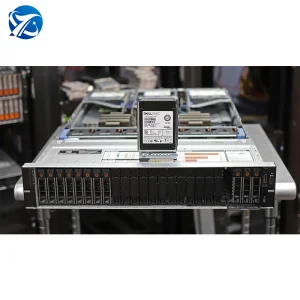
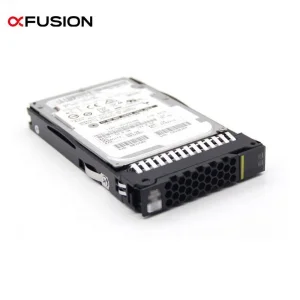
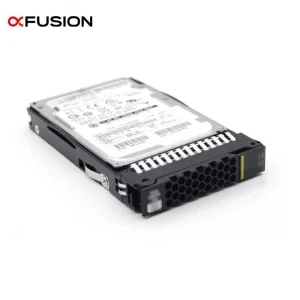
Hyperledger Fabric and R3 Corda deployments in corporate networks mandate robust data isolation, low latency, and massive input/output operations. High-capacity enterprise SAS SSD configurations prevent state-trie access blockages.
Global decentralized networks require physical deployment. As a leading specialized manufacturer of blockchain servers and high-performance computing (HPC) structures in Shenzhen, China, we bridge the gap between high-level cryptographic protocols and physical hardware. The integration of silicon components, motherboards, storage fabrics, and cooling frameworks determines the operational sustainability of global nodes.
Our engineering expertise addresses key structural needs for blockchain and AI convergence:
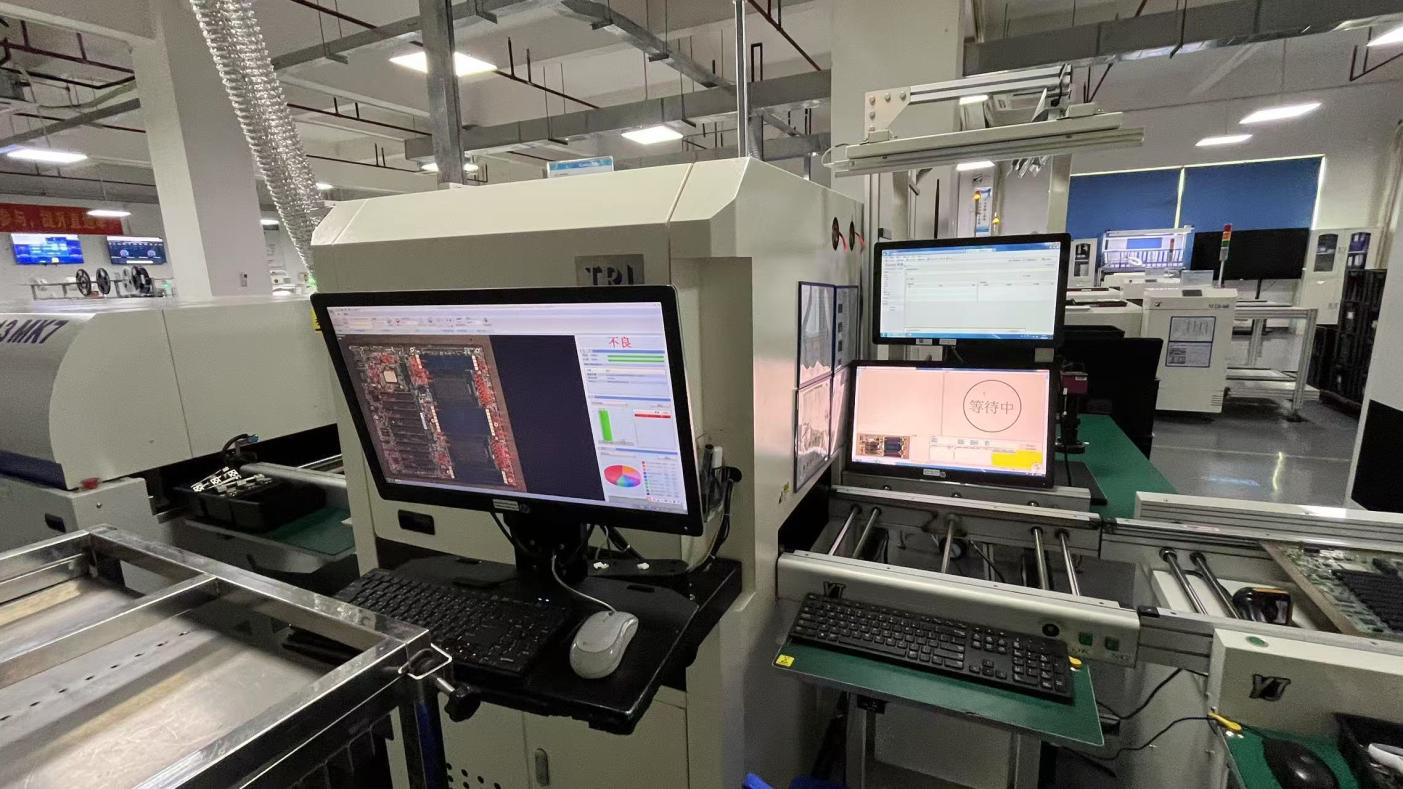
Shenzhen remains the global center of high-performance electronic hardware manufacturing. The local industrial ecosystem provides immediate access to silicon substrates, thermal solutions, and component packaging services. This high level of integration allows us to deliver high-quality computing hardware at competitive wholesale rates.
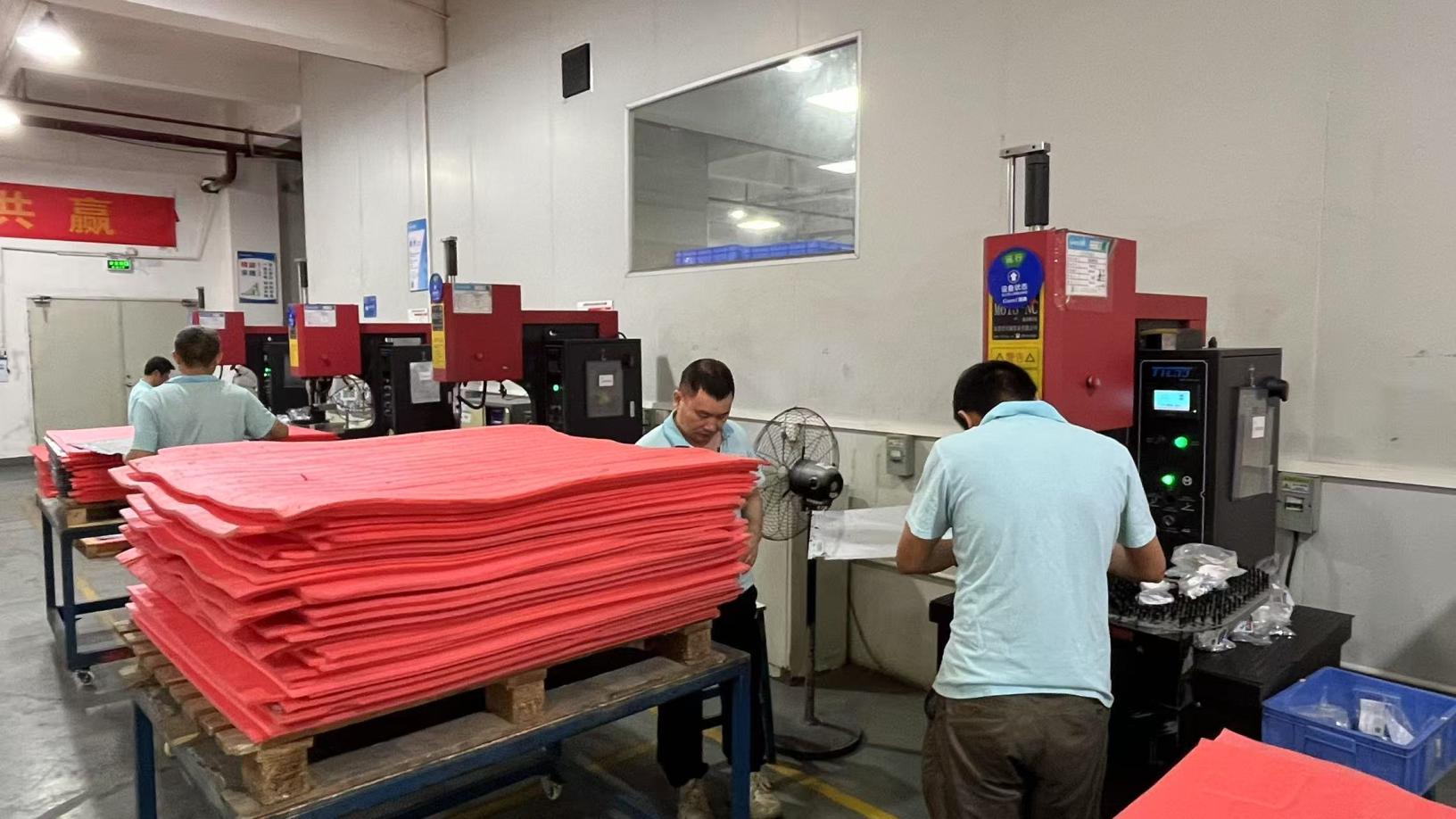
Our operation leverages this geographic advantage to provide rapid customization. Whether your deployment requires modified chassis layouts, custom GPU rail designs, specific power supply configurations for low-voltage datacenters, or pre-installed enterprise software configurations, our facility is equipped to handle rapid prototyping and mass assembly.
With over 1,250 supply chain partners, we secure high-performance components (Enterprise SSDs, SAS controllers, GPU components, memory modules) at factory pricing with stable lead times.
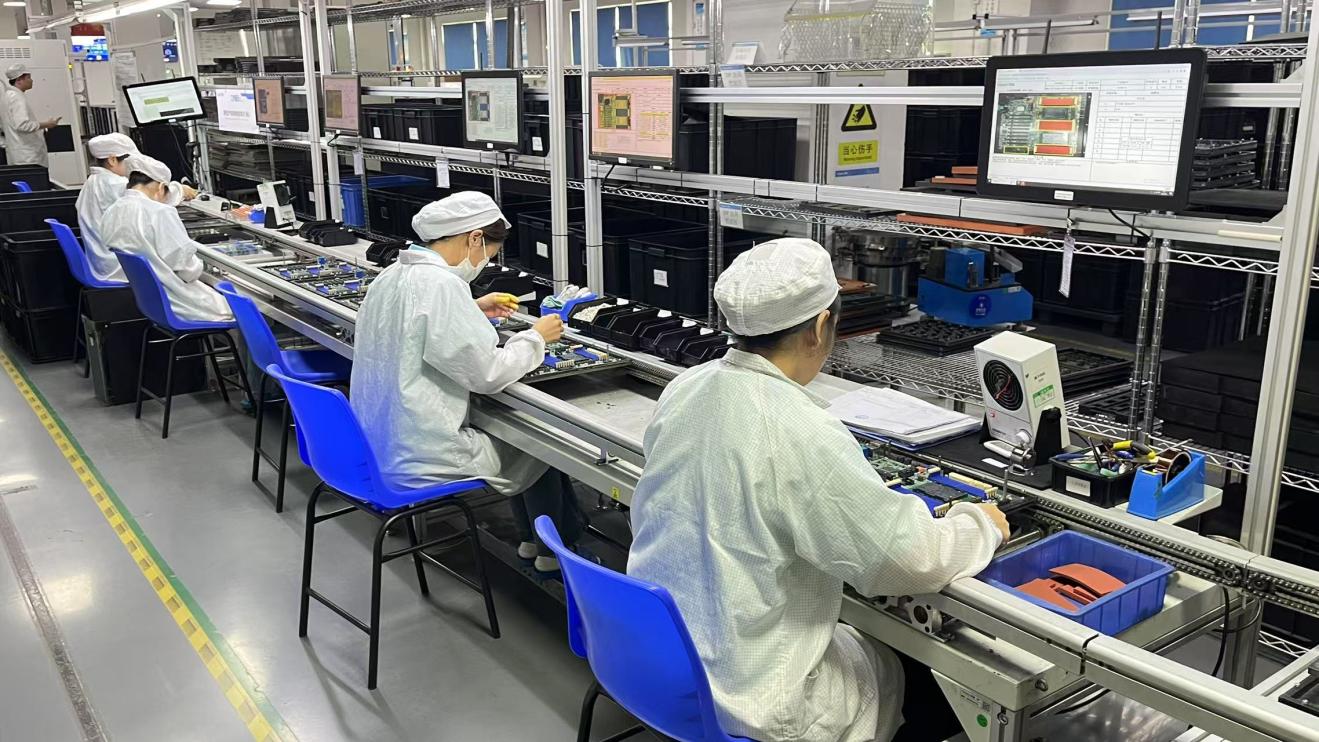
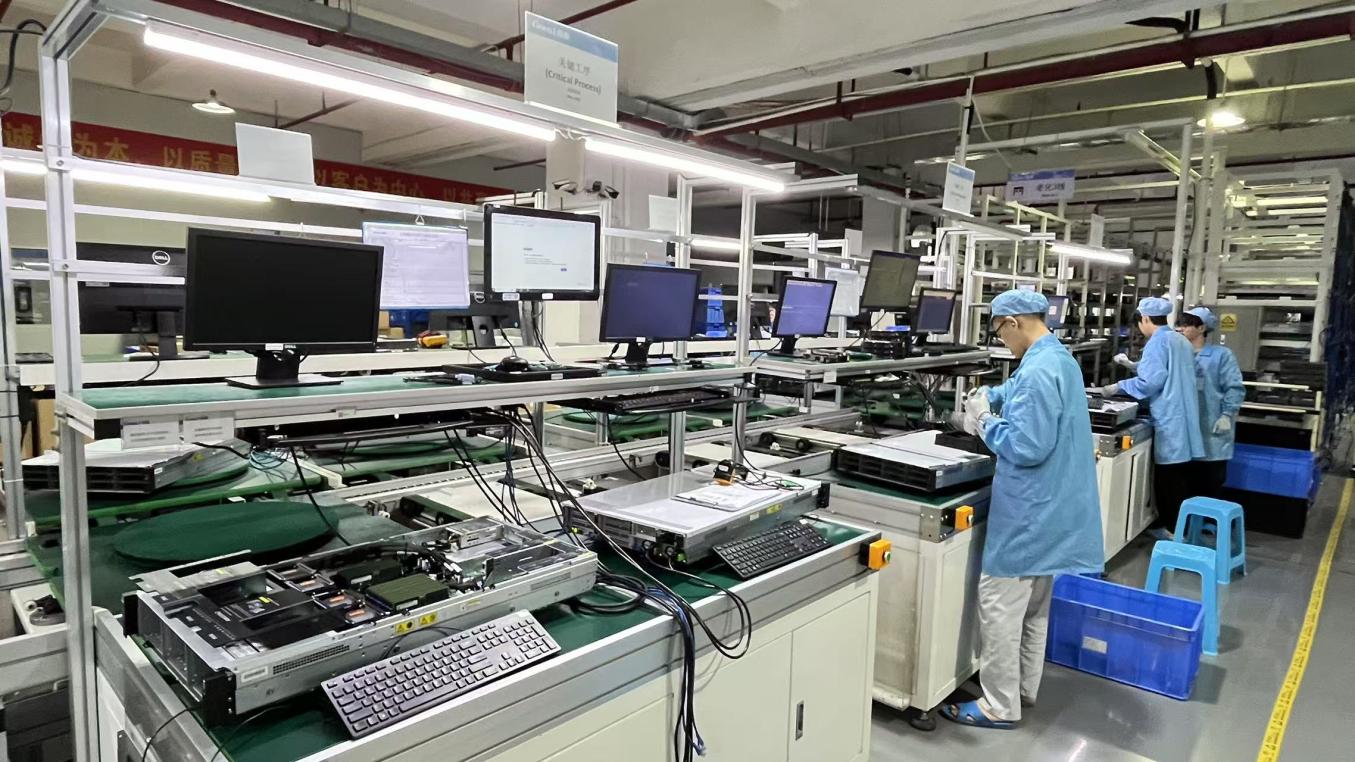
Every node undergoes comprehensive testing, including high-temperature burn-in tests, network load analysis, system integration validation, and error-correcting memory testing by 46 quality inspectors.
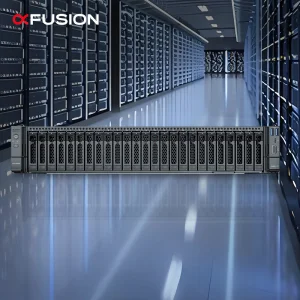
We offer customization options for high-density 1U/2U configurations, front/rear cable designs, liquid cooling options, and custom metalwork to match specific rack architectures.
Our export team manages international compliance certifications and secure shipping arrangements to Europe, CIS, the Middle East, South America, and Asia.
Different enterprise applications require targeted hardware configurations. A standard layout cannot satisfy the diverse requirements of the blockchain ecosystem. Here is how we deploy specific configurations for various scenarios:
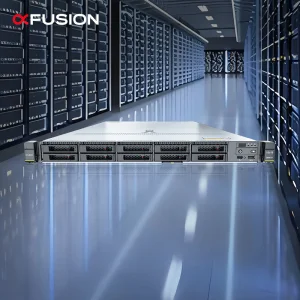
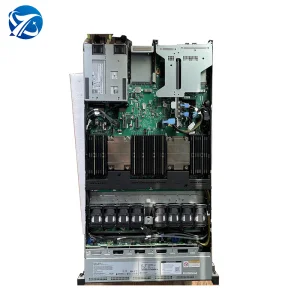
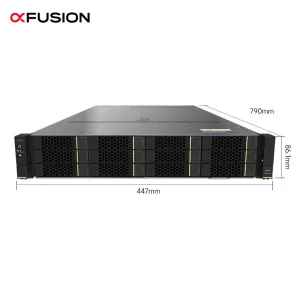
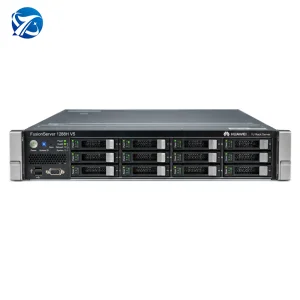
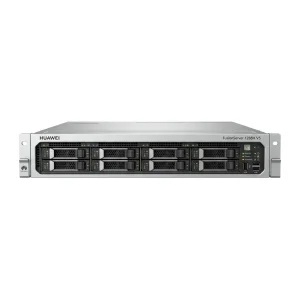
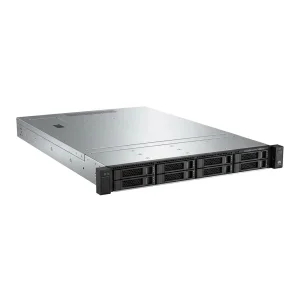
Required: High stability, dual redundant power supplies, low-latency SAS storage. Our 1288H V6 / V7 1U servers are designed for this role, offering high-density compute capacity with low rack footprint.
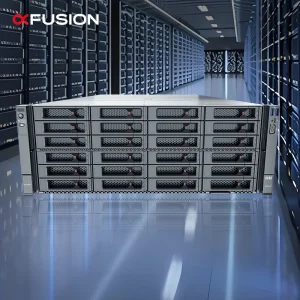
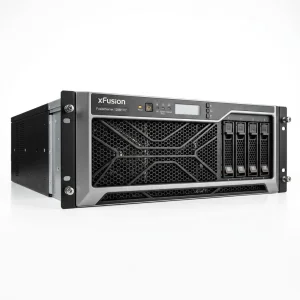
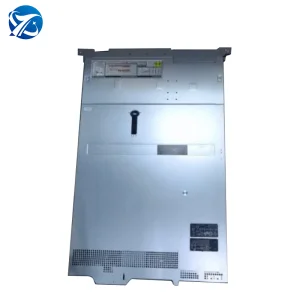
Required: High capacity, reliable drive interfaces, cost-efficiency. Our 5288 V7 4U storage servers combined with SAS HDD arrays provide the capacity and high-throughput data pipelines required for decentralized cloud storage networks.
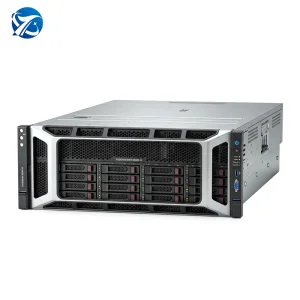
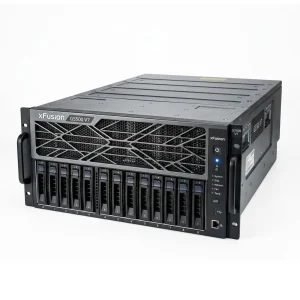
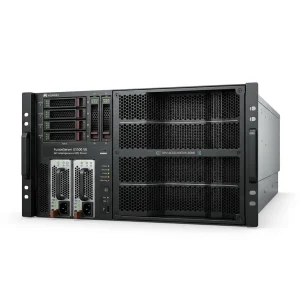
Required: High GPU density, high PCIe bandwidth, high cooling capability. The G5500 V7 / V6 GPU servers deliver the raw parallel processing power needed to generate cryptographic proofs and train complex model variants.
As the blockchain market matures, several technological and operational trends shape global hardware procurement:
Modern processors and high-capacity GPU systems generate significant heat. Traditional air cooling faces limits under continuous full-load conditions. The industry is moving toward hybrid and direct-to-chip liquid cooling systems. Aivora is adapting by designing liquid-cooling-ready chassis configurations that help reduce overall data center Power Usage Effectiveness (PUE) ratings.
Decentralized AI networks combine distributed ledger security with GPU compute capacity. These networks require servers that support both cryptographic validation and heavy machine learning execution. High-density, multi-socket GPU platforms have become key assets for enterprise infrastructure buyers.
Procurement departments require detailed tracking of components, hardware origins, and international compliance certifications (CE, FCC, RoHS). Establishing reliable supply lines with experienced exporters helps mitigate delivery delays and customs risks. Aivora works with trusted transport networks to ensure safe delivery across international borders.
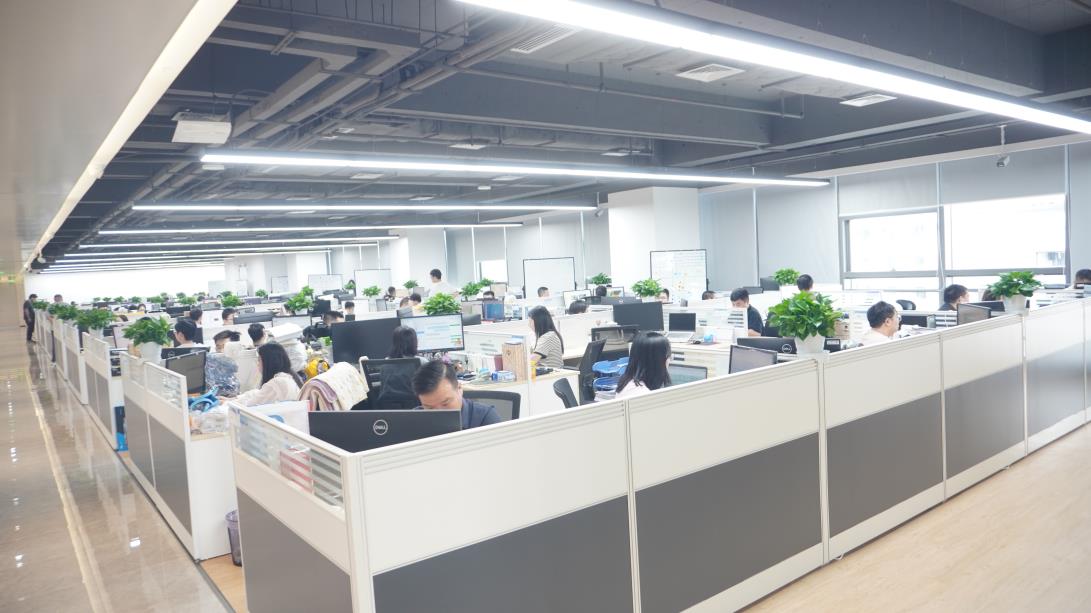
Aivora Technology Co., Ltd. is a professional AI server manufacturer dedicated to delivering high-performance GPU server solutions, AI computing infrastructure, and customized data center systems for customers worldwide. Established in 2018, the company has rapidly grown into a trusted partner for enterprises, cloud service providers, AI startups, research institutions, and system integrators seeking reliable and scalable AI computing platforms.
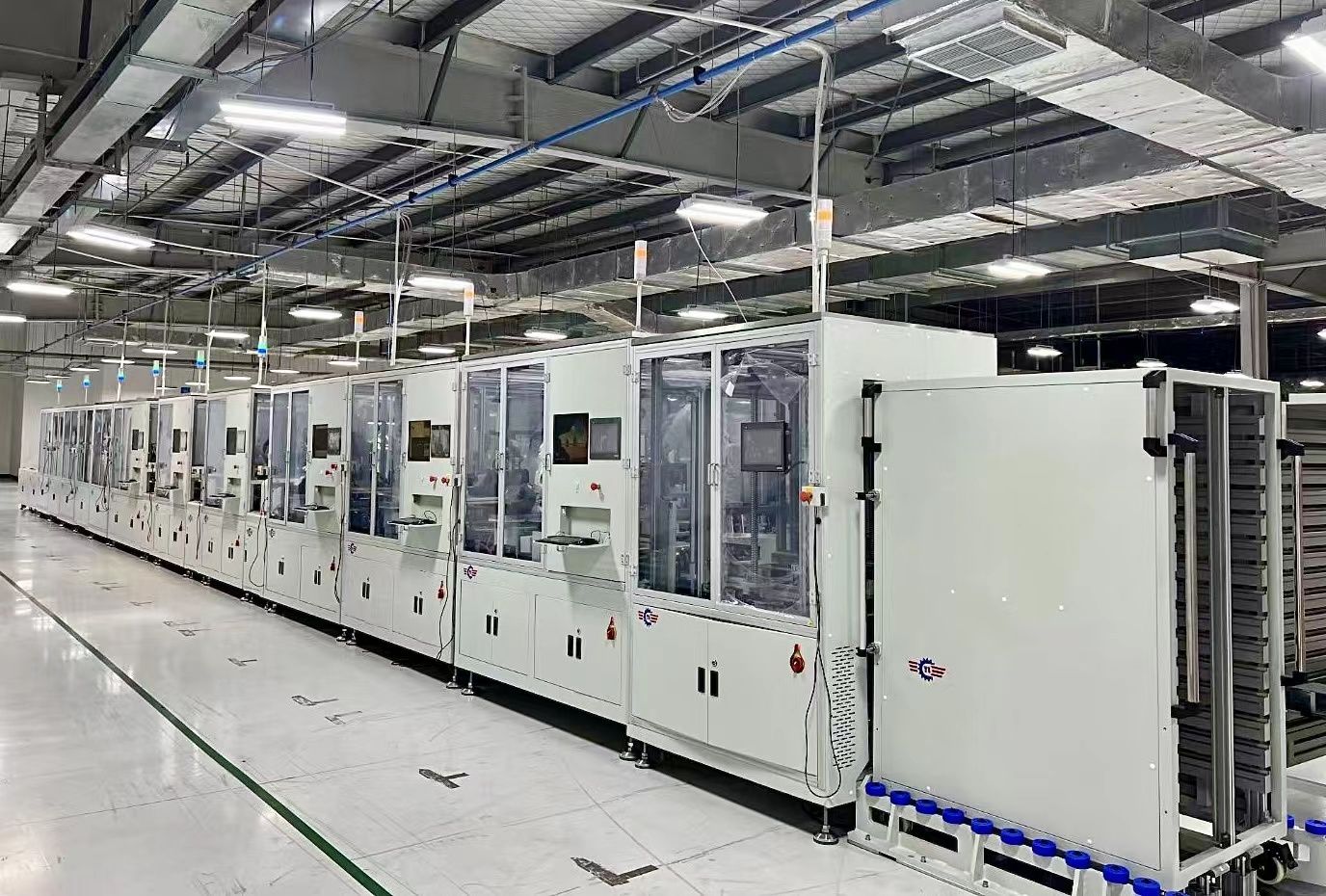
Located in Shenzhen, China, Aivora operates a modern manufacturing facility covering 386 square meters and integrates advanced production, testing, and quality management systems to ensure consistent product performance and reliability. With over 8 years of export experience and 14 years of industry expertise, we have successfully served customers across North America, Europe, Southeast Asia, the Middle East, and South America.
Our product portfolio includes AI training servers, AI inference servers, GPU workstations, edge AI servers, HPC servers, storage servers, and customized rack-level solutions. Leveraging strong R&D capabilities, we provide flexible OEM and ODM services, supporting hardware customization, chassis design, GPU configuration, branding, and system integration according to specific project requirements.
Quality is at the core of our operations. Every product undergoes comprehensive quality inspections, including component verification, system integration testing, burn-in testing, thermal performance evaluation, power consumption testing, and final functional validation before shipment. Our quality control team consists of 46 experienced inspectors who ensure every system meets international quality standards and customer specifications.
Aivora maintains close cooperation with more than 1,250 supply chain partners, enabling efficient sourcing, stable production, and rapid delivery of high-performance computing solutions. Supported by a team of 128 R&D engineers, we continuously innovate and introduce new technologies to meet the rapidly evolving demands of artificial intelligence and data-intensive applications. In the past year alone, we successfully launched 186 new products and solution variants.
Our annual export revenue exceeds USD 18 million, reflecting the trust and long-term partnerships we have established with customers worldwide. By combining advanced engineering expertise, strict quality control, flexible customization options, and responsive customer support, Aivora remains committed to empowering organizations with next-generation AI computing infrastructure.
Aivora Technology Co., Ltd. — Accelerating AI Innovation with Reliable Computing Power.