Aivora
Aivora
Aivora
Explore our leading catalog of server solutions, accelerators, and enterprise SSD systems designed for scalable AI architectures.
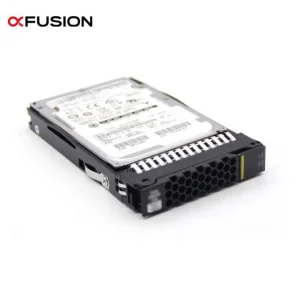
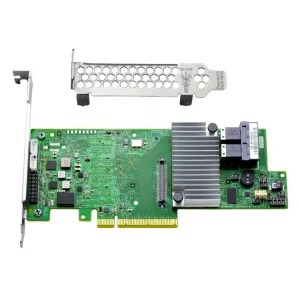
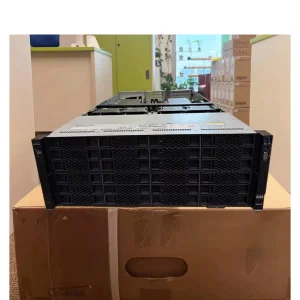
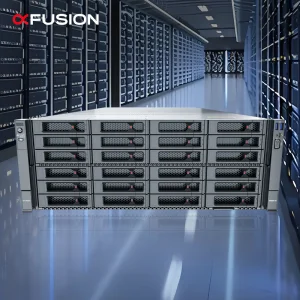
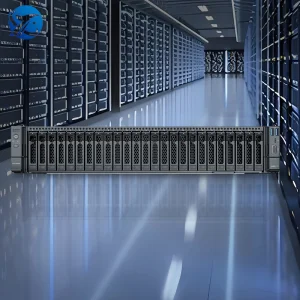
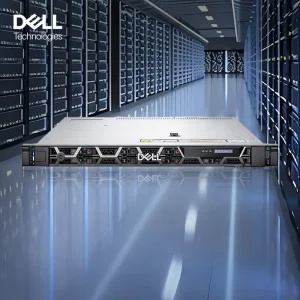
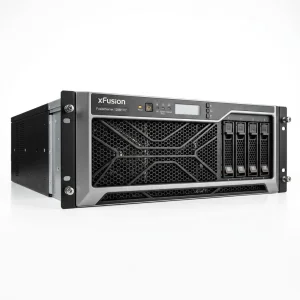
The global semiconductor industry is undergoing an unprecedented evolution, driven by the exponential demands of artificial intelligence (AI), machine learning models, and high-performance computing (HPC) environments. At the center of this transformation lies the Central Processing Unit (CPU), which continues to serve as the critical control plane and system orchestrator across all enterprise data centers. No longer just a calculator of general workloads, the modern enterprise CPU manages high-speed data routing via PCIe Gen 5 lanes, coordinates accelerators, and executes intensive multi-tenant virtualization routines.
Globally, procurement strategies have shifted from general-purpose hardware toward customized architectures optimized for specific instruction sets. As x86 standards (Intel Xeon, AMD EPYC) adapt to handle higher thermal design power (TDP), alternative architectures like ARM and RISC-V are carving out substantial market shares in hyper-scale cloud deployments and edge computing gateways. The challenge for modern enterprises is securing a pipeline of high-performance microprocessors that align with these changing instruction set architectures (ISAs) while managing global supply chain risks and geopolitical factors.
For systems integrators and cloud service providers, sourcing components from reliable manufacturer hubs is paramount. China has emerged not only as a primary consumption market but also as a vital hub for microchip assembly, validation, packaging, and custom carrier board development. This dual status makes understanding China's CPU manufacturing landscape essential for modern IT infrastructure managers.
Modern servers combine advanced CPUs with high-density GPU accelerators, demanding tight integration at the silicon and trace level. The host CPU manages the PCIe switch fabric, system memory mapping, and network interfaces, directly dictating overall application speed and scalability.
Modern processors operating at 350W+ TDP demand advanced power distribution networks. Redundant 2000W+ PSUs and liquid cooling loops are critical to preventing thermal throttling in high-density rack deployments.
A deep dive into the logistics, raw materials, engineering capacity, and geographic clusters driving global silicon production.
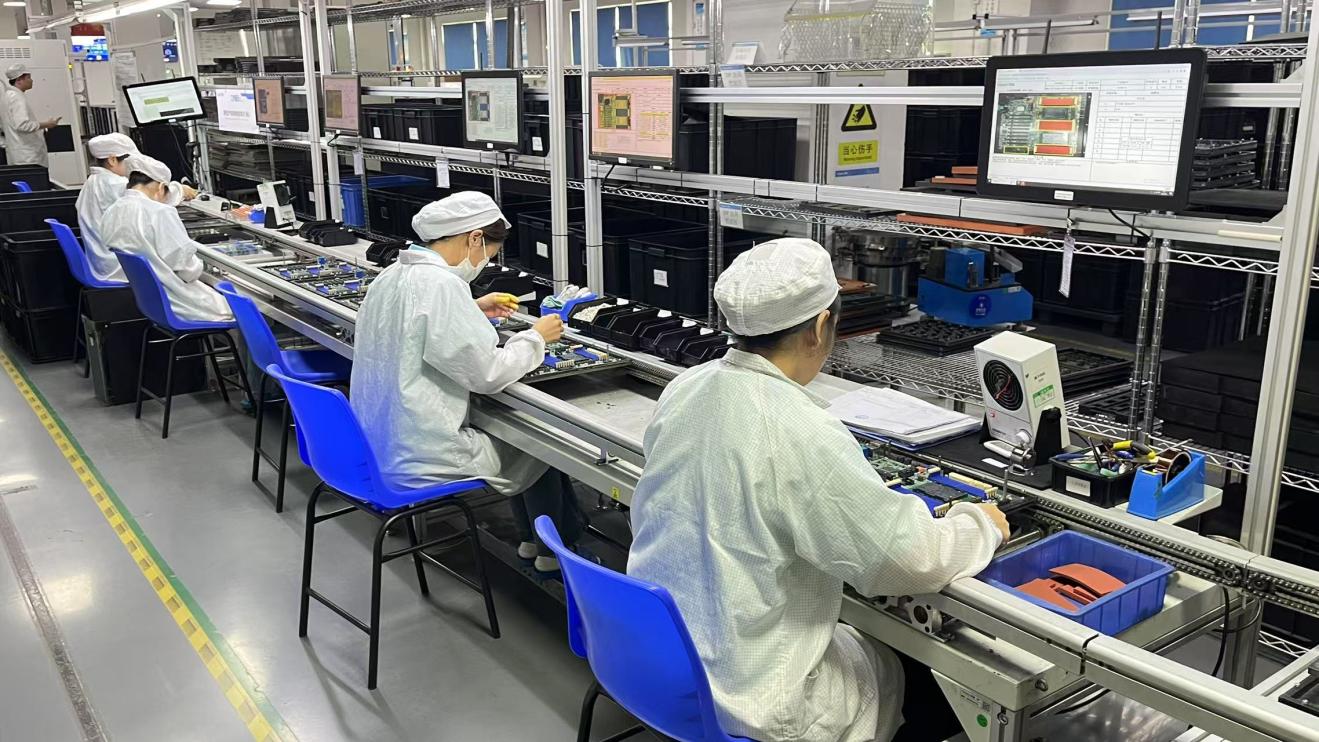
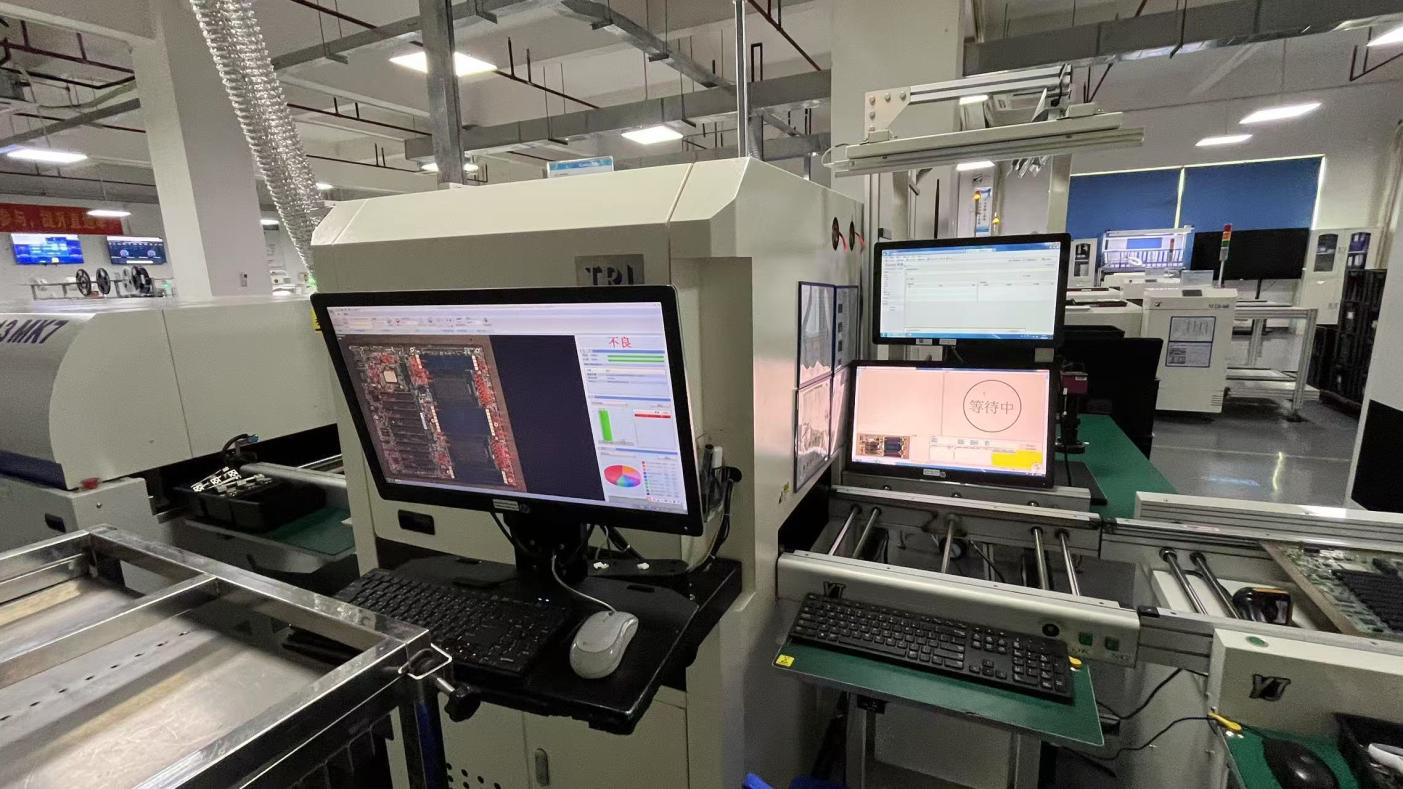
China's packaging facilities lead the world in advanced high-density chip placement and surface mount technology (SMT). Multi-layer motherboard design, trace impedance controls, and signal attenuation mitigations are executed with strict precision in dust-free cleanrooms.
The proximity of raw materials, passive component factories, socket suppliers, and mechanical enclosure designers reduces design cycles from months to days. Prototyping multi-layer PCIe layout variations happens in real time, accelerating product time-to-market.
With thousands of chip design and hardware verification engineers graduating annually, Chinese manufacturing hubs like Shenzhen support extensive R&D efforts. Teams specialize in microcode optimization, BIOS customization, and custom controller design.
In China's high-tech manufacturing sector, Shenzhen operates as the focal point. The city’s unique ecosystem enables direct and rapid collaboration between silicon designers and assembly lines. When assembling computing clusters (such as deep learning GPU systems or high-performance NAS configurations), the supply chain coordination extends beyond the CPU itself. It encompasses custom BIOS development, robust voltage regulator modules (VRMs), specialized network interface cards (NICs), and structural chassis modifications. By grouping these ancillary component suppliers within close proximity, Chinese manufacturing minimizes lead times and reduces component transportation overhead, translating directly to cost efficiency and improved product reliability.
Empowering global digital transformation through high-performance computing system manufacturing.
Established in 2018, Aivora Technology Co., Ltd. operates a high-density, modern integration facility in Shenzhen, China. By coordinating a massive supply network of over 1,250 certified partners, our hardware engineering teams design, validate, and ship next-generation servers, custom computer clusters, and storage architectures to clients across North America, Europe, the Middle East, and South America.
Deploying multi-socket, high-core-count processors allows cloud service providers to maximize density, support thousands of virtual machines, and minimize overhead per workload.
Specialized server nodes engineered with advanced hardware configurations and customized bus systems to ensure low-latency communication between the host CPU and high-density GPU accelerators.
The applications for modern CPU and GPU-integrated servers are diverse, spanning multiple business sectors and physical environments. Industrial automation, smart cities, financial analysis, and large-scale cloud operations require compute nodes tailored to their specific localized operational realities.
1. Financial Institutions & Low-Latency Processing: In major financial hubs, trading firms deploy customized high-frequency computing servers. These servers feature custom host processors designed for ultra-low latency, optimized system memory pathways, and BIOS configurations tailored to handle heavy concurrent transaction volumes without bottlenecks.
2. Telecommunication Networks & Edge Clouds: Telecommunications suppliers deploy edge compute boxes in remote stations. These configurations feature low-power-consumption, fanless, or semi-passive cooling CPUs designed to operate in extreme ambient temperatures. They process sensor, camera, and device inputs locally before forwarding summarized metadata to centralized public clouds, optimizing bandwidth utilization.
3. DeepSeek & Generative AI Clusters: The rise of open-weight LLMs like DeepSeek requires clusters of high-performance servers configured with high-speed PCIe switches. These architectures are designed to maximize throughput and minimize communication latency between GPUs during training runs and real-time inferencing. Custom server motherboards built by Aivora support high-integrity signal paths and robust power delivery networks to keep hardware operational under sustained computing loads.
Global procurement teams face several challenges when sourcing compute platforms: navigating complex international trade requirements, ensuring regulatory compliance, and managing long-term component lifecycle support. Off-the-shelf servers often fail to meet the exact spacing, cooling, and signal routing configurations required for custom deployments.
This is where hardware customization through OEM/ODM partnerships becomes critical. Aivora Technology Co., Ltd. provides comprehensive engineering services to tailor layouts to client specifications:
By partnering with an OEM/ODM provider in Shenzhen, international buyers can leverage a direct relationship with manufacturing and testing engineers. This direct channel speeds up troubleshooting and ensures that customized hardware conforms to CE, FCC, RoHS, and other international standards before leaving the factory floor.
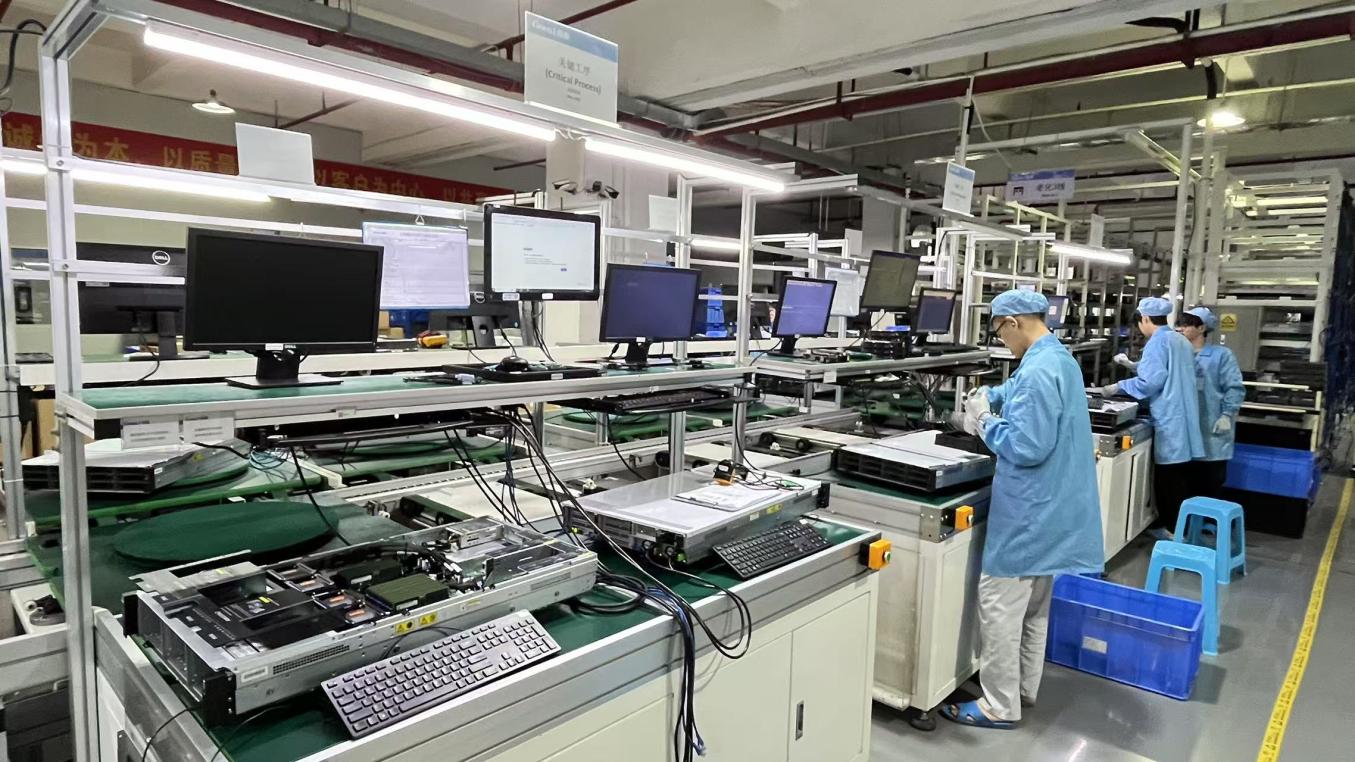
Our quality verification processes run under the supervision of 46 certified inspectors. Every system undergoes extensive thermal chamber cycles, full-load burn-in runs, and testing of peripheral interfaces before packaging.
Our shipping team manages export documentation, customs clearances, and secure crating. We ensure safe, tracked transit to clients in Europe, CIS regions, Southeast Asia, and the Americas.
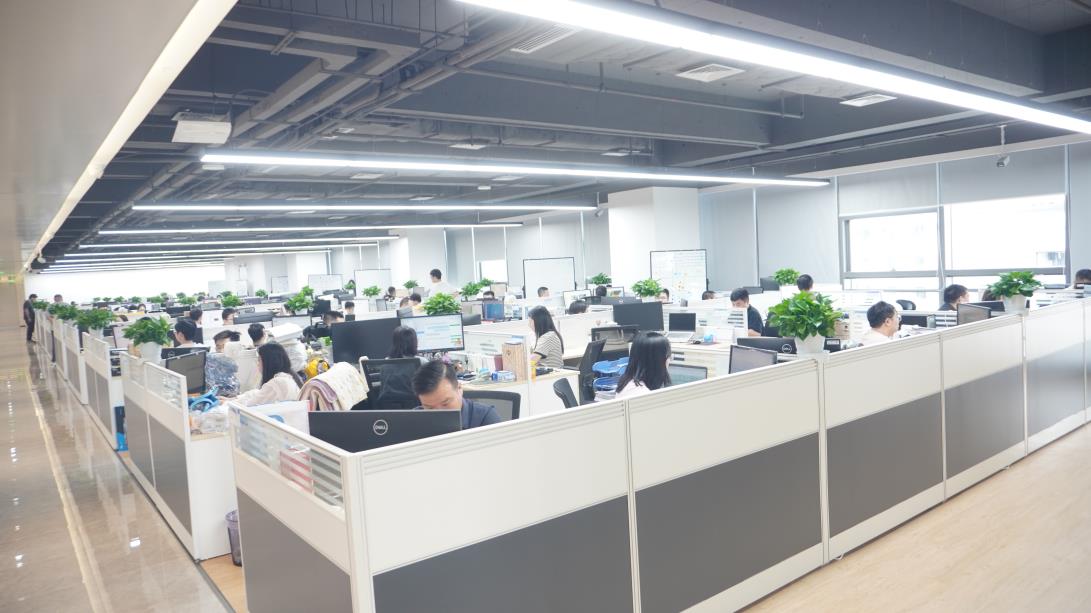
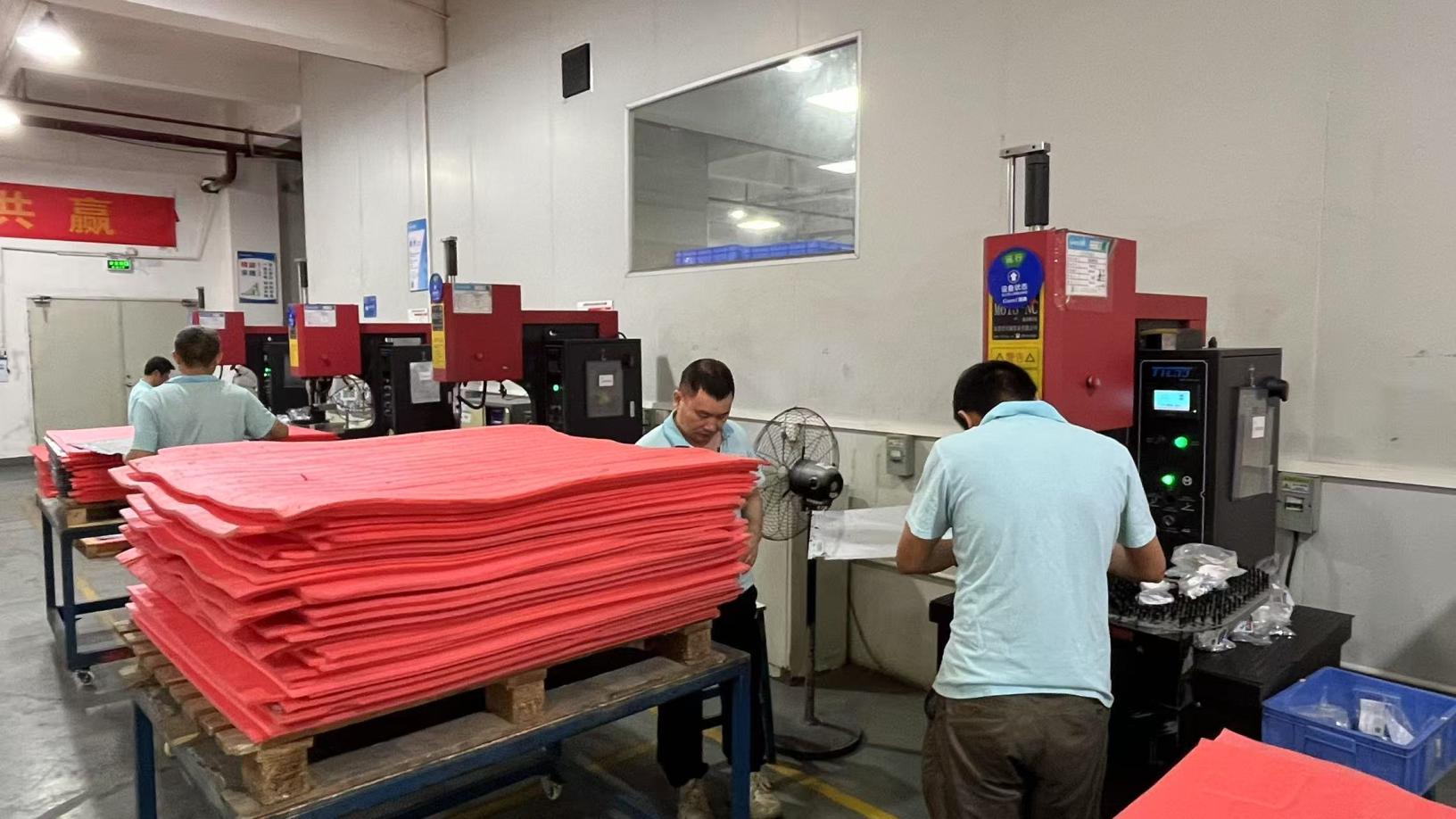
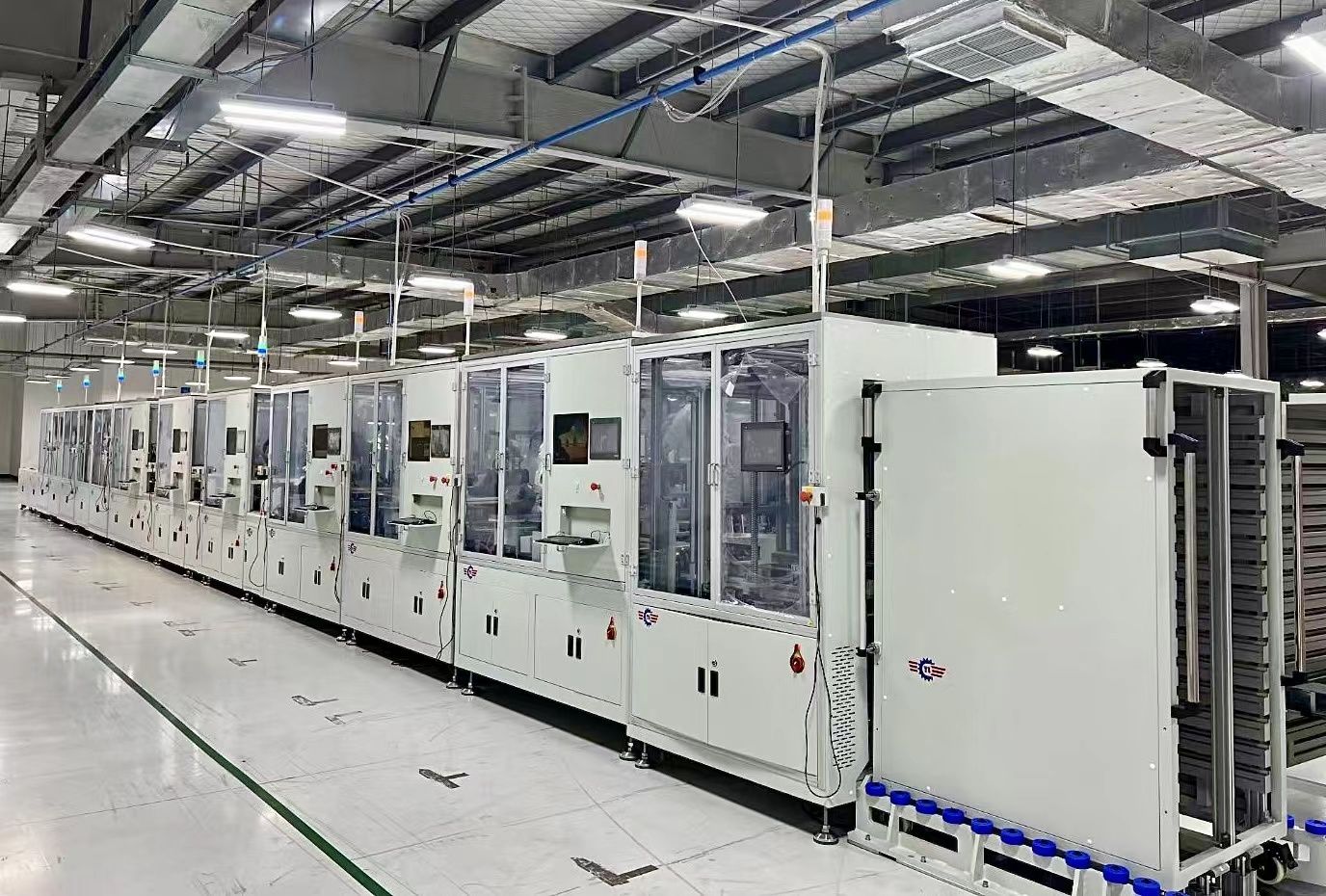
A look inside our modern production plants, test labs, and storage facilities in Shenzhen, China.

The industry is transitioning toward heterogeneous processing, advanced chiplet designs, and next-generation power management.
Monolithic dies are hitting physical size limits. Modern CPU designs connect smaller silicon dies on a silicon interposer, improving production yields and allowing custom configurations of memory, compute, and I/O dies.
Cybersecurity demands protections at the silicon level. Modern enterprise processors build encryption engines directly into the CPU core, allowing real-time memory encryption with minimal performance overhead.
CXL protocols allow memory pooling and sharing between CPUs, GPUs, and smart NICs. This technology simplifies memory expansion, reduces latency, and helps optimize resource allocation in large-scale virtualized environments.
Expert answers to common technical, logistics, and supply chain questions from system integrators and enterprise procurement managers.
Explore our selections of enterprise server clusters, GPU accelerated nodes, and computing components for data center deployments.