Aivora
Aivora
Aivora
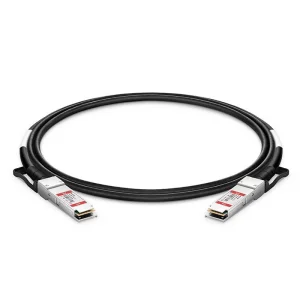
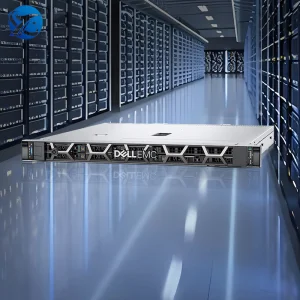
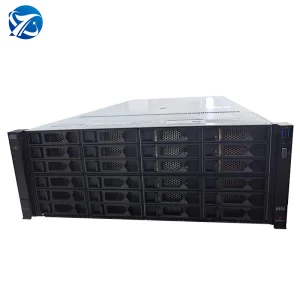
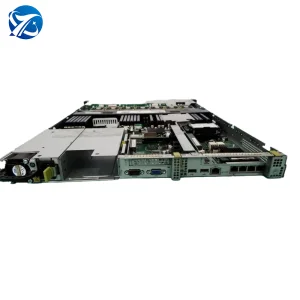
In the hyper-scale digital era, software virtualization is no longer just an abstraction layer. It is a highly optimized environment where multi-socket processor pipelines, virtualization network cards, enterprise storage planes, and accelerators interface directly with virtual machines (VMs) and microservices containers. As a pioneering force in the industry, Aivora Technology Co., Ltd. has systematically bridged the gap between virtualization software requirements and enterprise-grade bare-metal hardware orchestration.
From hyperconverged infrastructures (HCI) to hybrid-cloud platforms, our architectural methodology leverages the deep coupling of hardware components with software hypervisors. This ensures optimized memory footprint utilization, near-zero CPU scheduling overhead, and predictable, deterministic performance for core business systems.
Advanced NUMA-aware scheduling mapped perfectly to multi-socket Intel Xeon and AMD EPYC architectures, eliminating inter-socket latency bottlenecks.
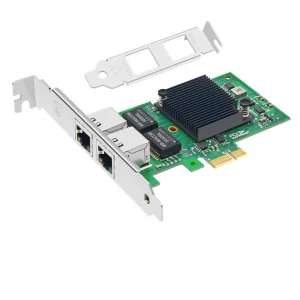
Leveraging high-bandwidth QSFP+ fabrics to bypass the hypervisor layer, enabling high-performance networking at line rates.
Hardware-enforced memory encryption and nested virtualization protection, safeguarding multitenant cloud environments from side-channel threats.
Years Industry Expertise
R&D Engineers
Expert QC Inspectors
Annual Export Value
The enterprise virtualization sector is undergoing a structural transformation. For years, virtualization meant deploying standard virtual machines via proprietary hypervisors. Today, the convergence of AI, containerization, and distributed storage has shifted demand toward open-source API compatible infrastructures. Systems are now expected to support heterogeneous computing engines, specifically AI vGPUs, while maintaining legacy software compatibility.
In particular, the rapid adoption of deep learning architectures (including LLMs like DeepSeek) has created a pressing need for virtualization environments that can partition and allocate physical GPU resources with high granularity. Organizations are demanding hyperconverged structures that allow them to dynamically spin up workloads while managing extreme density power demands, localized heat generation, and secure data segregation.
Worldwide buyers, from high-performance computing centers in North America to telecommunication clusters in Europe and industrial automation nodes in Southeast Asia, share a common set of procurement criteria:
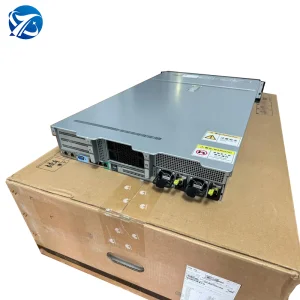
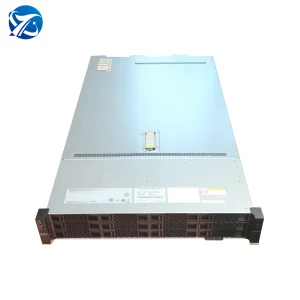
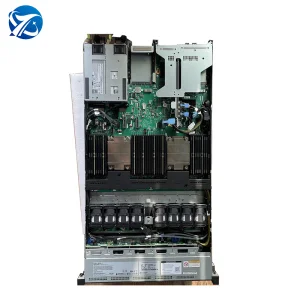
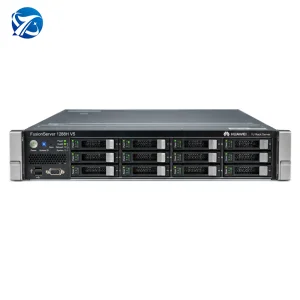
Deploying density-optimized 1U/2U rack mounts, such as the FusionServer 1288H V5/V7 series, configured for high-concurrency cloud environments. Combined with ultra-fast network interface cards and direct-attach fiber cabling, this architecture maximizes tenant capacity per rack unit.
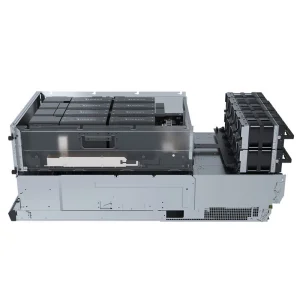
Designed for organizations running deep learning models under virtual environments. Our high-density GPU platforms (e.g., FusionServer G5200 V7 / G8600 V7) enable hardware-accelerated machine learning workloads inside secure virtual instances through advanced GPU partitioning.
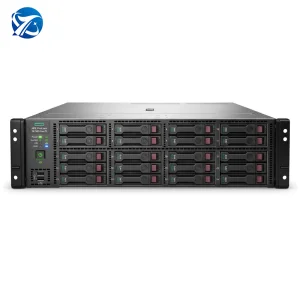
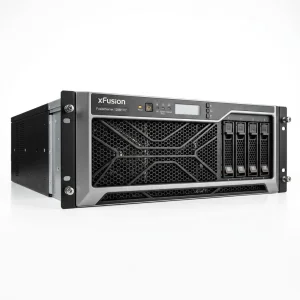
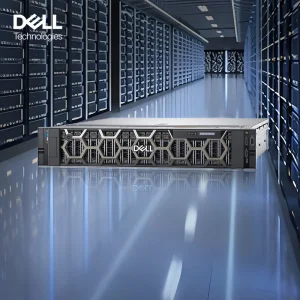
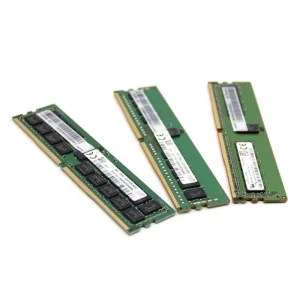
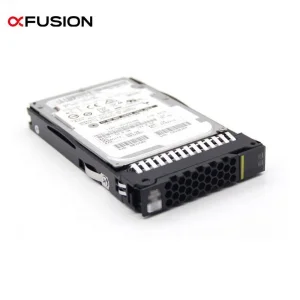
Integrating high-reliability Dell EMC PowerEdge and xFusion server systems. By combining compute, NVMe/SATA storage, and high-performance DDR4 ECC RAM into single-node clusters, we simplify scaling and guarantee localized high-availability for enterprise database systems.
Tailored for telecommunication and edge-cloud environments. The application of short-depth servers ensures full computing and virtualization capabilities can be deployed in space-constrained, rugged edge locations without compromising thermal dissipation.
Aivora Technology is committed to pioneering the future of virtualization hardware infrastructure. Our upcoming technical roadmap focuses on the integration of PCIe Gen 5 topologies, next-generation DDR5 memory integration with higher transfer rates, and the native support of CXL (Compute Express Link) protocols. CXL will enable coherent memory sharing between CPUs and accelerators, effectively redefining hypervisor memory provisioning.
Furthermore, we are actively expanding our software-defined storage (SDS) and software-defined networking (SDN) partnerships to offer pre-configured, turn-key private cloud solutions. This ensures that when our customers acquire a physical server chassis, the system is fully optimized, firmware-tuned, and ready for automated hypervisor provisioning.
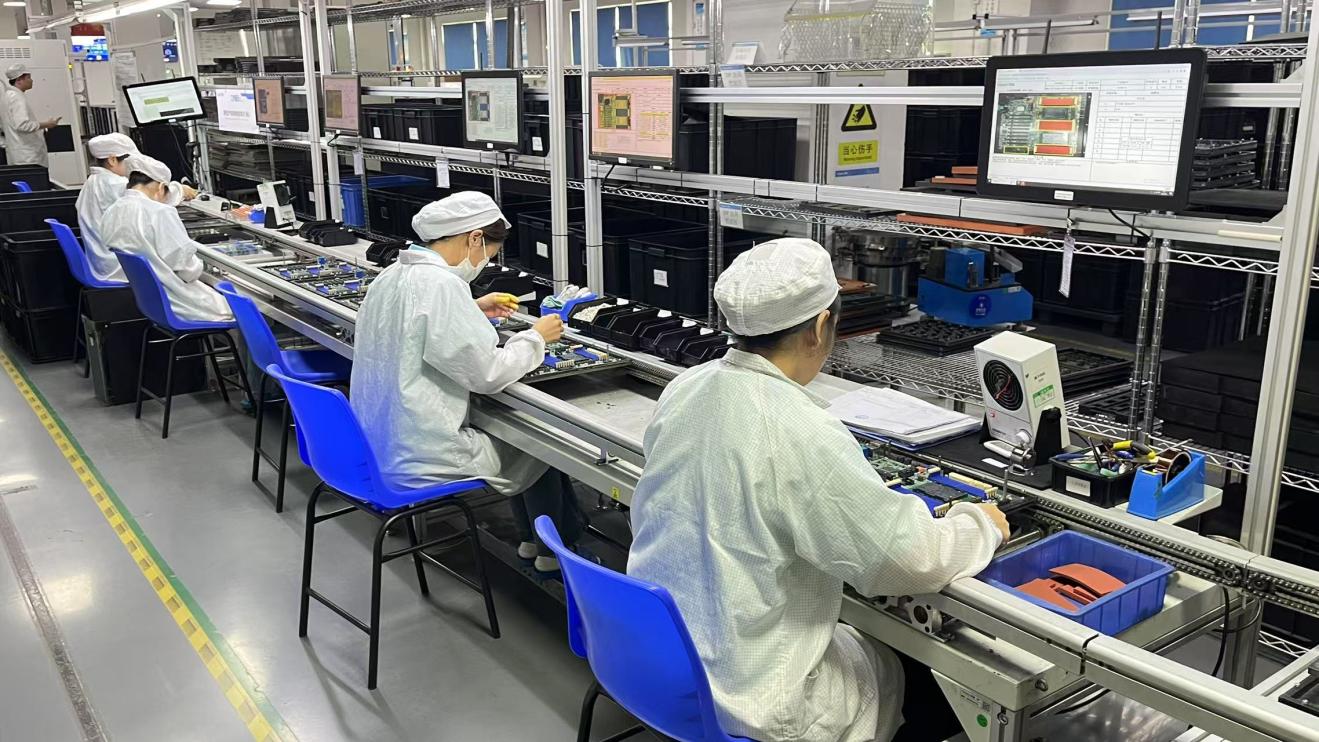
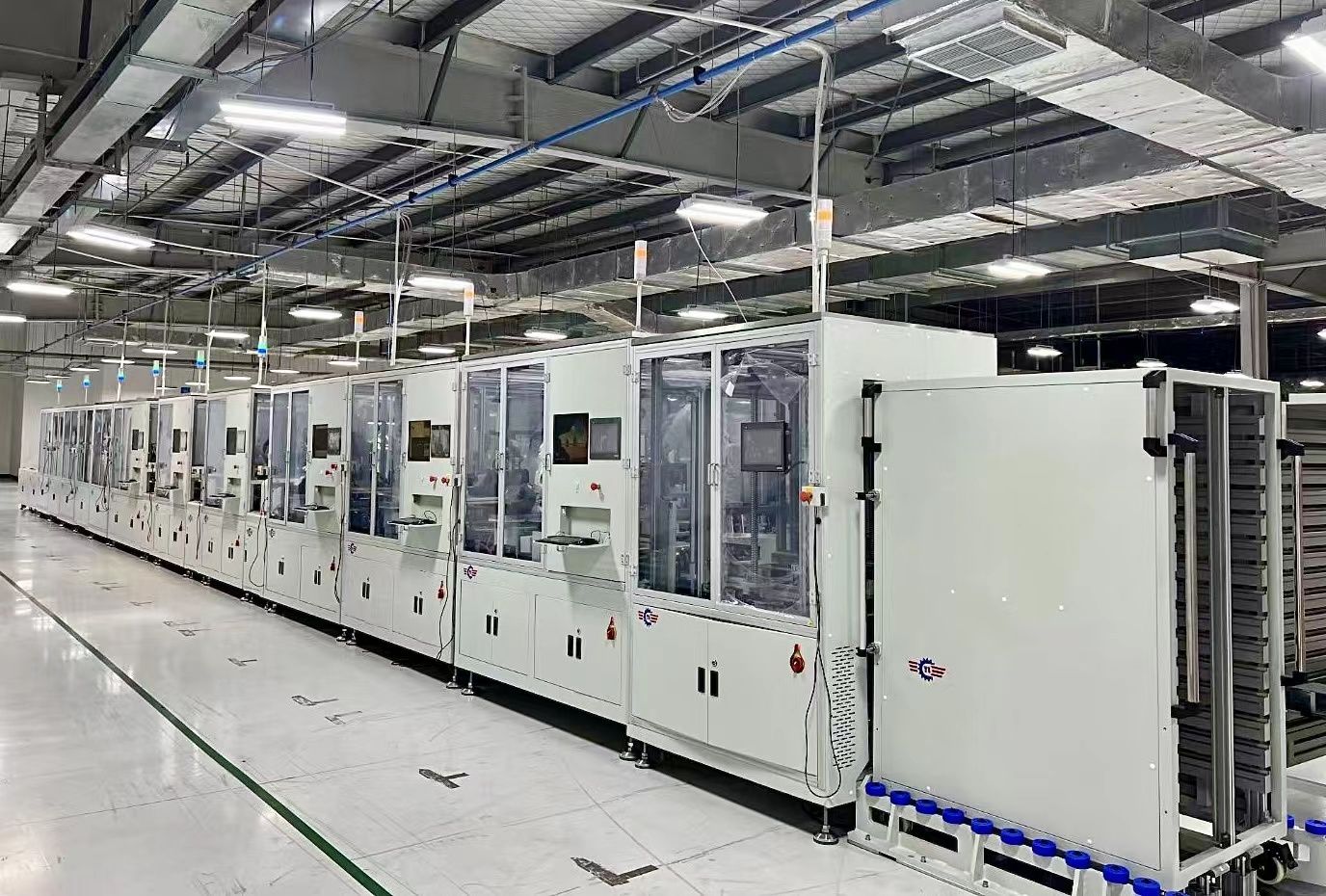
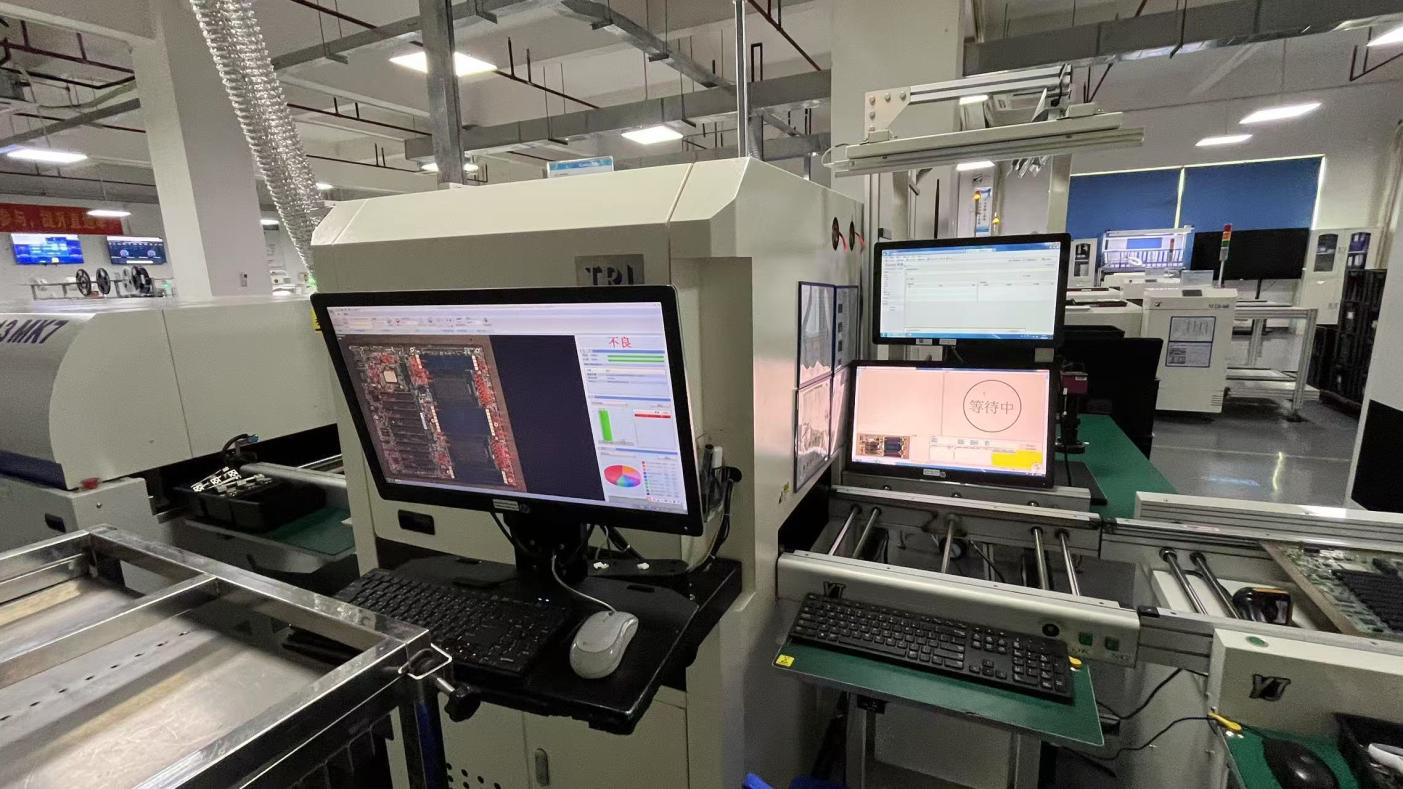
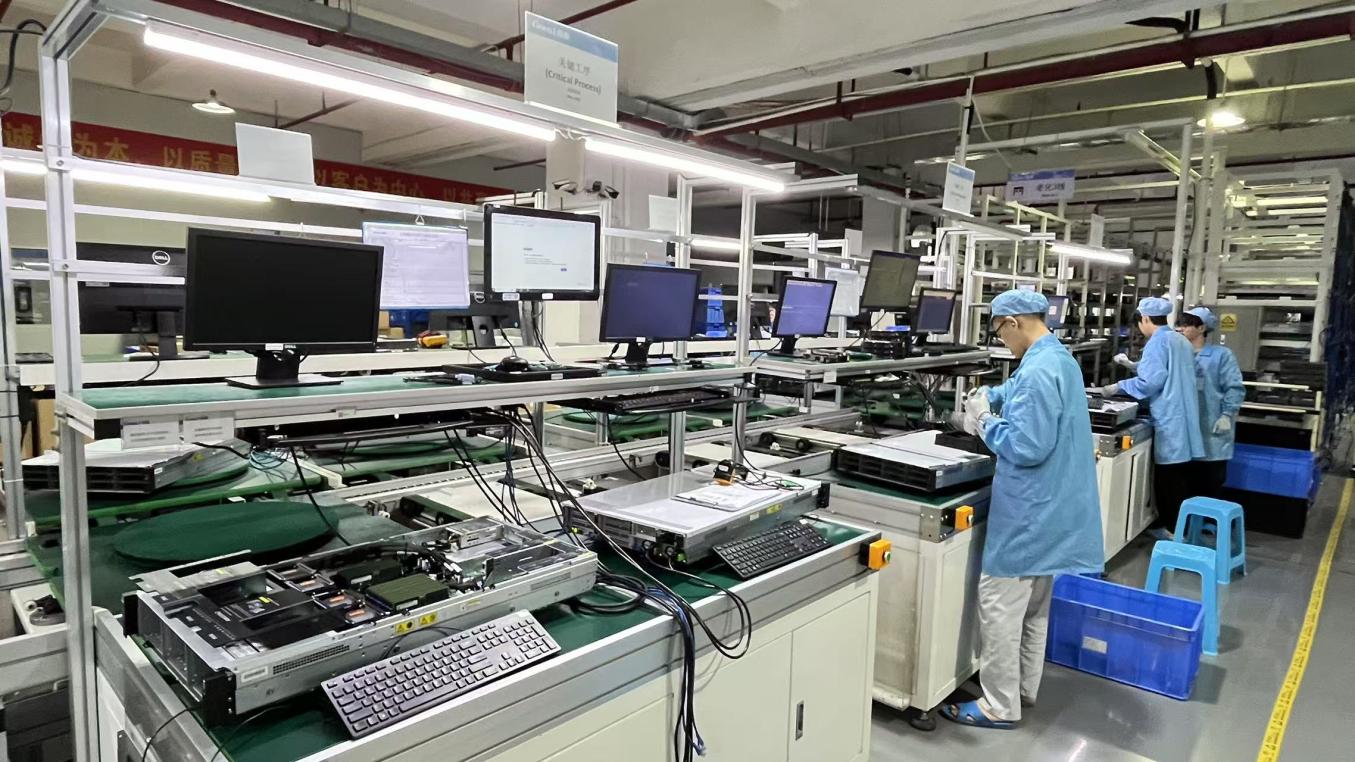
Our products undergo dynamic burn-in testing, full component compatibility verification, and thermal profiling by our 46-member inspection team to meet international CE, FCC, and RoHS standards.
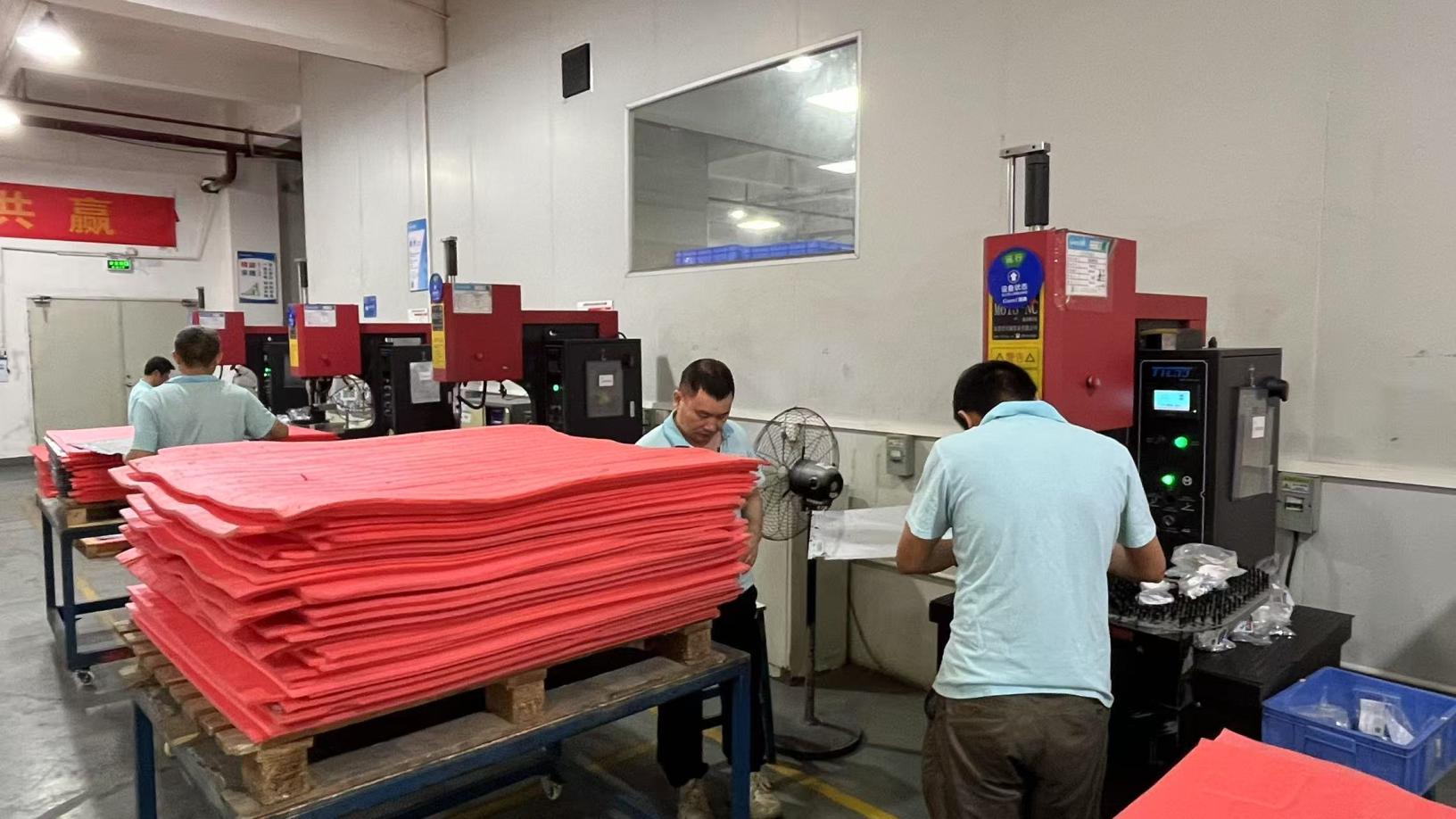
Supported by over 1,250 certified component manufacturers, we ensure stable raw material flow, rapid production cycles, and fast custom configurations even during global chip shortages.
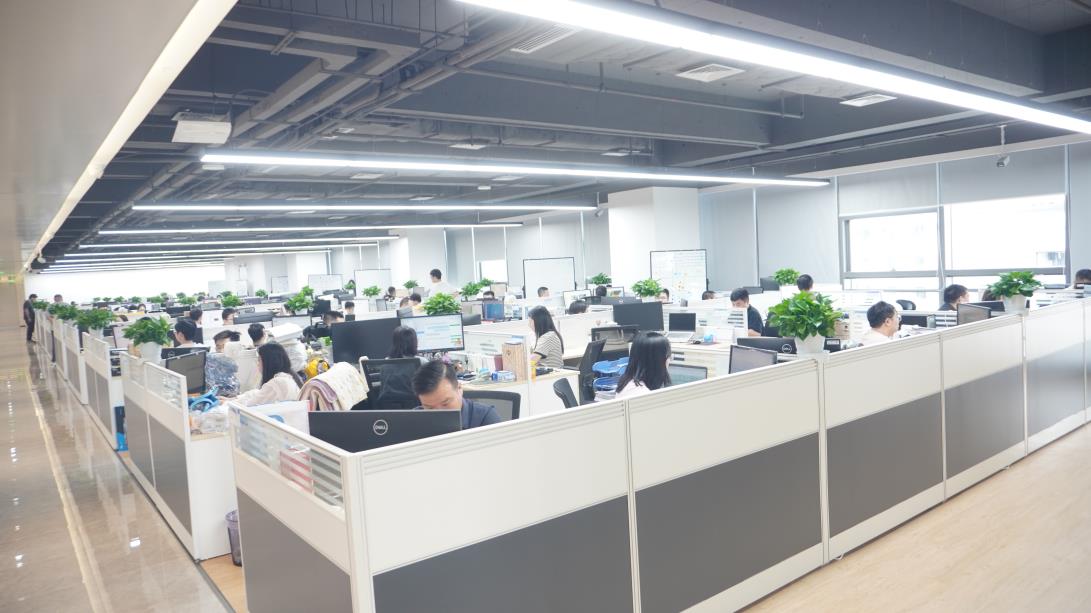
From chassis branding and system board design to custom BIOS and hypervisor pre-loading, our 128 R&D engineers deliver systems tailored to your exact application footprint.

Yes. All of our virtualization systems, including the FusionServer and PowerEdge series, are thoroughly tested for direct compatibility with mainstream open-source hypervisors such as Proxmox VE, KVM, and XenServer, in addition to proprietary architectures like VMware ESXi.
We deploy hardware RAID controllers (like the SAS3908 Array Cards with up to 4GB of cache) combined with high-speed enterprise NVMe/SATA SSDs. This ensures consistent read/write IOPS, successfully preventing virtualization boot storms and performance degradation during peak processing periods.
Absolutely. Our AI server platforms (such as the G5200 V7 and G8600 V7) support advanced GPU virtualization configurations (vGPU). This allows multiple virtual machines to share a single physical GPU resource with hardware-enforced memory isolation, reducing deployment overhead for machine learning workloads.
Every chassis design undergoes thermal flow simulation to ensure optimal cooling pathways. Our systems employ smart fan controller systems that adjust rotation speeds dynamically based on ambient and component-level heat levels, ensuring safe operations even in compact 1U environments.
We provide flexible hardware-software customization options, including motherboard optimization, chassis branding, pre-configured BIOS profiles, customized power supplies, and customized system integration to meet specific project guidelines.