Aivora
Aivora
Aivora
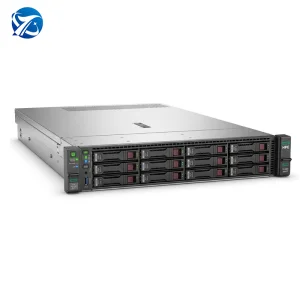
High-concurrency computing clusters and enterprise rack servers optimized for virtualization and robotic process automation execution.
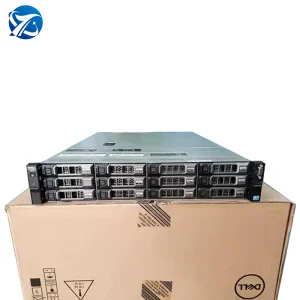
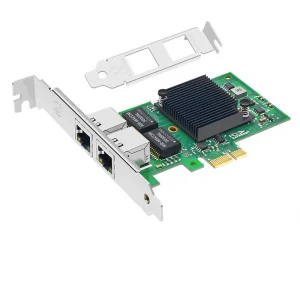
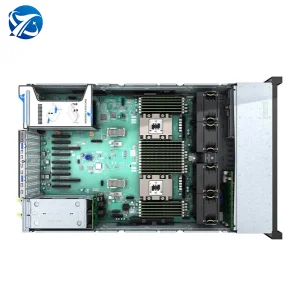
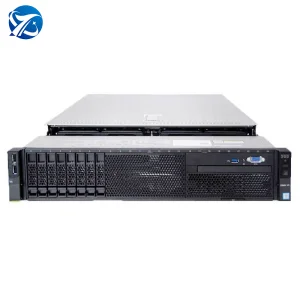
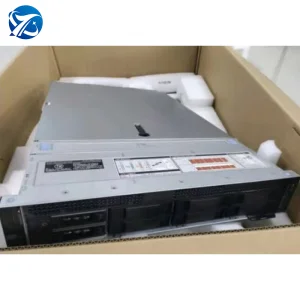
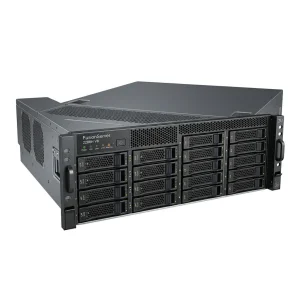
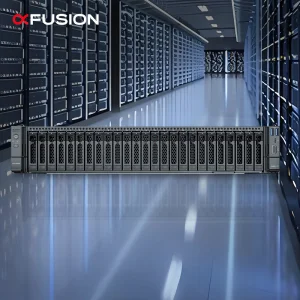
Robotic Process Automation (RPA) has evolved from simple desktop task recorders into enterprise-scale hyperautomation networks powered by Artificial Intelligence (AI) and Large Language Models (LLMs). Operating thousands of software robots simultaneously requires robust, high-availability physical server backbones.
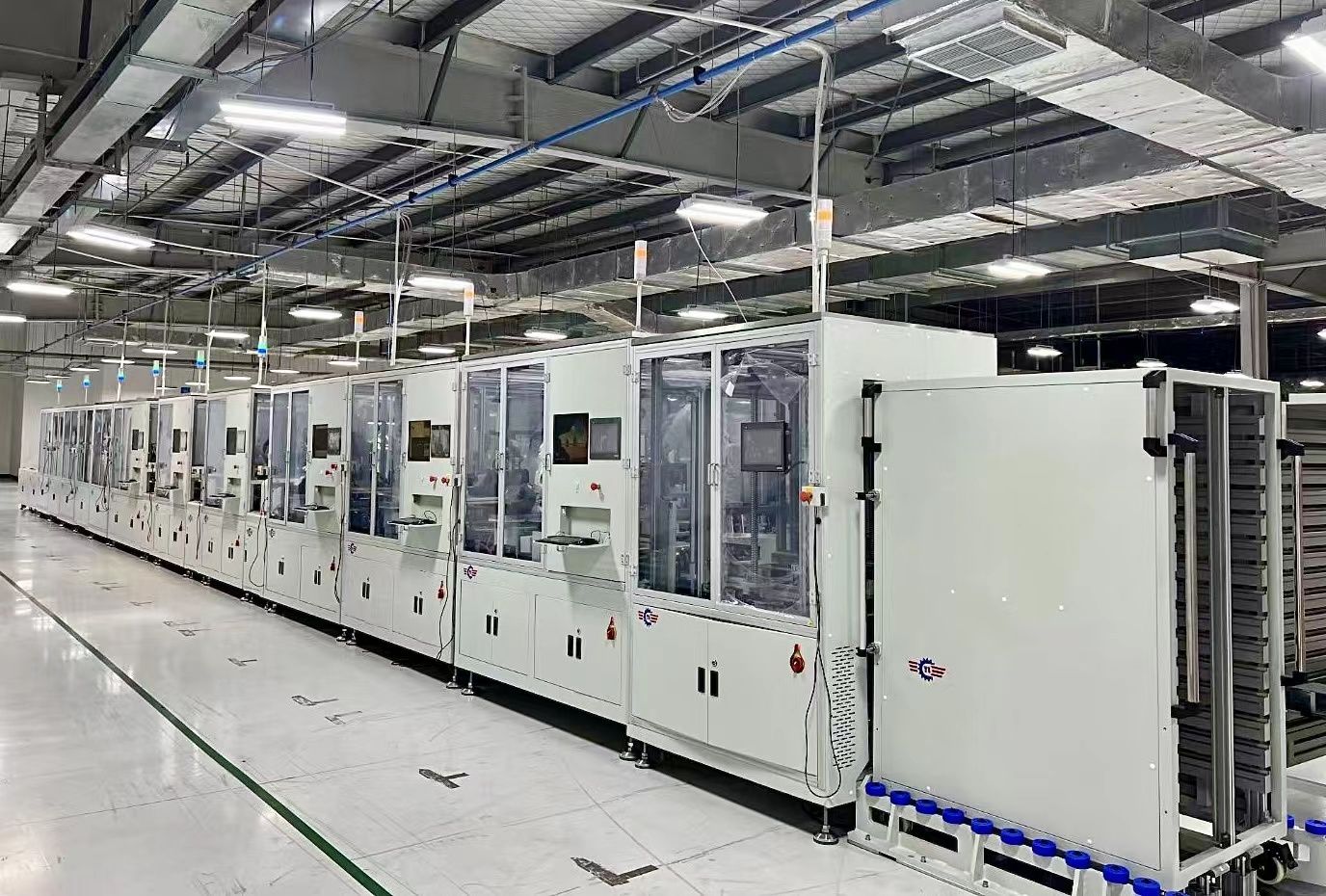
As global technology partners, we deliver the custom data center infrastructure, GPU-accelerated computing nodes, and highly available virtualization hosts that modern RPA deployments depend on. From our advanced assembly lines in Shenzhen to target architectures worldwide, we enable enterprise IT leaders to run cognitive RPA clusters with zero latency and 99.999% uptime.
Historically, Robotic Process Automation operated on simple legacy systems, executing deterministic IF-THEN routines. Today, the landscape has experienced a paradigm shift towards Intelligent Automation (IA). Modern RPA agents utilize computer vision to inspect user interfaces, Natural Language Processing (NLP) to read unstructured invoices, and deep learning models to predict operational bottlenecks. This cognitive processing demands massive parallel computing capabilities.
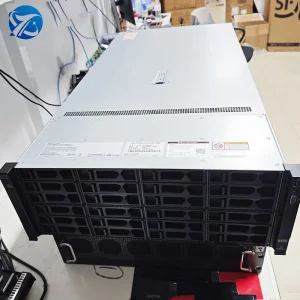
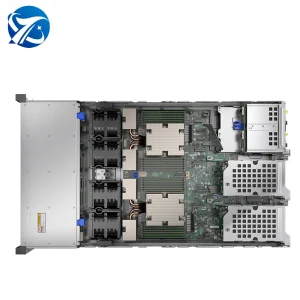
To run thousands of concurrent software bots across an organization, standard desktop hardware is no longer viable. Enterprise RPA relies on high-density Virtual Desktop Infrastructure (VDI) hosted on dual-socket or quad-socket enterprise rack servers. Without dense CPU processing power, multi-thread memory allocations, and optimized network storage access, RPA platforms face lag, timing failures, and system-wide synchronization bottlenecks. Aivora Technology Co., Ltd. builds server architectures specifically designed to mitigate these high-concurrency risks.
When deploying software robots, enterprise system architects focus on three vital technical parameters:
Integration of multi-GPU servers for real-time natural language processing and image recognition models utilized by advanced software bots.
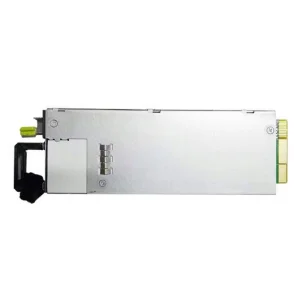
Redundant power modules, failover SAS/SATA controllers, and RAID protection arrays ensure continuous execution of critical automation loops.
Modular rack mounting designs (from 1U high-density to 4U storage expansion systems) allow painless cluster expansion as robotic fleets grow.
Procuring server hardware for RPA clusters is a major capital expense (CAPEX) for global IT departments. Enterprise buyers must navigate hardware shortages, fluctuating GPU allocations, and custom structural requirements. As a primary exporter in Shenzhen—China’s tech manufacturing capital—Aivora leverages a robust local ecosystem to source top-tier materials and components, ensuring rapid delivery times and highly competitive pricing.
Aivora Technology maintains active, strategic partnerships with over 1,250 supply chain partners. This broad network guarantees consistent access to rare raw materials, system boards, server chassis, and semiconductors, avoiding the supply chain disruptions that commonly delay large-scale IT rollouts.
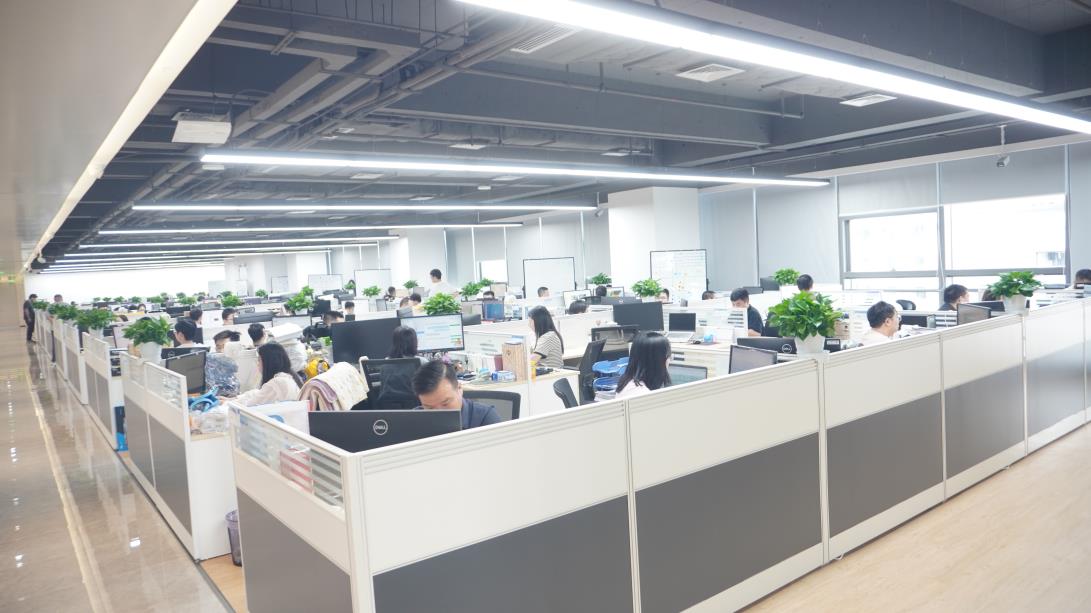
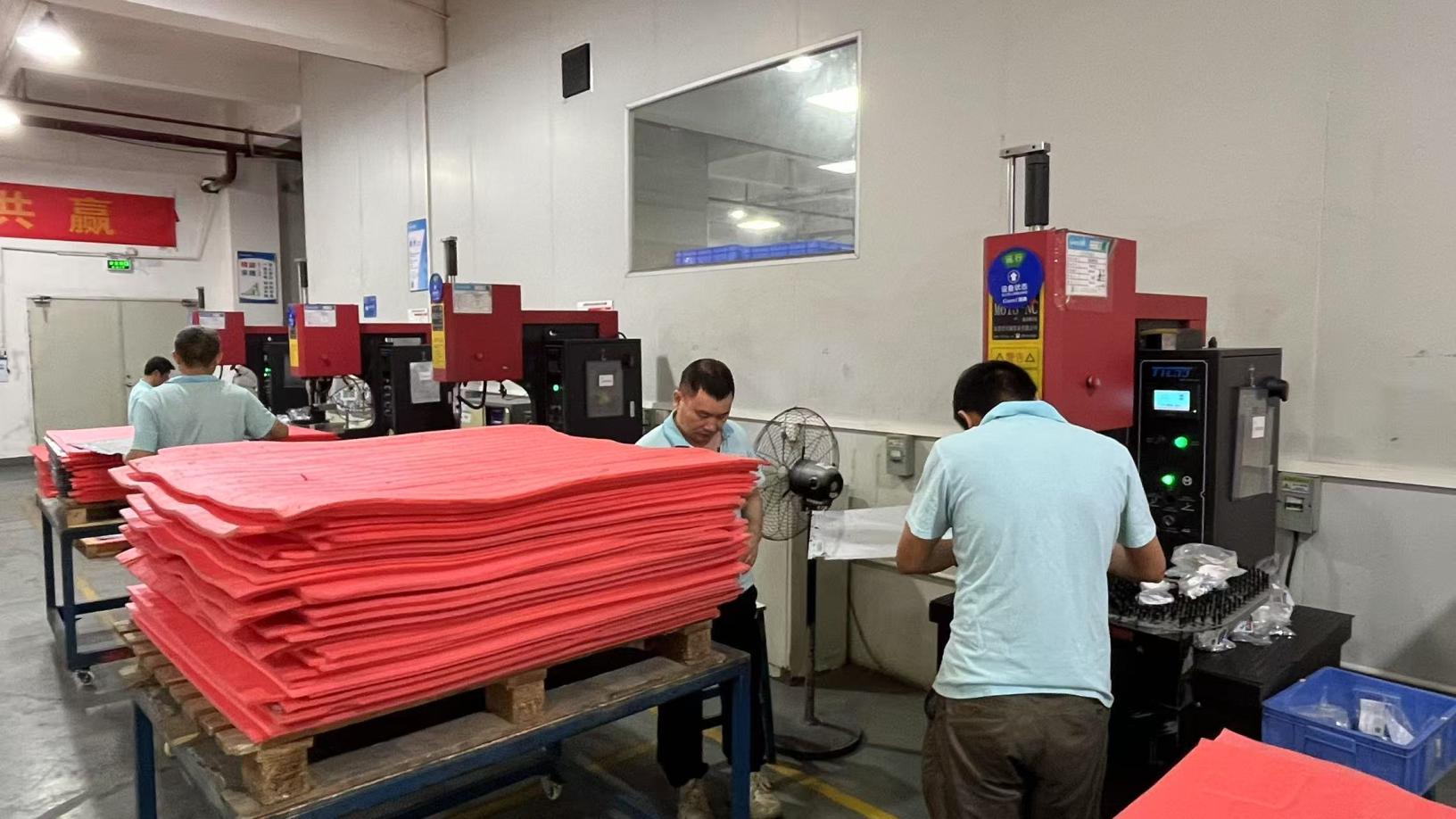
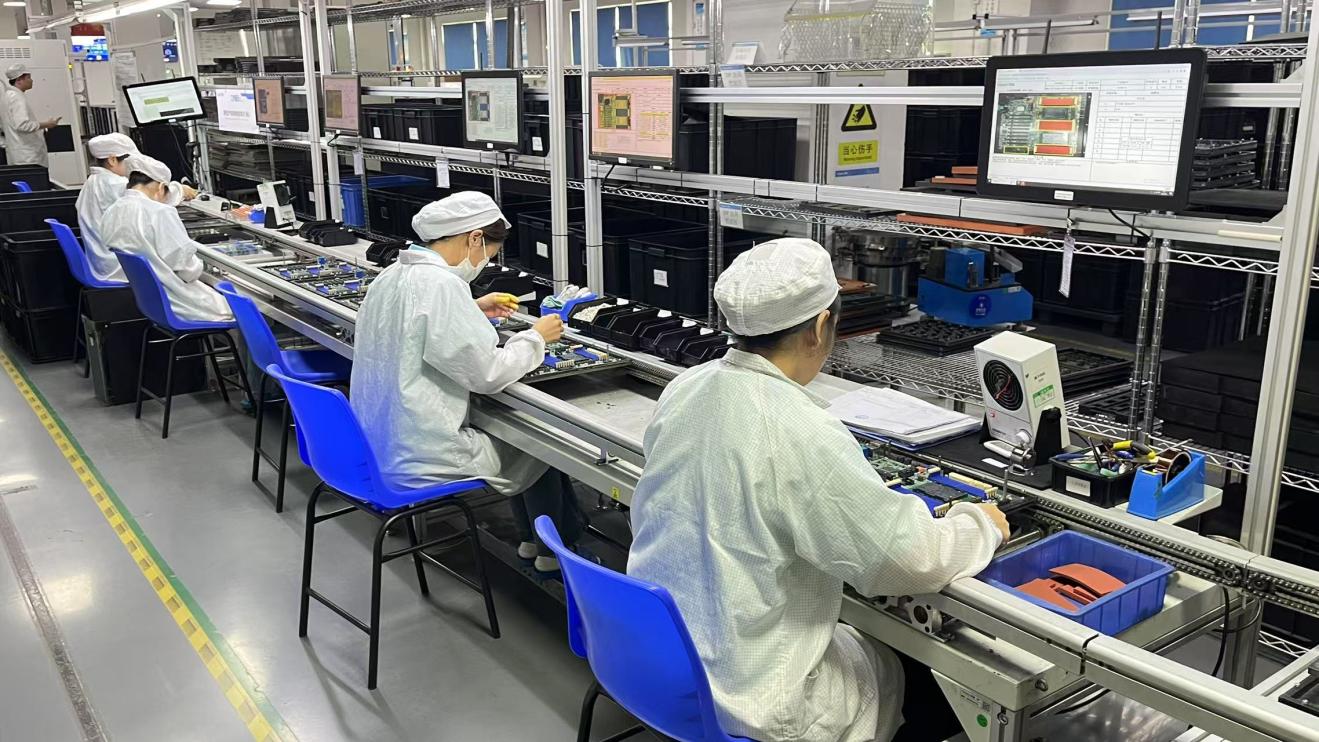
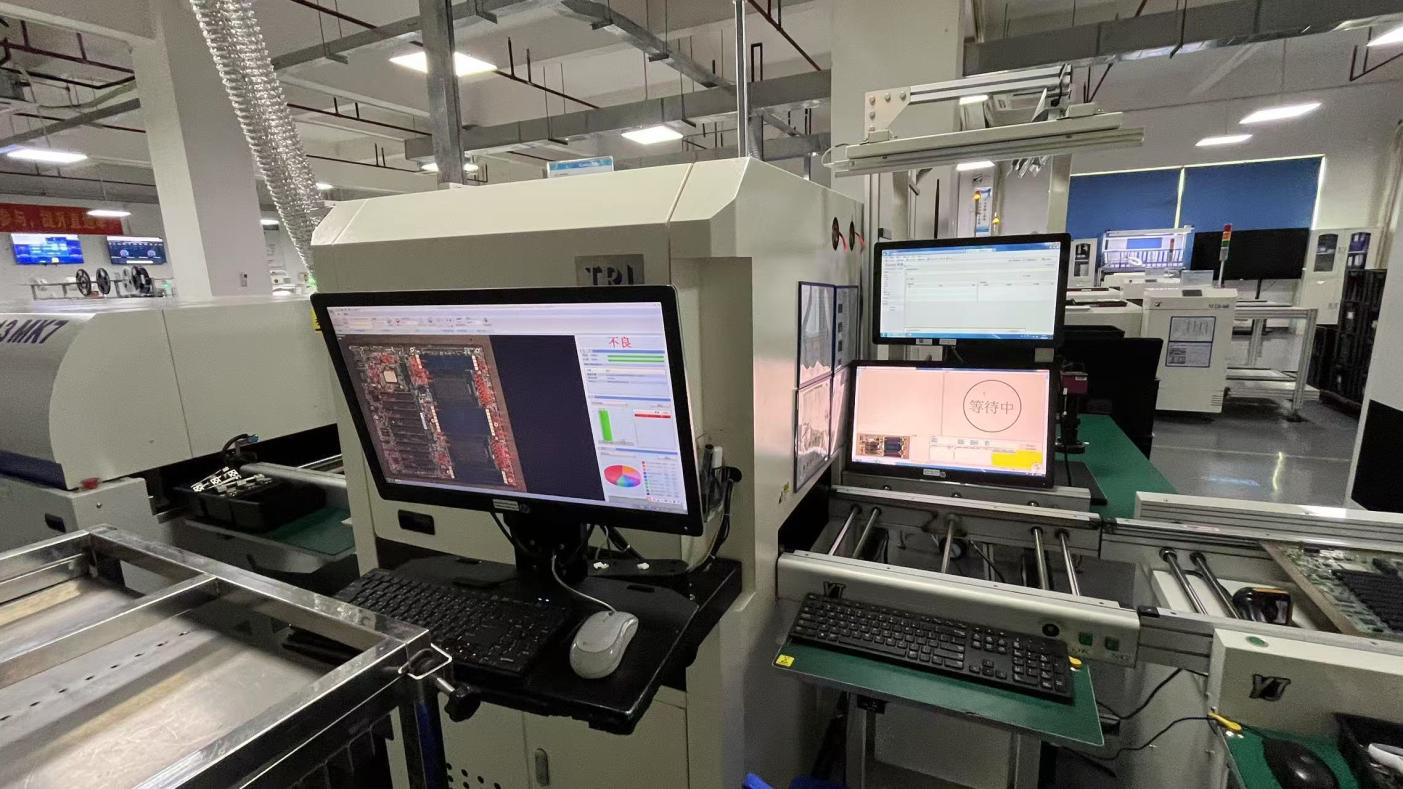
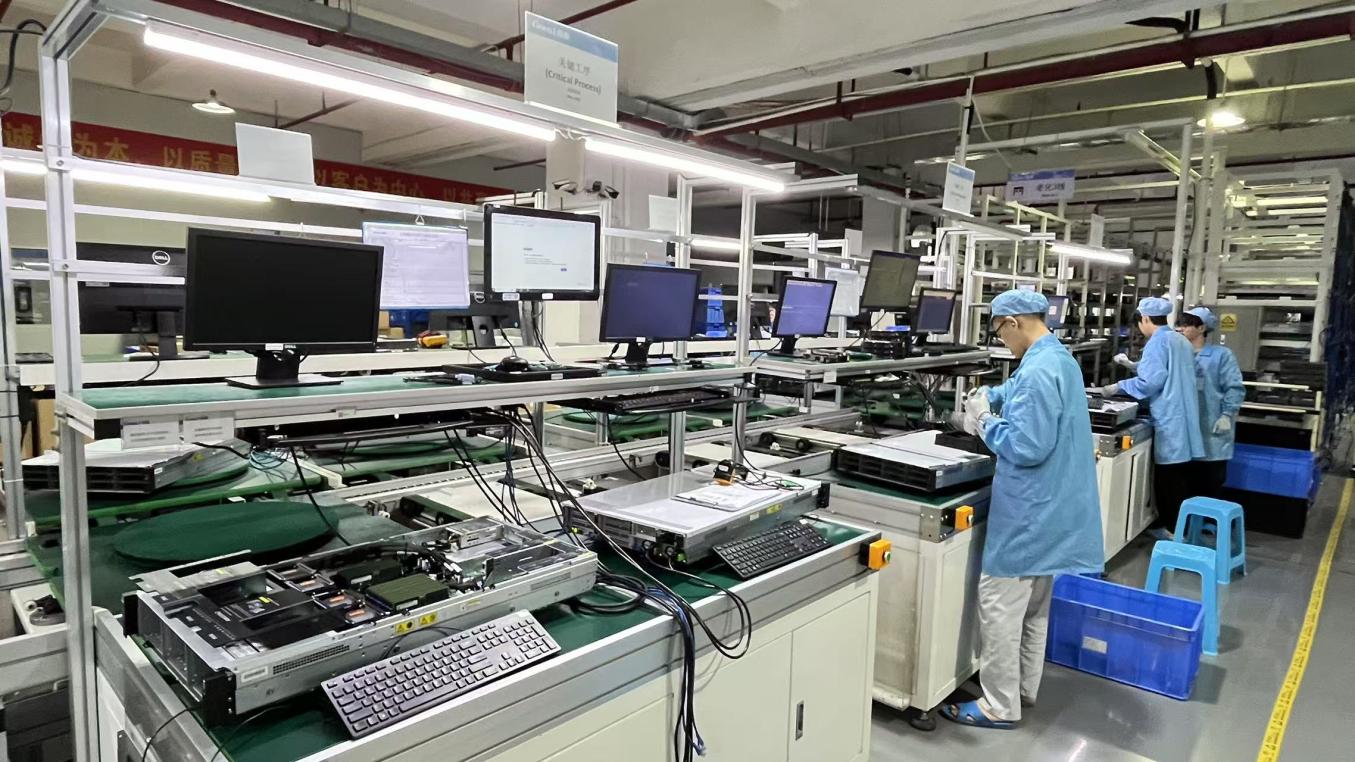
Aivora’s commitment to E-E-A-T principles is demonstrated through strict quality control protocols. Our modern assembly facility integrates step-by-step inspections to verify component functionality before, during, and after assembly:
RPA and intelligent automation frameworks are utilized across many major industries. However, a bank's security requirements differ significantly from a retail company's seasonal compute needs. Aivora offers customizable server configurations designed for these specific macro-industry use cases.

Financial institutions use RPA to handle mortgage processing, compliance checks, and customer onboarding. Because these tasks involve sensitive personal data, servers must support hardware-level encryption (such as Intel SGX or AMD SEV) and maintain redundant array architectures. Our multi-socket rack configurations offer secure virtualization zones to isolate software bot environments, preventing data leaks and unauthorized system access.
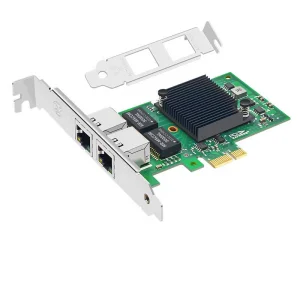
In global logistics, RPA scripts track shipments, manage warehouse inventories, and process invoices. These workflows require 24/7 reliability and low latency to respond to changing logistics data. By utilizing enterprise servers equipped with high-speed SSD storage and dual network interfaces, logistics providers can avoid bottleneck issues and ensure smooth operation.
Healthcare automation relies on software bots to manage patient scheduling, handle billing, and update medical records. System stability and compliance are critical here. Aivora's servers undergo testing to verify compatibility with secure virtualization platforms, helping healthcare providers maintain regulatory compliance and safeguard sensitive data.
The future of automation lies in Hyperautomation—the integration of RPA with machine learning, process mining, and autonomous agents. As these models grow in complexity, standard server architectures face limitations in thermal performance and processing density. Aivora is actively designing next-generation computing systems to support this trend.
Developing high-density direct-to-chip liquid cooling chassis to manage the thermal output of high-wattage GPUs and processors in enterprise data centers.
Implementing PCIe 6.0 pathways to double communication bandwidth between processing units and ultra-fast NVMe storage arrays, minimizing processing delays.
Designing compact, ruggedized server models to run lightweight intelligent agents at factory floors, retail locations, and branch offices.
Technical and procurement answers from Aivora's system engineering experts.
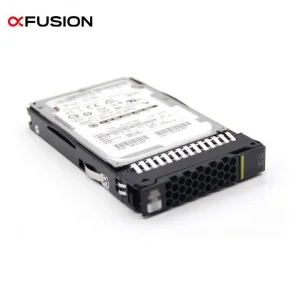
Complete your RPA server cluster with genuine power modules, high-durability enterprise SSDs, and advanced array controllers.