Aivora
Aivora
Aivora
As global industries transition into the era of artificial intelligence and distributed hyper-scale computing, the infrastructure powering these technologies must scale efficiently. Aivora Technology Co., Ltd., established in 2018 in the technological epicenter of Shenzhen, China, stands at the absolute forefront of this technological shift. We are not merely hardware exporters; we are strategic system integrators designing custom GPU architectures, enterprise cloud servers, and comprehensive data center frameworks.
Through our comprehensive manufacturing pipelines and over 14 years of deep-seated industrial experience, we translate complex mathematical scaling needs into robust physical silicon deployments. With a dedicated network of 1,250+ supply chain partners, we ensure that modern hyper-scale demands—ranging from DeepSeek LLM cluster operations to edge latency management—are met with zero bottlenecking.
Industrial Insight: Modern enterprise architectures have outgrown traditional cloud storage. The rapid democratization of Large Language Models (LLMs) requires custom hardware topologies featuring low-latency system interconnects, high PCIe lane density, and enterprise-grade fault protection.
Internationally, data center frameworks are experiencing structural shifts. Computing paradigms now prioritize local acceleration and multi-tier storage over generic computation grids. High-performance accelerators like multi-GPU nodes, dense SAS/SATA RAID matrices, and ECC DDR4/DDR5 system memory are essential to prevent packet collision and read-write delays during intensive processes. This demand is further accelerated by AI architectures like DeepSeek, which rely heavily on deep tensor parallelism and massive distributed databases.
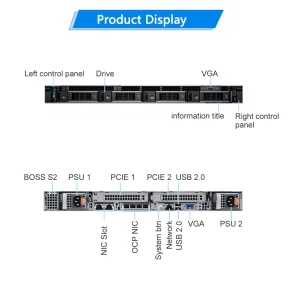
Maximizing computing density in 1U and 2U formats. Engineered to support high-density processing pipelines with Intel Xeon Scalable engines, mitigating operational footprint and cooling overheads.
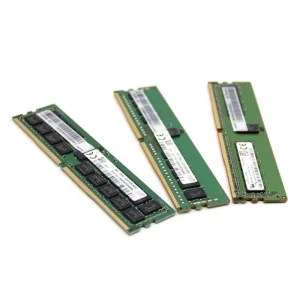
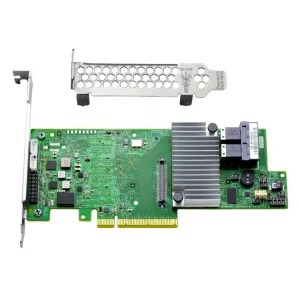
Integrating high-speed ECC DDR4 memory modules and advanced hardware RAID controller cards (e.g., LSI 9560-16i with 8GB cache) to eliminate host-level write halts and data decay.
Leveraging short-depth designs and dedicated out-of-band management interfaces (like the XP270-M2 SAS3808 platform) for remote computing, telemetry, and low-latency edge caching.
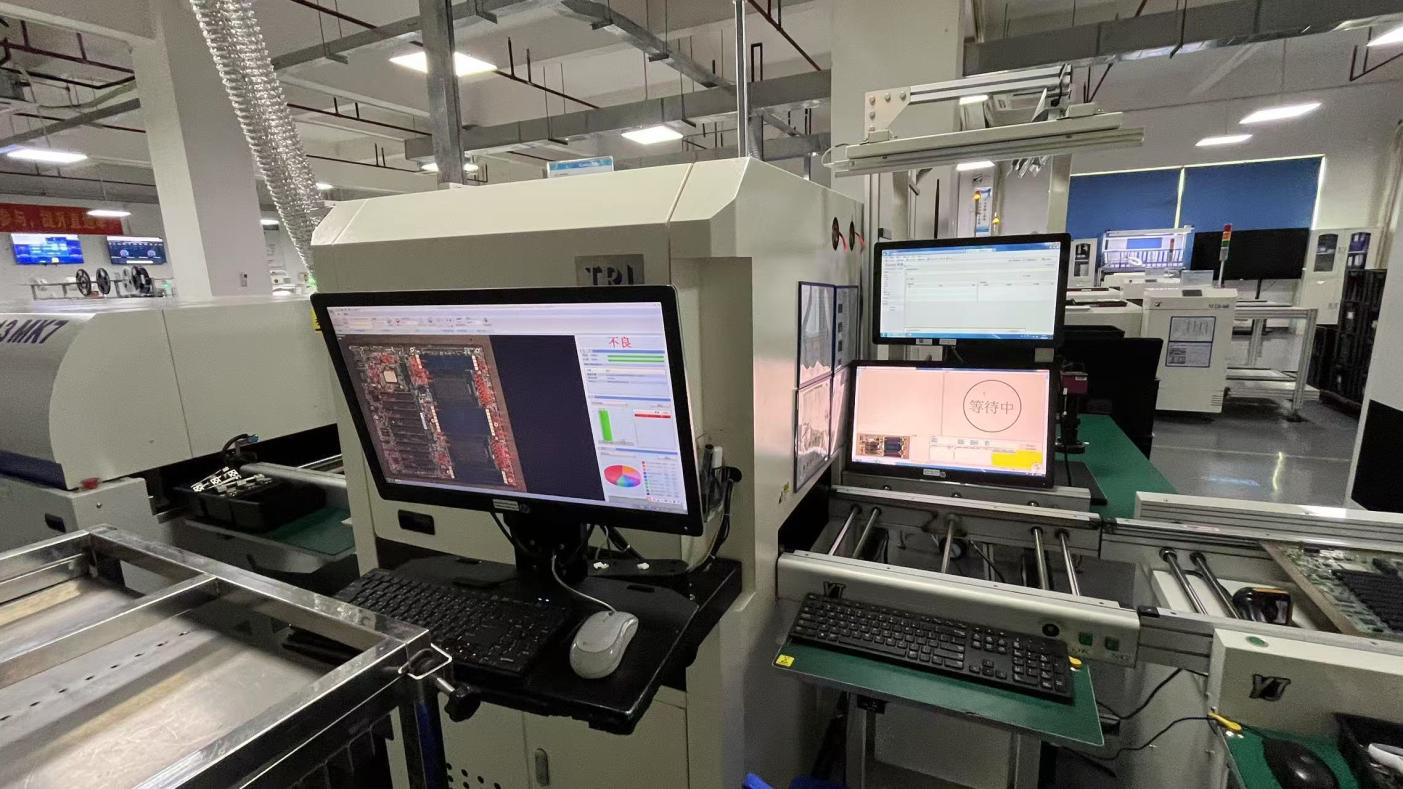
The global computing hardware landscape requires absolute supply flexibility. Positioned at the center of the world's most dense technology supply cluster in Shenzhen, Aivora utilizes local structural benefits to shorten deployment timeframes. By sourcing raw components, silicon substrates, chassis housings, and custom electronics within a 15-kilometer radius, we eliminate international delays.
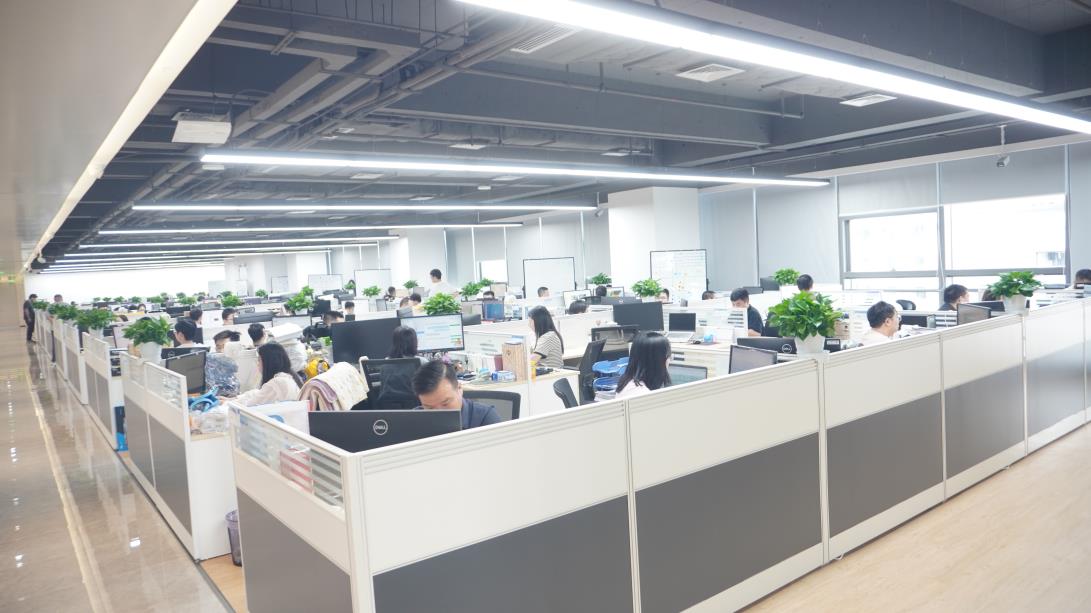
Unlike traditional cloud computing supply chains that suffer from long lead times, Aivora's factory layout enables rapid prototype changes. In the past year alone, our 128 R&D engineers introduced 186 new product variants. This rapid iteration allows buyers to configure hardware specifically to changing computational requirements, such as adapting standard Xeon servers to accept custom PCIe Gen 4/5 hardware.
Our strategic connections with over 1,250 qualified supply chain partners protect global operations from silicon allocation crises, guaranteeing predictable production timeframes and consistent unit costs.
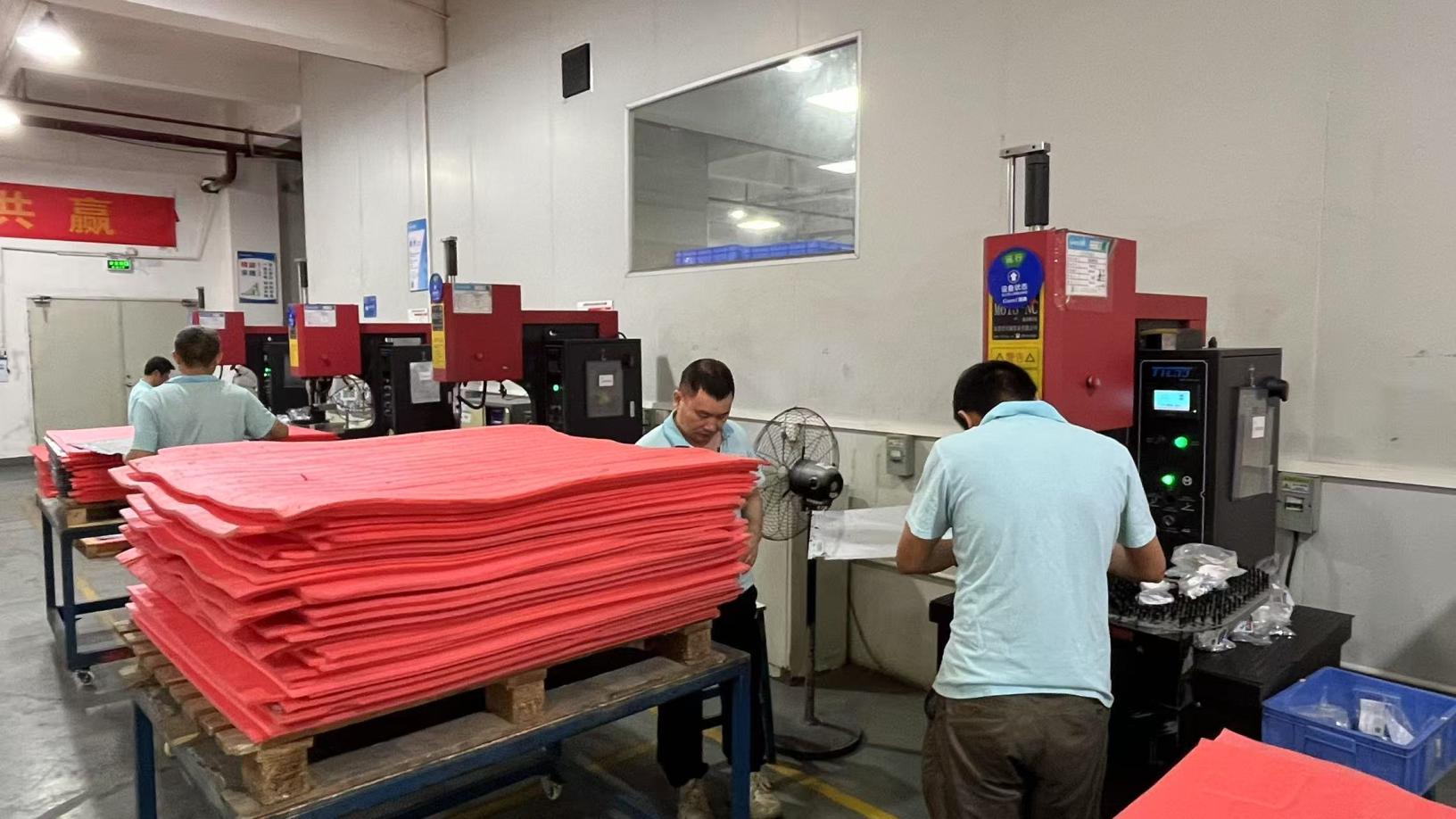
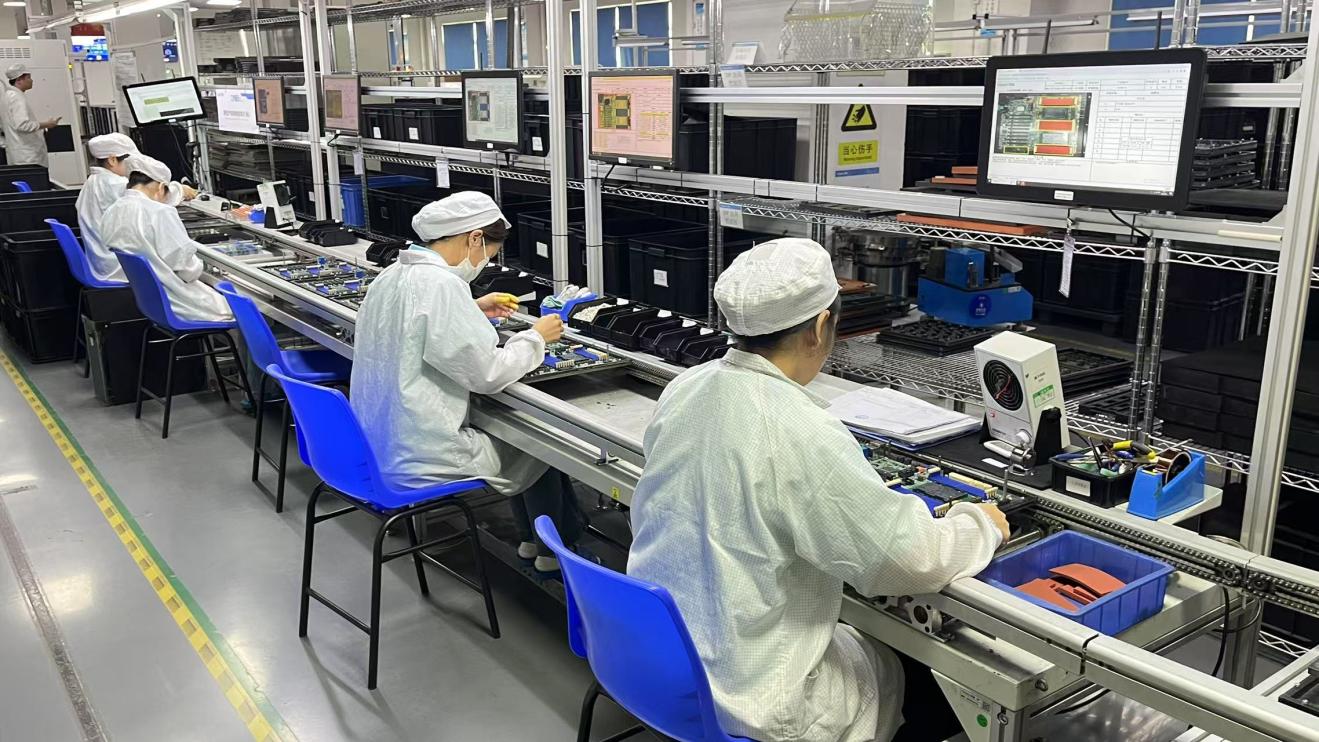
Every memory module, SAS boot card, SSD, and bare PCB undergoes electrical tolerance testing before entering the main production pipeline.
Experienced technicians configure GPU mounts, power distribution boards, and cooling layouts to match specific operational profiles.
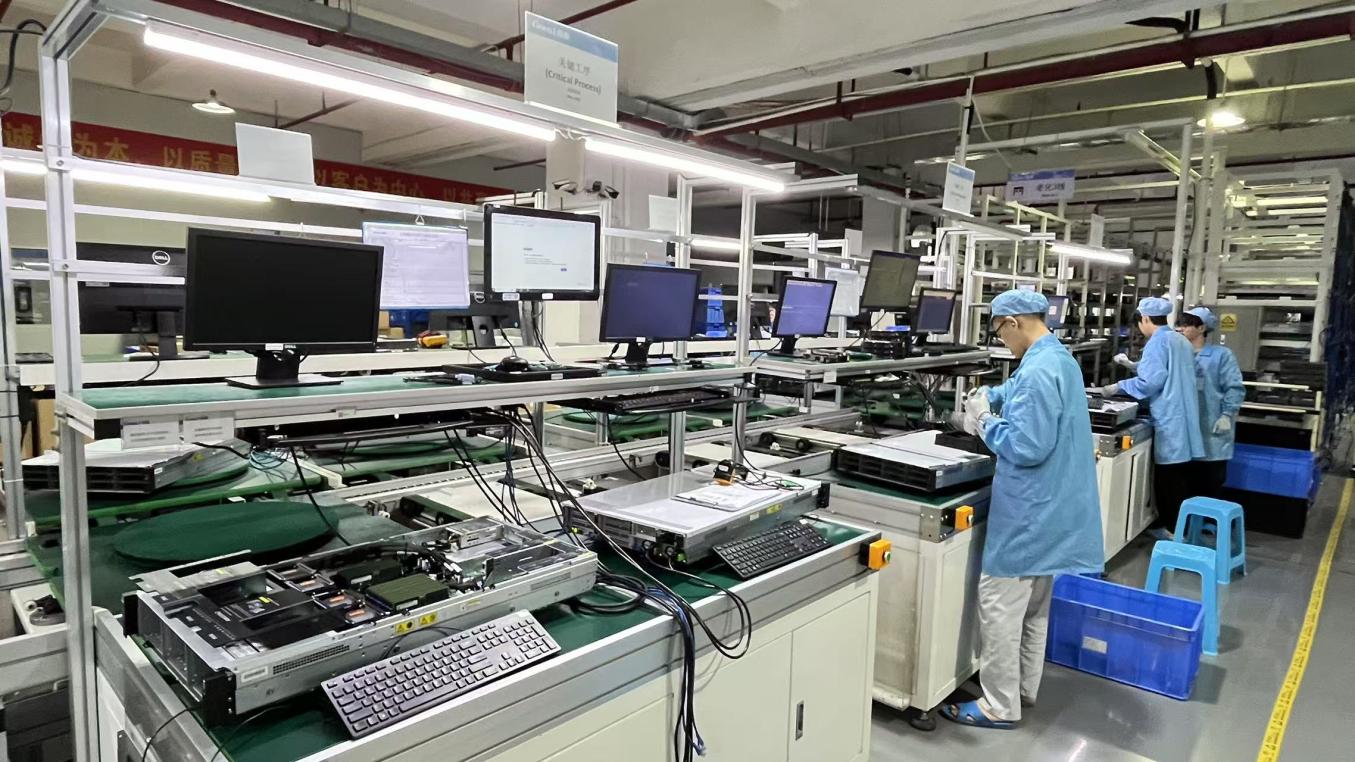
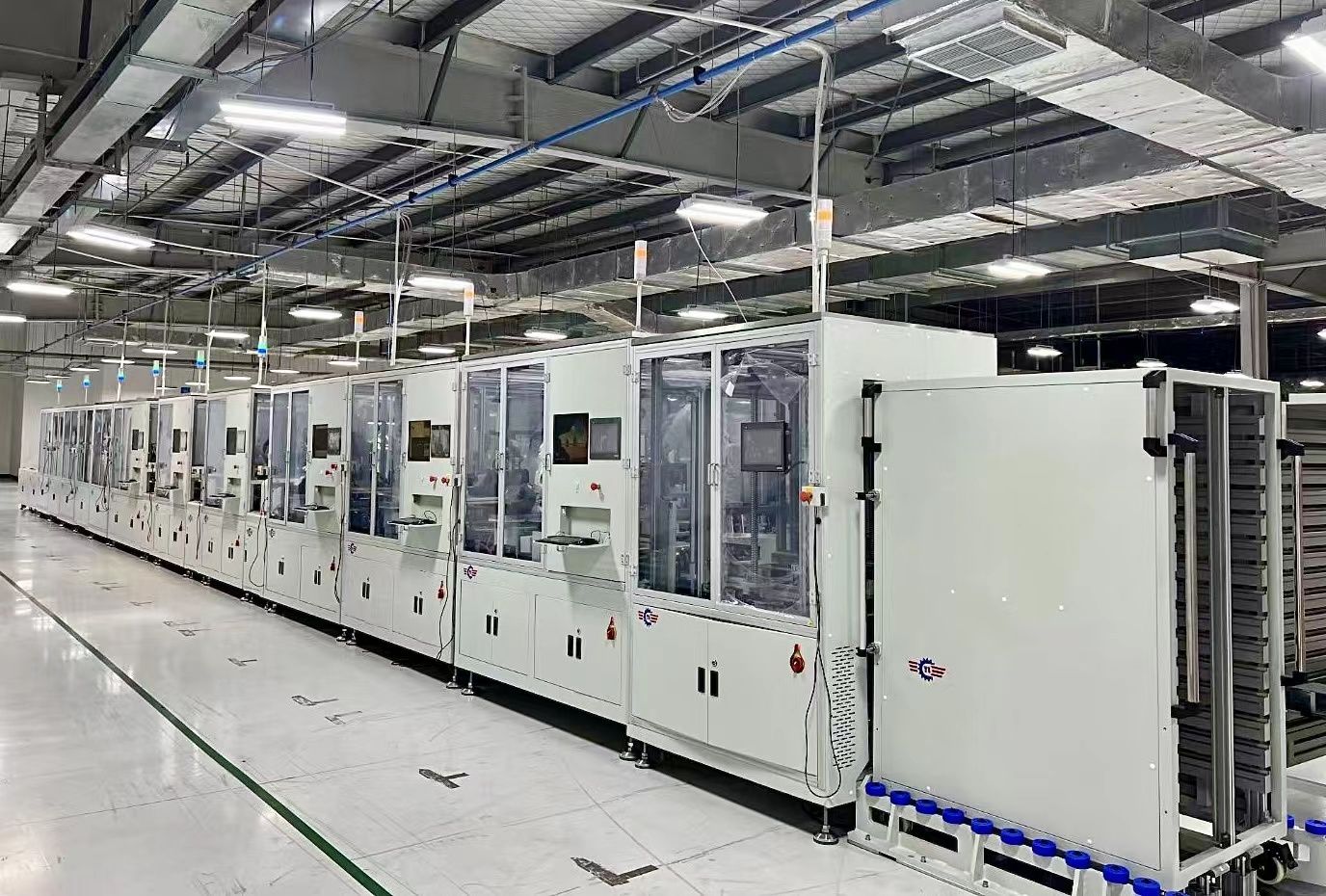
Fully built rack servers undergo continuous high-temperature stress cycles at maximum computing loads to detect early component failures.
Verification of local controllers, IPMI, RAID setups, and physical network port routing before custom packaging is initialized.
Our 46 quality inspectors manage every stage of this pipeline. From initial power distribution calculations to final functional verification under high-density operations, Aivora guarantees that every server cluster shipped operates reliably and efficiently.
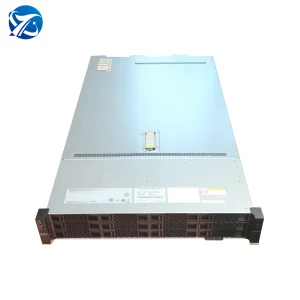
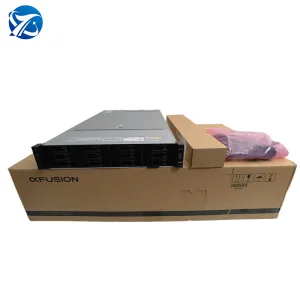
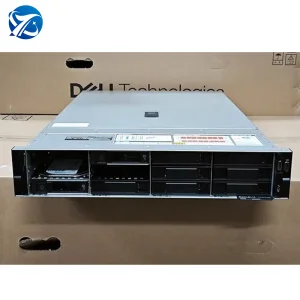
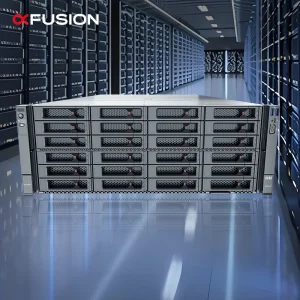
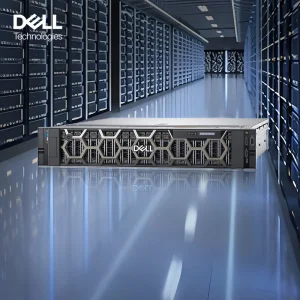
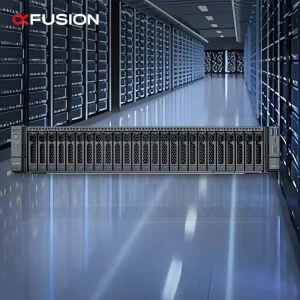
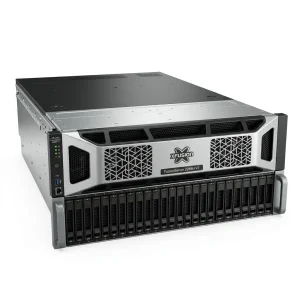
Modern deep learning workflows depend on constant inter-node communication and fast memory recall. Aivora's custom server platforms, which utilize high-end rack server systems like the xFusion 2258 V7 and Dell PowerEdge R760, are configured to support multi-GPU setups. These systems are optimal for:
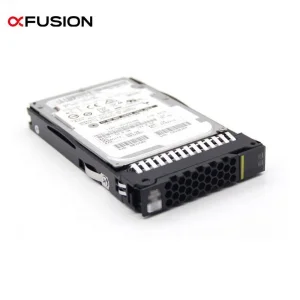
By integrating dedicated read-intensive SSDs and enterprise ECC RAM, we prevent data write degradation during long training cycles.
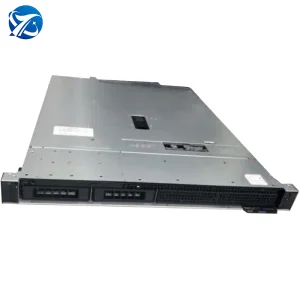
Not all cloud computational processes belong inside centralized server farms. Edge computing is critical for automated factories, local network routing, and smart retail systems. Our short-depth systems and edge servers (such as the PowerEdge R260 1U) offer high density in space-constrained cabinets.
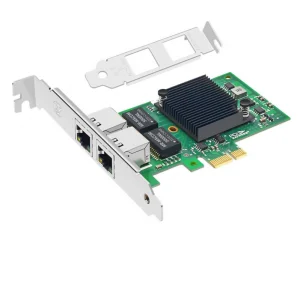
Equipped with boot cards that support out-of-band management, administrators can remotely control system tasks even when the main operating system is offline. Combined with high-capacity storage drives and RAID redundancy, these systems provide local data protection and application virtualization with minimal latency.
Avoid generic configurations. Align CPU cores, memory channels, PCI-Express configurations, and disk arrays directly with your software's processing and read-write requirements.
Ensure your cabinets can manage the thermal dissipation requirements of multi-GPU arrays. Our chassis layouts are optimized for structured airflow configurations.
All Aivora shipments comply with CE, FCC, and RoHS regulations, minimizing custom clearance delays and ensuring seamless local integration.
By establishing early engineering communication, we help clients select optimal memory modules, controller card models, and system boards, preventing costly post-deployment hardware upgrades.