Aivora
Aivora
Aivora
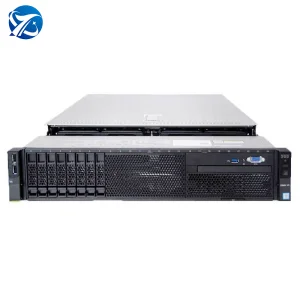
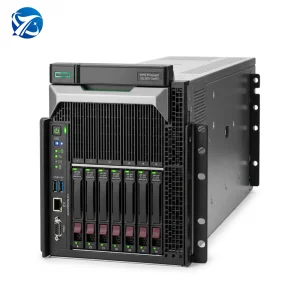
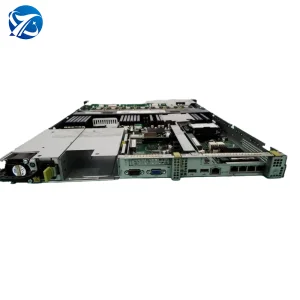
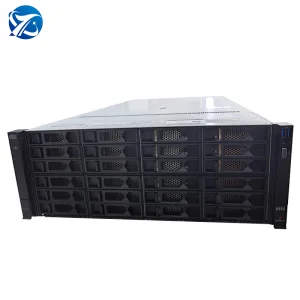
The modern enterprise landscape is undergoing an unprecedented architectural shift. As artificial intelligence, massive machine learning pipelines, and dense transactional databases demand dynamic scalability, the underlying physical infrastructure must evolve. The day of resource-siloed, dedicated bare-metal servers is transitioning into an era of hyper-consolidated, highly virtualized cloud environments. This structural change demands server hardware engineered with massive multi-core scaling, extreme memory density, and low-latency storage capabilities.
Virtualization technologies enable companies to abstract physical resources, allowing a single hardware platform to handle dozens of independent operating instances or virtual machines (VMs). However, as hypervisors scale to support thousands of virtual cores, key performance degradation bottlenecks occur at the silicon level, specifically regarding memory bandwidth saturation, input/output (I/O) scheduling, and thermal throttling. As a global exporter of enterprise servers, we design hardware with hardware-assisted virtualization (such as Intel VT-x and AMD-V), ensuring that hardware translation overhead is kept below 2%.
To support next-generation virtualization deployment architectures, server systems must emphasize four foundational vectors: high PCIe lane availability for multi-GPU configurations, high-density DDR4/DDR5 interfaces to prevent virtual machine bottlenecks, low-latency NVMe-oF networking, and robust structural compliance guarantees.
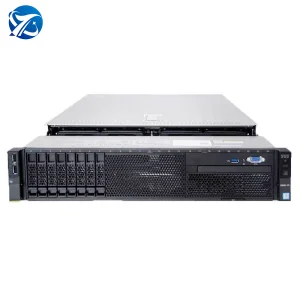
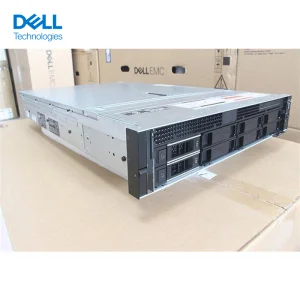
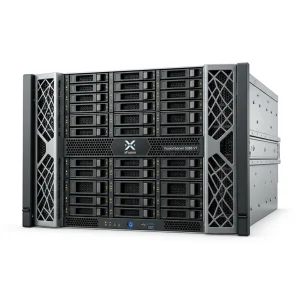
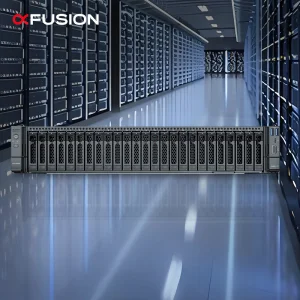
Enterprise infrastructure is moving toward unified orchestration layers where legacy virtual machines and lightweight Docker/Kubernetes container pods run on the same physical bare metal. Systems like xFusion and PowerEdge are optimized to handle both architectures simultaneously through micro-segmentation and robust hypervisor partitioning.
Modern artificial intelligence frameworks demand multi-tenant access to powerful GPUs. Hardware solutions now utilize virtual GPU (vGPU) technologies, partition physical silicon into fractional instances, and allocate them dynamically to isolated virtualization environments for Deep Learning training, inferencing, and rendering.
Security is the primary driver of enterprise virtualization design. Hardware-level security protocols, such as confidential computing, secure encrypted virtualization (SEV), and AMD-TEE, protect high-value virtual instances from threats at the hypervisor layer, securing multi-tenant operations.
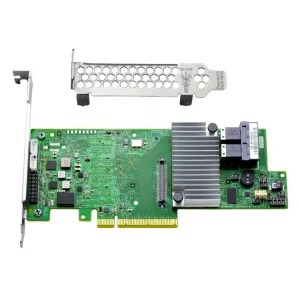
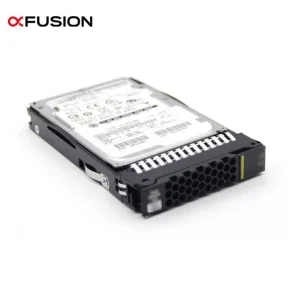
For modern, highly virtualized environments, database operations require ultra-fast IOPS. We integrate high-speed controllers, arrays, and enterprise PM9A3 SSD storage solutions that leverage PCIe Gen 4/5 lanes. This ensures latency remains below microsecond levels, mitigating memory starvation during high-demand multi-tenant cycles.
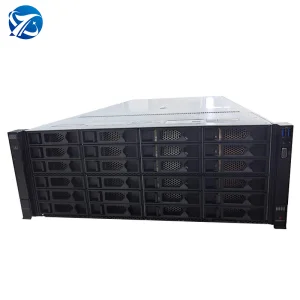
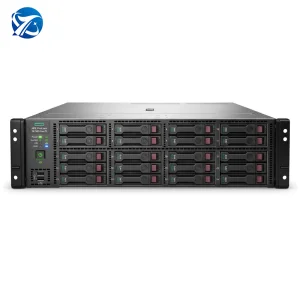
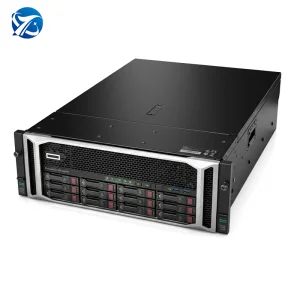
As processor densities increase within 1U, 2U, and 4U chassis, effective heat dissipation is critical. High-volume export platforms utilize multi-zone redundant cooling architectures. Using dual-rotor dynamic fans and intelligent fan curves, our configurations prevent thermal throttling and extend server operational lifespan.
To export server hardware to the European Economic Area (EEA), manufacturers must obtain CE Certification. Our infrastructure meets all EMC directives (EN 55032/EN 55035) and low-voltage standards (LVD EN 62368-1). This guarantees both regulatory compliance and high system reliability during electrical fluctuations.
For major corporations shifting from localized physical datacenters to dynamic hybrid environments, scalability and stability are crucial. Our hardware design supports complex virtualization software environments, including VMware ESXi, Proxmox VE, KVM, and Microsoft Hyper-V. By leveraging deep memory channels and dual-processor sockets (Xeon Silver/Gold), enterprises can scale instance distribution with zero downtime.
Modern machine learning networks demand high-throughput data pipes. For compute-heavy configurations like xFusion Deepseek clusters and Dell PowerEdge multi-GPU platforms, virtualization optimizes pipeline resource allocation. By abstracting physical GPUs, multi-departmental research teams can utilize precise compute allocations without resource conflict or latency spikes.
Every server we construct is tested in our high-precision facility, which matches strict international quality standards. Below are our official assembly and testing environments, showcasing our commitment to structural excellence and compliance.
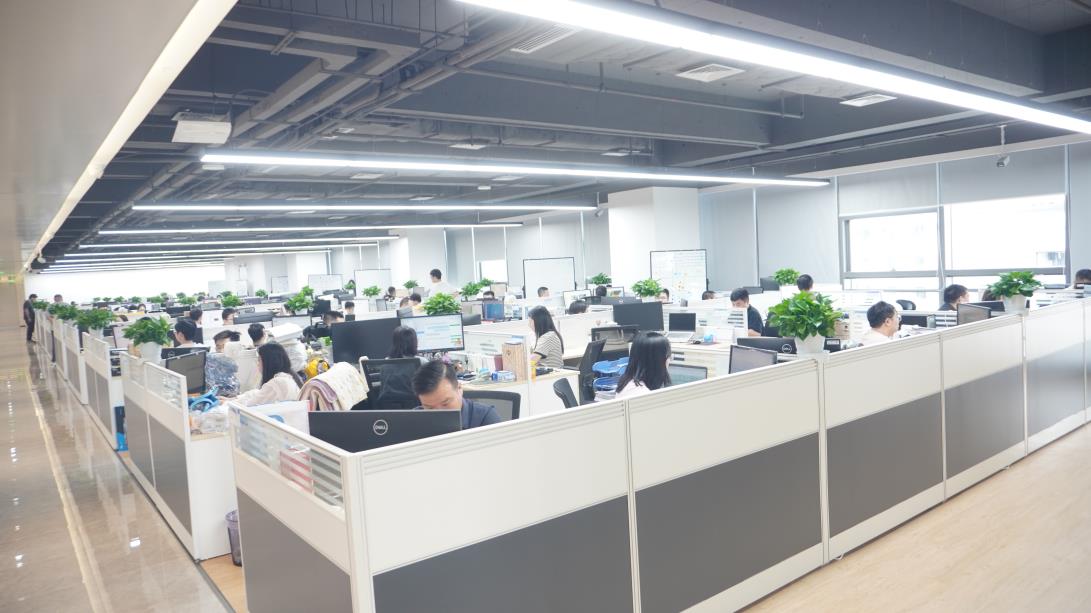
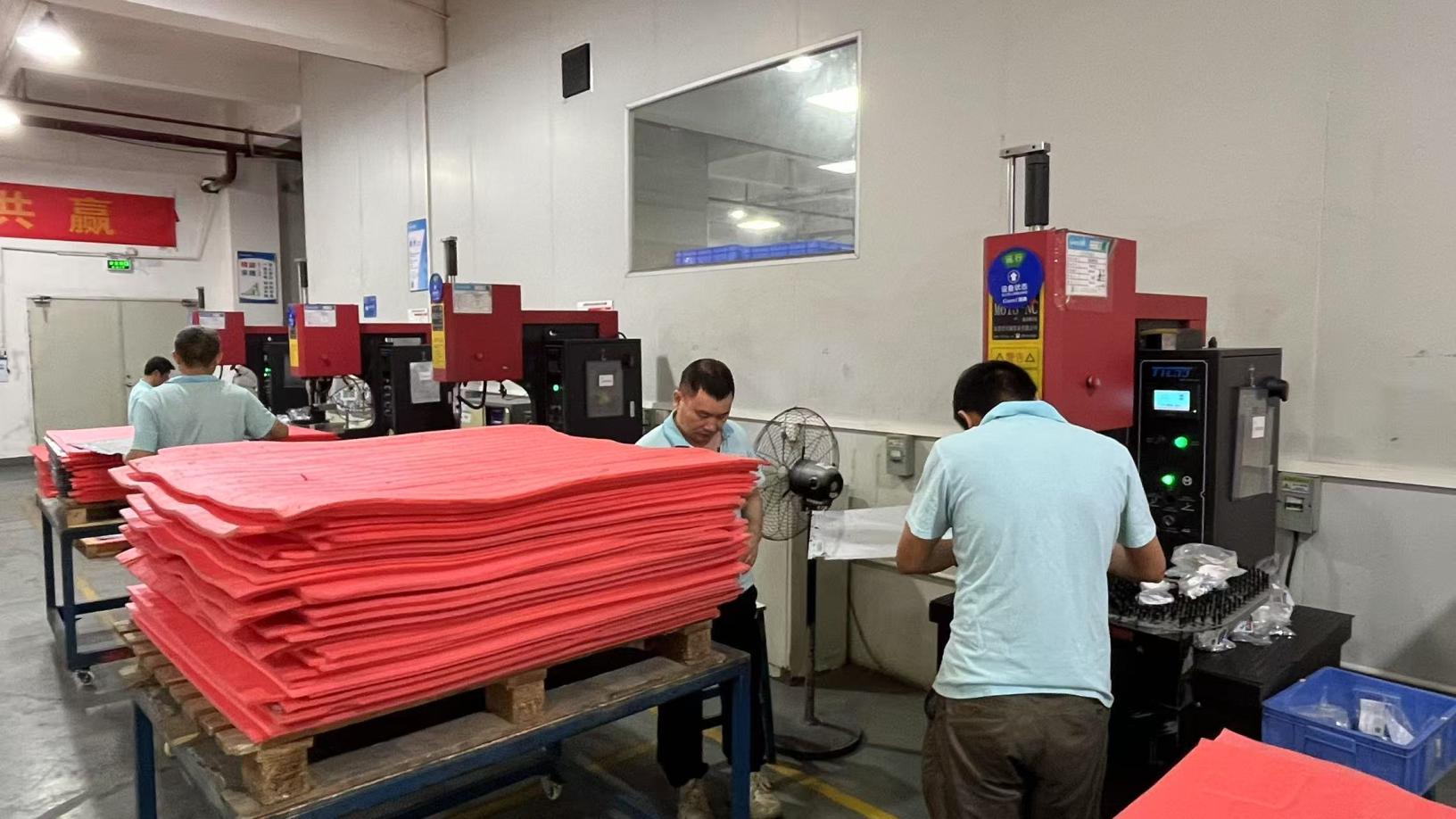
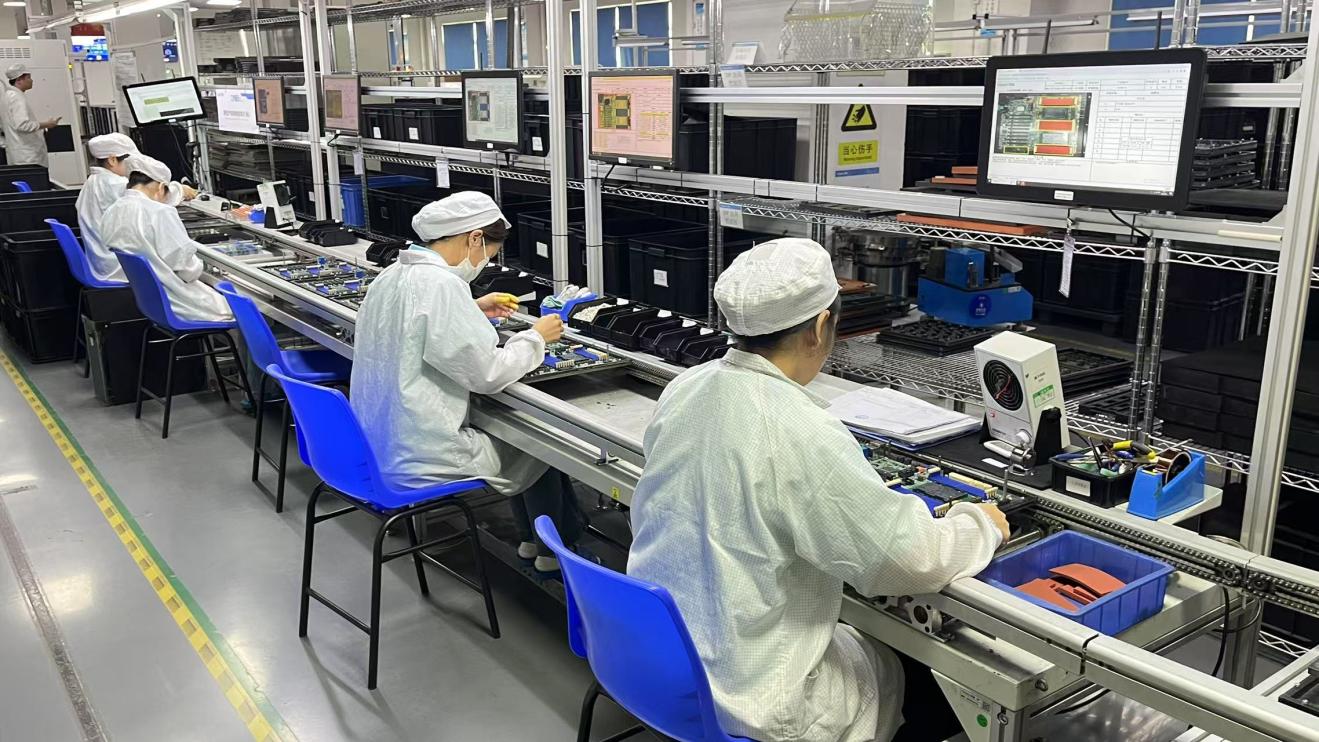
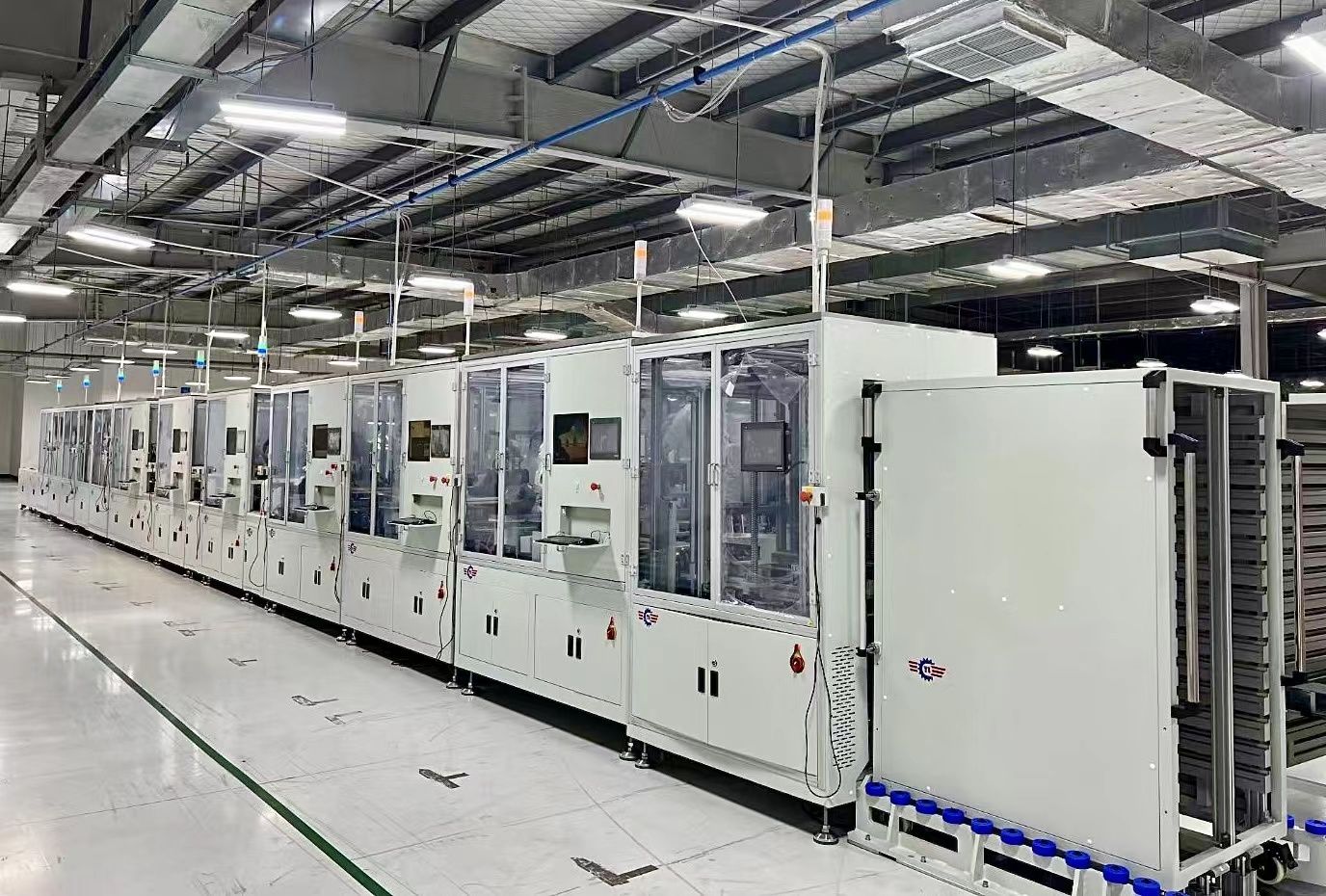
Aivora Technology Co., Ltd. is an enterprise-grade AI server manufacturer and custom server designer, dedicated to delivering high-performance GPU server solutions, AI computing infrastructure, and customized datacenter systems globally. Founded in 2018, the company has grown into a trusted partner for cloud service providers, research centers, public institutions, and system integrators seeking stable and cost-effective compute performance.
Headquartered in Shenzhen, China, our advanced design and manufacturing facility spans 386 square meters. This specialized space houses our R&D center, precision components inspection lab, and integration lines. Driven by over 8 years of export experience and 14 years of design expertise, our hardware systems are deployed in North America, Europe, Southeast Asia, South America, and the Middle East.
Our catalog comprises high-density AI training/inference servers, specialized GPU workstations, Edge computing nodes, storage clusters, and customized rack-level deployments. With a dedicated team of 128 R&D engineers and 46 QA inspectors, we support complex OEM/ODM client requests, including Custom BIOS/IPMI tuning, custom rack layouts, and branding options.

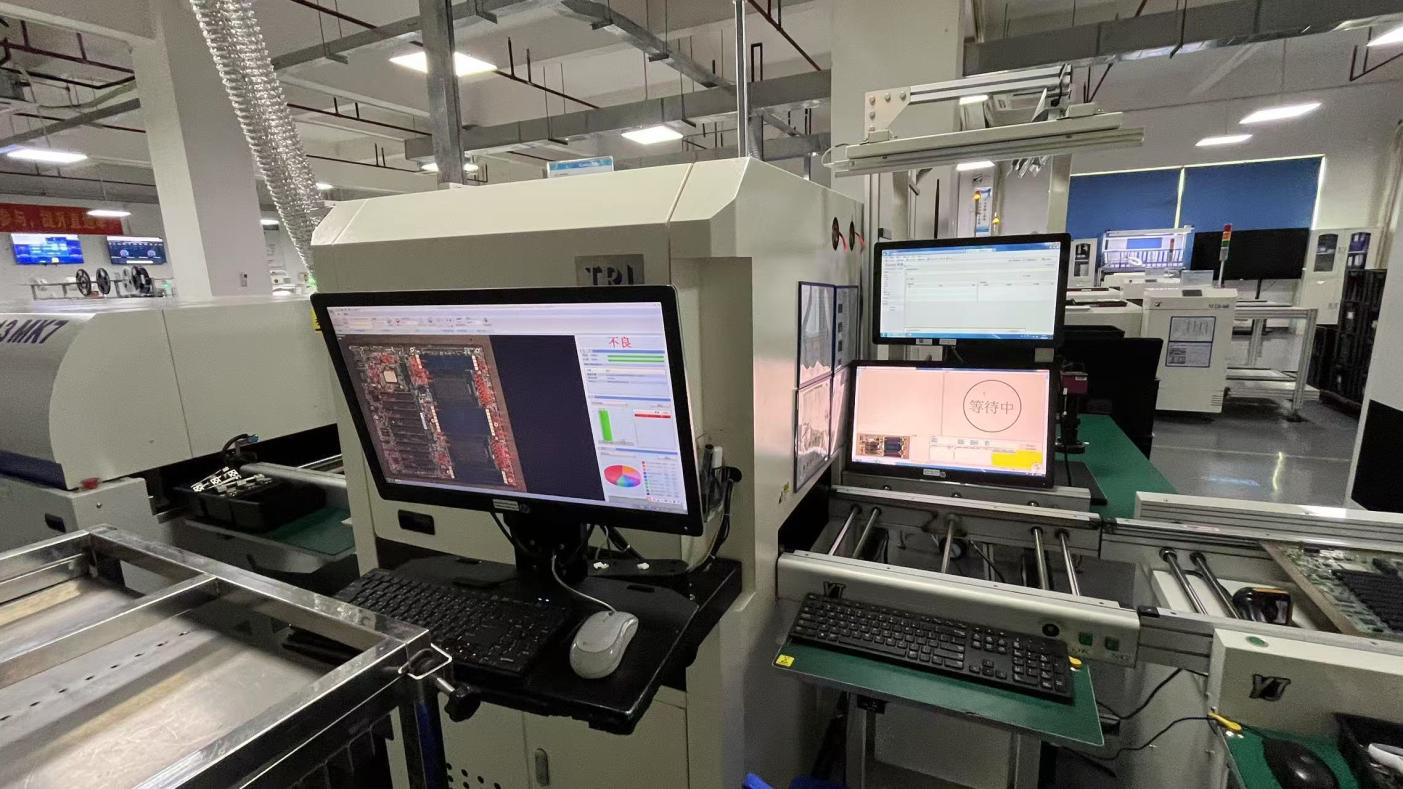
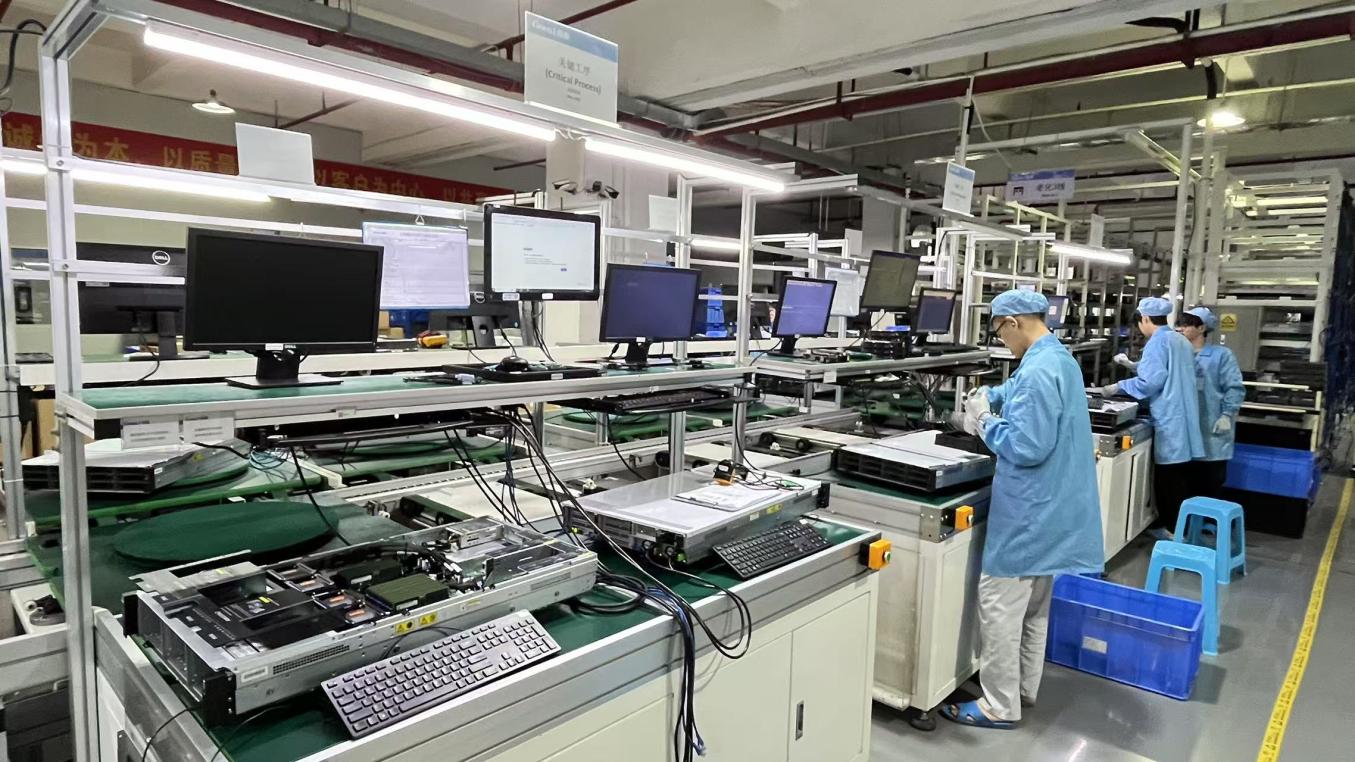
Every server platform undergoes a multi-stage validation process, including high-load thermal burn-in, system integration verification, memory stress testing, power supply stability verification, and full-load validation.
As demand grows for resource density and sustainability, modern datacenters face significant energy and performance requirements. To help operators stay competitive, Aivora's technical roadmap focuses on the following milestones:
To support next-generation multi-socket and high-TDP processor systems, Aivora is integrating hybrid air-to-liquid cooling plates. This design allows high-density computing clusters to maintain low temperatures, reducing PUE (Power Usage Effectiveness) metrics for cloud service providers.
By shifting networking, virtualization management, and security protocols from CPUs to specialized DPUs (Data Processing Units), our server configurations free up host processor resources. This increases the VM density of the physical chassis while reducing virtualization overhead.
Future iterations of our 2U and 4U systems will feature full CXL 2.0/3.0 support. This standard allows memory pool sharing between processing nodes, preventing DRAM bottlenecks and maximizing performance across highly clustered virtual environments.
CE Certification is a mandatory regulatory requirement for importing hardware into the European Economic Area. It ensures that servers meet strict safety, health, and environmental protection standards. For enterprise systems, it guarantees that devices comply with the low-voltage directive (LVD) and electromagnetic compatibility (EMC) requirements, reducing hardware-level failures.
Our testing regimen includes a 72-hour burn-in period inside thermal chambers, system integration checks, component verification, and simulated virtual machine loading. We test hardware configurations against hypervisors like VMware, Proxmox, and KVM to ensure compatibility at the BIOS and IPMI levels.
Yes. Through our OEM and ODM services, we support custom configurations. Customers can select customized PCIe layout schemes, specific chassis heights (1U, 2U, 4U), variable GPU support configurations, specific drive bay divisions (SAS, SATA, NVMe), and bespoke brand labeling.
All systems ship with standard warranty packages (expandable to 3 or 5 years). We offer localized replacement parts shipping, component-level replacement support, and remote technical assistance from our engineering team to ensure high uptime for global datacenters.
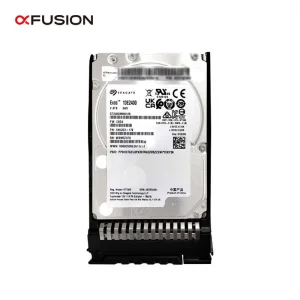
We maintain partnerships with more than 1,250 upstream supply chain providers. By stocking key components like high-performance SAS HDD units, array controllers, and NVMe SSDs, we protect customer lead times from market disruptions.