Aivora
Aivora
Aivora
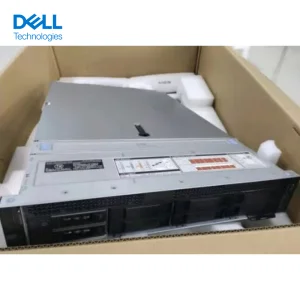
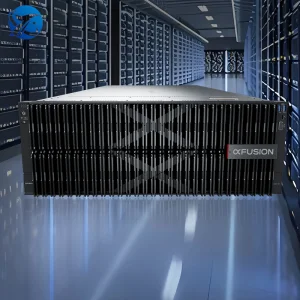
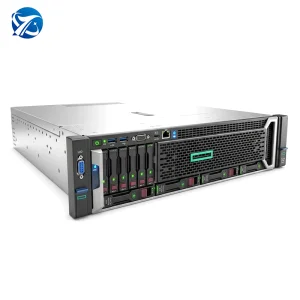
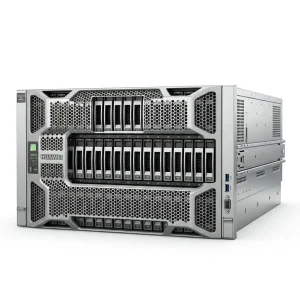
Direct from our modern production facilities. Explore high-performance rackmount servers engineered for low-latency computation, deep neural network training, and remote management compliance.

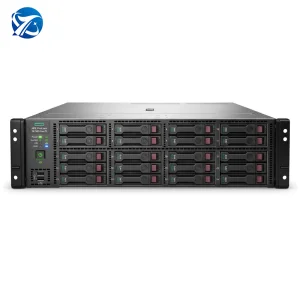
In the era of hyper-scale cloud fabrics, distributed neural-network training, and globalized edge-compute architectures, server management tools have transitioned from auxiliary utilities to central system dependencies. Modern IT infrastructure demands continuous uptime, automated environmental tuning, and granular hardware control.
Out-of-band management forms the bedrock of datacenter operations. Unlike in-band administration tools that rely on the host operating system, OOB tools run on a dedicated microchip called the Baseboard Management Controller (BMC). This system operates independently of the server's CPU, BIOS, or OS state, allowing systems engineers to perform cold-reboots, update firmware, and isolate hardware errors even if the main CPU is completely frozen.
Historically, the Intelligent Platform Management Interface (IPMI 2.0) has been the industry standard for OOB communication. However, modern deployment environments require secure, web-scale automation. This demand is addressed by the DMTF's Redfish API, which leverages JSON schemas over HTTPS. Redfish facilitates unified configuration, health monitoring, and system metrics ingestion directly into cloud platforms like Prometheus and Kubernetes.
Within the European Economic Area (EEA) and global markets that mirror CE guidelines, hardware must conform to stringent safety and compatibility protocols. Server management controllers, acting as low-voltage microcontrollers with direct access to power distribution planes and network layers, are subject to standard CE directives:
Shenzhen has established itself as the center of global electronics and hardware manufacturing. Aivora Technology Co., Ltd. leverages this ecosystem to deliver high-quality computing systems at competitive price points.
Aivora Technology Co., Ltd. is a specialized AI server manufacturer dedicated to delivering high-performance GPU server solutions, AI computing infrastructure, and customized data center systems for customers worldwide. Established in 2018, the company has grown into a reliable partner for enterprises, cloud service providers, AI startups, research institutions, and system integrators seeking scalable AI computing platforms.
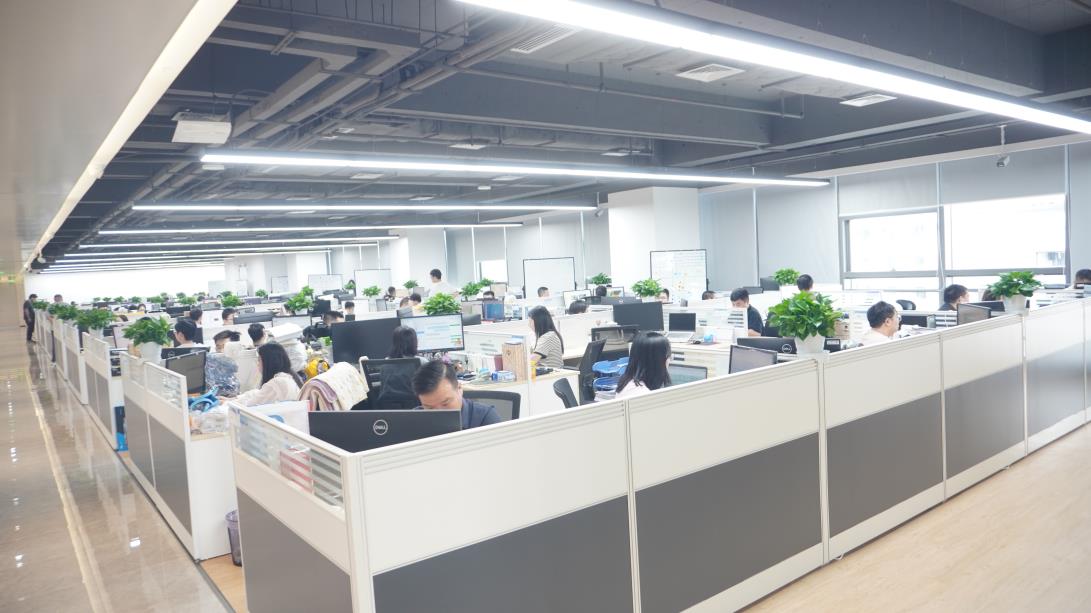
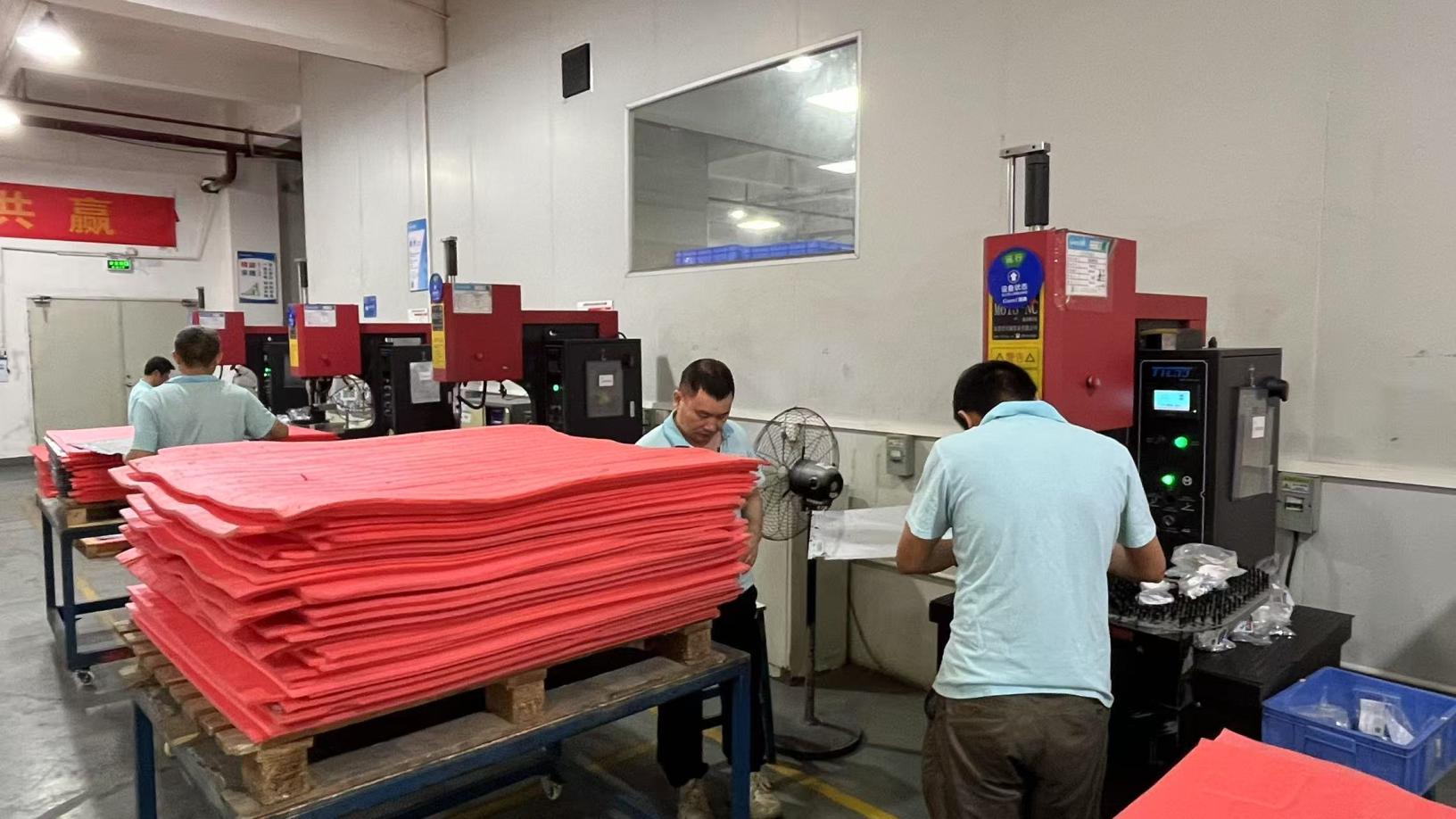
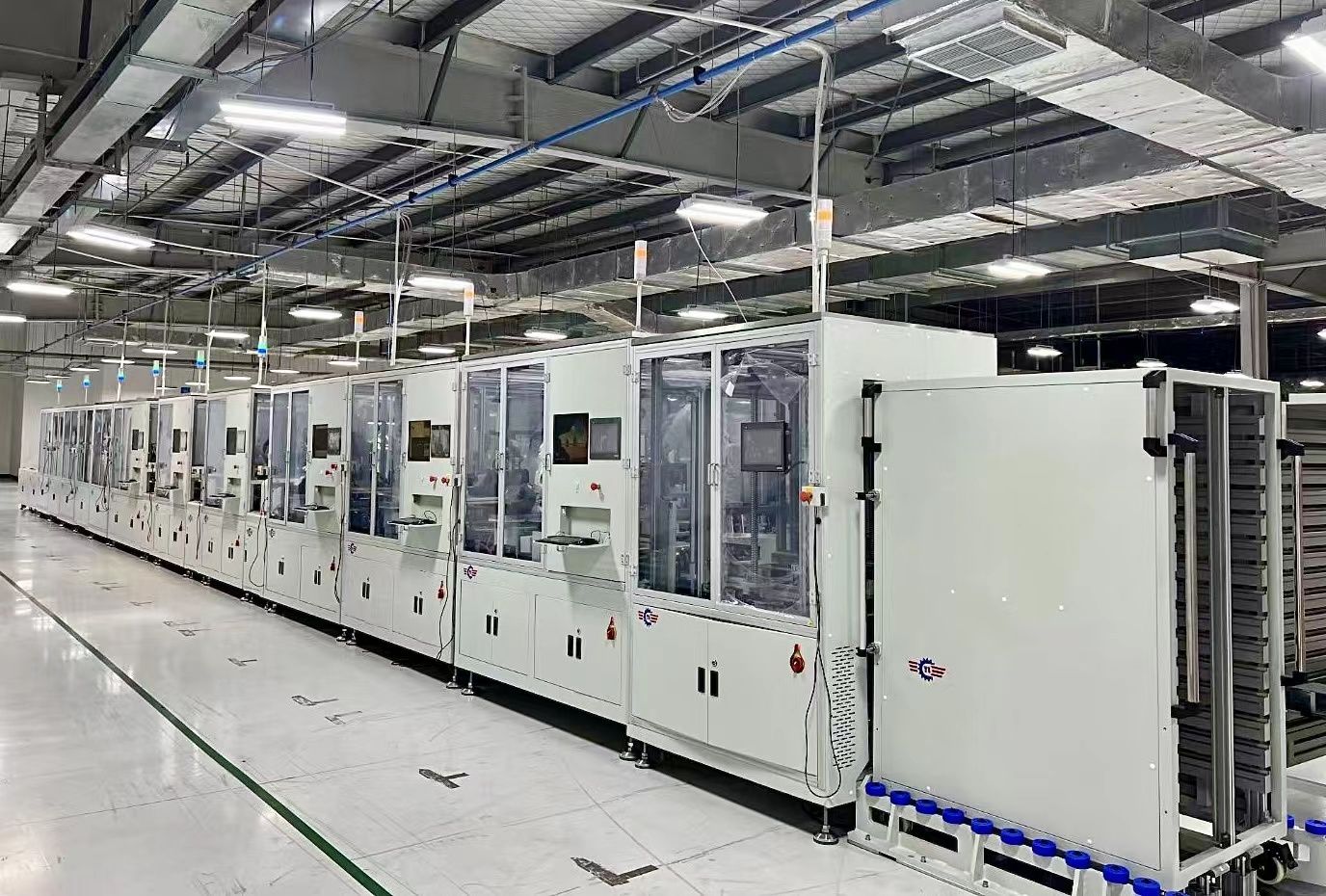
Located in Shenzhen, China, Aivora operates a modern manufacturing facility covering 386 square meters and integrates advanced production, testing, and quality management systems to ensure consistent product performance and reliability. With over 8 years of export experience and 14 years of industry expertise, we serve customers across North America, Europe, Southeast Asia, the Middle East, and South America.
Our product portfolio includes AI training servers, AI inference servers, GPU workstations, edge AI servers, HPC servers, storage servers, and customized rack-level solutions. Leveraging our R&D capabilities, we provide flexible OEM and ODM services, supporting hardware customization, chassis design, GPU configuration, branding, and system integration according to specific project requirements.
Aivora maintains close cooperation with more than 1,250 supply chain partners, enabling efficient sourcing, stable production, and rapid delivery of high-performance computing solutions. Supported by a team of 128 R&D engineers, we continuously innovate to meet the demands of artificial intelligence and data-intensive applications. In the past year alone, we successfully launched 186 new products and solution variants.
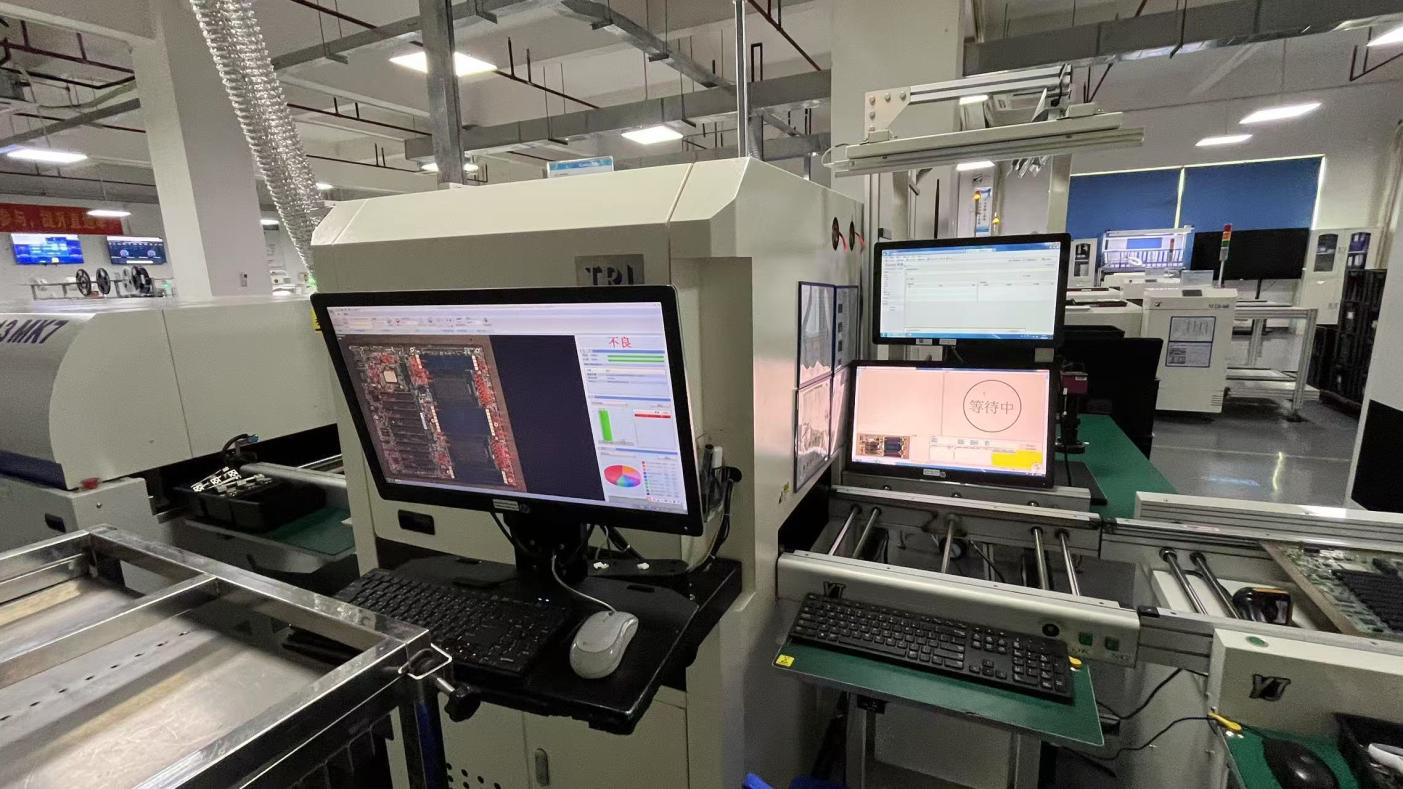
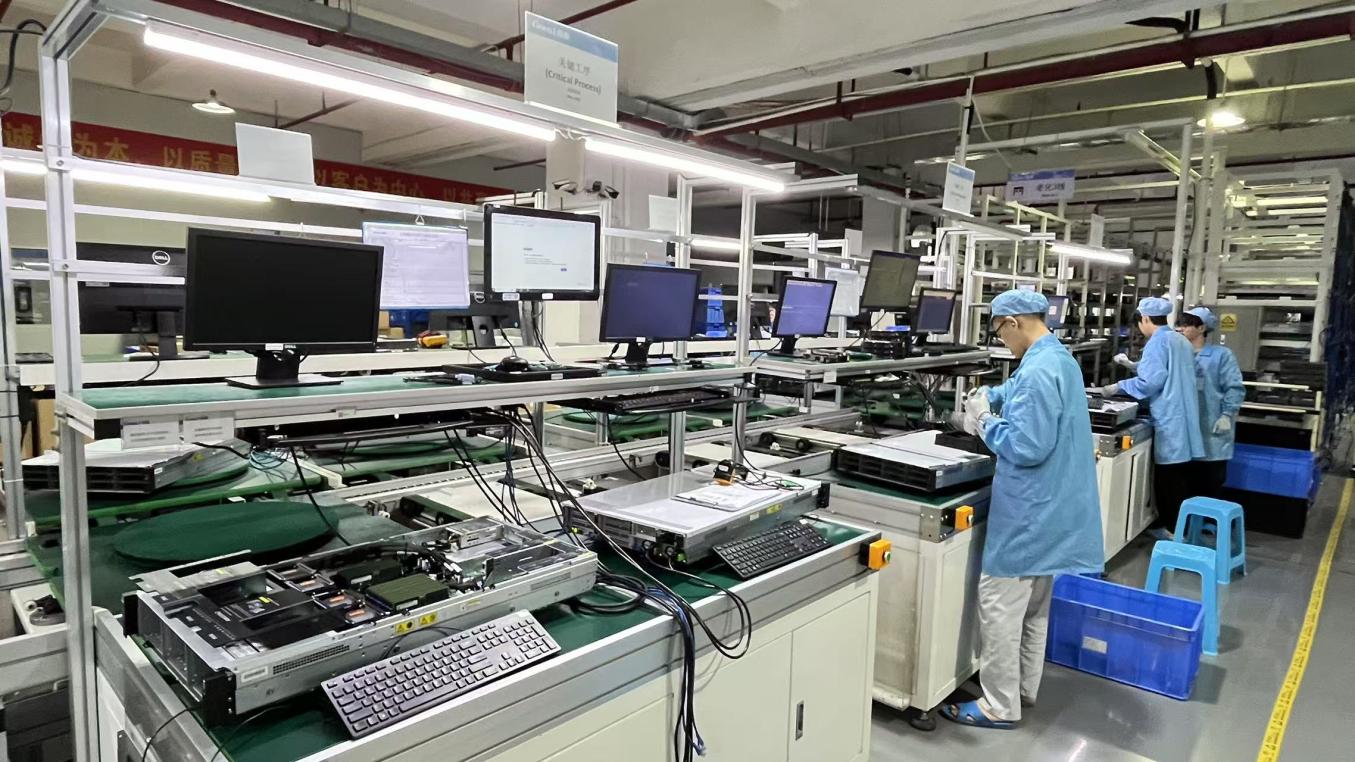
Quality is at the core of our operations. Every system we build undergoes comprehensive quality inspections before shipment. Our dedicated quality control team, consisting of 46 experienced inspectors, ensures every platform meets international quality standards and customer specifications.
We perform incoming quality control (IQC) on all key parts, checking RAM modules, PCIe lanes, RAID controllers, and power modules for performance consistency.
Every node undergoes extensive burn-in testing under peak loads to identify and resolve early component failures prior to deployment.
We test system thermals and power draw, verifying BMC fan curves and voltage sensor reporting against nominal parameters.


Edge nodes deployed in remote locations, manufacturing floors, or base stations lack onsite IT support. Out-of-band management tools allow system administrators to update local ML inference models, flash the system BIOS, and monitor thermal performance remotely.
With the rise of large-scale AI applications like DeepSeek, multi-GPU systems consume significant power. Real-time telemetry via PMBus enables automated, sub-millisecond power capping and adaptive cooling control to prevent rack-level thermal runaway.
Security is a key priority for modern datacenters. Proprietary BMCs are increasingly being replaced by OpenBMC. This open-source firmware design allows operators to audit code, patch vulnerabilities, and avoid vendor lock-in.
Addressing key procurement, hardware, and regulatory compliance considerations for systems engineers and purchasing managers.
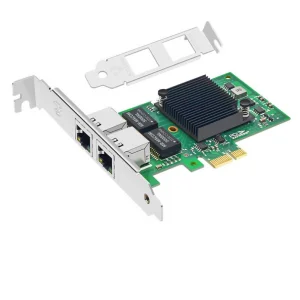
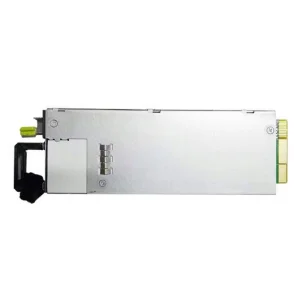
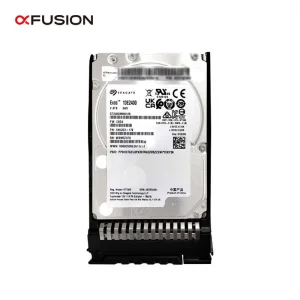
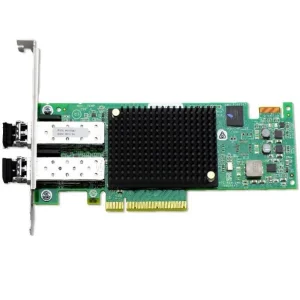
Maintain, scale, and optimize your systems with high-density SSD arrays, power modules, host bus adapters, and network interface cards.