Aivora
Aivora
Aivora
Premium high-performance processing hardware engineered for robust AI capabilities and mission-critical cloud routing.
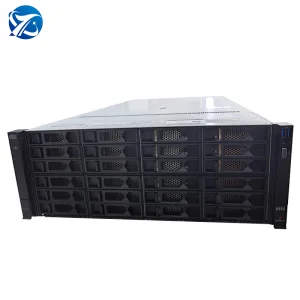
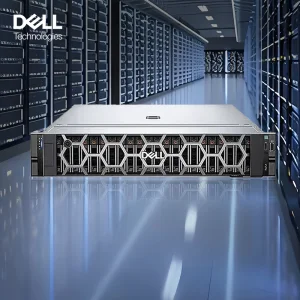
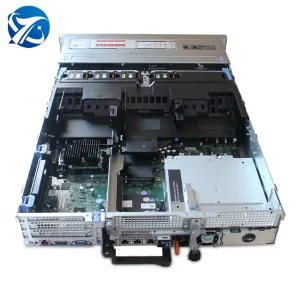
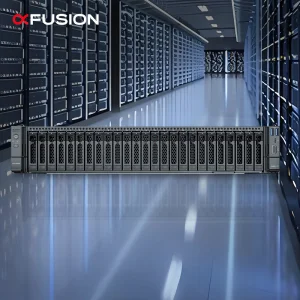
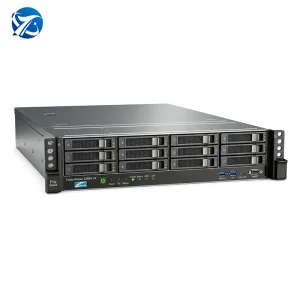
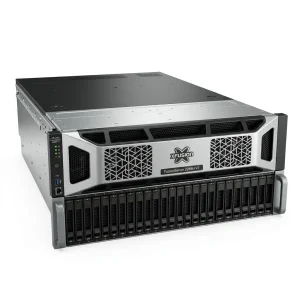
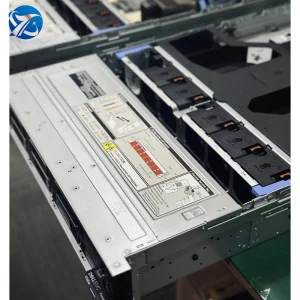
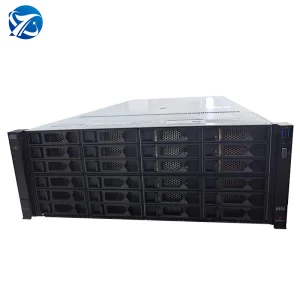
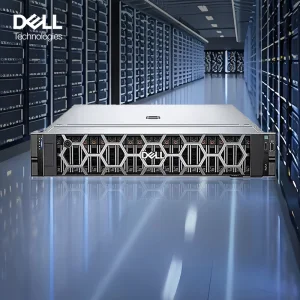
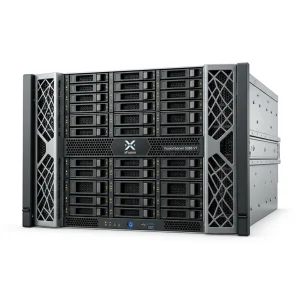
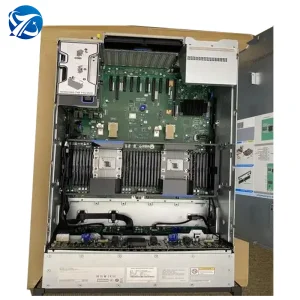
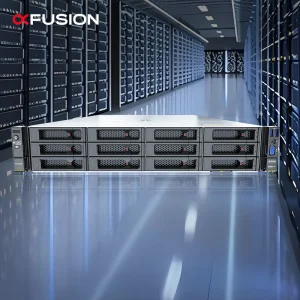
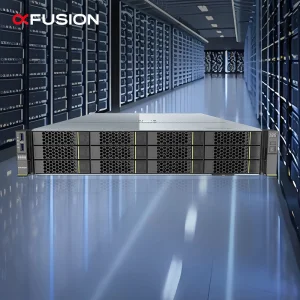
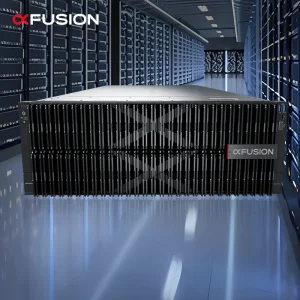
In the contemporary digital economy, high-throughput routing architectures are no longer isolated network components. As artificial intelligence models scale exponentially, the demand for enterprise-grade, CE-certified routing platforms has reached unprecedented heights. Enterprise routers act as the fundamental nervous system of modern data centers, bridging computing silos, storage clusters, and external user portals. Without high-bandwidth routing protocols and reliable packet forwarding engines, the immense computational capacity of platforms like the FusionServer G5200 V7 or the xFusion G5500 V7 Deepseek Server would be severely throttled by connectivity bottlenecks.
To maintain reliable cross-border operations and complex computational workloads, telecommunications networks, cloud providers, and global financial organizations require routers that are fully certified under the European Economic Area's (EEA) rigorous CE marking standards. CE certification acts as a critical quality and safety benchmark, ensuring that enterprise networking devices strictly conform to Electromagnetic Compatibility (EMC), Low Voltage Directives (LVD), and Radio Equipment Directives (RED). By procuring certified network gateways, organizations mitigate operational risks, guarantee structural electrical safety, and prevent harmful electromagnetic interference within massive rack systems.
China, particularly Shenzhen, stands at the absolute epicenter of the global electronic manufacturing supply chain. Shenzhen's specialized industrial ecosystem provides incomparable advantages for manufacturing high-density routers and compute servers. From access to raw silicon substrates, multi-layer high-frequency PCBs, advanced cooling components, to micro-assemblies, the geographic proximity of suppliers shortens product development cycles dramatically.
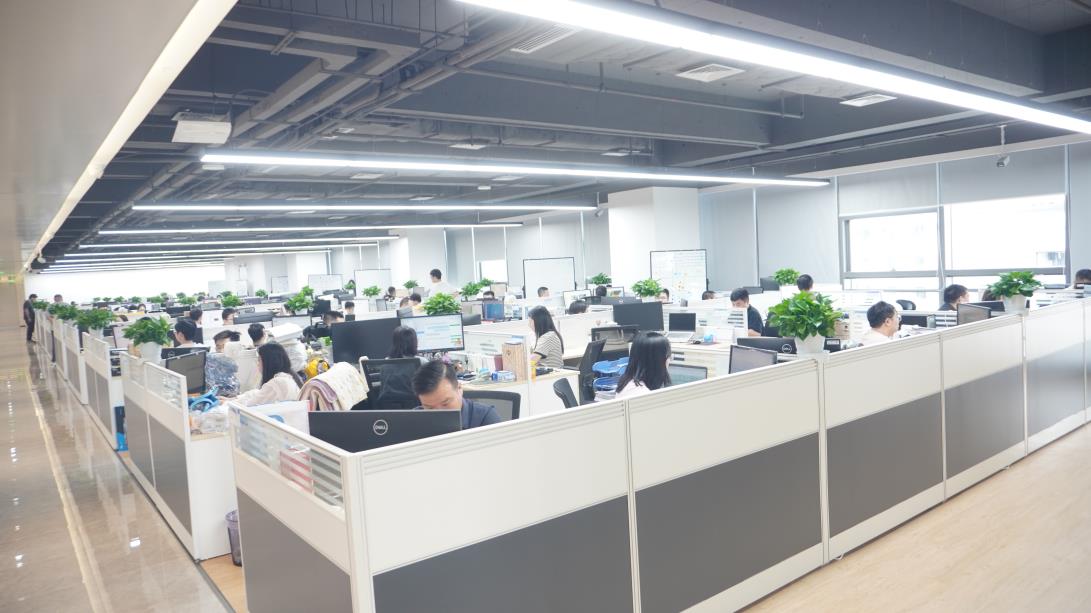
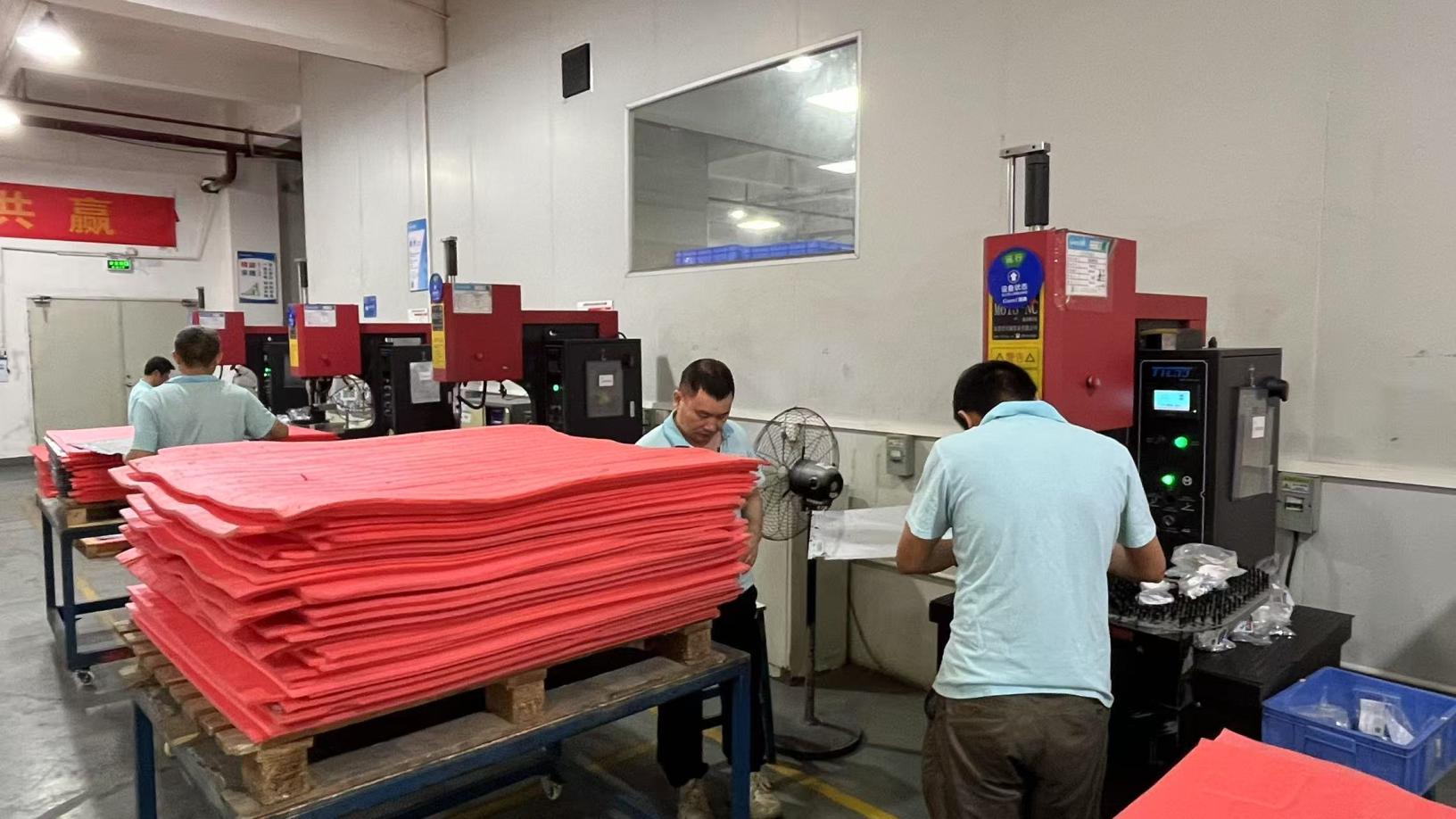
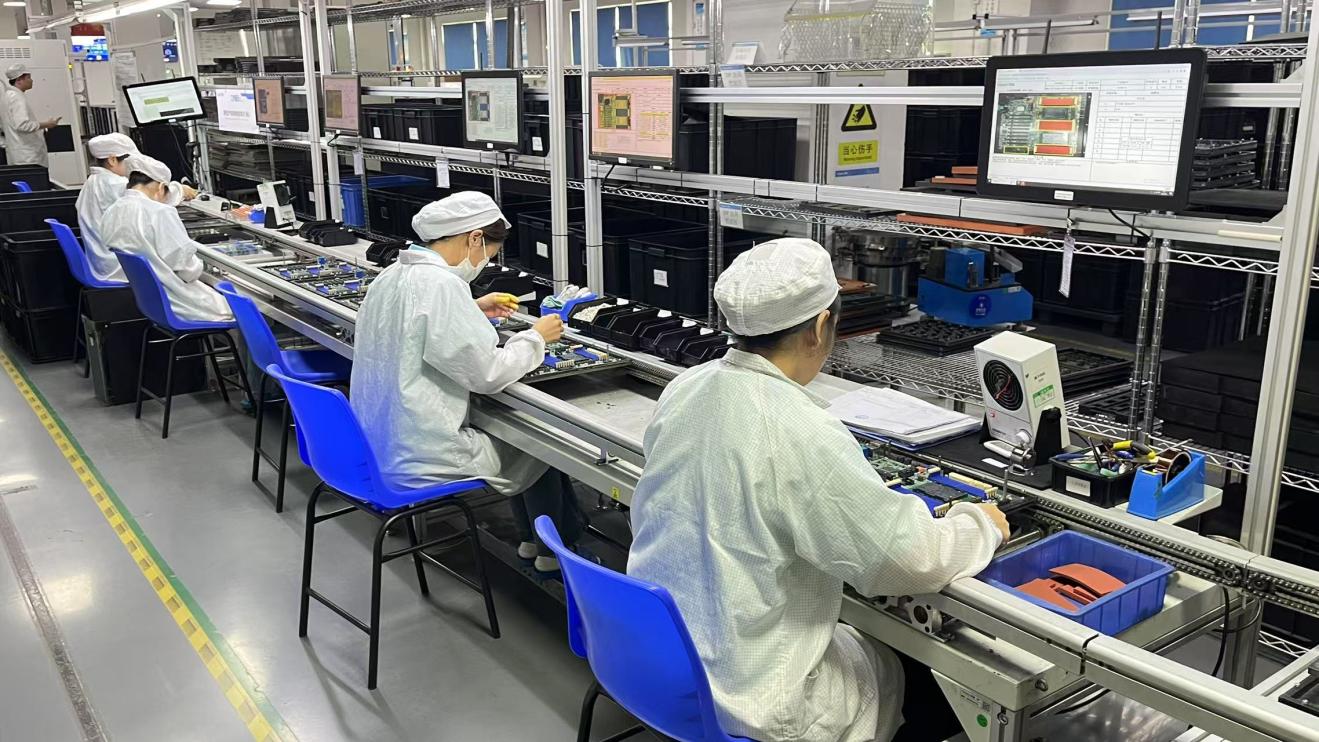
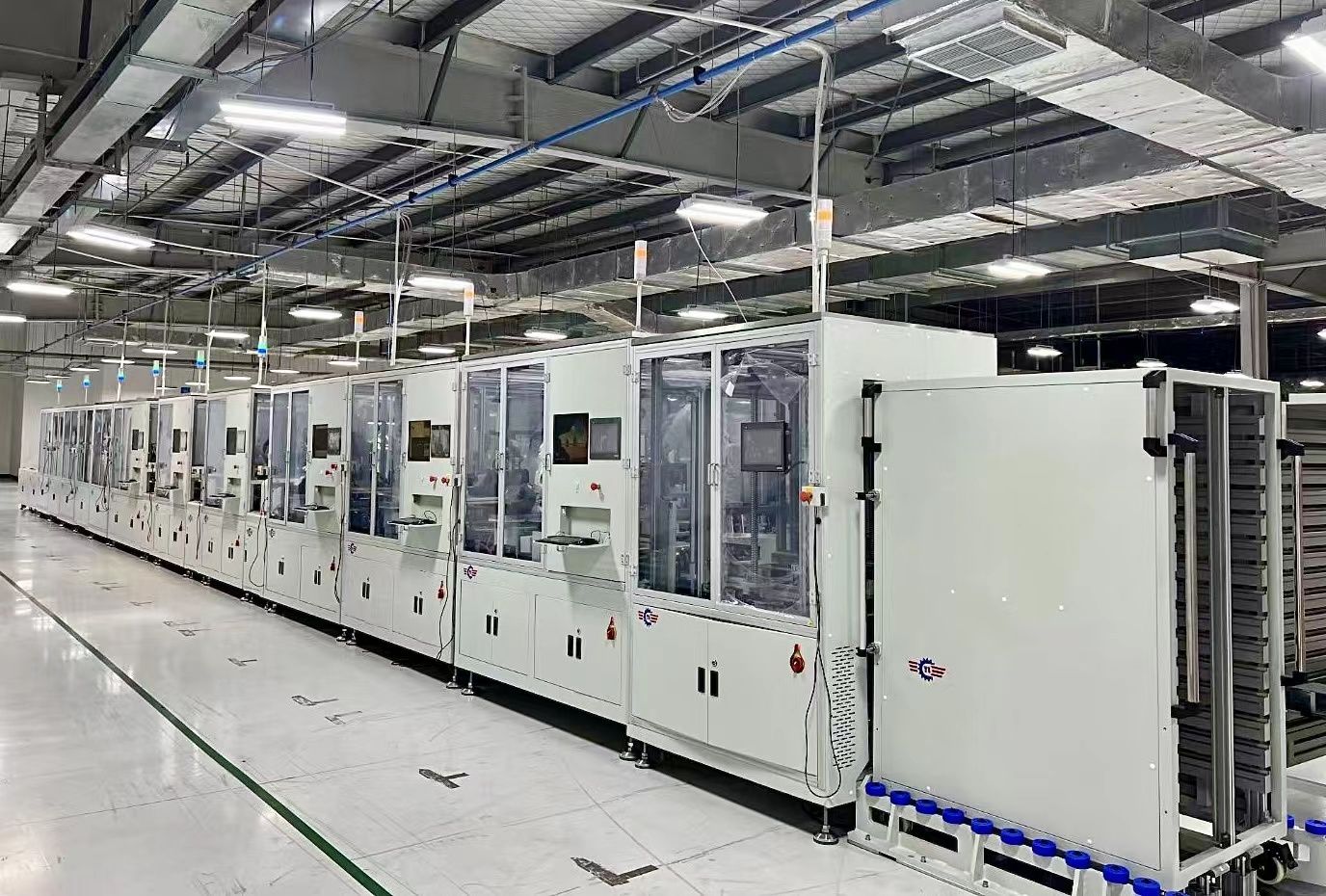
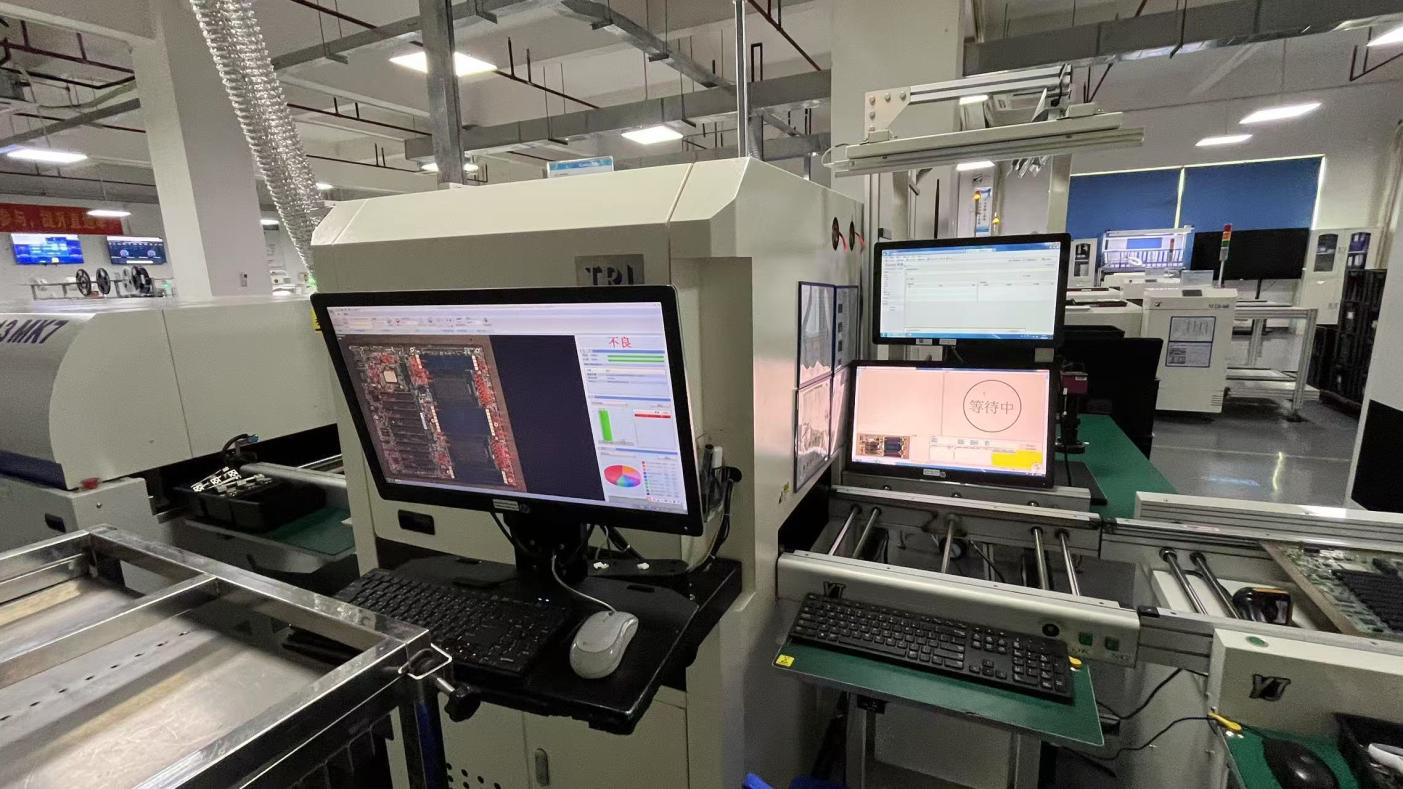
At Aivora Technology Co., Ltd., we utilize this geographic and industrial positioning to create high-value hardware. Operating from a highly specialized, modern manufacturing facility, we integrate cutting-edge automated assembly pipelines, visual defect detectors, and comprehensive environmental testing chambers. The efficiency of the local supply chain permits rapid prototyping, seamless integration of modern chip architectures, and the immediate application of global compliance specifications, positioning Chinese exporters as unmatched leaders in delivering high-volume, reliable network gear to worldwide buyers.
Solidified industry standing driven by robust research, strict quality guidelines, and comprehensive global export operations.
Entering international markets, especially the European Union, is impossible without demonstrating strict conformity to localized safety, environmental protection, and health standards. For high-capacity core routers, the CE Certification (Conformité Européenne) is a non-negotiable gateway requirement. This compliance procedure certifies that routers do not emit electromagnetic waves that interfere with neighboring wireless protocols, and that the internal power architectures (often running on high-amperage 1400W/1600W PSUs) are safe against fire hazards, thermal runaway, and electrical shocks.
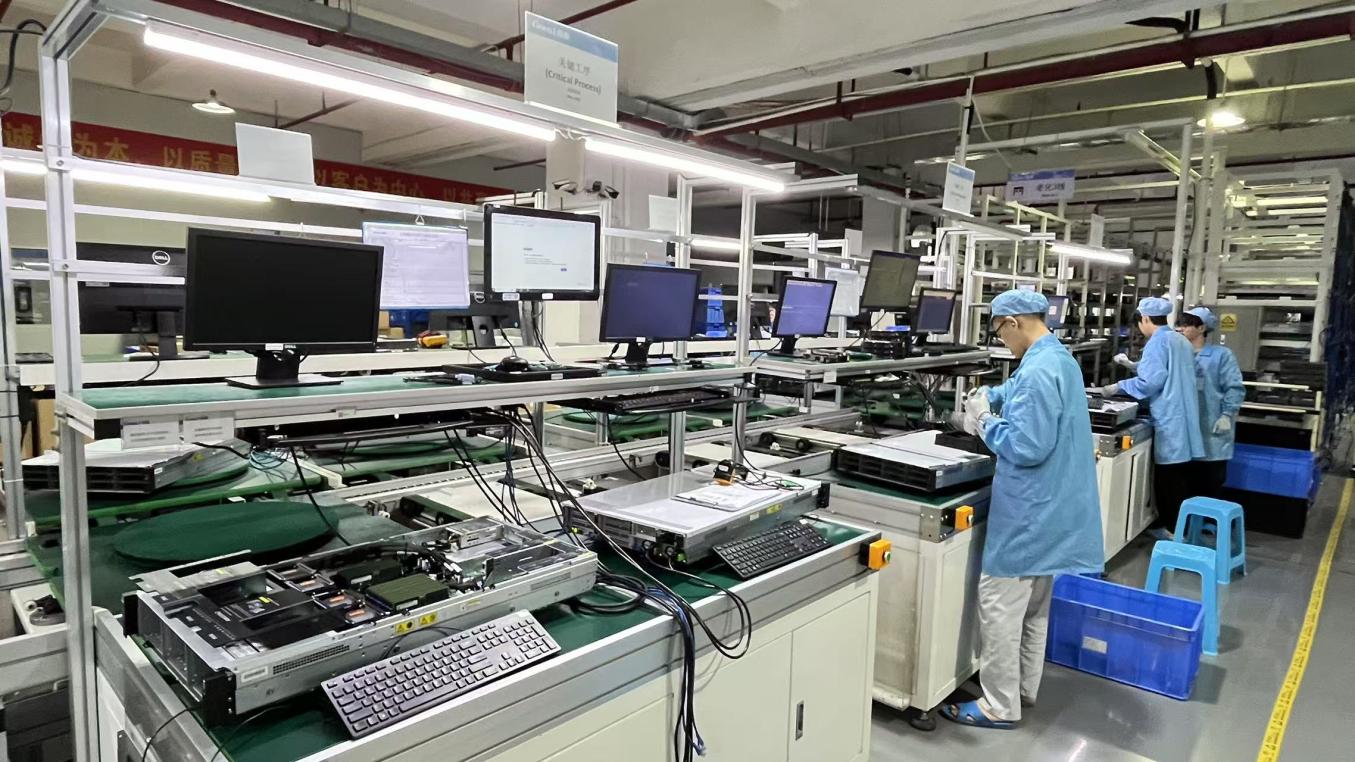
Aivora Technology ensures that every exported routing device, compute server, and customized chassis undergoes an exhaustive suite of testing procedures. This includes Electromagnetic Compatibility (EMC) testing (under EN 55032/EN 55035 standards) to analyze radiated emissions, Low Voltage Directive (LVD) assessments (under EN 62368-1) for audio/video, information and communication technology equipment safety, and restriction of hazardous materials (RoHS) validation. This level of quality verification offers global enterprise buyers complete peace of mind, mitigating customs complications and maximizing local network reliability.
Enterprise routing systems and servers are the core building blocks for various industrial verticals:
Integrating high-capacity switches with GPU rack servers. Manages dynamic cloud topologies and large language model (LLM) training pipelines securely.
Implementing edge computing gateways and industrial routers in harsh physical conditions. Essential for zero-latency automation loops and robotics.
Utilizing redundant, hardware-encrypted routing pathways to eliminate packet jitter and protect transaction ledgers against sniffing attacks.
Inside Aivora Technology Co., Ltd. - Driving high-performance digital connectivity and AI computing across the globe.
Established in 2018, Aivora Technology Co., Ltd. has rapidly emerged as a key manufacturer and global exporter of robust AI computing infrastructure and enterprise network equipment. Located in Shenzhen, China, our modern factory covers 386 square meters. This facility integrates state-of-the-art production environments, high-precision surface mount technology (SMT), and testing layouts designed to verify electrical tolerances and compute thresholds. With over 8 years of hardware export experience and 14 years of engineering expertise, our teams bridge the gap between complex chip architectures and reliable hardware operations.
At our core, we maintain close collaborations with more than 1,250 supply chain partners. This expansive network ensures stable component acquisition, rapid production scaling, and optimal material sourcing even during volatile global shortages. Supported by 128 R&D engineers, we continually refine our hardware capabilities and introduce optimized firmware and thermal management systems to meet the changing needs of global data centers. In the past year alone, Aivora launched 186 new product configurations and solution variations, generating an annual export revenue of over USD 18 million.

Procuring network hardware at scale requires evaluating more than just raw specifications. Enterprise buyers must analyze the manufacturer's long-term supply chain depth, hardware customization capacity, and post-sale technical engineering support. When sourcing routing hardware or server nodes, buyers should focus on three critical dimensions:
Looking forward, three key technological shifts will redefine enterprise networks:
First is the transition to AI-Optimized Routing Fabrics. Standard routing engines are being upgraded with dynamic machine learning algorithms that predict bandwidth blockages and reroute packets in real time. Second is the expansion of Edge AI and Low-Latency Gateways, where raw data is processed locally at edge compute clusters before reaching centralized clouds, minimizing overall traffic load. Lastly, Green Computing Protocols are driving the design of highly efficient power systems and smart cooling profiles to reduce carbon footprints.
Crucial technical answers regarding CE Certification, product customization, and enterprise deployment options.
CE certification validates that the hardware complies with safety standards, including the Low Voltage Directive (LVD) and Electromagnetic Compatibility (EMC) regulations. It ensures the equipment will not cause electromagnetic interference or present hazard risks when deployed in commercial environments.
We offer flexible OEM/ODM options, including custom structural chassis modifications, specialized component selection (heatsinks, power supplies, custom PCB routing), BIOS/firmware styling, and corporate logo placement.
Every device is run through a rigorous series of diagnostic procedures managed by our 46 QC inspectors. This includes thermal chamber analysis, full-load burn-in tests, structural safety checks, and hardware compatibility verifications.
By working closely with over 1,250 verified supply chain partners, we secure high-priority allocation of critical chipsets, memory modules, and specialized raw materials. This minimizes lead times and shields our production from global component shortages.
High-scalability rack systems and enterprise storage servers optimized for cloud computing and data center deployments.